Jane Kenyon – Discutindo com a melancolia

Discutindo com a melancolia

                    Se muitos remédios são prescritos           
                    para uma doença, pode ter certeza           
                    de que a doença não tem cura.                    

                                    A. P. CHEKHOV
                                    The Cherry Orchard

     1 DO BERÇÁRIO
Quando eu nasci, você esperava
atrás de uma pilha de lençóis no berçário e,
quando ficamos a sós, você se deitou 
sobre mim, espremendo
a bile da desolação em cada poro.

E daquele dia em diante
tudo sob o sol e sob a lua
me fez infeliz — até mesmo as contas
amarelas de madeira que deslizavam e giravam
ao redor de um pino do meu berço.

Você me ensinou a viver desprovido de gratidão.
Você arruinou meus modos para com Deus:
“Estamos aqui simplesmente para esperar pela morte;
os prazeres mundanos são superestimados.”

Eu só parecia pertencer à minha mãe,
viver entre blocos e camisetas de algodão
com botões; entre lancheiras vermelhas de lata
e boletins escolares em feios estojos marrons.
Eu já era sua — a anti-vontade,
a mutiladora de almas.

     2 FRASCOS 
Elavil, Ludiomil, Doxepin,
Norpramin, Prozac, Lithium, Xanax,
Wellbutrin, Parnate, Nardil, Zoloft.
Os revestidos têm um cheiro adocicado ou
não têm cheiro; os em pó cheiram
como o laboratório de química da escola
que me faz prender a respiração.

     3 SUGESTÃO DE UM AMIGO
Você não ficaria tão deprimida
se realmente acreditasse em Deus.

     4 FREQUENTEMENTE
Frequentemente, vou para a cama logo após o jantar
como se fosse adulta
(quer dizer, eu tento esperar anoitecer)
a fim de me afastar
da imensa dor na frágil canoa
de vime do sono.

     5 UMA VEZ HAVIA LUZ
Uma vez, com trinta e poucos anos, notei
que eu era uma partícula de luz no grande
rio de luz que ondula através do tempo.

Eu estava flutuando com toda a 
família humana. Éramos todos cores — os 
que estão vivendo agora, os que morreram,
os ainda não nascidos. Por alguns

momentos flutuei, completamente calma,
e não odiei mais ter que existir.

Como um corvo que sente o cheiro de sangue quente,
você veio voando para me arrancar
da corrente luminosa.
“Eu irei segura-la. Eu nunca permito que meus entes queridos
se afoguem!” Depois disso, chorei por dias.

     6 ENTRANDO E SAINDO
O cachorro procura até me encontrar no
andar de cima, deita-se com estrépito sobre
os cotovelos, põe a cabeça no meu pé.

Às vezes, o som de sua respiração
salva a minha vida — entrando e saindo, entrando
e saindo; uma pausa, um longo suspiro…

     7 PERDÃO
Um pedaço de carne queimada
usa minhas roupas, fala 
com minha voz, despacha obrigações
com hesitação, ou então nada.
Está cansado de tentar
ser corajoso, cansado
além da conta.

Passamos para os inibidores da
monoamina oxidase. Dia e noite
sinto como se tivesse bebido seis xícaras
de café, mas a dor cessa,
abruptamente. Com o espanto
e a amargura de alguém indultado
por um crime que não cometeu
volto ao casamento e aos amigos,
às malvas-rosas franjadas; volto
à minha mesa, livros, e cadeira.

     8 CREDO
Maravilhas farmacêuticas estão em ação,
mas acredito apenas neste momento
de bem estar. Espectro profano,
certamente você voltará.

Rude, você irá colocar os pés
na mesa de centro, inclinar-se para trás,
e me transformar em alguém que não
se dá ao trabalho de falar; alguém
que não consegue dormir, ou que não faz nada
além de dormir; não pode ler, ou marcar
uma consulta para pedir ajuda.

Não há nada que eu possa fazer
contra a sua chegada.
Quando desperto, ainda estou com você.

     9 TORDO-DOS-BOSQUES
Bêbado de Nardil e da luz de junho
acordo às quatro,
esperando avidamente pela primeira
nota do Tordo-dos-Bosques. O ar suave
transpõe a tela
com o canto selvagem e complexo
do pássaro, e sou vencida

pelo contentamento comum.
O que me machucou tão terrivelmente
por toda a minha vida até este momento?
Como eu amo o pequeno, pulsante e célere
coração do pássaro,
cantando nos grandes carvalhos;
seu olhar brilhante, inequívoco.

Trad.: Nelson Santander

Having it Out with Melancholy

          If many remedies are prescribed
          for an illness, you may be certain
          that the illness has no cure.
                              A. P. CHEKHOV
                             The Cherry Orchard

1 FROM THE NURSERY

When I was born, you waited
behind a pile of linen in the nursery,
and when we were alone, you lay down
on top of me, pressing
the bile of desolation into every pore.

And from that day on
everything under the sun and moon
made me sad—even the yellow
wooden beads that slid and spun
along a spindle on my crib.

You taught me to exist without gratitude.
You ruined my manners toward God:
“We’re here simply to wait for death;
the pleasures of earth are overrated.”

I only appeared to belong to my mother,
to live among blocks and cotton undershirts
with snaps; among red tin lunch boxes
and report cards in ugly brown slipcases.
I was already yours—the anti-urge,
the mutilator of souls.

2 BOTTLES

Elavil, Ludiomil, Doxepin,
Norpramin, Prozac, Lithium, Xanax,
Wellbutrin, Parnate, Nardil, Zoloft.
The coated ones smell sweet or have
no smell; the powdery ones smell
like the chemistry lab at school
that made me hold my breath.

3 SUGGESTION FROM A FRIEND

You wouldn’t be so depressed
if you really believed in God.

4 OFTEN

Often I go to bed as soon after dinner
as seems adult
(I mean I try to wait for dark)
in order to push away
from the massive pain in sleep’s
frail wicker coracle.

5 ONCE THERE WAS LIGHT

Once, in my early thirties, I saw
that I was a speck of light in the great
river of light that undulates through time.

I was floating with the whole
human family. We were all colors—those
who are living now, those who have died,
those who are not yet born. For a few

moments I floated, completely calm,
and I no longer hated having to exist.

Like a crow who smells hot blood
you came flying to pull me out
of the glowing stream.
“I’ll hold you up. I never let my dear
ones drown!” After that, I wept for days.

6 IN AND OUT

The dog searches until he finds me
upstairs, lies down with a clatter
of elbows, puts his head on my foot.

Sometimes the sound of his breathing
saves my life—in and out, in
and out; a pause, a long sigh. . . .

7 PARDON

A piece of burned meat
wears my clothes, speaks
in my voice, dispatches obligations
haltingly, or not at all.
It is tired of trying
to be stouthearted, tired
beyond measure.

We move on to the monoamine
oxidase inhibitors. Day and night
I feel as if I had drunk six cups
of coffee, but the pain stops
abruptly. With the wonder
and bitterness of someone pardoned
for a crime she did not commit
I come back to marriage and friends,
to pink fringed hollyhocks; come back
to my desk, books, and chair.

8 CREDO

Pharmaceutical wonders are at work
but I believe only in this moment
of well-being. Unholy ghost,
you are certain to come again.

Coarse, mean, you’ll put your feet
on the coffee table, lean back,
and turn me into someone who can’t
take the trouble to speak; someone
who can’t sleep, or who does nothing
but sleep; can’t read, or call
for an appointment for help.

There is nothing I can do
against your coming.
When I awake, I am still with thee.

9 WOOD THRUSH

High on Nardil and June light
I wake at four,
waiting greedily for the first
note of the wood thrush. Easeful air
presses through the screen
with the wild, complex song
of the bird, and I am overcome

by ordinary contentment.
What hurt me so terribly
all my life until this moment?
How I love the small, swiftly
beating heart of the bird
singing in the great maples;
its bright, unequivocal eye.
Louise Glück – Uma fantasia

Vou lhe dizer uma coisa: todos os dias
pessoas morrem. E isso é só o começo.
Todos os dias, nas funerárias, nascem novas viúvas,
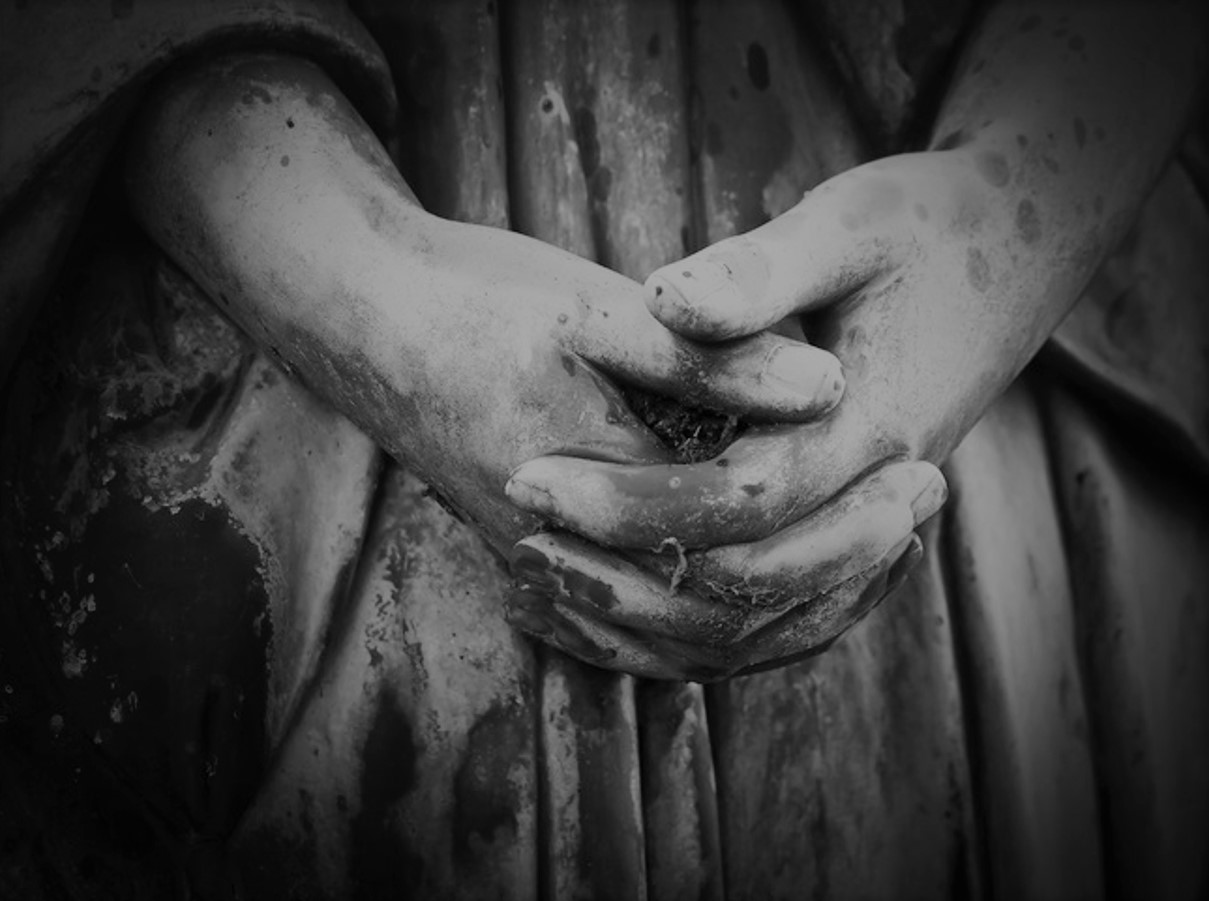
novos órfãos. Eles se sentam com as mãos cruzadas,
tentando decidir sobre esta nova vida.

Depois eles estão no cemitério, alguns deles
pela primeira vez. Eles têm medo de chorar,
às vezes de não chorar. Alguém se inclina e
diz-lhes o que fazer a seguir, o que pode significar
dizer algumas palavras, às vezes
jogando terra na cova aberta.

E depois disso, todos voltam para casa,
que subitamente está cheia de visitantes.
A viúva senta-se no sofá, muito majestosa,
e então as pessoas fazem fila para se aproximar dela,
às vezes pegam sua mão, às vezes a abraçam.
Ela encontra algo para dizer a todos,
agradece-lhes, agradece-lhes por terem vindo.

Em seu íntimo, ela quer que eles vão embora.
Ela quer estar de volta ao cemitério,
de volta à enfermaria, ao hospital. Ela sabe
que isso não é possível. Mas é sua única esperança,
o desejo de voltar para trás. E só um pouquinho,
não até o casamento, o primeiro beijo.

Trad.: Nelson Santander

A fantasy

I’ll tell you something: every day
people are dying. And that’s just the beginning.
Every day, in funeral homes, new widows are born,
new orphans. They sit with their hands folded,
trying to decide about this new life.

Then they’re in the cemetery, some of them
for the first time. They’re frightened of crying,
sometimes of not crying. Someone leans over,
tells them what to do next, which might mean
saying a few words, sometimes
throwing dirt in the open grave.

And after that, everyone goes back to the house,
which is suddenly full of visitors.
The widow sits on the couch, very stately,
so people line up to approach her,
sometimes take her hand, sometimes embrace her.
She finds something to say to everbody,
thanks them, thanks them for coming.

In her heart, she wants them to go away.
She wants to be back in the cemetery,
back in the sickroom, the hospital. She knows
it isn’t possible. But it’s her only hope,
the wish to move backward. And just a little,
not so far as the marriage, the first kiss.

Robinson Jeffers – A canção da quietude

Bebe, bebe profundamente da quietude,
     E às margens do mar-imensidão
Esquece de tua aflição, amiúde,
     E de todas as misérias que virão.
Mais calmo e frio do que a neblina,
Que se desdobra e se inclina
Sobre o vale escuro, e se rebobina,
     Aprende a ser.


O Passado — foi um sonho ardente,
     Um sono bêbado cheio de lamentos.
O Futuro — Ó brilho de asas frementes
     Levadas pela van dos anos de desalentos!
Amaste o entardecer: cintilação
Da aurora; foi-se a escuridão: —
Quais perigos te motivam,
     Quais sonhos são mais violentos?


Cinza, entretanto, ainda está o oriente;
     A hora, incolor; os galos, mudos até agora,
Alegra-te às vésperas do sol nascente,
     Descansa um pouco enquanto não chega a aurora:
Aqui, na floresta feiticeira,
A névoa marinha inunda a noite inteira, —
A tua solidão derradeira,
     Tua casa pelo ano afora.


Song of Quietness


Drink deep, drink deep of quietness,
     And on the margins of the sea
Remember not thine old distress
     Nor all the miseries to be.
Calmer than mists, and cold
As they, that fold on fold
Up the dim valley are rolled,
     Learn thou to be.

The Past—it was a feverish dream,
     A drunken slumber full of tears.
The Future—O what wild wings gleam,
     Wheeled in the van of desperate years!
Thou lovedst the evening: dawn
Glimmers; the night is gone:—
What dangers lure thee on,
     What dreams more fierce?

But meanwhile, now the east is gray,
     The hour is pale, the cocks yet dumb,
Be glad before the birth of day,
     Take thy brief rest ere morning come:
Here in the beautiful woods
All night the sea-mist floods,—
Thy last of solitudes,
     Thy yearlong home.

Javier Salvago – Quinta-feira Santa

A mesma lua, o mesmo
aroma de laranjeiras
perfumando as ruas,
onde a vida explode

em uma multidão de corpos
que se atraem e se buscam.
Calor de primavera
na pele e no ar.

Jovens incansáveis,
como nós naquela época,
percorrem a cidade
bêbados de desejo

— jovens com invernos
de abstinência, que sentem,
como Ele, que também
seu reino não é deste mundo —.

Os tambores lembram
que estão indo para o patíbulo.
Diante de virgens chorosas,
com despudor, os deuses

que vão morrer se beijam
— como os deuses que ontem fomos —,
sem remédio nem culpa,
na cruz dos anos.

Trad.: Nelson Santander

Jueves Santo

La misma luna, el mismo
perfume del naranjo
aromando las calles,
donde la vida estalla

en multitud de cuerpos
que se atraen y se buscan.
Calor de primavera
en la piel y en el aire.

Jóvenes incansables,
como entonces nosotros,
recorren la ciudad
borrachos de deseo

— jóvenes con inviernos
de abstinencia, que sienten,
como Aquél, que tampoco
su reino es de este mundo —.

Los tambores recuerdan
que se marcha al patíbulo.
Ante llorosas vírgenes,
con descaro, se besan

dioses que morirán
— como el dios que ayer fuimos —,
sin remedio ni culpa,
en la cruz de los años.

Miller Williams – Poema de amor com torrada

Parte do que fazemos, fazemos
para que as coisas aconteçam,
o despertador para nos acordar, o café para coar,
o carro para dar partida.

O resto do que fazemos, fazemos
tentando impedir que algo aconteça,
a pele de envelhecer, a enxada de enferrujar,
a verdade de vir à tona.

Com o sim e o não como polos de uma bateria
impulsionando nossa travessia pelos dias,
seguimos em frente, como gostamos de dizer,
querendo ser queridos,
querendo que a floresta tropical não desapareça,
querendo que a água ferva,
querendo não ter câncer,
querendo chegar em casa antes de escurecer,
querendo não ficar sem gasolina,

como cada um de nós quer o outro
velando no final,
como ambos querem não deixar o outro sozinho,
como querendo amar para além desta carne e osso,
nos olhamos sobre o café da manhã e fingimos.
Trad.: Nelson Santander


Love Poem With Toast

Some of what we do, we do
to make things happen,
the alarm to wake us up, the coffee to perc,
the car to start.

The rest of what we do, we do
trying to keep something from doing something
the skin from aging, the hoe from rusting,
the truth from getting out.

With yes and no like the poles of a battery
powering our passage through the days,
we move, as we call it, forward,
wanting to be wanted,
wanting not to lose the rain forest,
wanting the water to boil,
wanting not to have cancer,
wanting to be home by dark,
wanting not to run out of gas,

as each of us wants the other
watching at the end,
as both want not to leave the other alone,
as wanting to love beyond this meat and bone,
we gaze across breakfast and pretend.

Jane Hirshfield – Um destino algodoado

Há muito tempo, alguém
me disse: evite o ou.

Isso aflige a mente
como um pedaço de carne estendido perturba um cão.

Agora eu também tenho sessenta.
Não havia outra vida.

Trad.: Nelson Santander

A Cottony Fate

Long ago, someone
told me: avoid or.

It troubles the mind
as a held-out piece of meat disturbs a dog.

Now I too am sixty.
There was no other life.

Leslie McGrath – Corpus

Se conseguires suportar assim, permanece morto
entre os mortos. Os mortos têm o que fazer.
— Rilke

Depois que lavaram meu corpo
e passaram meus braços pelas mangas
de um vestido que comprei nos anos trinta
em um mercado de Cuernavaca, entrelaçaram
um rosário em minhas mãos cruzadas. Uma flor
de buganvília foi presa atrás da minha orelha.
Estou vestida para a igreja; estou bela
na morte. Oh, o perfume de minhas mãos
se ergue de mim como uma prece. Eu parti, mas aqui
permaneço, esperando o homem
que virá me buscar, me embrulhar e encaixotar,
para queimar o que resta. Inúteis,
essa coluna frágil, estes pés imóveis.
Inúteis, estas mãos cruzadas,
mãos que cuidaram, arrumaram,
limparam pisos já limpos,
mãos que escolheram o melão,
o fatiaram, serviram, jogaram fora a casca —
a casca inútil. Essas mãos amaram o trabalho,
o que restará para mim agora?
A vida foi trabalho; a morte não deveria ser diferente.

Trad.: Nelson Santander

Corpus

If you can bear it so, be dead
among the dead. The dead are occupied.
— Rilke

After they washed my body
and threaded my arms through the sleeves
of a dress I’d bought in the thirties
in a Cuernavaca market, they looped a rosary
around my folded hands. A bloom
from the bougainvillea is tucked behind my ear.
I am dressed for church; I am beautiful
in death. Oh, the perfume of my hands
rises from me like prayer. I am gone, yet here
I lie waiting for the man
to come for me, to wrap and box me,
to burn what’s left. Unusable,
this brittle spine, these still feet.
Unusable, these folded hands,
hands that tended, arranged,
wiped clean floors cleaner still,
hands that chose the melon,
sliced and served it, threw out the rind —
the unusable rind. These hands loved work,
what will there be for me now?
Life was work; death should be no different.

Jorge Valdés Días-Vélez – O olival

Não direi a oração que se pronuncia
em outras ocasiões como esta.
Eu vim para enterrar-te. E o meu silêncio
é o outro lugar para onde foste.
Porque não há mais verdade do que a tua memória
e nada a dizer que tu não saibas.
Talvez alguma imagem te restitua
a sombra original, a água de jarro
nos lábios de tua sede, talvez as flores
que incendiavam o quarto com luz pura,
a evocação teimosa de suas corolas
atrás de uma janela, entre as linhas
de Ungaretti ou Cernuda que esquecemos.
Mas tudo é real e é diferente
o ar que aqui respiro, tão fora
de tua respiração e suas raízes. Amanhã
irão ligar e com certeza
alguém dirá que não, que ainda não chegaste.
Seguirá o vale cinzento com suas oliveiras
secando ao sol como se nada
tivesse continuação, e será em vão
que perguntem por ti. Tu terás partido.

El olivar

No diré la oración que se pronuncia
en otras ocasiones como ésta.
Yo he venido a enterrarte. Y mi silencio
es el otro lugar a donde has ido.
Porque no hay más verdad que tu memoria
y nada por decir que no conozcas.
Acaso alguna imagen te devuelva
la sombra original, agua de jarro
en labios de tu sed, tal vez las flores
que incendiaban la estancia con luz pura,
la terca evocación de sus corolas
detrás de un ventanal, entre las líneas
de Ungaretti o Cernuda que olvidamos.
Pero todo es real y es diferente
el aire que respiro aquí, tan fuera
de tu aliento y sus raíces. Mañana
llamarán por teléfono y seguro
alguien dirá que no, que no has llegado.
Seguirá el valle gris con sus olivos
resecándose al sol como si nada
tuviera sucesión, y será en vano
que pregunten por ti. Tú habrás partido.

William Stafford – No monumento não-nacional ao longo da fronteira canadense

Este é o campo onde a batalha não aconteceu,
onde o soldado desconhecido não morreu.
Este é o campo onde deu as mãos o gramado
onde monumento algum foi levantado
e a única coisa heroica é o céu.

Pássaros voam aqui sem nenhuma agitação,
abrindo suas asas ao ar livre.
Ninguém matou – ou foi morto – neste torrão
consagrado pelo esquecimento e por um ar tão brando
que as pessoas o celebram dele se esquecendo.

Trad.: Nelson Santander

At the Un-National Monument Along the Canadian Border

This is the field where the battle did not happen,
where the unknown soldier did not die.
This is the field where grass joined hands,
where no monument stands,
and the only heroic thing is the sky.

Birds fly here without any sound,
unfolding their wings across the open.
No people killed — or were killed — on this ground
hallowed by neglect and an air so tame
that people celebrate it by forgetting its name.

Louise Glück – Paisagem

1.

O sol se põe por trás das montanhas,
a terra esfria.
Um estranho amarra seu cavalo a um castanheiro nu.
O cavalo está quieto — vira a cabeça de repente,
ouvindo, ao longe, o som do mar.

Preparo minha cama para passar a noite aqui,
estendendo minha colcha mais pesada sobre a terra úmida.

O som do mar —
quando o cavalo vira a cabeça, posso ouvi-lo.

Numa trilha entre castanheiros nus,
um cãozinho segue seu dono.

O cãozinho — ele não costumava correr na frente,
esticando a coleira, como se quisesse mostrar ao dono
o que vê ali, ali adiante —

o futuro, o caminho, chame como quiser.

Atrás das árvores, ao entardecer, é como um grande incêndio
ardendo entre duas montanhas,
de modo que a neve no pico mais alto
parece, por um momento, também arder.

Ouça: no fim da trilha, o homem chama.
Sua voz se tornou estranha agora,
a voz de alguém que chama o que não pode ver.

Repetidas vezes, ele grita por entre os castanheiros escuros.
Até que o animal responde,
ao longe, com um som tênue,
como se aquilo que tememos
não fosse terrível.

Crepúsculo: o estranho desamarra seu cavalo.

O som do oceano —
agora, apenas memória.

2.

O tempo passou, transformando tudo em gelo.
Sob o gelo, o futuro se agitava.
Se caíssemos nele, morreríamos.

Foi um tempo
de espera, de ação suspensa.

Eu vivia no presente, que era
aquela parte do futuro que podíamos ver.
O passado flutuava acima da minha cabeça,
como o sol e a lua, visível mas inatingível.

Foi um tempo
regido por contradições, como em
eu não sinto nada e
eu tenho medo.

O inverno esvaziou as árvores, depois as encheu de neve.
Porque eu não sentia, a neve caiu, o lago congelou.
Porque eu tinha medo, não me movi;
minha respiração era branca, uma descrição do silêncio.

O tempo passou, e parte dele se tornou isto.
E parte simplesmente evaporou;
podíamos vê-la flutuar sobre as árvores brancas
formando partículas de gelo.

Toda a sua vida, você esperou pelo momento propício.
Então o momento propício
se revelou como o ato em si.

Eu via o passado se mover, uma linha de nuvens avançando
da esquerda para a direita ou da direita para a esquerda,
dependendo do vento. Alguns dias

não havia vento. As nuvens pareciam
permanecer onde estavam,
como uma pintura do mar, mais imóveis que reais.

Alguns dias, o lago era uma película de vidro.
Sob o vidro, o futuro emitia
sons discretos, convidativos:
era preciso se conter para não escutar.

O tempo passou; você pôde ver um pedaço dele.
Os anos que levou foram anos de inverno;
não fariam falta. Alguns dias

não havia nuvens, como se
as fontes do passado houvessem desaparecido. O mundo

perdera seu colorido, como um negativo; a luz passava
diretamente por dele. Então
a imagem esmaecia.

Acima do mundo
havia apenas o azul, azul por toda parte.

3.

No fim do outono, uma jovem ateou fogo a um campo
de trigo. O outono

fora muito seco; o campo
ardeu como um pavio.

Depois não restou nada.
Você caminha por ele, não vê nada.

Não há o que colher, nem o que cheirar.
Os cavalos não compreendem —

Onde está o campo?, parecem dizer.
Do mesmo modo que você e eu diríamos:
onde está o lar?

Ninguém sabe como responder.
Não restou nada;
só resta esperar, pelo bem do fazendeiro,
que o seguro cubra.

É como perder um ano de nossas vidas.
A que entregaríamos um ano de nossas vidas?

Depois, você volta ao antigo lugar —
tudo o que resta é carvão: negrume e vazio.

Você pensa: como pude viver aqui?

Mas era diferente então,
até mesmo no verão passado. A terra se comportava

como se nada pudesse dar errado.

Um fósforo foi o suficiente.
Mas no tempo certo — precisava ser no tempo certo.

O campo ressequido, seco —
a morte já instalada,
por assim dizer.

4.

Adormeci em um rio, acordei em um rio,
de meu misterioso
fracasso em morrer nada posso
dizer, nem
quem me salvou, nem por que razão —

Havia um imenso silêncio.
Nenhum vento. Nenhum som humano.
O século amargo

chegara ao fim, o glorioso se fora, o perene se fora,

o sol frio
persistindo como uma espécie de curiosidade, uma lembrança,
o tempo fluindo atrás dele —

O céu parecia muito limpo,
como no inverno,
o solo seco, não cultivado,

a luz oficial movendo-se
calmamente por uma fenda no ar

digna, complacente,
dissolvendo a esperança,
subordinando imagens do futuro a sinais de sua partida —

Acho que devo ter caído.
Quando tentei me levantar, tive de me forçar,
não acostumada à dor física —

Esquecera
a dureza dessas condições:

a terra não obsoleta
mas imóvel, o rio frio, raso —

Do meu sono, nada
lembro. Quando eu gritava
minha própria voz me acalmava, inesperadamente.

No silêncio da consciência, perguntei-me:
por que rejeitei minha vida? E respondi:
Die Erde überwältigt mich:
a terra me subjuga.

Tentei ser precisa nesta descrição
caso alguém venha depois de mim. Posso afirmar que,
quando o sol se põe no inverno, é
incomparavelmente belo e a memória disso
dura muito. Acho que isso quer dizer

que não houve noite.
A noite estava dentro de mim.

5.

Depois que o sol se pôs,
cavalgamos depressa, na esperança de encontrar
abrigo antes da escuridão.

Eu já podia ver as estrelas,
primeiro no céu oriental:

cavalgávamos, portanto,
na direção oposta à da luz
e rumo ao mar, pois
eu ouvira falar que lá havia uma vila.

Depois de algum tempo, começou a nevar.
Não muito, a princípio, depois
de forma constante, até que a terra
se cobriu de uma película branca.

O caminho percorrido aparecia
claramente quando eu virava a cabeça —
por um instante traçava
uma linha escura pela terra —

Então a neve se espessou, o caminho sumiu.
O cavalo estava cansado e faminto;
não conseguia mais encontrar
solo firme em parte alguma. Eu disse a mim mesma:

já estive perdida antes, já senti frio antes.
A noite veio até mim
exatamente assim, como um presságio —

e pensei: se eu tiver de
voltar aqui, gostaria de voltar
como ser humano, o meu cavalo

como ele mesmo. Caso contrário,
eu não saberia como começar de novo.

Trad.: Nelson Santander

Landscape

1.

The sun is setting behind the mountains,
the earth is cooling.
A stranger has tied his horse to a bare chestnut tree.
The horse is quiet – he turns his head suddenly,
hearing, in the distance, the sound of the sea.

I make my bed for the night here,
spreading my heaviest quilt over the damp earth.

The sound of the sea —
when the horse turns its head, I can hear it.

On a path through the bare chestnut trees,
a little dog trails its master.

The little dog – didn’t he used to rush ahead,
straining the leash, as though to show his master
what he sees there, there in the future —

the future, the path, call it what you will.

Behind the trees, at sunset, it is as though a great fire
is burning between two mountains
so that the snow on the highest precipice
seems, for a moment, to be burning also.

Listen: at the path’s end the man is calling out.
His voice has become very strange now,
the voice of a person calling to what he can’t see.

Over and over he calls out among the dark chestnut trees.
Until the animal responds
faintly, from a great distance,
as though this thing we fear
were not terrible.

Twilight: the stranger has untied his horse.

The sound of the sea —
just memory now.

2.

Time passed, turning everything to ice.
Under the ice, the future stirred.
If you fell into it, you died.

It was a time
of waiting, of suspended action.

I lived in the present, which was
that part of the future you could see.
The past floated above my head,
like the sun and moon, visible but never reachable.

It was a time
governed by contradictions, as in
I felt nothing and
I was afraid.

Winter emptied the trees, filled them again with snow.
Because I couldn’t feel, snow fell, the lake froze over.
Because I was afraid, I didn’t move;
my breath was white, a description of silence.

Time passed, and some of it became this.
And some of it simply evaporated;
you could see it float above the white trees
forming particles of ice.

All your life, you wait for the propitious time.
Then the propitious time
reveals itself as action taken.

I watched the past move, a line of clouds moving
from left to right or right to left,
depending on the wind. Some days

there was no wind. The clouds seemed
to stay where they were,
like a painting of the sea, more still than real.

Some days the lake was a sheet of glass.
Under the glass, the future made
demure, inviting sounds:
you had to tense yourself so as not to listen.

Time passed; you got to see a piece of it.
The years it took with it were years of winter;
they would not be missed. Some days

there were no clouds, as though
the sources of the past had vanished. The world

was bleached, like a negative; the light passed
directly through it. Then
the image faded.

Above the world
there was only blue, blue everywhere.

3.

In late autumn a young girl set fire to a field
of wheat. The autumn

had been very dry; the field
went up like tinder.

Afterward there was nothing left.
You walk through it, you see nothing.

There’s nothing to pick up, to smell.
The horses don’t understand it-

Where is the field, they seem to say.
The way you and I would say
where is home.

No one knows how to answer them.
There is nothing left;
you have to hope, for the farmer’s sake,
the insurance will pay.

It is like losing a year of your life.
To what would you lose a year of your life?

Afterward, you go back to the old place—
all that remains is char: blackness and emptiness.

You think: how could I live here?

But it was different then,
even last summer. The earth behaved

as though nothing could go wrong with it.

One match was all it took.
But at the right time – it had to be the right time.

The field parched, dry—
the deadness in place already
so to speak.

4.

I fell asleep in a river, I woke in a river,
of my mysterious
failure to die I can tell you
nothing, neither
who saved me nor for what cause—

There was immense silence.
No wind. No human sound.
The bitter century

was ended,
the glorious gone, the abiding gone,

the cold sun
persisting as a kind of curiosity, a memento,
time streaming behind it—

The sky seemed very clear,
as it is in winter,
the soil dry, uncultivated,

the official light calmly
moving through a slot in air

dignified, complacent,
dissolving hope,
subordinating images of the future to signs of the future’s passing—

I think I must have fallen.
When I tried to stand, I had to force myself,
being unused to physical pain—

I had forgotten
how harsh these conditions are:

the earth not obsolete
but still, the river cold, shallow—

Of my sleep, I remember
nothing. When I cried out,
my voice soothed me unexpectedly.

In the silence of consciousness I asked myself:
why did I reject my life? And I answer
Die Erde überwältigt mich:
the earth defeats me.

I have tried to be accurate in this description
in case someone else should follow me. I can verify
that when the sun sets in winter it is
incomparably beautiful and the memory of it
lasts a long time. I think this means

there was no night.
The night was in my head.

5.

After the sun set
we rode quickly, in the hope of finding
shelter before darkness.

I could see the stars already,
first in the eastern sky:

we rode, therefore,
away from the light
and toward the sea, since
I had heard of a village there.

After some time, the snow began.
Not thickly at first, then
steadily until the earth
was covered with a white film.

The way we traveled showed
clearly when I turned my head—
for a short while it made
a dark trajectory across the earth—

Then the snow was thick, the path vanished.
The horse was tired and hungry;
he could no longer find
sure footing anywhere. I told myself:

I have been lost before, I have been cold before.
The night has come to me
exactly this way, as a premonition—

And I thought: if I am asked
to return here, I would like to come back
as a human being, and my horse

to remain himself. Otherwise
I would not know how to begin again.