Louise Glück – Vento em retirada

Quando os criei, eu os amava.
Agora sinto pena de vocês.

Dei-lhes tudo o que precisavam:
leito de terra, manto de ar azul —

À medida que me afasto de vocês,
vejo-os com mais clareza.
Suas almas deveriam ser vastas agora,
não o que são,
pequenas criaturas tagarelas —

Dei a vocês todas as dádivas,
o azul das manhãs de primavera,
o tempo que não souberam usar —
vocês queriam mais, o único dom
reservado para outra criação.

O que quer que tenham desejado,
não encontrarão no jardim,
entre as plantas em crescimento.
Suas vidas não são circulares como as delas:

suas vidas são como o voo dos pássaros
que começa e termina em silêncio —
que começa e termina, ecoando
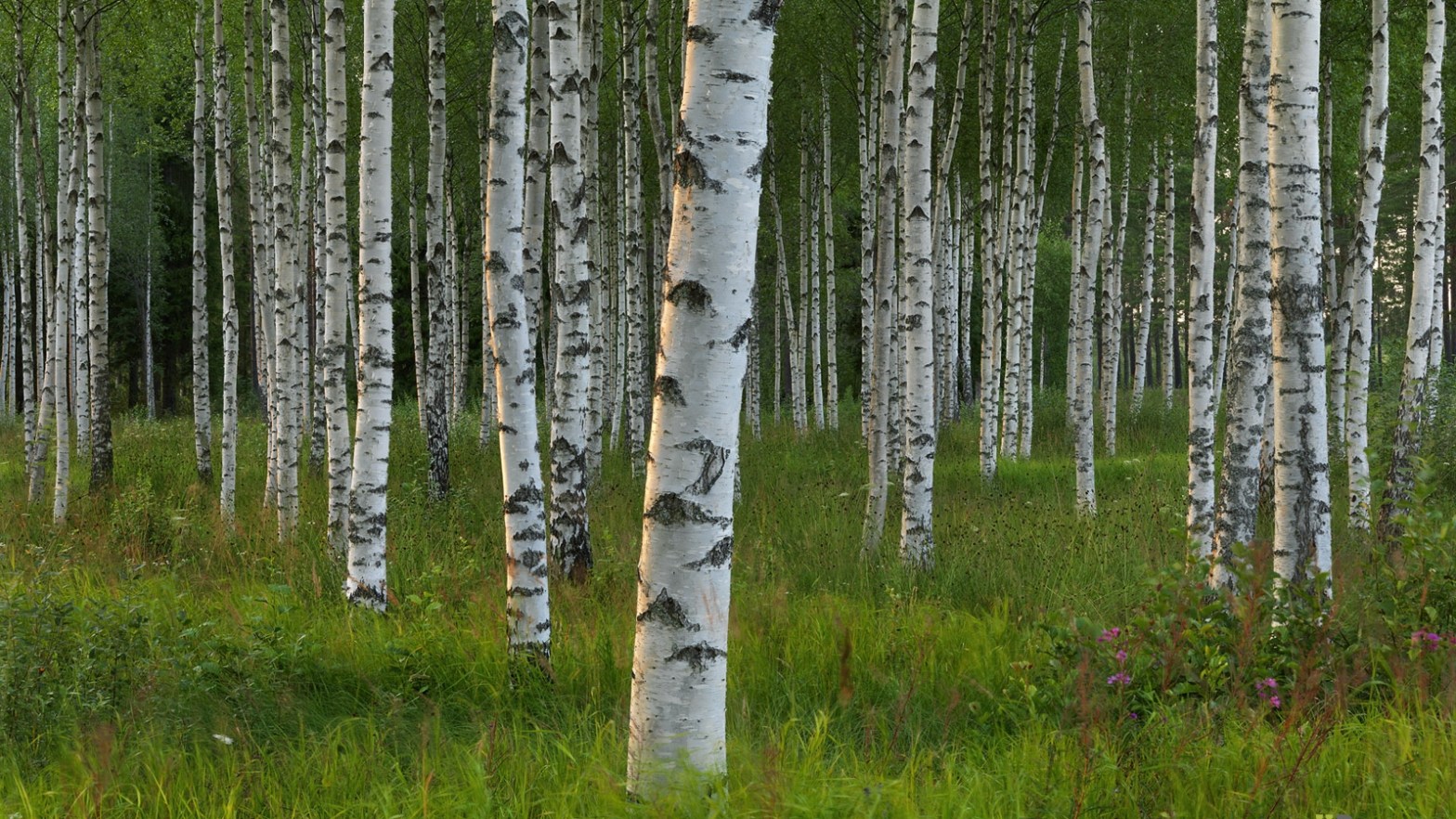
este arco da bétula branca
até a macieira.

Trad.: Nelson Santander

Retreating wind

When I made you, I loved you.
Now I pity you.

I gave you all you needed:
bed of earth, blanket of blue air —

As I get further away from you
I see you more clearly.
Your souls should have been immense by now,
not what they are,
small talking things —

I gave you every gift,
blue of the spring morning,
time you didn’t know how to use—
you wanted more, the one gift
reserved for another creation.

Whatever you hoped,
you will not find yourselves in the garden,
among the growing plants.
Your lives are not circular like theirs:

your lives are the bird’s flight
which begins and ends in stillness—
which begins and ends, in form echoing
this arc from the white birch
to the apple tree.
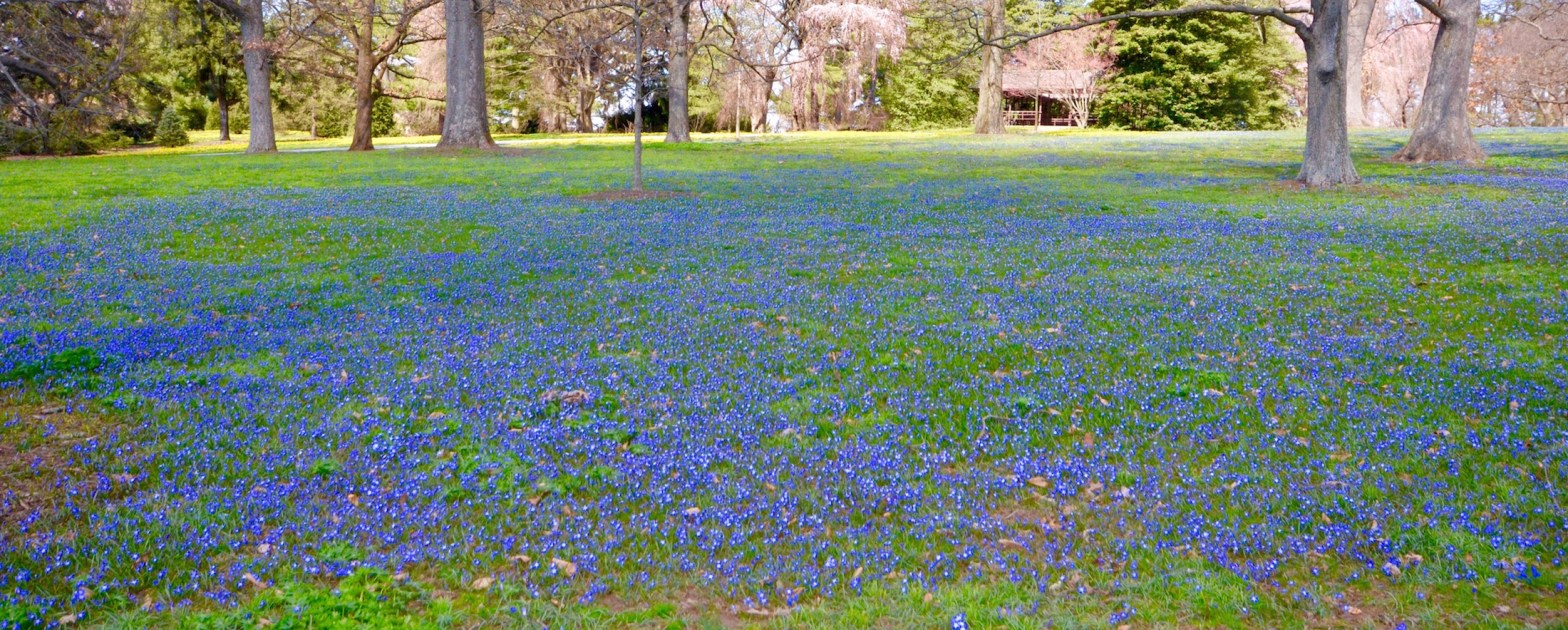
Louise Glück – Scilla

Não eu, seu tolo, não eu-mesma, mas nós, nós – ondas
de céu azul como
uma crítica do firmamento: por que
vocês valorizam tanto suas vozes
quando ser algo
é ser quase nada?
Por que olham para cima? Para ouvir
um eco como a voz
de deus? Vocês são todos iguais para nós,
solitários, pairando acima de nós, planejando
suas vidas tolas: vocês vão
onde são levados, como todas as coisas,
onde os ventos os semeiam,
um ou outro sempre
olhando para baixo e vendo alguma imagem
da água, e ouvindo o quê? Ondas,
e sobre as ondas, pássaros cantando.

Trad.: Nelson Santander

Scilla

Not I, you idiot, not self, but we, we – waves
of sky blue like
a critique of heaven: why
do you treasure your voice
when to be one thing
is to be the next to nothing?
Why do you look up? To hear
an echo like the voice
of god? You are all the same to us,
solitary, standing above us, planning
your silly lives: you go
where you are sent, like all things,
where the wind plants you,
one or another of you forever
looking down and seeing some image
of water, and hearing what? Waves,
and over waves, birds singing.

Louise Glück – Matinas (4)

Percebo que com você é como com as bétulas:
não posso lhe falar
de maneira pessoal. Muito
se passou entre nós. Ou
sempre foi apenas de um lado? Eu
errei, eu errei, eu lhe pedi
para ser humano – não sou mais carente
do que as outras pessoas. Mas a ausência
de todo sentimento, da menor
preocupação por mim – poderia muito bem continuar
dirigindo-me às bétulas,
como em minha antiga vida: deixa-las
fazer o seu pior, deixa-las
enterrar-me com os Românticos,
suas folhas amarelas pontiagudas
caindo e me cobrindo.

Trad.: Nelson Santander

Matins

I see it is with you as with the birches:
I am not to speak to you
in the personal way. Much
has passed between us. Or
was it always only
on the one side? I am
at fault, at fault, I asked you
to be human — I am no needier
than other people. But the absence
of all feeling, of the least
concern for me – I might as well go on
addressing the birches,
as in my former life: let them
do their worst, let them
bury me with the Romantics,
their pointed yellow leaves
falling and covering me.

Louise Glück – Matinas (3)

Perdoe-me se eu disser que o amo: os poderosos
sempre são enganados, já que os fracos são sempre
guiados pelo pânico. Não posso amar
o que não consigo conceber, e você revela
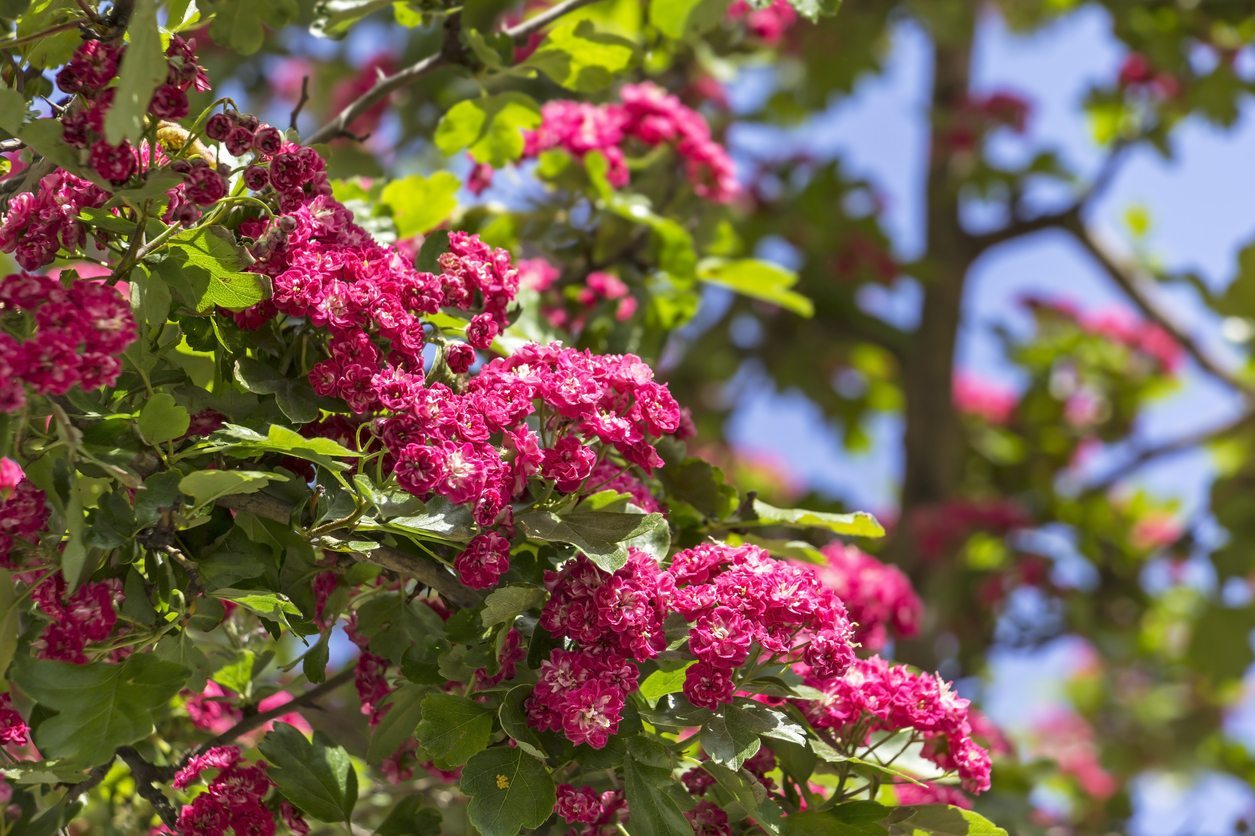
praticamente nada: é como o espinheiro,
sempre a mesma coisa no mesmo lugar,
ou está mais para a dedaleira, inconstante, brotando primeiro
um espigão rosa na encosta atrás das margaridas,
e no ano seguinte, violeta no roseiral? Você precisa entender
que isso é inútil, esse silêncio que promove a crença
de que você deve ser todas as coisas, a dedaleira e o espinheiro,
a rosa vulnerável e a rija margarida – somos levados a pensar
que é impossível você existir. É isso
que você quer que acreditemos? É isso que explica
o silêncio das manhãs,
os grilos que não roçam as asas, os gatos
que não brigam no quintal?

Trad.: Nelson Santander

Matins

Forgive me if I say I love you: the powerful
are always lied to since the weak are always
driven by panic. I cannot love
what I can’t conceive, and you disclose
virtually nothing: are you like the hawthorn tree,
always the same thing in the same place,
or are you more the foxglove, inconsistent, first springing up
a pink spike on the slope behind the daisies,
and the next year, purple in the rose garden? You must see
it is useless to us, this silence that promotes belief
you must be all things, the foxglove and the hawthorn tree,
the vulnerable rose and the tough daisy – we are left to think
you couldn’t possibly exist. Is this
what you mean us to think, does this explain
the silence of the morning,
the crickets not yet rubbing their wings, the cats
not fighting in the yard?

Louise Glück – Fim de inverno

Sobre o mundo ainda, um pássaro canta
despertando solitário entre ramos escuros.

Vocês desejaram nascer; eu permiti que nascessem.
Quando minha dor alguma vez
interferiu em seu prazer?

Mergulhando
na escuridão e na luz ao mesmo tempo,
sedentos por sensações

como se fossem algo novo, querendo
se expressar

com todo brilho, toda vivacidade

nunca imaginando
que isso lhes custaria algo,
nunca concebendo o som de minha voz
como outra coisa senão parte de vocês –

vocês não a ouvirão no outro mundo,
não com a mesma clareza,
não no canto dos pássaros ou no humano lamento,

não o som límpido, somente
um eco persistente
em todo som que signifique adeus, adeus –

a única linha contínua
que nos une, eu e vocês.

Trad.: Nelson Santander

End of winter

Over the still world, a bird calls
waking solitary among black boughs.

You wanted to be born; I let you be born.
When has my grief ever gotten
in the way of your pleasure?

Plunging ahead
into the dark and light at the same time
eager for sensation

as though you were some new thing, wanting
to express yourselves

all brilliance, all vivacity

never thinking
this would cost you anything,
never imagining the sound of my voice
as anything but part of you —

you won’t hear it in the other world,
not clearly again,
not in birdcall or human cry,

not the clear sound, only
persistent echoing
in all sound that means goodbye, goodbye —

the one continuous line
that binds us to each other.

Louise Glück – Neve de primavera

Olhe para o céu noturno:
tenho dois eus, duas formas de poder.

Estou aqui com você, à janela,
observando sua reação. Ontem
a lua se ergueu sobre a terra úmida no jardim de baixo.
Agora a terra reluz como a lua,
como matéria morta crivada de luz.

Você pode fechar os olhos agora.
Ouvi seus clamores, e os clamores antes dos seus,
e a demanda por trás deles.

Mostrei-lhe o que você deseja:
ausência de crença, mas submissão
à autoridade, que depende da violência.

Trad.: Nelson Santander

Spring snow

Look at the night sky:
I have two selves, two kinds of power.

I am here with you, at the window,
watching you react. Yesterday
the moon rose over moist earth in the lower garden.
Now the earth glitters like the moon,
like dead matter crusted with light.

You can close your eyes now.
I have heard your cries, and cries before yours,
and the demand behind them.
I have shown you what you want:
not belief, but capitulation
to authority, which depends on violence.

Louise Glück – Manhã clara

Eu já os observei por tempo suficiente,
posso me dirigir a vocês do jeito que eu quiser —

Tenho me submetido às suas preferências, observando pacientemente
as coisa que vocês amam, comunicando-me

apenas através de veículos, em
detalhes da terra, como preferem,

gavinhas
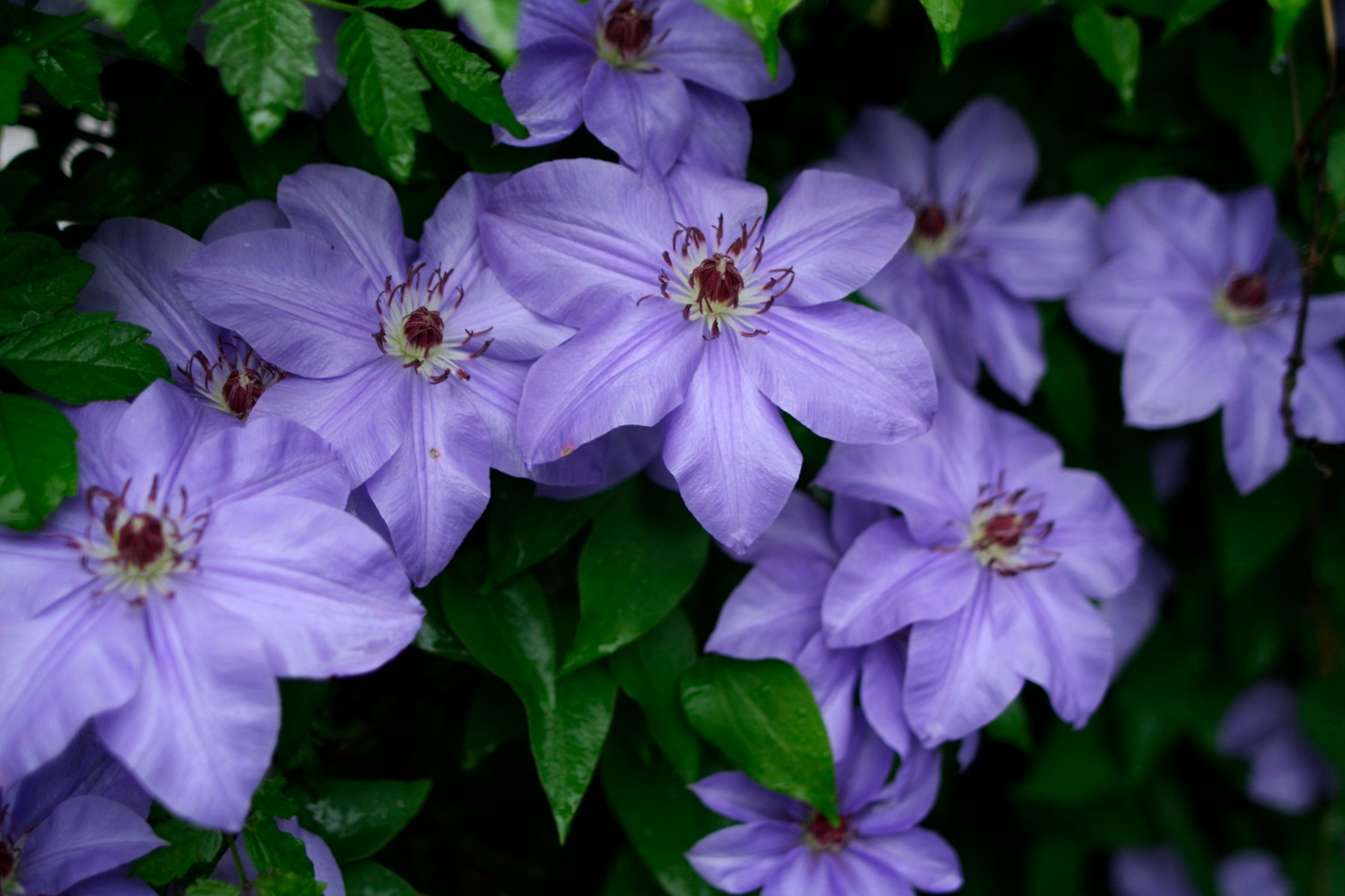
de clematis azul, luz

de fim de tarde —
vocês jamais aceitariam

uma voz como a minha, indiferente
aos objetos que diligentemente nomeiam,

suas bocas
pequenos círculos de espanto –

E todo esse tempo
fui indulgente com suas limitações, pensando

que mais cedo ou mais tarde as deixariam de lado por si mesmos,
pensando que esse assunto não poderia absorver os olhares de vocês para sempre –

obstáculo de clematis pintando
flores azuis na janela da varanda –

Não posso continuar
restringindo-me a representações

porque vocês acham que têm o direito
de contestar o que digo:

Estou preparado agora para impor
clareza a todos vocês.

Trad.: Nelson Santander

Clear morning

I’ve watched you long enough,
I can speak to you any way I like —

I’ve submitted to your preferences, observing patiently
the things you love, speaking

through vehicles only, in
details of earth, as you prefer,

tendrils
of blue clematis, light

of early evening —
you would never accept

a voice like mine, indifferent
to the objects you busily name,

your mouths
small circles of awe —

And all this time
I indulged your limitation, thinking

you would cast it aside yourselves sooner or later,
thinking matter could not absorb your gaze forever —

obstacle of the clematis painting
blue flowers on the porch window —

I cannot go on
restricting myself to images

because you think it is your right
to dispute my meaning:

I am prepared now to force
clarity upon you.

Louise Glück – Flores-de-neve

Você sabe o que eu era, como eu vivia? Você sabe
o que é o desespero? Então
o inverno deve ter um significado para você.

Eu não esperava sobreviver,
a terra me sufocando. Não esperava
despertar outra vez, sentir
na terra úmida meu corpo
capaz de responder outra vez, lembrando
após tanto tempo como brotar outra vez
na luz fria
da primavera mais precoce —

assustada, sim, mas entre vocês outra vez
chorando sim risco alegria

no vento bruto do novo mundo

Trad.: Nelson Santander

Snowdrops

Do you know what I was, how I lived? You know
what despair is; then
winter should have meaning for you.

I did not expect to survive,
earth suppressing me. I didn’t expect
to waken again, to feel
in damp earth my body
able to respond again, remembering
after so long how to open again
in the cold light
of earliest spring—

afraid, yes, but among you again
crying yes risk joy

in the raw wind of the new world.

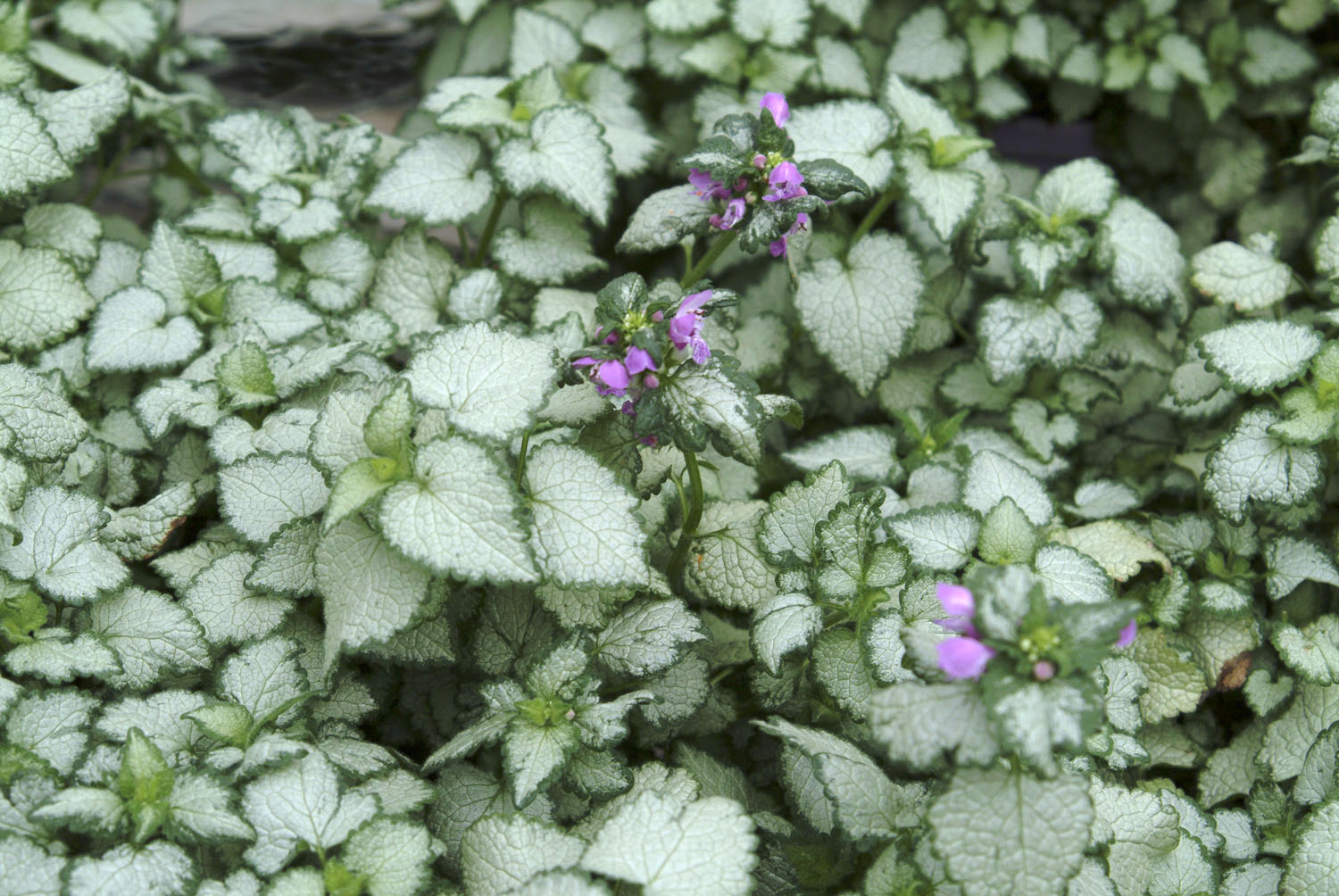
Louise Glück – Lamium

Assim se vive quando se tem um coração frio.
Como eu: nas sombras, arrastando-se sobre a rocha fria,
sob os grandes carvalhos.

O sol mal me toca.
Às vezes o avisto no início da primavera, surgindo muito distante.
Então as folhas crescem sobre ele, ocultando-o completamente. Eu o sinto
brilhando por entre aas folhas, errático,
como alguém batendo na lateral de um copo com uma colher de metal.

Nem todas as criaturas vivas requerem
luz na mesma medida. Alguns de nós
fabricamos nossa própria luz: uma folha de prata
como uma trilha que ninguém pode percorrer; uma rasa
lagoa de prata nas trevas sob os grandes carvalhos.

Mas você já sabe disso.
Você e os outros que acreditam
que vivem de verdade e, por extensão, amam
tudo que é frio.

Trad.: Nelson Santander

Lamium

This is how you live when you have a cold heart.
As I do: in shadows, trailing over cool rock,
under the great maple trees.

The sun hardly touches me.
Sometimes I see it in early spring, rising very far away.
Then leaves grow over it, completely hiding it. I feel it
glinting through the leaves, erratic,
like someone hitting the side of a glass with a metal spoon.

Living things don’t all require
light in the same degree. Some of us
make our own light: a silver leaf
like a path no one can use, a shallow
lake of silver in the darkness under the great maples.

But you know this already.
You and the others who think
you live for truth and, by extension, love
all that is cold.

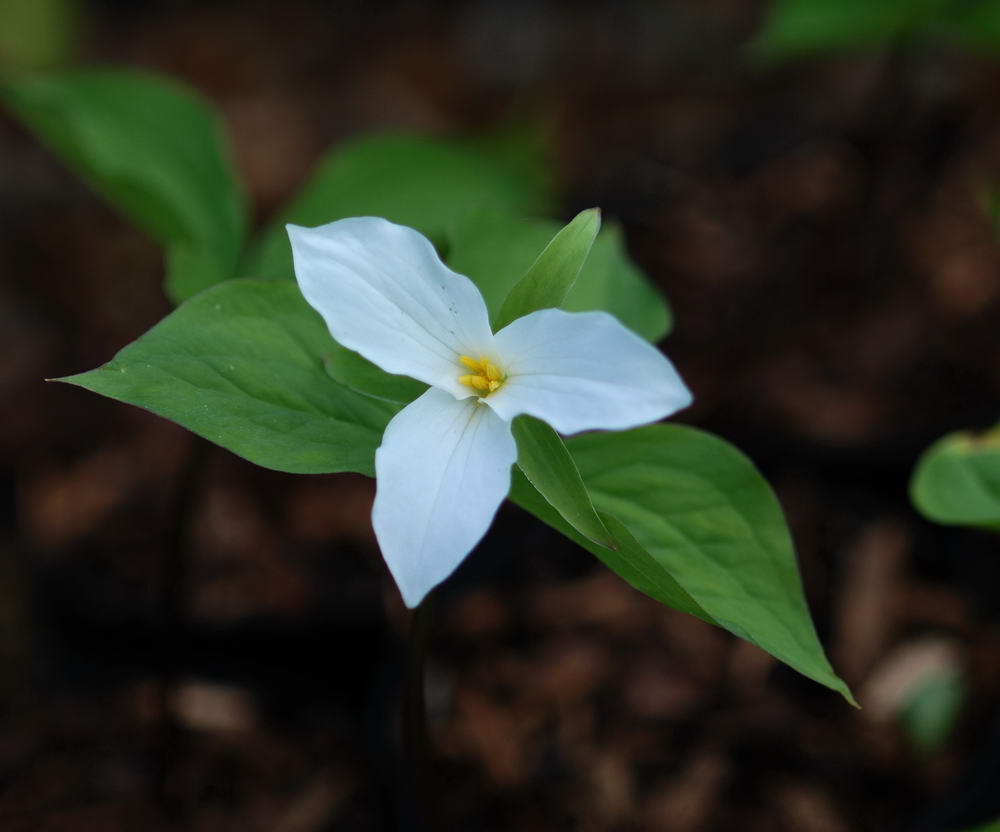
Louise Glück – Trillium*

Quando acordei, estava em uma floresta. A escuridão
parecia natural, o céu entre os pinheiros
repleto de muitas luzes.

Eu não sabia nada; eu não podia fazer nada além de olhar.
E enquanto observava, todas as luzes do céu
se apagaram para formar uma única coisa, um fogo
ardendo por entre os frescos abetos.
Então, não era mais possível olhar
para o céu e não ser destruído.

Há almas que necessitam
da presença da morte, como eu preciso de proteção?
Acredito que, se eu falar tempo suficiente,
responderei a essa questão, verei
tudo o que eles veem, uma escada
alcançando por entre os abetos, o que
os convoca a mudar suas vidas –

Pense no que já compreendo.
Acordei ignorante em uma floresta;
há apenas um momento, eu não conhecia minha voz,
se alguém me desse uma
ela estaria tão cheia de pesar, minhas frases
seriam como lamentos encadeados.
Eu nem sabia que me sentia triste
até que essa palavra surgiu, até que senti
a chuva fluindo de mim.

Trad.: Nelson Santander

* N. do T.: o Trillium é uma flor da família Melanthiaceae. Uma de suas variedades é conhecida no Brasil pelo nome de Lírio-do-bosque.

Trillium

When I woke up I was in a forest. The dark
seemed natural, the sky through the pine trees
thick with many lights.

I knew nothing; I could do nothing but see.
And as I watched, all the lights of heaven
faded to make a single thing, a fire
burning though the cool firs.
Then it wasn’t possible any longer
to stare at heaven and not be destroyed.

Are there souls that need
death’s presence, as I require protection?
I think if I speak long enough
I will answer that question, I will see
whatever they see, a ladder
reaching through the firs, whatever
calls them to exchange their lives –

Think what I understand already.
I woke up ignorant in a forest;
only a moment ago, I didn’t know my voice
if one were given me
would be so full of grief, my sentences
like cries strung together.
I didn’t even know I felt grief
until that word came, until I felt
rain streaming from me.