Ursula K. Le Guin – Como me parece

No vasto abismo antes do tempo, o eu
não existe, e a alma se mistura
com a névoa, a rocha e a luz. No tempo certo,
a alma atrai o nebuloso eu para o ser.
Então, lentamente, o tempo petrifica o eu
enquanto ilumina a alma,
até que a alma perde o controle do eu
e ambos se libertam e podem retornar
à vastidão e dissolver-se em luz,
a duradoura luz depois do tempo.

Trad.: Nelson Santander

How it seems to me

In the vast abyss before time, self
is not, and soul commingles
with mist, and rock, and light. In time,
soul brings the misty self to be.
Then slow time hardens self to stone
while ever lightening the soul,
till soul can loose its hold of self
and both are free and can return
to vastness and dissolve in light,
the long light after time.

Mary Oliver – O véu

Há momentos em que o véu parece
quase se levantar, e compreendemos o que
a terra significa para nós — as
árvores em sua docilidade, as colinas em
sua paciência, as flores e as
videiras em sua selvagem, doce vitalidade.
A Palavra, então, está em nós, e o
Livro, posto de lado.

Trad.: Nelson Santander

Conheça outros livros de Mary Oliver clicando aqui

The veil

There are moments when the veil seems 
almost to lift, and we understand what
the earth is meant to mean to us—the
trees in their docility, the hills in
their patience, the flowers and the
vines in their wild, sweet vitality.
Then the Word is within us, and the
Book is put away.

Solmaz Sharif – Treinamento de habilidades sociais

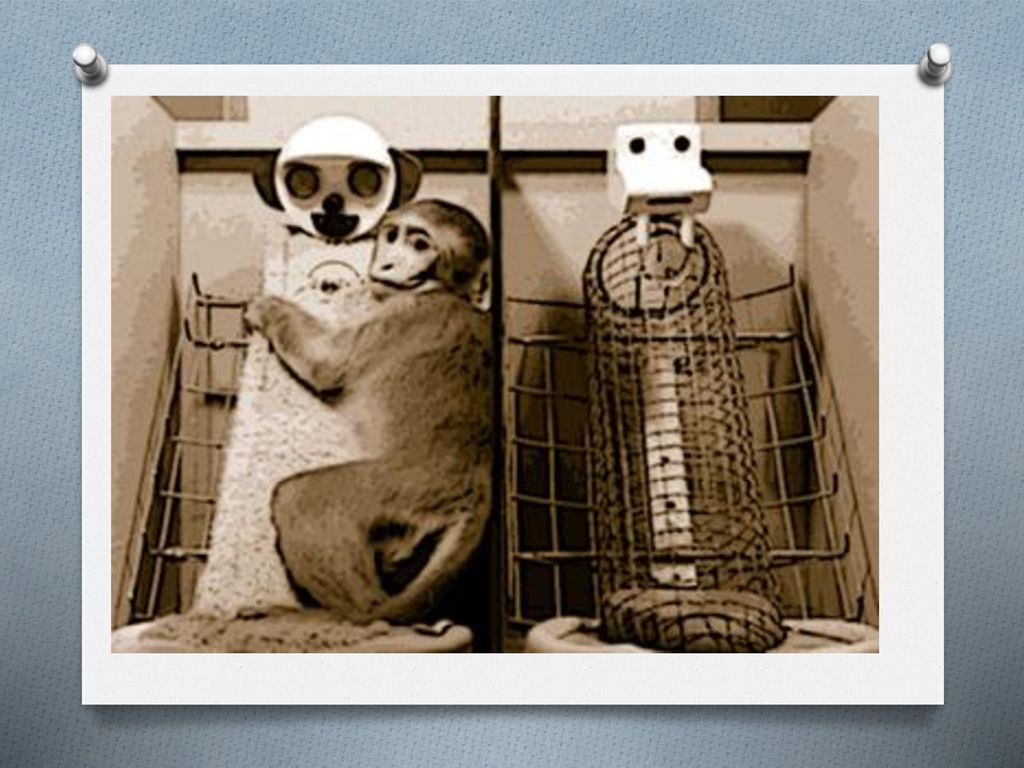
Estudos sugerem que Como posso ajuda-lo, policial? é a coisa mais desarmante a dizer, e não Qual é o problema? Estudos sugerem que a melhor resposta a um pedido de ajuda é Com prazer e não Sem problema. Estudos sugerem que é melhor não mencionar problema diante do poder, mesmo para dizer que não há nenhum. Gloria Steinem diz que as mulheres perdem poder à medida que envelhecem e, no entanto, a voz mais alta na minha cabeça é a da minha mãe. Estudos mostram que a mãe que temos em mente não é a mãe existente. A minha diz: Por que diabos você está chorando? Estudos mostram que o macaquinho escolhe a falsa macaca de pelo falso em vez da macaca de arame sem pelo com leite, incontestavelmente. Estudos mostram que negar algo é pensar nisto da mesma forma. Eu não estou triste. Eu não estou triste. Estudos recomendam regulares manifestações de gratidão e check-ins interiores. Basta, diz a mãe de arame. A história é uma espécie de investigação. A história diz que nós perdoamos o carrasco. Antes de limparmos o sangue, perguntamos: Senhor Juiz, eu o executei corretamente? Estudos sugerem que sim. Por que diabos você está chorando, policial? a mãe de arame me ensina a dizer, enquanto os estudos sugerem Solmaz, você já agradeceu o seu carrasco hoje?

Trad.: Nelson Santander


Social skills training

Studies suggest How may I help you officer? is the single most disarming thing to say and not What’s the problem? Studies suggest it’s best the help reply My pleasure and not No problem. Studies suggest it’s best not to mention problem in front of power even to say there is none. Gloria Steinem says women lose power as they age and yet the loudest voice in my head is my mother. Studies show the mother we have in mind isn’t the mother that exists. Mine says: What the fuck are you crying for? Studies show the baby monkey will pick the fake monkey with fake fur over the furless wire monkey with milk, without contest. Studies show to negate something is to think it anyway. I’m not sad. I’m not sad. Studies recommend regular expressions of gratitude and internal check-ins. Enough, the wire mother says. History is a kind of study. History says we forgave the executioner. Before we mopped the blood we asked: Lord Judge, have I executed well? Studies suggest yes. What the fuck are you crying for, officer? the wire mother teaches me to say, while studies suggest Solmaz, have you thanked your executioner today?  

Louise Glück – Santas

Em nossa família, havia duas santas,
minha tia e minha avó.
Mas suas vidas foram diferentes.

Minha avó era tranquila, mesmo no final.
Ela parecia uma pessoa caminhando em águas calmas;
por alguma razão
o mar não conseguiu feri-la.
Quando minha tia enveredou pelo mesmo caminho,
as ondas quebraram sobre ela, atacaram-na,
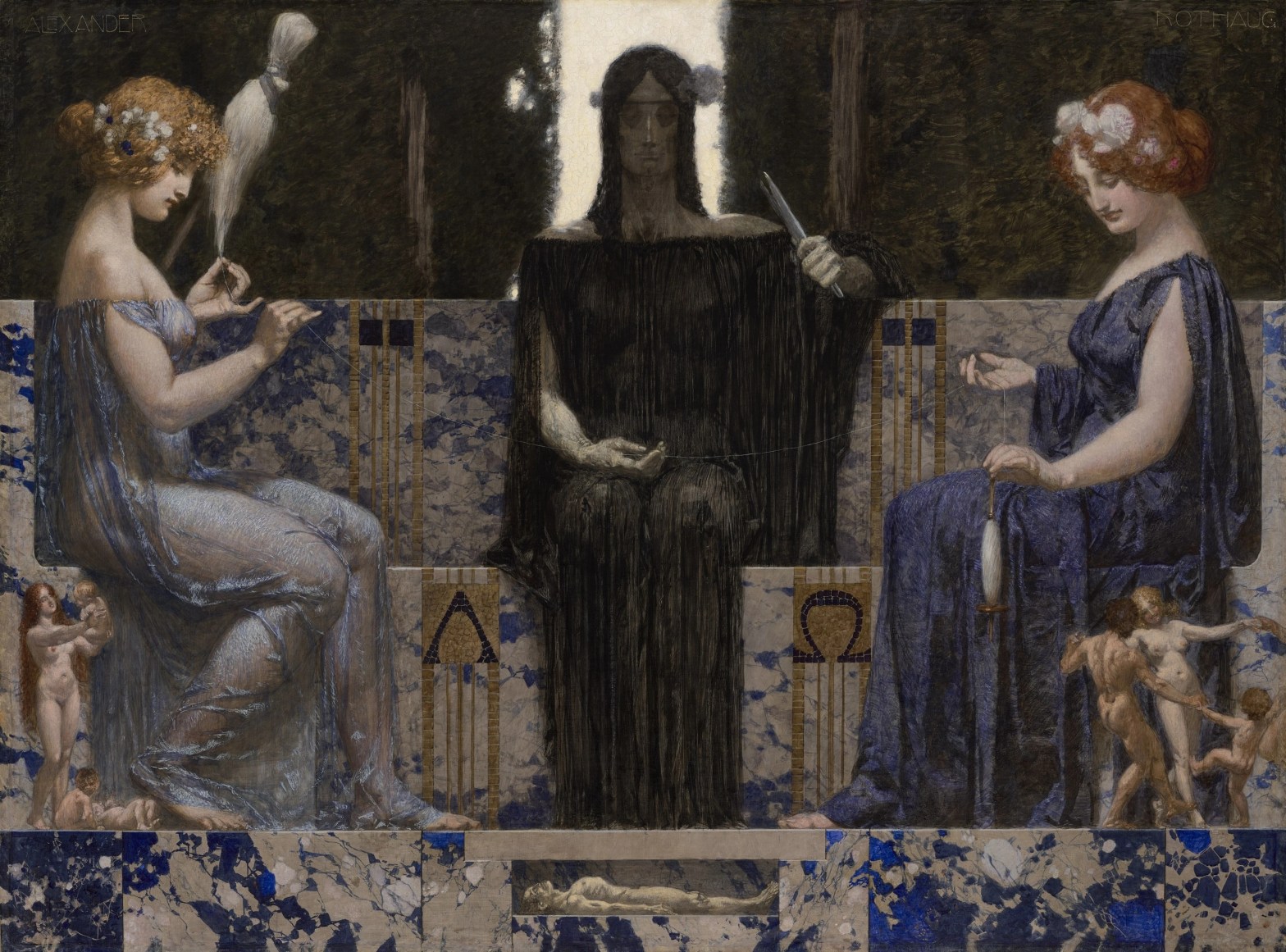
que é como as Fiandeiras do Destino respondem
a uma verdadeira natureza espiritual.

Minha avó era cautelosa, conservadora:
por isso escapou do sofrimento.
Minha tia não escapou de nada;
cada vez que o mar recua, alguém a quem ela ama é levado embora.

Ainda assim, ela não vivenciará
o mar como um mal. Para ela, ele é o que é:
onde toca a terra, ele tem que recorrer à violência.

Trad.: Nelson Santander

Conheça outros livros de Louise Glück clicando aqui

Saints

In our family, there were two saints,
my aunt and my grandmother.
But their lives were different.

My grandmother’s was tranquil, even at the end.
She was like a person walking in calm water;
for some reason
the sea couldn’t bring itself to hurt her.
When my aunt took the same path,
the waves broke over her, they attacked her,
which is how the Fates respond
to a true spiritual nature.

My grandmother was cautious, conservative:
that’s why she escaped suffering.
My aunt’s escaped nothing;
each time the sea retreats, someone she loves is taken away.

Still she won’t experience
the sea as evil. To her, it is what it is:
where it touches land, it must turn to violence.

Mary Oliver – Canção dos construtores

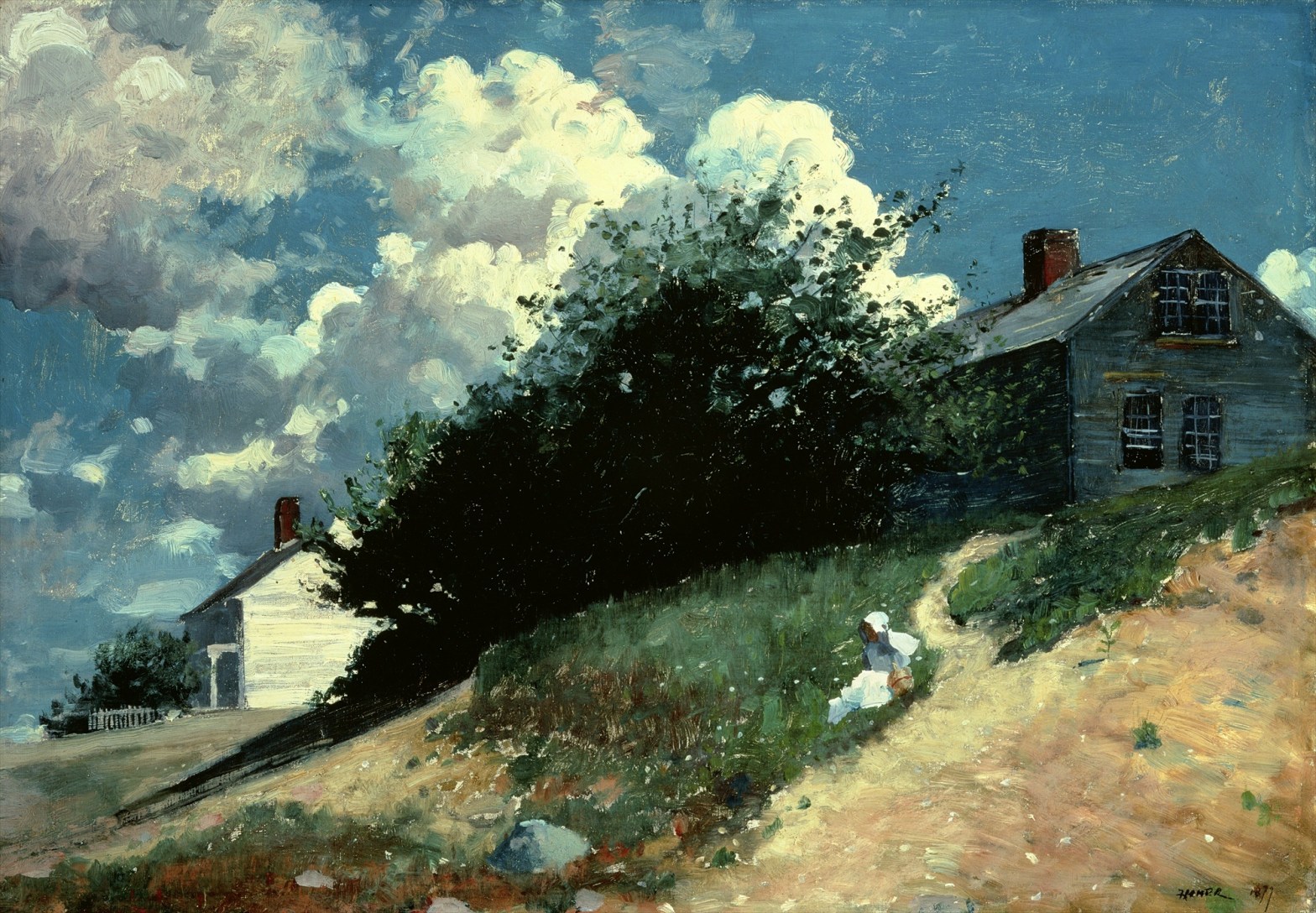
Em uma manhã de verão
sentei-me
em uma encosta
para pensar em Deus—

um nobre passatempo.
Perto de mim, vi
um grilo solitário;
estava movendo os grãos da encosta

de um lado para o outro.
Quão grande era sua energia,
quão humilde o seu esforço.
Esperemos que

seja sempre assim,
cada um de nós avançando
por nossos inexplicáveis caminhos
construindo o universo.

Trad.: Nelson Santander

Conheça outros livros de Mary Oliver clicando aqui

Song of the Builders

On a summer morning
I sat down
on a hillside
to think about God—

a worthy pastime.
Near me, I saw
a single cricket;
it was moving the grains of the hillside

this way and that way.
How great was its energy,
how humble its effort.
Let us hope

it will always be like this,
each of us going on
in our inexplicable ways
building the universe.

Adrienne Rich – Fotografias do Hubble: Após Sappho

Deve ser a visão mais desejada de todas
a pessoa com quem você espera viver e morrer

entrando numa sala, voltando-se para olhar para você, vis-à-vis
Deveria haver ainda algo

mais desejável: a ex-estase das galáxias,
tão afastadas de nós que não há vocabulário

mas equações matemáticas e óticas
que permitem que a visão atravesse o tempo

em liberações e lacerações de luz e poeira,
expostas como uma cavidade corporal, violeta verde lívida e venosa, lindas

— além do bem e do mal como sempre manchadas em sonho
além do remorso, da desilusão, do medo da morte

ou da vida, do ódio
de ordem, do ódio de destruição

além deste amor que agita
o ar toda vez que ela entra na sala

Estas impersonae, como as chamamos,
não irão nos invadir como nas telas do cinema

elas são tão antigas, tão novas, nós não somos para elas
nós olhamos ou não para elas de dentro da nebulosidade leitosa

de nosso oblíquo olhar
mas elas não olham para trás e não podemos feri-las

Trad.: Nelson Santander

Conheça outros livros de Adrienne Rich clicando aqui

Hubble Photographs: after Sapho

It should be the most desired sight of all
the person with whom you hope to live and die

walking into a room, turning to look at you, sight for sight
Should be yet I say there is something

more desirable: the ex-stasis of galaxies
so out from us there’s no vocabulary

but mathematics and optics
equations letting sight pierce through time

into liberations, lacerations of light and dust
exposed like a body’s cavity, violet green livid and venous, gorgeous

—beyond good and evil as ever stained into dream
beyond remorse, disillusion, fear of death

or life, rage
for order, rage for destruction

beyond this love which stirs
the air every time she walks into the room

These impersonae, however we call them
won’t invade us as on movie screens

they are so old, so new, we are not to them
we look at them or don’t from within the milky gauze

of our tilted gazing
but they don’t look back and we cannot hurt them

Edward Field – Ícaro

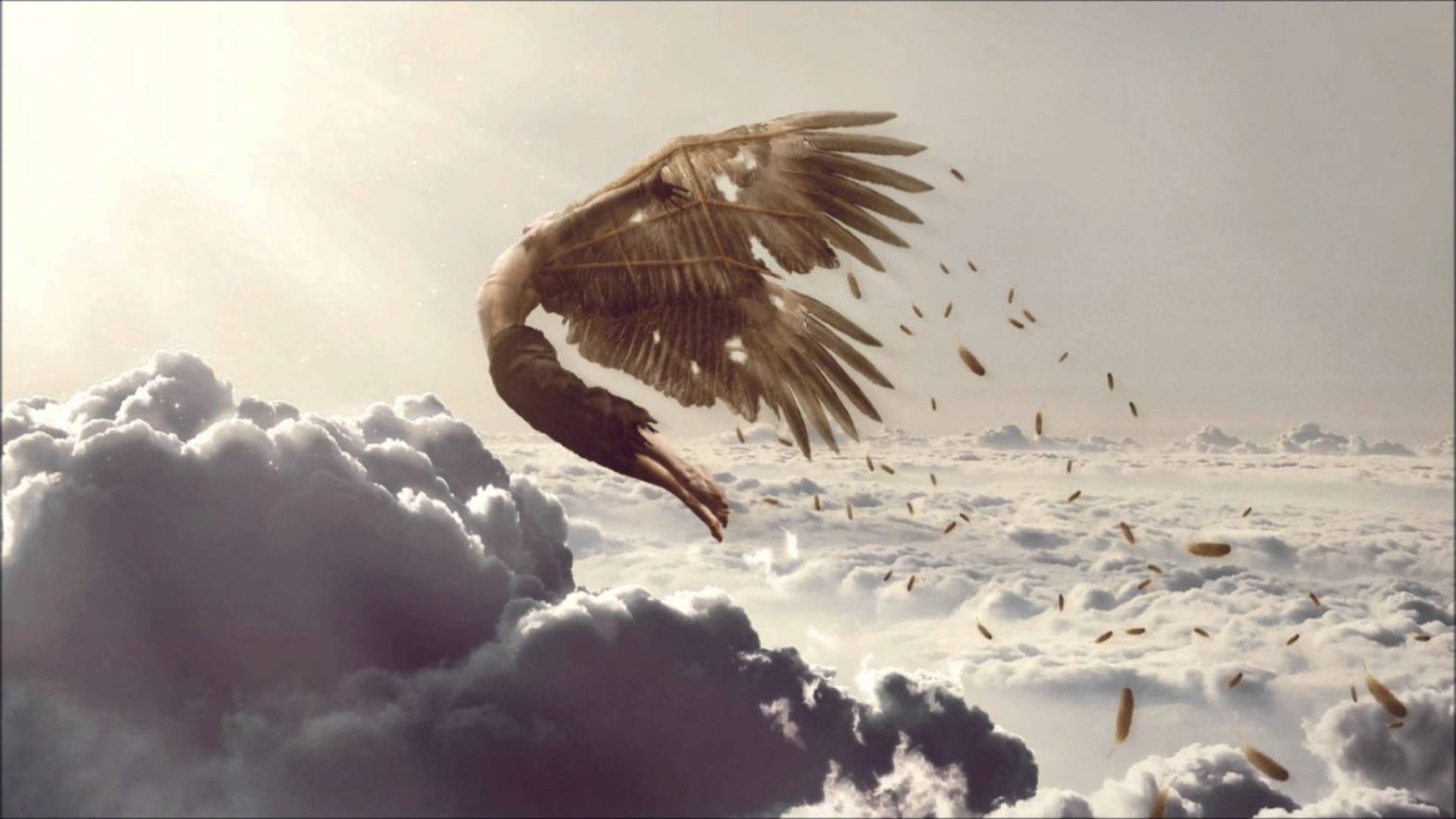
Apenas as penas flutuando ao redor do chapéu
Mostravam que algo mais espetacular havia ocorrido
Além do afogamento habitual. A polícia preferiu ignorar
Os aspectos confusos do caso
E as testemunhas correram para uma guerra de gangues.
Assim, o relatório arquivado e esquecido nos registros dizia simplesmente
“Afogado,” mas estava errado: Ícaro
Tinha nadado para longe, chegando finalmente à cidade
Onde alugou uma casa e passou a cuidar de um jardim.

“Aquele simpático Sr. Hicks”, os vizinhos diziam,
Sem sonhar que aquele terno cinza e respeitável
Ocultava braços que haviam controlado enormes asas e
Que aqueles olhos tristes e derrotados tinham outrora
Compelido o sol. E se ele tivesse lhes contado
Eles teriam reagido com um olhar
surpreso e incompreensível.
Não, ele não poderia perturbar seus impecáveis quintais;
No entanto, todos os seus livros insistiam que isto era um terrível equívoco:
O que fazia ele envelhecendo em um subúrbio?
Pode o gênio do herói decair
Para a estatura mediana do meramente talentoso?

E todas as noites Ícaro examina seu ferimento
E diariamente, em sua oficina, cortinas cuidadosamente cerradas,
Constrói pequenas asas e tenta voar
Até a luminária do teto:
Falha todas as vezes e se odeia por tentar.
Ele se achava um herói, que tinha agido heroicamente,
E sonhava com sua queda, a trágica queda do herói;
Mas agora viaja em trens metropolitanos,

Serve em vários comitês,
E gostaria de ter-se afogado.

Trad.: Nelson Santander

Icarus

Only the feathers floating around the hat
Showed that anything more spectacular had occurred
Than the usual drowning. The police preferred to ignore
The confusing aspects of the case,
And the witnesses ran off to a gang war.
So the report filed and forgotten in the archives read simply
“Drowned,” but it was wrong: Icarus
Had swum away, coming at last to the city
Where he rented a house and tended the garden.

“That nice Mr. Hicks” the neighbors called,
Never dreaming that the gray, respectable suit
Concealed arms that had controlled huge wings
Nor that those sad, defeated eyes had once
Compelled the sun. And had he told them
They would have answered with a shocked,
uncomprehending stare.
No, he could not disturb their neat front yards;
Yet all his books insisted that this was a horrible mistake:
What was he doing aging in a suburb?
Can the genius of the hero fall
To the middling stature of the merely talented?

And nightly Icarus probes his wound
And daily in his workshop, curtains carefully drawn,
Constructs small wings and tries to fly
To the lighting fixture on the ceiling:
Fails every time and hates himself for trying.
He had thought himself a hero, had acted heroically,
And dreamt of his fall, the tragic fall of the hero;
But now rides commuter trains,

Serves on various committees,
And wishes he had drowned.

Joan Margarit – Separado

A casa se abre para uma calçada
onde não me espera ninguém.
Aqui sem ti. Um estranho.
Foi aqui que eu me perdi.
Caminho sem mim, contigo.
Minha sombra é apenas um erro,
vem dos lugares mais gélidos:
teu coração e tuas mãos.
Por isso eu parti.
A vida desconhecida
eu a vivi sem ti.
A teu lado.

Trad.: Nelson Santander

Separado

La casa se abre a una acera
donde no me espera nadie.
Aquí sin ti. Un extraño.
Fue aquí donde me extravié.
Paseo sin mí, contigo.
Mi sombra es sólo un error,
viene de sitios más gélidos:
tu corazón y tus manos. 
Es por lo que me marché.
La vida desconocida
yo la he vivido sin ti.
A tu lado.

Lynn Ungar – Pandemia

E se pensasses nisso
da mesma forma que os judeus consideram o Sabbath —
o mais sagrado dos tempos?
Cessa com as viagens.
Cessa com as compras e as vendas.
Desiste, por enquanto,
de tentar fazer o mundo
diferente do que é.
Canta. Reza. Toca apenas aqueles
a quem confias tua vida.
Alcança o equilíbrio.

E quando teu corpo estiver imóvel,
expande o teu coração.
Compreende que todos estamos conectados
de maneiras assustadoras e belas.
(Dificilmente poderias nega-lo agora.)
Compreende que nossas vidas
estão nas mãos uns dos outros.
(Certamente isso ficou claro.)
Não estendas tuas mãos.
Expande o teu coração.
Expande tuas palavras.
Expande todos os tentáculos
de compaixão que se movem, invisivelmente,
onde não podemos alcançar.

Promete a este mundo o teu amor –
na alegria e na tristeza,
na saúde e na doença,
até que a morte nos separe.

Trad.: Nelson Santander

Pandemic

What if you thought of it
as the Jews consider the Sabbath—
the most sacred of times?
Cease from travel.
Cease from buying and selling.
Give up, just for now,
on trying to make the world
different than it is.
Sing. Pray. Touch only those
to whom you commit your life.
Centre down.

And when your body has become still,
reach out with your heart.
Know that we are connected
in ways that are terrifying and beautiful.
(You could hardly deny it now.)
Know that our lives
are in one another’s hands.
(Surely, that has come clear.)
Do not reach out your hands.
Reach out your heart.
Reach out your words.
Reach out all the tendrils
of compassion that move, invisibly,
where we cannot touch.

Promise this world your love–
for better or for worse,
in sickness and in health,
so long as we all shall live.

Carolyn Forché – Dois poemas

Penso em você naquele mar de túmulos além da cidade,
onde muitas pedras foram deixadas, entre elas

a minha: uma pequena lasca de dolomita para pesar um pedaço de papel.
Eu teria colocado suas luvas e o guarda-chuva no caixão,

juntamente com uma manhã em Berlin com Tanya, uma hora
de pombos ascendendo ao seu redor, lilases embrulhados em jornais,

um minuto nas barricadas, outro cavalgando
nos ombros do seu pai através da plantação de alho, até os cigarros

que sobraram da ocupação eu teria colocado lá.
Em vez disso, este caderno, uma caneta cheia de tinta, e aquele curto

poema de Hölderlin que você amava, para que pudessem virar fumaça
juntos: você, o caderno, a caneta, o poema de Hölderlin.

Na sequência, você é uma emulsão sobre papel, um cadáver ouvindo debaixo
da terra um trem rompendo uma polaroide de nuvens.

Foi Joseph quem disse que, por toda a eternidade, Veneza aconteceria apenas uma vez.
Você, portanto, é um fantasma seguindo um fantasma voltando para sua única vida.

Ou como você diz agora: havia muitas cidades, mas nunca uma cidade duas vezes.

*

No fim

Neste arquipélago de pensamento um nevoeiro surge, sirenes de navios para navios
invisíveis, um ano
se passando, o choro de um ano sem saber onde, alguém que você
conheceu

parado no final, aquele que você era então, um pequeno frisson de reconhecimento,
e então, sem mais nem menos — simplesmente desapareceu, e ninguém por horas, um som que você pensou

ter ouvido

mas que, na escuridão, desperto, não é ouvido novamente, duas batidas violentas na
porta, era
a morte, você disse, mas agora é nada, as ilhas, lugares em que você já esteve, o mar
o incerto,

cheio de fantasmas chamando, perdidos como eles estão, ninguém que você conheceu em sua vida, a
lua sobre

tudo, como a luz no fundo da abertura de um poço no gélido ar

em que você mergulhou e retornou, luz, não mais acorrentado
ao seu próprio passado, e que não fosse pelo clima de transe, de trevas e
neblina, você poderia ver

tudo de uma só vez: todas as ilhas, cada momento que você viveu ou lugar
em que esteve,
sem confusão ou perplexidade, e você seria uma pessoa. Você seria
uma pessoa novamente.

Trad.: Nelson Santander


Two Poems

I think of you in that sea of graves beyond the city,
where many stones have been left, among them,

mine: a little piece of dolomite to weigh down a slip of paper.
I would have put your gloves and umbrella in the coffin,

along with one more morning in Berlin with Tanya, an hour
of pigeons rising around you, lilacs wrapped in news

stories, a minute at the barricades, another riding
on your father’s shoulders through the garlic fields, even cigarettes

left over from the occupation I would have placed there.
Instead, this notebook, a pen full of ink, and that short

poem by Hölderlin you loved, so you could go up in smoke
together: you, the notebook, the pen, the poem by Hölderlin.

In the aftermath, you are emulsion on paper, a corpse listening beneath
the ground to a train passing through a polaroid of clouds.

It was Joseph who said that for all eternity, Venice would happen only once.
You are a ghost then, following a ghost back through its only life.

Or as you say now: there were many cities, but never a city twice.

*

Toward the end

In this archipelago of thought a fog descends, horns of ships to unseen
ships, a year
passing overhead, the cry of a year not knowing where, someone standing
in the aftermath

who once you knew, the one you were then, a little frisson of recognition,
and then just like that—gone, and no one for hours, a sound you thought

you heard

but in the waking darkness is not heard again, two sharp knocks on the
door, death
it was, you said, but now nothing, the islands, places you have been, the sea
the uncertain,

full of ghosts calling out, lost as they are, no one you knew in your life, the
moon above

the whole of it, like the light at the bottom of a well opening in iced air

where you have gone under and come back, light, no longer tethered
to your own past, and were it not for the weather of trance, of haze and
murk, you could see

everything at once: all the islands, every moment you have lived or place
you have been,
without confusion or bafflement, and you would be one person. You would
be one person again.