Ellen Bass – Pinheiros de Ponary

Pinheiros de Ponary

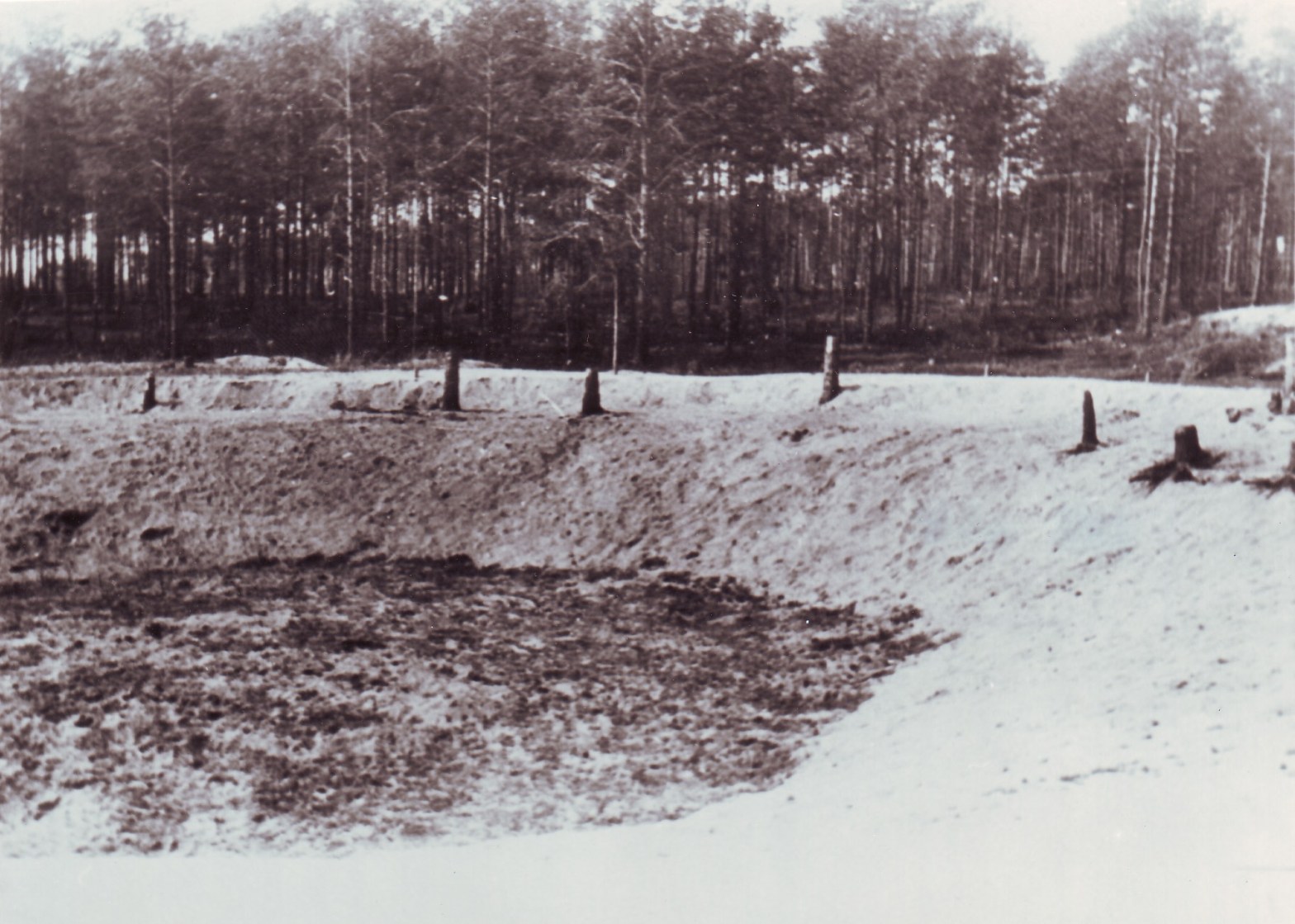
Cem mil pessoas foram assassinadas pelos nazistas em Ponary, dez quilômetros a sudoeste de Vilnius, onde minha avó nasceu.

Hoje está cinzento, garoa,
mas não o suficiente para que as gotas se acumulem
nas pontas das agulhas de prata
ou para encharcar as cascas dos pinheiros de Ponary –
alguns deles com mais de um século.
Eles estavam aqui quando
os trens circulavam sobre os trilhos
dormentes. E antes de adentrar
três metros na floresta, eu ouço o som.
Claro. Tinha que existir um trem.
Mas eu não esperava que ainda funcionasse
assim, as pessoas
entrando e saindo com seus pacotes.
Eu não havia pensado no cheiro de resina se espalhando na tarde fria. As árvores
avançam até a borda
dos fossos onde os judeus eram abatidos
de forma que seus corpos caíssem
com eficiência. Seus ramos não puderam salvar
ninguém. Suas agulhas ofereceram oxigênio
às vítimas e aos verdugos, da mesma forma.

Trad.: Nelson Santander

Pines at Ponary

One hundred thousand people were murdered by the Nazis at Ponary, ten kilometers southwest of Vilnius, where my grandmother was born.

Today is gray, drizzling,
but not enough for drops to pool
on the tips of the silver needles
or soak the bark of the pines at Ponary –
some of them more than a century old.
They were here when
the trains wheeled on numb
rails. And before I have gone
ten feet into the forest, I hear the sound.
Of course. There would have to be a train.
But I hadn’t expected it still to run
like this, people
getting off and on with their packages.
I hadn’t thought of the scent of resin spilling into the cold afternoon. The trees
step to the rim
of the pits where Jews were shot
so the bodies fell in
efficiently. Their branches could save
no one. Their needles offered oxygen
to victims and executioners, the same.
Anne Sexton – Para um amigo que alcançou o sucesso no trabalho

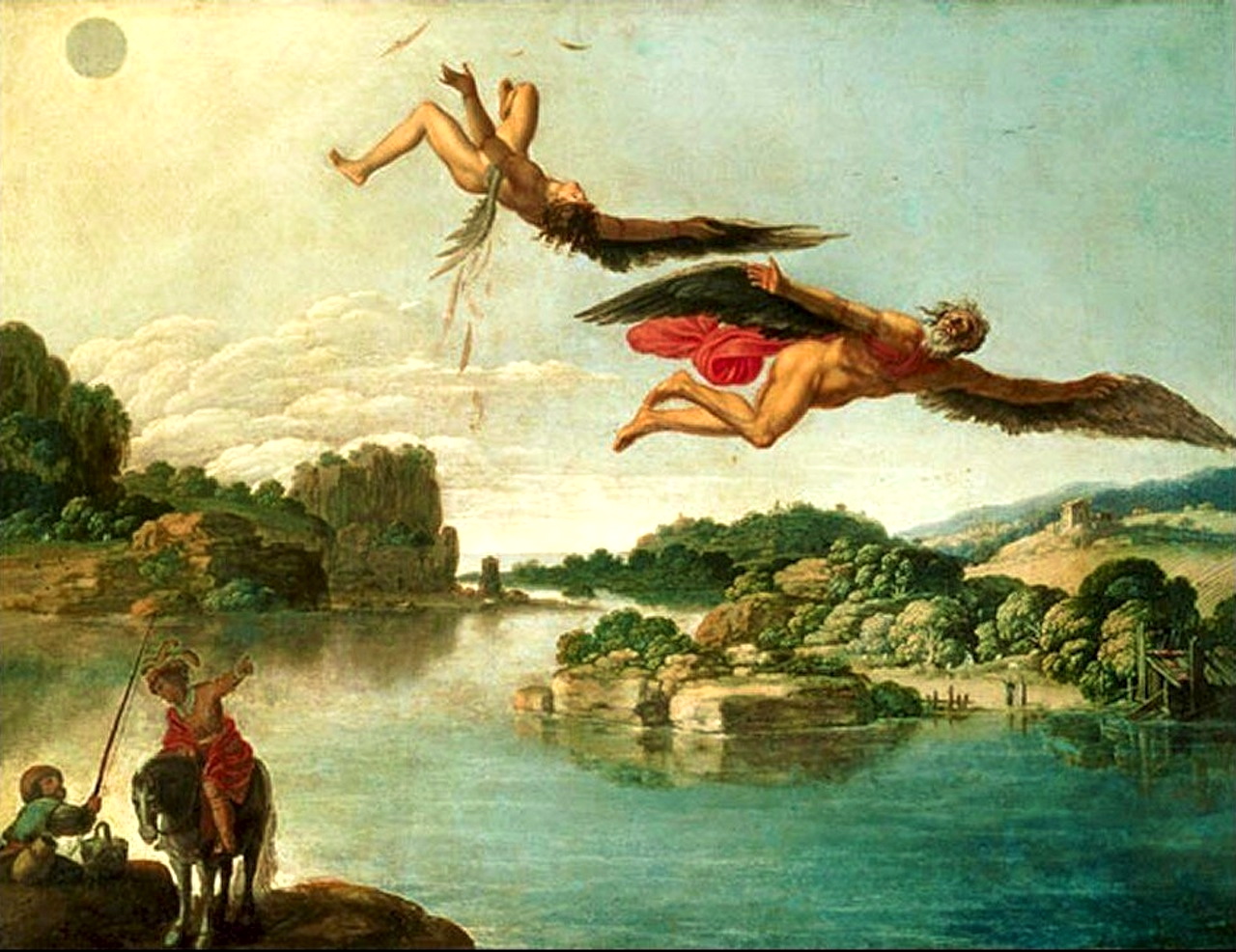
Considere Ícaro, colando aquelas asas viscosas,
experimentando aquele estranho puxão em suas omoplatas,
e pense naquele primeiro impecável momento sobre o gramado
do labirinto. Pense em como isso fez diferença!
Lá embaixo encontram-se as árvores, tão desajeitadas quanto os camelos;
e aqui, os estupefatos estorninhos que passam
e pensam que o inocente Ícaro está indo muito bem:
maior do que uma vela mestra, sobre a névoa e as explosões
do aveludado oceano, ele vai. Admire suas asas!
Sinta o fogo em sua nuca e observe como ele casualmente
olha para cima e é capturado e maravilhosamente perfurado
por aquele olho escaldante. Quem se importa que ele caiu no mar?
Veja-o aclamando o sol e mergulhando
enquanto seu sensato pai vai direto para a cidade.

Trad.: Nelson Santander

To a Friend Whose Work Has Come to Triumph

Consider Icarus, pasting those sticky wings on,
testing that strange little tug at his shoulder blade,
and think of that first flawless moment over the lawn
of the labyrinth. Think of the difference it made!
There below are the trees, as awkward as camels;
and here are the shocked starlings pumping past
and think of innocent Icarus who is doing quite well:
larger than a sail, over the fog and the blast
of the plushy ocean, he goes. Admire his wings!
Feel the fire at his neck and see how casually
he glances up and is caught, wondrously tunneling
into that hot eye. Who cares that he fell back to the sea?
See him acclaiming the sun and come plunging down
while his sensible daddy goes straight into town.

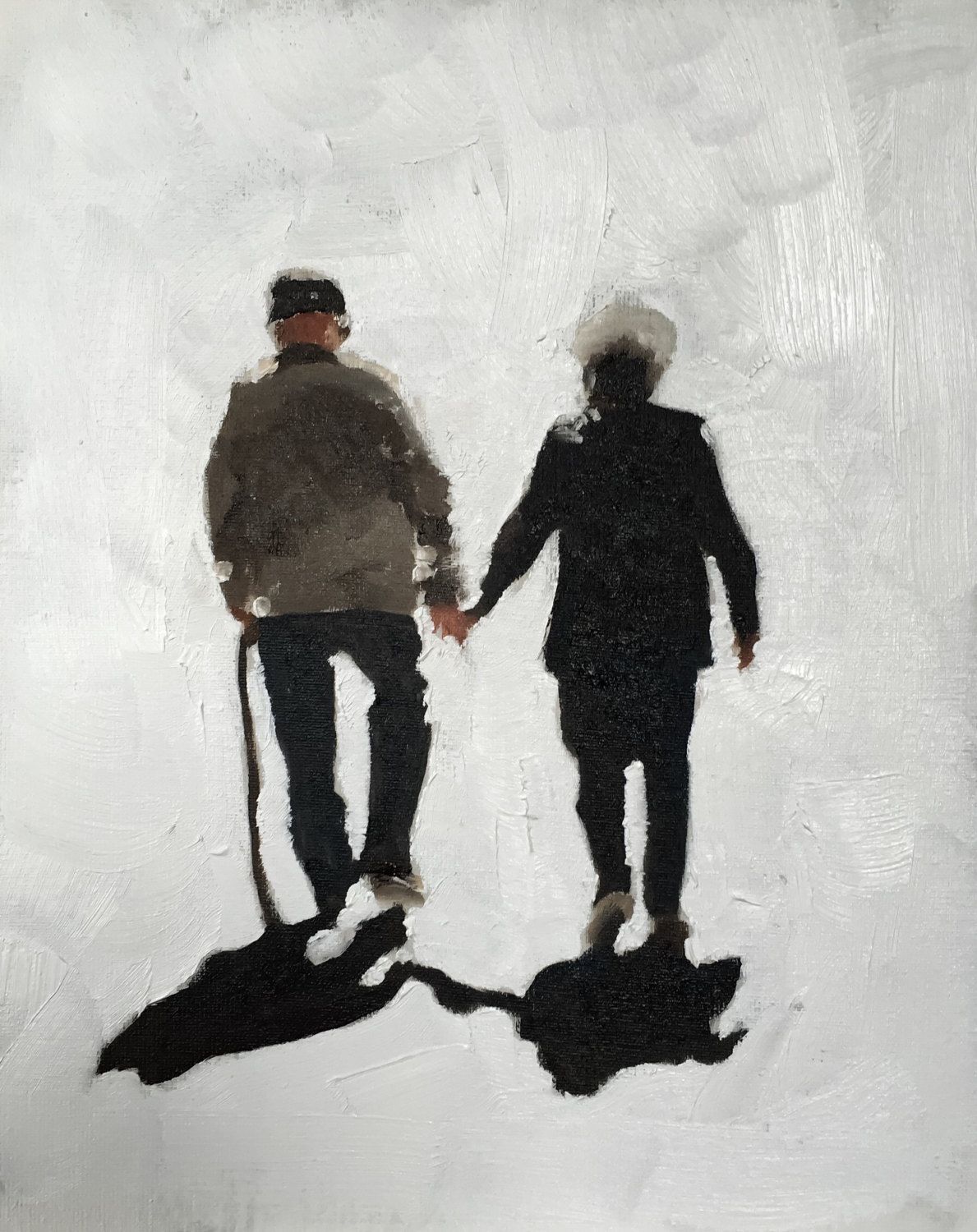
Miller Williams – Um poema para Emily

Fatos e dedos pequenos e o mais distante de minha vez
na terra, a um palmo e duas gerações de mim afastada,
neste ainda presente eu tenho cinquenta e três.
Você, nem vinte e quatro horas completadas.

Quando eu tiver sessenta e três, e você, dez completos,
e você não estiver nem longe nem perto de mim
seus braços se encherão de saberes, de afetos,
e da aritmética que fazemos e somos, enfim.

Quando, por sangue e sorte, eu tiver mais de oitenta
e você trinta e três e em um outro abrigo
acreditando em sexo, política e água-benta
com filhos que não se parecem nada comigo,

sei que, em alguma momento, você irá ler
essas linhas para que eles saibam que já
os amo, e que amo a mãe deles. Filhos, o que
quer que seja é sempre ou nunca foi. Que há

alguns anos, um dia, observando-a um pouco, ao lado
de sua cama, rascunhei essas palavras, algo que pudesse
ser guardado por um tempo, para dizer-lhe o que eu teria falado
quando você se tornasse sabe-se lá o que e eu estivesse
morto, ou seja, ali fiquei, a amei e seu sono velei com cuidado.

Trad.: Nelson Santander

A poem for Emily

Small fact and fingers and farthest one from me,
a hand’s width and two generations away,
in this still present I am fifty-three.
You are not yet a full day.

When I am sixty-three, when you are ten,
and you are neither closer nor as far,
your arms will fill with what you know by then,
the arithmetic and love we do and are.

When I by blood and luck am eighty-six
and you are someplace else and thirty-three
believing in sex and God and politics
with children who look not at all like me,

sometime I know you will have read them this
so they will know I love them and say so
and love their mother. Child, whatever is
is always or never was. Long ago

a day I watched awhile beside your bed,
I wrote this down, a thing that might be kept
awhile, to tell you what I would have said
when you were who knows what and I was dead
which is I stood and loved you while you slept.

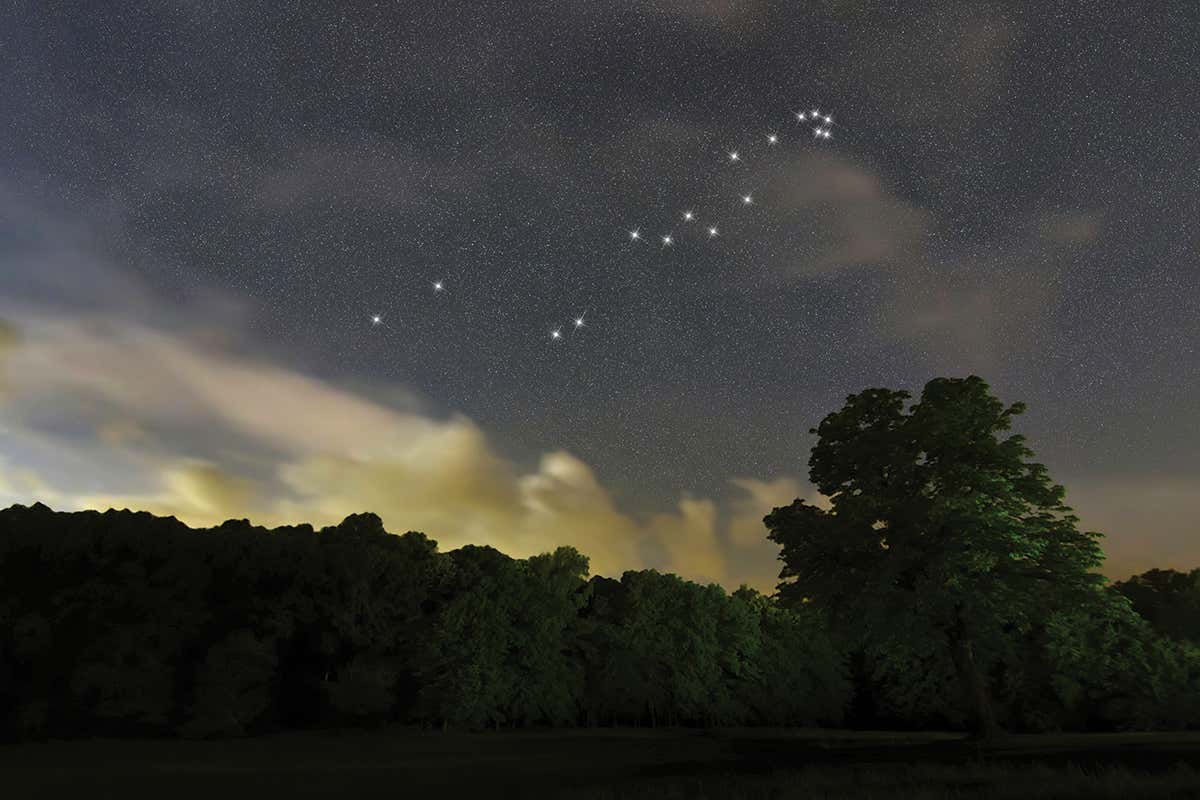
Dan Gerber – Para Deneb


Tão impossivelmente distante,
dizem os eruditos astrônomos,
mais remota
do que qualquer outra Coisa que
eu já tenha visto,
calorosa companheira de uma noite de verão,
um quarto de milhão de vezes
a luz do nosso sol,
obliterando os quatrilhões
de milhas da escuridão à sua volta,
ainda assim tão familiar,
tão em casa com as estrelas do nosso bairro,
aqui na cauda do Cisne,
tão serena em seu ménage com a Águia
e a ainda resplandecente Lyra.

Trad.: Nelson Santander

To Deneb

So impossibly distant,
the learned astronomers tell me,
more remote
than any one Thing
I’ve ever seen,
fond companion of a summer night,
a quarter-million times
the light of our sun,
obliterating the darkness
quadrillions of miles around you,
yet so familiar,
so at home with our neighborhood stars,
here in the tail of the Swan,
so serene in your ménage with the Eagle
and the still-shining Lyre.

Joan Margarit – Ser velho

Entre as sombras dos galos
e dos cachorros dos pátios e currais
de Sanaüja, abre-se um buraco
que se enche de tempo perdido e chuva suja
enquanto as crianças caminham para a morte.
Ser velho é uma espécie de pós-guerra.
Sentados à mesa da cozinha,
limpando as lentilhas
ao anoitecer do braseiro,
vejo os que me amaram.
Tão pobres que no fim daquela guerra
tiveram que vender o miserável
vinhedo e aquele frio casarão.
Ser velho significa que a guerra acabou.
É saber onde estão os abrigos, hoje inúteis.

Trad.: Nelson Santander

Ser viejo

Entre las sombras de los gallos
y los perros de patios y corrales
de Sanaüja, se abre un agujero
que se llena con tiempo perdido y lluvia sucia
cuando los niños van hacia la muerte.
Ser viejo es una especie de posguerra.
Sentados a la mesa en la cocina,
limpiando las lentejas
en los anocheceres de brasero,
veo a los que me amaron.
Tan pobres que al final de aquella guerra
tuvieron que vender el miserable
viñedo y aquel frío caserón.
Ser viejo es que la guerra ha terminado.
Es saber dónde están los refugios, hoy inútiles.

Jane Hirshfield – Otimismo

Tenho admirado a resiliência cada vez mais.
Não a simples resistência de um travesseiro, cuja espuma
sempre volta ao mesmo formato, mas a sinuosa
tenacidade de uma árvore: ao encontrar a luz recém-bloqueada em um dos lados,
ela se volta para o outro. Uma inteligência cega, é verdade.
Mas de tal persistência surgiram tartarugas, rios,
mitocôndrias, figos — todo este resinoso e irrevogável planeta.

Trad.: Nelson Santander

Optimism

More and more I have come to admire resilience.
Not the simple resistance of a pillow, whose foam
returns over and over to the same shape, but the sinuous
tenacity of a tree: finding the light newly blocked on one side,
it turns in another. A blind intelligence, true.
But out of such persistence arose turtles, rivers,
mitochondria, figs — all this resinous, unretractable earth.

Moya Cannon – Mãos

Mãos

para Eamonn and Kathleen

Estava em algum lugar sobre a costa nordeste do Brasil,
sobre Fortaleza, uma cidade da qual nada sei,
exceto que é cheia de pessoas —
a vida de cada uma delas um mistério
maior do que a Amazônia —
foi lá, enquanto o avião de brinquedo no monitor de voo
sobrevoava a linha do equador
e se voltava para o leste, em direção a Marrakech,
que comecei a pensar novamente em mãos,
em como é estranho que nossas vidas –
a vida da garota francesa ruiva à minha esquerda,
a vida do rapaz argentino à minha direita,
minha vida, e as vidas de todos os passageiros adormecidos,
que estão sendo transportados velozmente pela escuridão
sobre o escuro Atlântico –
todas essas vidas estejam agora
nas mãos do piloto,
na consciência do piloto,
e a pensar em outras mãos que podem sustentar as nossas vidas,
as mãos do cirurgião
que encontrarei novamente quando voltar para casa,
as mãos da enfermeira de cabelos negros
que desenrolou o cordão umbilical do meu pescoço,
as mãos macias de minha mãe,
as mãos daqueles
que me amaram,
até parecer que a isso
se resume uma vida humana:
ser passada de mão em mão,
ser conduzida, de maneira improvável, sobre um oceano.

Trad.: Nelson Santander

Hands

for Eamonn and Kathleen

It was somewhere over the north-eastern coast of Brazil,
over Fortaleza, a city of which I know nothing,
except that it is full of people –
the life of each one a mystery
greater than the Amazon —
it was there, as the toy plane on the flight monitor
nudged over the equator
and veered east towards Marrakech,
that I started to think again of hands,
of how strange it is that our lives –
the life of the red-haired French girl to my left,
the life of the Argentinian boy to my right,
my life, and the lives of all the dozing passengers,
who are being carried fast in the dark
over the darkened Atlantic –
all of these lives are now being held
in the hands of the pilot,
in the consciousness of the pilot,
and I think of other hands which can hold our lives,
the hands of the surgeon
whom I will meet again when I return home,
the hands of the black-haired nurse
who unwound the birth-cord from my neck,
the soft hands of my mother,
the hands of those others
who have loved me,
until it seems almost
as though this is what a human life is:
to be passed from hand to hand,
to be borne up, improbably, over an ocean.

Ada Limón – Estrelas extintas

Aqui fora, até as árvores se curvam.
A mão gelada do inverno nas costas de todos nós.
Casca escura, folhas amarelas escorregadias, uma espécie de quietude
tão silenciosa que parece pertencer a outra era.

Ultimamente, sou uma morada de aranhas: um ninho de tentativas.

Apontamos para as estrelas que compõem Órion enquanto levamos o lixo
pra fora, os contêineres coletores, uma canção de trovão suburbano.

É quase romântico enquanto ajustamos a lixeira azul
encerada, até que você diz, Cara, nós deveríamos mesmo aprender
algumas novas constelações.

E é verdade. Sempre esquecemos de Antlia, Centaurus,
Draco, Lacerta, Hydra, Lyra, Lynx.

Mas sobretudo estamos esquecendo que também somos estrelas extintas, minha boca está cheia
de poeira e eu desejo recuperar a ascensão —

inclinarmo-nos juntos sobre os refletores dos postes de iluminação, em direção
ao que temos de maior dentro de nós, em direção a como nós nascemos.

Veja, não somos coisas espetaculares.
Nós chegamos até aqui, e sobrevivemos. O que

aconteceria se decidíssemos sobreviver mais? Amar mais?

E se nos erguêssemos com nossas sinapses e corpos e disséssemos: Não.
Não, à onda crescente.

Pelas inúmeras bocas sem vozes do mar, da terra?

O que aconteceria se usássemos nossos corpos para barganhar

pela segurança dos outros, pela terra,
se proclamássemos uma noite limpa, se deixássemos o medo de lado,

se lançássemos nossas demandas para o céu, e nos tornássemos tão grandes
que as pessoas pudessem apontar para nós com as setas que elas criam em suas mentes,

rolando suas latas de lixo pra fora, depois que tudo isso passar?

Trad.: Nelson Santander

Dead Stars

Out here, there’s a bowing even the trees are doing.
Winter’s icy hand at the back of all of us.
Black bark, slick yellow leaves, a kind of stillness that feels
so mute it’s almost in another year.

I am a hearth of spiders these days: a nest of trying.

We point out the stars that make Orion as we take out
the trash, the rolling containers a song of suburban thunder.

It’s almost romantic as we adjust the waxy blue
recycling bin until you say, Man, we should really learn
some new constellations.

And it’s true. We keep forgetting about Antlia, Centaurus,
Draco, Lacerta, Hydra, Lyra, Lynx.

But mostly we’re forgetting we’re dead stars too, my mouth is full
of dust and I wish to reclaim the rising—

to lean in the spotlight of streetlight with you, toward
what’s larger within us, toward how we were born.

Look, we are not unspectacular things.
We’ve come this far, survived this much. What

would happen if we decided to survive more? To love harder?

What if we stood up with our synapses and flesh and said, No.
No, to the rising tides.

Stood for the many mute mouths of the sea, of the land?

What would happen if we used our bodies to bargain

for the safety of others, for earth,
if we declared a clean night, if we stopped being terrified,

if we launched our demands into the sky, made ourselves so big
people could point to us with the arrows they make in their minds,

rolling their trash bins out, after all of this is over?

Robert Frost – Nada que é de ouro pode permanecer

No mundo, o ouro é o verde elementar,
Sua matiz mais difícil de conservar.
A flor é a sua inaugural semente;
Não obstante por um instante somente.

Depois, folha desaparece sob folha.
E assim, no pesar o Paraíso mergulha,
E a aurora se transforma em amanhecer.
Nada que é de ouro pode permanecer.

Trad.: Nelson Santander

Nothing gold can stay

Nature’s first green is gold,
Her hardest hue to hold.
Her early leaf’s a flower;
But only so an hour.

Then leaf subsides to leaf,
So Eden sank to grief,
So dawn goes down to day.
Nothing gold can stay.

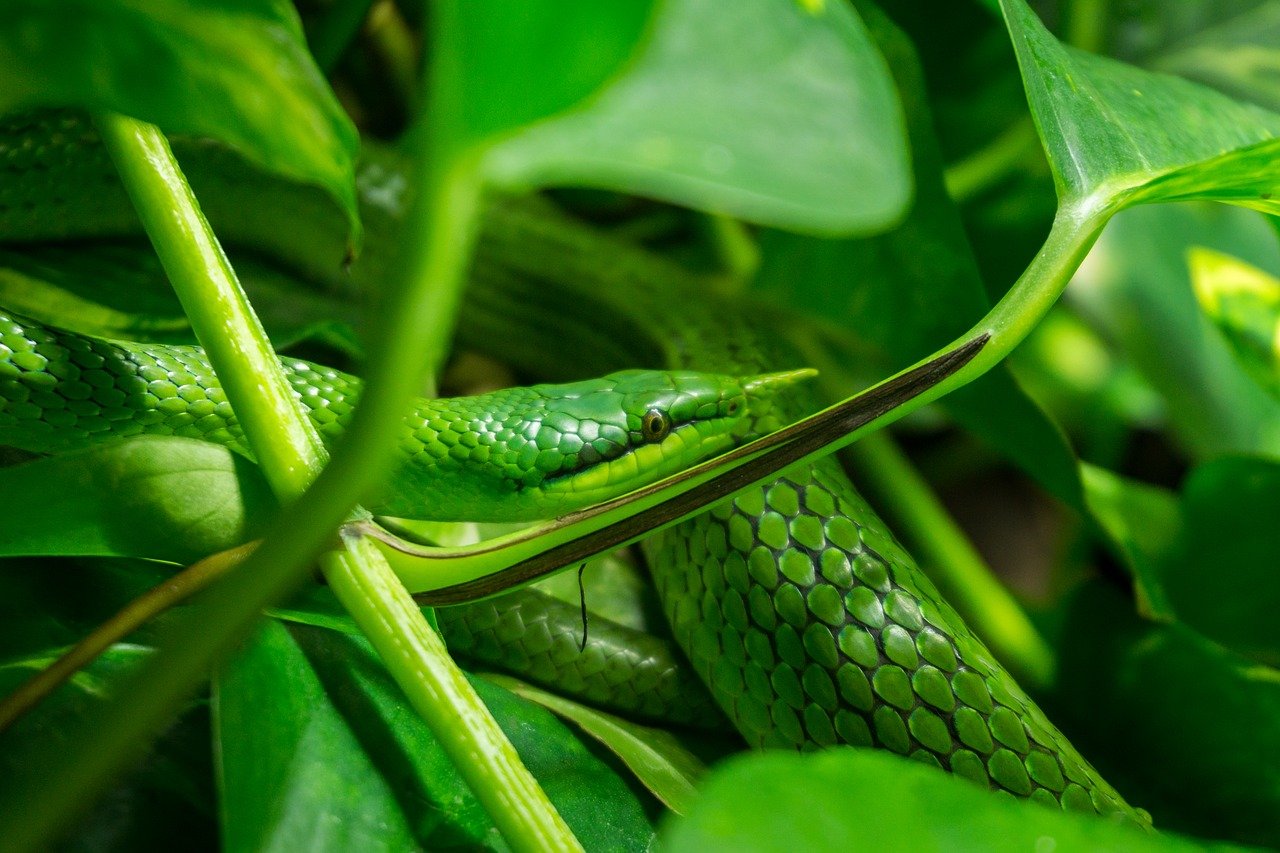
Wendell Berry – A cobra

No final de outubro
encontrei no chão da floresta
uma pequena cobra cujas costas
tinham o padrão da escuridão
das folhas mortas em que ela estava deitada.
Seu corpo fora engrossado por um rato
ou um pequeno pássaro. Ela estava fria,
tão entorpecida com a barriga cheia
e o ar do outono que mal se dava ao
trabalho de mexer a língua.
Eu a segurei por muito tempo, refletindo
sobre a perfeição da escura
marca em suas costas, a morte
que a inchou, seu frio vívido.
Agora o frio do seu corpo permanece
em minha mão, e penso nela,
grande, deitada sob a geada
com uma morte para nutri-la
durante um longo sono.

Trad.: Nelson Santander

The Snake

At the end of October
I found on the floor of the woods
a small snake whose back
was patterned with the dark
of the dead leaves he lay on.
His body was thickened with a mouse
or small bird. He was cold,
so stuporous with his full belly
and the fall air that he hardly
troubled to flick his tongue.
I held him a long time, thinking
of the perfection of the dark
marking on his back, the death
that swelled him, his living cold.
Now the cold of him stays
in my hand, and I think of him
lying below the frost,
big with a death to nourish him
during a long sleep.