Anna Belle Kaufman – Frio conforto

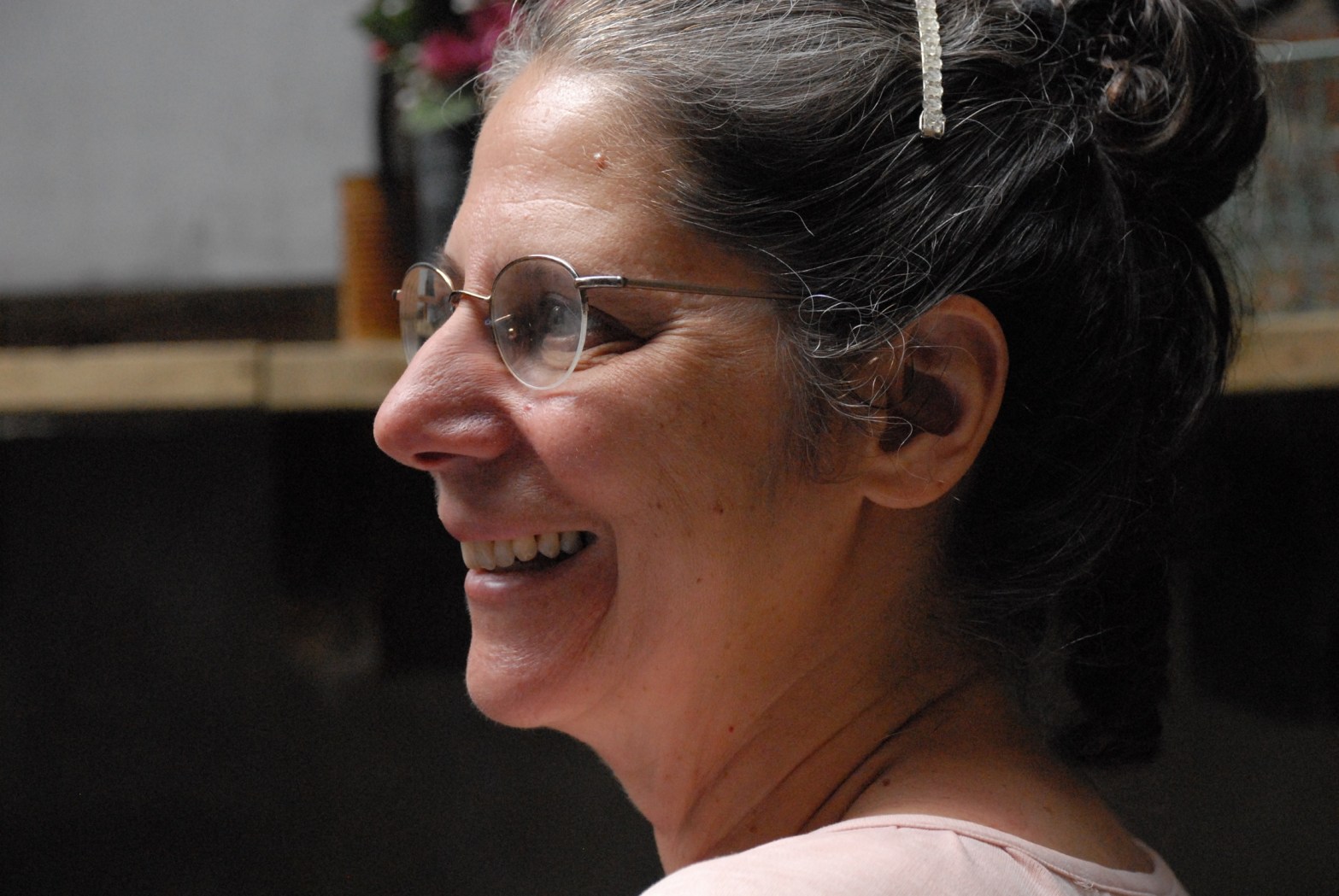
Quando minha mãe morreu,
um dos seus bolos de mel permaneceu no freezer.
Eu não poderia suportar o seu desaparecimento,
então, abandonado, ele esperou
em sua caverna de gelo atrás das bandejas de metal
por mais dois anos.

No meu quadragésimo primeiro aniversário,
retirei-o de lá,
uma ressurreição retangular,
e sopesei o fardo morto na palma da mão.

Antes que ele descongelasse,
eu cortei, com uma faca serrilhada,
a mais fina das fatias —
Eucaristia Judaica.

Os quadrados âmbar
com suas translúcidas vidraças de nozes
tinham — mesmo os queimados — um gosto de freezer,
de gelo,
uma iguaria em passas provinda
de uma delicatessen do submundo.

Eu ansiava por recordar a vida, não a morte —
o corpo imóvel na cama em sua camisola rosa,
e como me deitei no leito raso dos lençóis espalhados
depois que a levaram embora,
inalando o seu perfume uma última vez.

Fecho meus olhos, saboreio um naco do
bolo sagrado com a minha língua
e tento provar minha mãe, discernir
a mensagem que ela assou nestas fatias
quando estava doente demais para comê-las:

Eu te amo.
Isso vai acabar.
Deixo algo de doce
e com substância
na boca do mundo.

Trad.: Nelson Santander

Cold solace

When my mother died,
one of her honey cakes remained in the freezer.
I couldn’t bear to see it vanish,
so it waited, pardoned,
in its ice cave behind the metal trays
for two more years.

On my forty-first birthday
I chipped it out,
a rectangular resurrection,
hefted the dead weight in my palm.

Before it thawed,
I sawed, with serrated knife,
the thinnest of slices —
Jewish Eucharist.

The amber squares
with their translucent panes of walnuts
tasted — even toasted — of freezer,
of frost,
a raisined delicacy delivered up
from a deli in the underworld.

I yearned to recall life, not death —
the still body in her pink nightgown on the bed,
how I lay in the shallow cradle of the scattered sheets
after they took it away,
inhaling her scent one last time.

I close my eyes, savor a wafer of
sacred cake on my tongue and
try to taste my mother, to discern
the message she baked in these loaves
when she was too ill to eat them:

I love you.
It will end.
Leave something of sweetness
and substance
in the mouth of the world.
Stephen Dunn – Felicidade

Felicidade

Um estado em que não se deve ousar entrar
com a esperança de lá permanecer,
areia movediça nos pântanos, e todos

os caminhos que conduzem
a um castelo que não existe.
Mas lá está ele, como prometido,

com sua ponte perfeita sobre
os crocodilos,
e suas portas perpetuamente abertas.

Trad.: Nelson Santander

Happiness

A state you must dare not enter
with hopes of staying,
quicksand in the marshes, and all

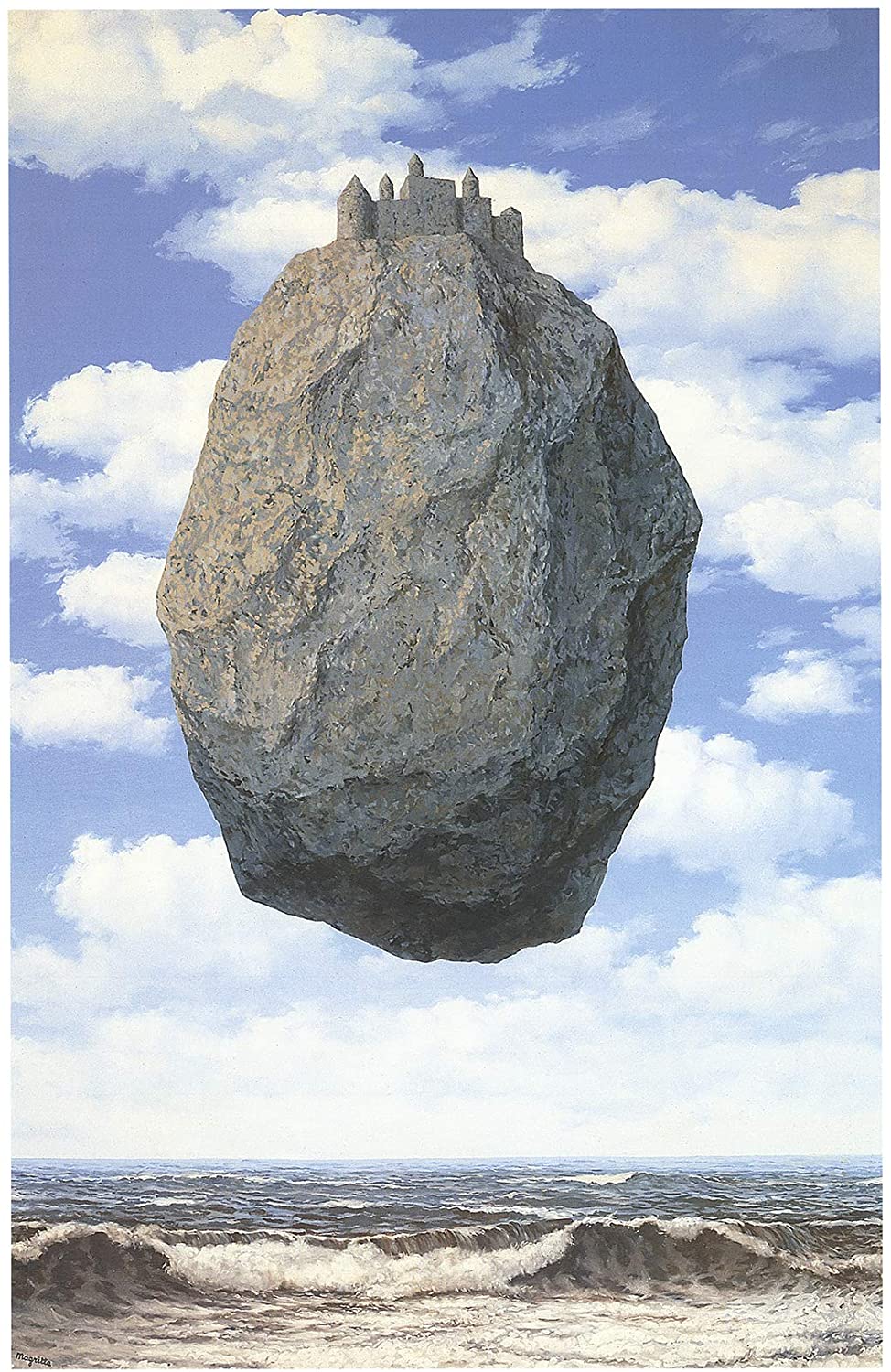
the roads leading to a castle
that doesn’t exist.
But there it is, as promised,

with its perfect bridge above
the crocodiles,
and its doors forever open.

Wendell Berry – O desejo de ser generoso

Tudo a que sirvo morrerá, todos os meus deleites,
a carne acesa de minha carne, jardim e campo,
os lírios silenciosos que se encontram na floresta,
as florestas, a colina, a terra toda, tudo
arderá na maldade humana, ou encolherá
na própria velhice. Que o mundo me proporcione
o sono das trevas sem estrelas, para que eu possa conhecer
minha pequena luz, tirada de mim na semente
do início e do fim, para que eu possa me curvar
ao mistério e assumir minha posição na terra
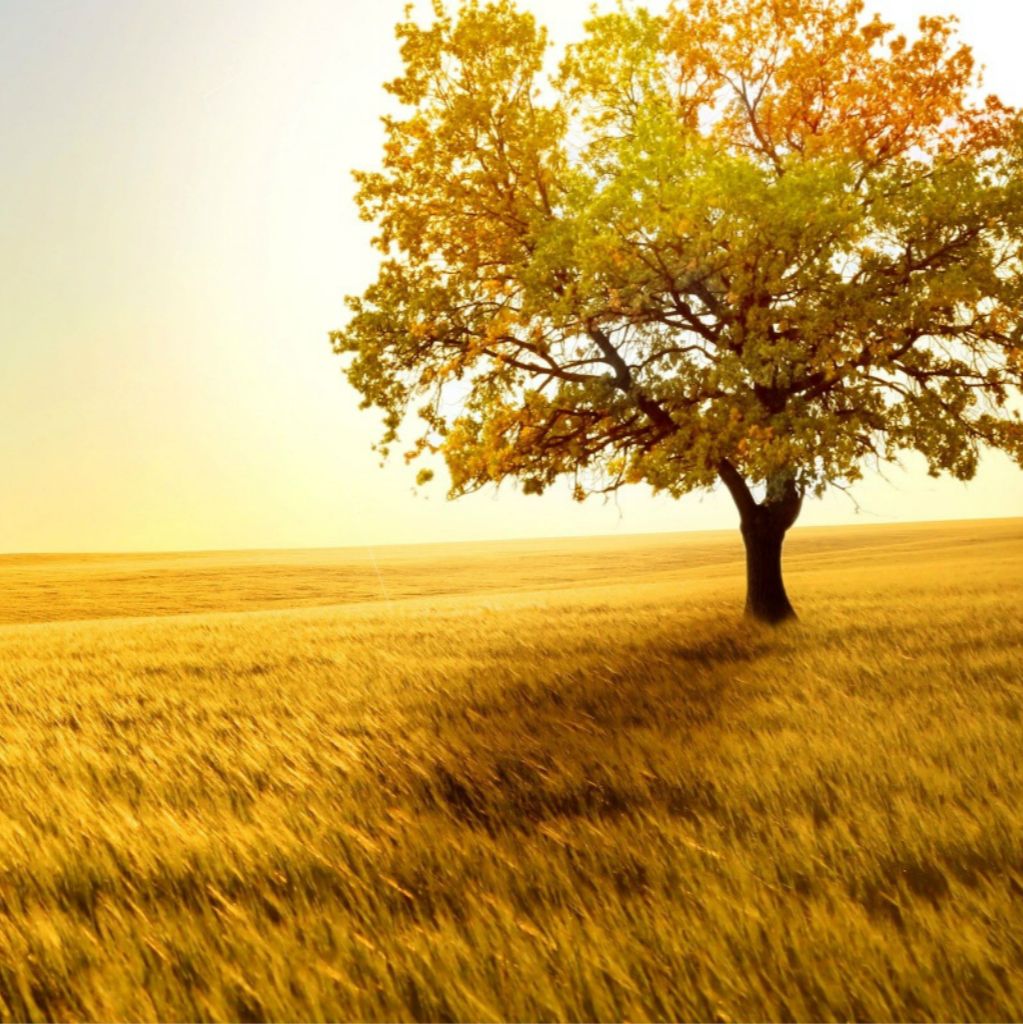
como uma árvore em um campo, transitando sem pressa
ou arrependimento em direção ao que será, minha vida,
uma paciente descida voluntária em direção à relva.

Trad.: Nelson Santander

The Wish to Be Generous

All that I serve will die, all my delights,
the flesh kindled from my flesh, garden and field,
the silent lilies standing in the woods,
the woods, the hill, the whole earth, all
will burn in man’s evil, or dwindle
in its own age. Let the world bring on me
the sleep of darkness without stars, so I may know
my little light taken from me into the seed
of the beginning and the end, so I may bow
to mystery, and take my stand on the earth
like a tree in a field, passing without haste
or regret toward what will be, my life
a patient willing descent into the grass.

Robyn Sarah – Rebitados

É possível que as coisas não fiquem melhores
do que estão agora, ou como imaginamos que estejam.
É possível que já tenhamos ultrapassado o meio agora.
É possível que tenhamos cruzado as Grandes Águas
sem sabe-lo, e que agora estejamos do outro lado.
Sim, acho que já as atravessamos. Agora
estamos recebendo ingressos, e eles não são
ingressos para o espetáculo que tínhamos imaginado,
mas para um espetáculo diferente, claramente inferior.

Verifique novamente: é o nosso próprio nome no envelope.
Os ingressos são para o outro espetáculo.

É possível que saiamos do saguão às escuras
sem esperar pelo último ato: as pessoas o fazem.
Algumas pessoas o fazem. Mas é provável
que permaneçamos sentados em nossos assentos apertados
durante todo o tedioso desenlace
até o previsível final – rebitados, por assim dizer;
fascinados por nossas próprias vidas imperfeitas
porque elas são vidas,
e porque elas são nossas.

Trad.: Nelson Santander

Riveted

It is possible that things will not get better
than they are now, or have been known to be.
It is possible that we are past the middle now.
It is possible that we have crossed the great water
without knowing it, and stand now on the other side.
Yes: I think that we have crossed it. Now
we are being given tickets, and they are not
tickets to the show we had been thinking of,
but to a different show, clearly inferior.

Check again: it is our own name on the envelope.
The tickets are to that other show.

It is possible that we will walk out of the darkened hall
without waiting for the last act: people do.
Some people do. But it is probable
that we will stay seated in our narrow seats
all through the tedious denouement
to the unsurprising end- riveted, as it were;
spellbound by our own imperfect lives
because they are lives,
and because they are ours.

Una Mannion – Sepultado agachado

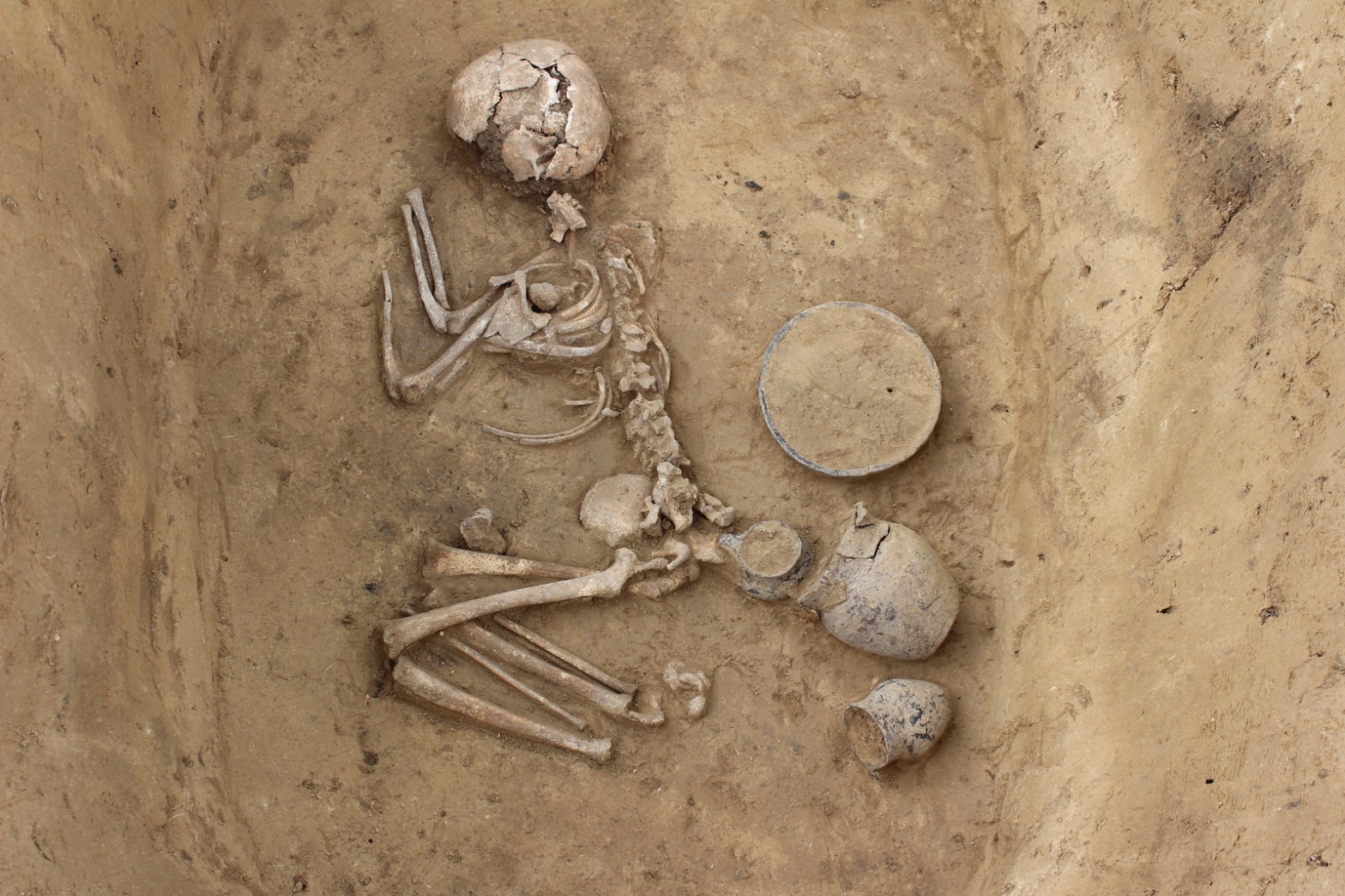
Eles deslocam a terra com pequenas espátulas e pincéis e
por toda a semana as focas entoam um refrão desolado como se fosse para você.
Primeiro, o pé de uma pequena criança,
movimentos lentos do pincel em seus ossinhos,
sua forma na vala ganhando definição, um lento nascimento
no canto do campo à beira da água.

Você está deitado de lado,
os joelhos puxados contra o peito
os finos ossos de seus braços
segurando-se sem as mãos
sua pesada cabeça inclinada para baixo em direção ao seu corpinho,
uma vírgula na terra,
como uma imagem de ultrassom do útero da terra
onde você permaneceu agachado por anos.

Ao lado de sua caixa torácica, uma solitária conta de vidro azul,
de sua orelha, um anel de bronze,
suas prendas de sepultura.
Se flores e ervas embalaram sua cabeça,
elas agora são pó.
Alguém o trouxe aqui
e o deitou cuidadosamente,
sua morte, um segredo, sua história, enterrada.

Na baía da lua
na ponta de terra onde o encontraram
os monturos estratificados se estendem em camadas temporais, como anéis de crescimento.
Agora é nossa vez na superfície do tempo
você e sua conta enterrada, a pré-história,
antes que houvesse palavras escritas para lembrar.
Uma sequência de dentes-de-leite ao longo do osso de sua mandíbula e
e os brotos para os dentes permanentes indicam sua idade.
Você tem dezoito meses.

Seus ossos no monturo são um mistério
As pessoas da Idade do Ferro não enterravam seus mortos
os corpos eram deixados ao vento, ou aos lobos ou às águas.
Mas não você.
Talvez tocando suas frias bochechas sua mãe
não pode abandonar seu corpo para a noite,
e para cá, onde a terra se projeta em direção ao mar e a maré se move,
um lugar que ela poderia encontrar novamente,
ela o trouxe.

Trad.: Nelson Santander

Crouched Burial

They move the earth with small trowels and brushes and
all week the seals sing a desolate chorus as if for you.
First a small child’s foot
slow sweeps of the brush across your small bones,
your shape in the ditch, taking definition, a slow birth
in the corner of the field by the water’s edge.

You are lying on your side
knees pulled into your chest
the thin bones of your arms
holding yourself without your hands
your heavy head bent low toward your small body,
a comma in the earth,
like an ultra sound picture of the earth’s womb
where you lay crouched for years.

Beside your ribcage, a single blue glass bead
for your ear a bronze ring,
your grave gifts.
If flowers and herbs cradled your head,
they are dust now.
Someone brought you here
and laid you down with care
your death a secret, your story buried.

In the moon bay
at the edge of earth where they found you
the midden’s shelves layer time, like growth rings.
Now is our turn on the surface of time
you and your buried bead, prehistory,
before there were written words to remember with.
A sequence of milk teeth along the bone of your jaw and
the buds to permanent ones spell your age.
You are eighteen months old.

Your bones in the midden are a mystery
Iron Age people didn’t bury their dead
bodies were left to wind, or wolves or water.
But not you.
Perhaps touching your cold cheek your mother
could not abandon your body to the night
and here, where the land juts out toward the sea and the tide moves,
a place she might find again,
she brought you.

Lisel Mueller – Imortalidade

No castelo da Bela Adormecida
o relógio bate cem anos
e a garota na torre volta ao mundo.
O mesmo ocorre com os criados na cozinha,
que nem sequer esfregam os olhos.
A mão direita do cozinheiro, levantada
há exatamente um século,
completa seu arco descendente
até a orelha esquerda do ajudante de cozinha;
as tensas cordas vocais do garoto
libertam finalmente
o sofrido lamento aprisionado,
e a mosca, capturada no meio de um salto
acima da torta de morango,
cumpre sua missão permanente
e mergulha no doce e vermelho esmalte.

Quando criança, eu tinha um livro
com uma gravura dessa cena.
Eu era muito jovem para perceber
como o medo persiste, e como
o ódio que provoca o medo persiste,
que sua trajetória não pode ser alterada
ou rompida, apenas interrompida.
Minha atenção estava na mosca;
no fato de que este corpo leve
com suas asas transparentes
e o tempo de vida de um dia humano
ainda ansiava por sua cota particular
de doçura, um século depois.

Trad.: Nelson Santander

Immortality

In Sleeping Beauty’s castle
the clock strikes one hundred years
and the girl in the tower returns to the world.
So do the servants in the kitchen,
who don’t even rub their eyes.
The cook’s right hand, lifted
an exact century ago,
completes its downward arc
to the kitchen boy’s left ear;
the boy’s tensed vocal cords
finally let go
the trapped, enduring whimper,
and the fly, arrested mid-plunge
above the strawberry pie,
fulfills its abiding mission
and dives into the sweet, red glaze.

As a child I had a book
with a picture of that scene.
I was too young to notice
how fear persists, and how
the anger that causes fear persists,
that its trajectory can’t be changed
or broken, only interrupted.
My attention was on the fly;
that this slight body
with its transparent wings
and lifespan of one human day
still craved its particular share
of sweetness, a century later.

Jeanne Marie Beaumont – Receio que sim

Está começando a chover?
O cheque foi devolvido?
Estamos sem café?
Vai doer?
Você pode perder seu emprego?
O vidro quebrou?
A bagagem foi extraviada?
Vai ficar na minha ficha?
Você está perdendo muito dinheiro?
Alguém ficou ferido?
O trânsito está pesado?
Eu tenho que tirar minhas roupas?
Vai deixar uma cicatriz?
Você tem que ir?
Isso sairá nos jornais?
Meu tempo já acabou?
Veremos o substituto?
Afetará a minha visão?
Todos os livros foram queimados?
Você ainda fuma?
O osso está quebrado?
Terei que coloca-lo para dormir?
O carro foi destruído?
Sou responsável por essas despesas?
Você tem alguma doença contagiosa?
Teremos que esperar muito?
A pista está congelada?
A arma estava carregada?
Isso pode causar efeitos colaterais?
Você sabe quem a traiu?
A ferida está infeccionada?
Estamos perdidos?
Vai piorar?

Trad.: Nelson Santander

Afraid so

Is it starting to rain?
Did the check bounce?
Are we out of coffee?
Is this going to hurt?
Could you lose your job?
Did the glass break?
Was the baggage misrouted?
Will this go on my record?
Are you missing much money?
Was anyone injured?
Is the traffic heavy?
Do I have to remove my clothes?
Will it leave a scar?
Must you go?
Will this be in the papers?
Is my time up already?
Are we seeing the understudy?
Will it affect my eyesight?
Did all the books burn?
Are you still smoking?
Is the bone broken?
Will I have to put him to sleep?
Was the car totaled?
Am I responsible for these charges?
Are you contagious?
Will we have to wait long?
Is the runway icy?
Was the gun loaded?
Could this cause side effects?
Do you know who betrayed you?
Is the wound infected?
Are we lost?
Will it get any worse?

Frank O’Hara – Animais

Você já se esqueceu de como éramos
quando éramos de primeira linha
e o dia vinha gordo com uma maçã em sua boca

não vale a pena se preocupar com o Tempo
mas nós tínhamos alguns truques nas mangas
e dobramos algumas esquinas afiadas

todo pasto parecia nossa refeição
não precisávamos de velocímetros
podíamos gerenciar coquetéis sem gelo e água

Eu não iria querer ser mais rápido
ou mais jovem do que sou agora se você estivesse comigo Ó você
foi o melhor de todos os meus dias

Trad.: Nelson Santander

Animals

Have you forgotten what we were like then
when we were first rate
and the day came fat with an apple in its mouth

it’s no use worrying about Time
but we did have a few tricks up our sleeves
and turned some sharp corners

the whole pasture looked like our meal
we didn’t need speedometers
we could manage cocktails out of ice and water

I wouldn’t want to be faster
or greener than now if you were with me O you
were the best of all my days

Ellen Bass – O panorama geral

Eu tento ver o panorama geral.
O sol, língua ardente
que nos lambe como uma mãe encantada

por sua nova cria, se consumirá.
Tudo é transitório.
Pense no meteoro

que aniquilou os dinossauros.
E antes disso, nos vulcões
do Permiano — todas aquelas samambaias

e répteis, tubarões e peixes ósseos queimados —
que foram extintos em uma escala
que faz com que nossas perdas pareçam um dia difícil no caça-níqueis.

E talvez estejamos destinados a evoluir
para algum tipo de inteligência
que não precisa de corpos, ou água potável, ou mesmo de ar.

Mas não consigo deixar de me afligir
pelos últimos seiscentos Linces-ibéricos
com suas orelhas tufadas,

pelos Peixes-viola brasileiros, os 4
porcento deles ainda pervagando
o leito oceânico, olhos fixos no alto.

E por todos os marsupiais recém-nascidos —
Cangurus-vermelhos com filhotes do tamanho de abelhas —
Trutas-arco-íris, Botos-cor-de-rosa,

e pelas muitas espécies de sapos
respirando através de suas úmidas
membranas permeáveis.

Hoje, no ônibus, uma mulher
em um suéter do tom exato dos cardeais,
e sua alça de sutiã carmesim, exposta

em sua pálida espádua, fez-me sofrer
por aqueles brilhantes flashes na neve.
E pelos ursos polares, o creme e o âmbar

de seus pelos, o longo, oco
pelame pelo qual o sol desliza,
engolido em sua pele escura. Quando cheguei em casa,

meu filho estava com dor de cabeça e, embora ele esteja
quase crescido, pediu-me que lhe cantasse uma canção.
Deitamos juntos no sofá irregular

e me pus a cantarolar as velhas melodias, “Night and Day”. . .
“They Can’t Take That Away from Me.”. . . Uma corrente
de prata vulgar cintilava em seu pescoço,

subindo e descendo com sua pulsação. Nunca houve
outra coisa. Apenas estas dolorosamente
insignificantes criaturas que amamos.

Trad.: Nelson Santander

The big picture

I try to look at the big picture.
The sun, ardent tongue
licking us like a mother besotted

with her new cub, will wear itself out.
Everything is transitory.
Think of the meteor

that annihilated the dinosaurs.
And before that, the volcanoes
of the Permian period — all those burnt ferns

and reptiles, sharks and bony fish —
that was extinction on a scale
that makes our losses look like a bad day at the slots.

And perhaps we’re slated to ascend
to some kind of intelligence
that doesn’t need bodies, or clean water, or even air.

But I can’t shake my longing
for the last six hundred
Iberian lynx with their tufted ears,

Brazilian guitarfish, the 4
percent of them still cruising
the seafloor, eyes staring straight up.

And all the newborn marsupials —
red kangaroos, joeys the size of honeybees —
steelhead trout, river dolphins,

so many species of frogs
breathing through their damp
permeable membranes.

Today on the bus, a woman
in a sweater the exact shade of cardinals,
and her cardinal-colored bra strap, exposed

on her pale shoulder, makes me ache
for those bright flashes in the snow.
And polar bears, the cream and amber

of their fur, the long, hollow
hairs through which sun slips,
swallowed into their dark skin. When I get home,

my son has a headache and, though he’s
almost grown, asks me to sing him a song.
We lie together on the lumpy couch

and I warble out the old show tunes, “Night and Day”. . .
“They Can’t Take That Away from Me.”. . . A cheap
silver chain shimmers across his throat,

rising and falling with his pulse. There never was
anything else. Only these excruciatingly
insignificant creatures we love.

W. S. Merwin – Ao Ano Novo

Com que calma você
finalmente aparece no vale,
sua primeira luz solar descendo
para apalpar as pontas de algumas
folhas altas que não se mexem
como se não o tivessem notado
e não o conhecessem direito
em seguida a voz isolada de uma pomba
chama de muito longe
para a quietude da manhã

então é assim que você soa
aqui e agora haja ou não
alguém ouvindo é aqui
que chegamos com nossa experiência
nosso conhecimento tal como ele é
e nossas esperanças tal como elas são
invisíveis perante nós
intocadas e ainda possíveis

Trad.: Nelson Santander

To the New Year

With what stillness at last
you appear in the valley
your first sunlight reaching down
to touch the tips of a few
high leaves that do not stir
as though they had not noticed
and did not know you at all
then the voice of a dove calls
from far away in itself
to the hush of the morning

so this is the sound of you
here and now whether or not
anyone hears it this is
where we have come with our age
our knowledge such as it is
and our hopes such as they are
invisible before us
untouched and still possible