Louise Glück – Margaridas

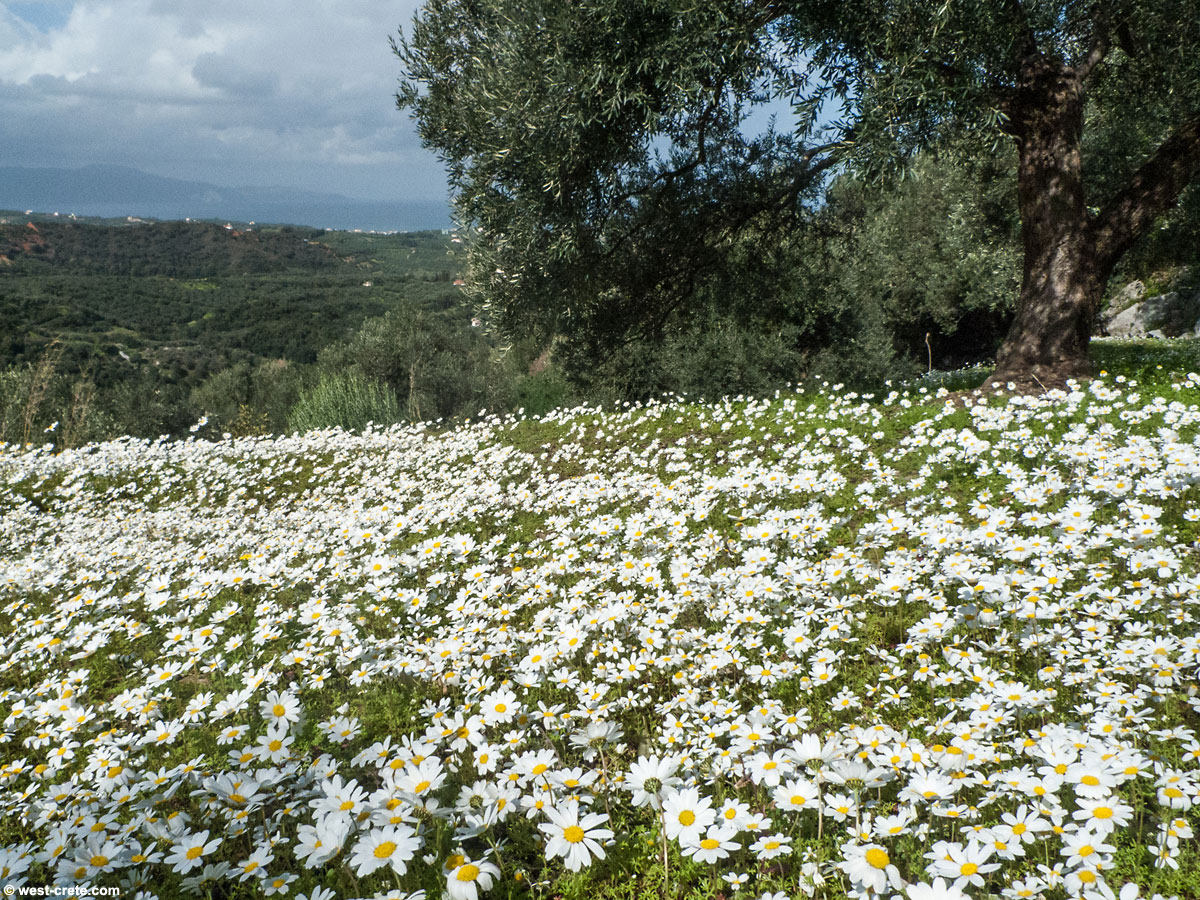
Vá em frente: diga o que está pensando. O jardim
não é o mundo real. As máquinas
são o mundo real. Diga francamente o que qualquer tolo pode
ler em seu rosto: faz todo sentido
evitar-nos, resistir
à nostalgia. Não é
suficientemente moderno, o som que o vento produz
agitando um campo de margaridas: a mente
não pode brilhar ao segui-lo. E a mente
quer brilhar, nitidamente, como
as máquinas brilham, e não
se arraigar, como, por exemplo, as raízes. É muito comovente,
no entanto, vê-la cautelosamente
aproximar-se da beira do campo no início da manhã,
quando ninguém poderia
estar observando você. Quanto mais tempo você fica na borda,
mais nervosa você parece. Ninguém quer ouvir
impressões do mundo natural: você será
ridicularizada novamente; o escárnio se acumulará sobre você.
Quanto ao que você
ouviu aqui esta manhã: pense duas vezes
antes contar a alguém o que foi dito neste campo
e por quem.

Trad.: Nelson Santander

Daisies

Go ahead: say what you’re thinking. The garden
is not the real world. Machines
are the real world. Say frankly what any fool
could read in your face: it makes sense
to avoid us, to resist
nostalgia. It is
not modern enough, the sound the wind makes
stirring a meadow of daisies: the mind
cannot shine following it. And the mind
wants to shine, plainly, as
machines shine, and not
grow deep, as, for example, roots. It is very touching,
all the same, to see you cautiously
approaching the meadow’s border in early morning,
when no one could possibly
be watching you. The longer you stand at the edge,
the more nervous you seem. No one wants to hear
impressions of the natural world: you will be
laughed at again; scorn will be piled on you.
As for what you’re actually
hearing this morning: think twice
before you tell anyone what was said in this field
and by whom.
Louise Glück – Vésperas (3)

Para além de mim, muito provavelmente
você ama ainda mais as criaturas do campo; talvez,
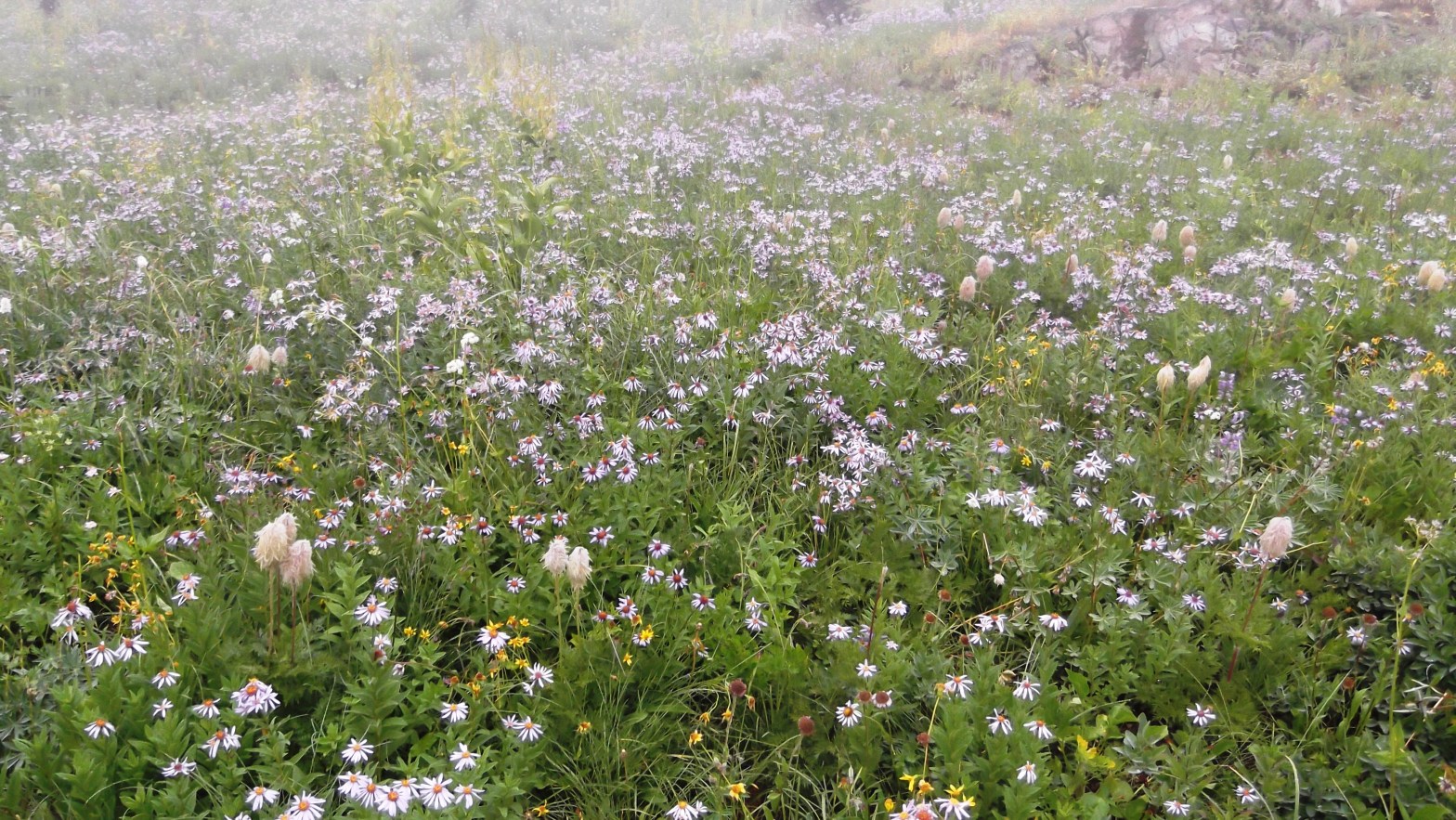
até o próprio campo, pontilhado em agosto
de chicórias-bravas e ásteres.
Eu sei. Eu me comparei
a essas flores, com seu leque de sentimentos
tão menores e sem problemas; assim como à ovelha branca,
na verdade, cinzenta: eu sou particularmente
apta a louva-lo. Então por que
você me atormenta? Eu estudei as piloselas,
os ranúnculos protegidos das pastagens
por serem venenosos. Seria
a dor o seu presente para fazer-me
consciente de minha necessidade por você, como se
devesse precisar de você para idolatra-lo,
ou você me abandonou
em favor do campo, as estoicas ovelhas tornando-se
prateadas no crepúsculo; as ondas de ásteres e chicórias bravas brilhando
em azul claro e azul profundo, pois você já sabe
quão parecidas com seu traje elas são.

Trad.: Nelson Santander

Vespers

More than you love me, very possibly
you love the beasts of the field, even,
possibly, the field itself, in August dotted
with wild chicory and aster:
I know. I have compared myself
to those flowers, their range of feeling
so much smaller and without issue; also to white sheep,
actually gray: I am uniquely
suited to praise you. Then why
torment me? I study the hawkweed,
the buttercup protected from the grazing herd
by being poisonous: is pain
your gift to make me
conscious in my need of you, as though
I must need you to worship you,
or have you abandoned me
in favor of the field, the stoic lambs turning
silver in twilight; waves of wild aster and chicory shining
pale blue and deep blue, since you already know
how like your raiment it is.

Louise Glück – Vésperas (2)

Em sua prolongada ausência, você me permite
usar a terra, antecipando
algum retorno sobre o investimento. Devo reportar
que falhei em minha missão, principalmente
em relação à plantação de tomates.
Acho que não devo ser encorajada a cultivar
tomates. Ou, se o for, você você deveria reter
as fortes chuvas, as gélidas noites que são
tão comuns por aqui, enquanto outras regiões desfrutam
de doze semanas de verão. Tudo isso
pertence a você: por outro lado,
fui eu que plantei as sementes, observei os primeiros brotos
como asas rompendo o solo, e foi meu coração
que se partiu com a praga, as manchas negras se multiplicando
tão rapidamente nas fileiras. Duvido
que você tenha um coração, na acepção em que usamos
este termo. Você que não faz distinção
entre os mortos e os vivos, e é, portanto,
imune a previsões, talvez você não saiba
quanto terror temos que suportar, as folhas oxidadas,
as folhas vermelhas do carvalho caindo
mesmo em agosto, na escuridão da manhã: sou responsável
por essas videiras.

Trad.: Nelson Santander

Vespers

In your extended absence, you permit me
use of earth, anticipating
some return on investment. I must report
failure in my assignment, principally
regarding the tomato plants.
I think I should not be encouraged to grow
tomatoes. Or, if I am, you should withhold
the heavy rains, the cold nights that come
so often here, while other regions get
twelve weeks of summer. All this
belongs to you: on the other hand,
I planted the seeds, I watched the first shoots
like wings tearing the soil, and it was my heart
broken by the blight, the black spot so quickly
multiplying in the rows. I doubt
you have a heart, in our understanding of
that term. You who do not discriminate
between the dead and the living, who are, in consequence,
immune to foreshadowing, you may not know
how much terror we bear, the spotted leaf,
the red leaves of the maple falling
even in August, in early darkness: I am responsible
for these vines.

Louise Glück – Vésperas (1)

Uma vez acreditei em você; plantei uma figueira.
Aqui, em Vermont, uma terra
que desconhece o verão. Era um teste: se a árvore sobrevivesse,
isso provaria que você existe.

Segundo essa lógica, você não existe. Ou existe
exclusivamente em climas mais quentes,
na fervorosa Sicília, no México e na Califórnia,
onde crescem o inimaginável
damasco e o vulnerável pêssego. Talvez
vejam sua face na Sicília; aqui, mal conseguimos vislumbrar
a barra de sua túnica. Terei que me disciplinar
para dividir com John e Noah a colheita de tomate.

Se houver justiça em outro mundo, aqueles
como eu, a quem a natureza força
a uma vida de abstinência, deveriam receber
a maior parte de tudo, de todos
os objetos de desejo, a cobiça
sendo um louvor a você. E ninguém louva
mais intensamente do que eu, que tem o
desejo mais dolorosamente contido, o mais digno de
sentar à sua mão direita, se ela existir, partilhando
do perecível, do imortal figo,
que não conhece outras terras.

Trad.: Nelson Santander

Vespers

Once I believed in you; I planted a fig tree.
Here, in Vermont, country
of no summer. It was a test: if the tree lived,
it would mean you existed.

By this logic, you do not exist. Or you exist
exclusively in warmer climates,
in fervent Sicily and Mexico and California,
where are grown the unimaginable
apricot and fragile peach. Perhaps
they see your face in Sicily; here we barely see
the hem of your garment. I have to discipline myself
to share with John and Noah the tomato crop.

If there is justice in some other world, those
like myself, whom nature forces
into lives of abstinence, should get
the lion’s share of all things, all
objects of hunger, greed being
praise of you. And no one praises
more intensely than I, with more
painfully checked desire, or more deserves
to sit at your right hand, if it exists, partaking
of the perishable, the immortal fig,
which does not travel.

Louise Glück – Solstício de verão

Como posso ajuda-los quando todos desejam
coisas distintas — luz do sol e sombra,
tempo seco e umidade sombria —

Ouçam a si próprios, competindo uns com os outros —

E se perguntam
por que desespero por vocês,
achando que algo pode fundi-los em um todo —

o ar imóvel do auge do verão
entrelaçado com mil vozes

cada qual clamando
por alguma necessidade, alguma verdade absoluta

e, sob essa rubrica, continuamente
estrangulando uns aos outros
em campo aberto —

Por quê? Por espaço e ar?
Pelo privilégio de serem
singulares aos olhos do divino?

Vocês não foram destinados
a serem singulares. Vocês eram
minha personificação, toda a diversidade,

e não o que pensam ver
perscrutando o céu brilhante sobre a campina,
suas almas acessórias
fixas como telescópios em alguma
ampliação de si mesmos —

Por que eu os criaria se pretendesse
me limitar
ao signo ascendente,
à estrela, ao fogo, à fúria?

Trad.: Nelson Santander

Midsummer

How can I help you when you all want
different things — sunlight and shadow,
moist darkness, dry heat —

Listen to yourselves, vying with one another —

And you wonder
why I despair of you,
you think something could fuse you into a whole —

the still air of high summer
tangled with a thousand voices

each calling out
some need, some absolute

and in that name continually
strangling each other
in the open field —

For what? For space and air?
The privilege of being
single in the eyes of heaven?

You were not intended
to be unique. You were
my embodiment, all diversity

not what you think you see
searching the bright sky over the field,
your incidental souls
fixed like telescopes on some
enlargement of yourselves —

Why would I make you if I meant
to limit myself
to the ascendant sign,
the star, the fire, the fury?

Louise Glück – A porta de entrada

Eu queria permanecer como eu era,
imóvel como o mundo raramente fica,
não no solstício de verão, mas no momento anterior
à flor fundamental se formar, o momento
em que nada ainda é passado —

não o solstício de verão, intoxicante,
mas a tardia primavera, a grama ainda não
alta nos limites do jardim, as primeiras tulipas
começando a desabrochar —

como uma criança à espreita na
porta de entrada, observando os outros,
aqueles que partem primeiro,
um aglomerado de membros tensos, atentos
às falhas alheias, às hesitações públicas

com a confiança destemida de uma criança na iminência do poder
preparando-se para derrotar
essas fraquezas, para ceder
a nada, o momento imediatamente

anterior à floração, a era da maestria

antes da manifestação do presente,
antes da posse.

Trad.: Nelson Santander

The doorway

I wanted to stay as I was,
still as the world is never still,
not in midsummer but the moment before
the first flower forms, the moment
nothing is as yet past —

not midsummer, the intoxicant,
but late spring, the grass not yet
high at the edge of the garden, the early tulips
beginning to open —

like a child hovering in a doorway, watching the others,
the ones who go first,
a tense cluster of limbs, alert to
the failures of others, the public falterings

with a child’s fierce confidence of imminent power
preparing to defeat
these weaknesses, to succumb
to nothing, the time directly

prior to flowering, the epoch of mastery

before the appearance of the gift,
before possession.

Louise Glück – Céu e terra

Onde um acaba, a outra começa.
No alto, uma faixa de azul; abaixo,
uma faixa de verde e dourado, verde e rosa profundo.

John está no horizonte: ele quer
ambos ao mesmo tempo, ele quer
tudo de uma vez.

Os extremos são fáceis. Apenas
o meio é um enigma. Meio do verão —
tudo é possível.

Significado: a vida nunca mais terá fim.

Como posso deixar meu marido
no jardim,
sonhando com tal coisa, segurando
seu rastelo, preparando-se
para anunciar triunfantemente essa descoberta,
enquanto as chamas do sol de verão
verdadeiramente se detêm,
totalmente contidas pelos
carvalhos acesos
na divisa do jardim?

Trad.: Nelson Santander

Heaven and earth

Where one finishes, the other begins.
On top, a band of blue; underneath,
a band of green and gold, green and deep rose.

John stands at the horizon: he wants
both at once, he wants
everything at once.

The extremes are easy. Only
the middle is a puzzle. Midsummer —
everything is possible.

Meaning: never again will life end.

How can I leave my husband
standing in the garden
dreaming this sort of thing, holding
his rake, triumphantly
preparing to announce this discovery
as the fire of the summer sun
truly does stall
being entirely contained by
the burning maples
at the garden’s border.

Louise Glück – Matinas (7)

Não apenas o sol mas a própria
terra brilha, fogo branco
irrompendo das imponentes montanhas
e da estrada plana
tremeluzindo nas primeiras horas da manhã: será isso
apenas para nós, para provocar uma
resposta, ou você também
fica mexido, incapaz
de se conter
na presença da terra? Sinto vergonha
do que eu pensava que você fosse,
distante de nós, nos observando
como um experimento: é
amargo ser
o animal descartável,
amargo. Caro amigo,
querido parceiro vacilante, o que
mais o surpreende no que você sente,
o esplendor da terra ou seu próprio regozijo?
Para mim, sempre
o regozijo é a surpresa.

Trad.: Nelson Santander

Matins

Not the sun merely but the earth
itself shines, white fire
leaping from the showy mountains
and the flat road
shimmering in early morning: is this
for us only, to induce
response, or are you
stirred also, helpless
to control yourself
in earth’s presence – I am ashamed
at what I thought you were,
distant from us, regarding us
as an experiment: it is
a bitter thing to be
the disposable animal,
a bitter thing. Dear friend,
dear trembling partner, what
surprises you most in what you feel,
earth’s radiance or your own delight?
For me, always
the delight is the surprise.

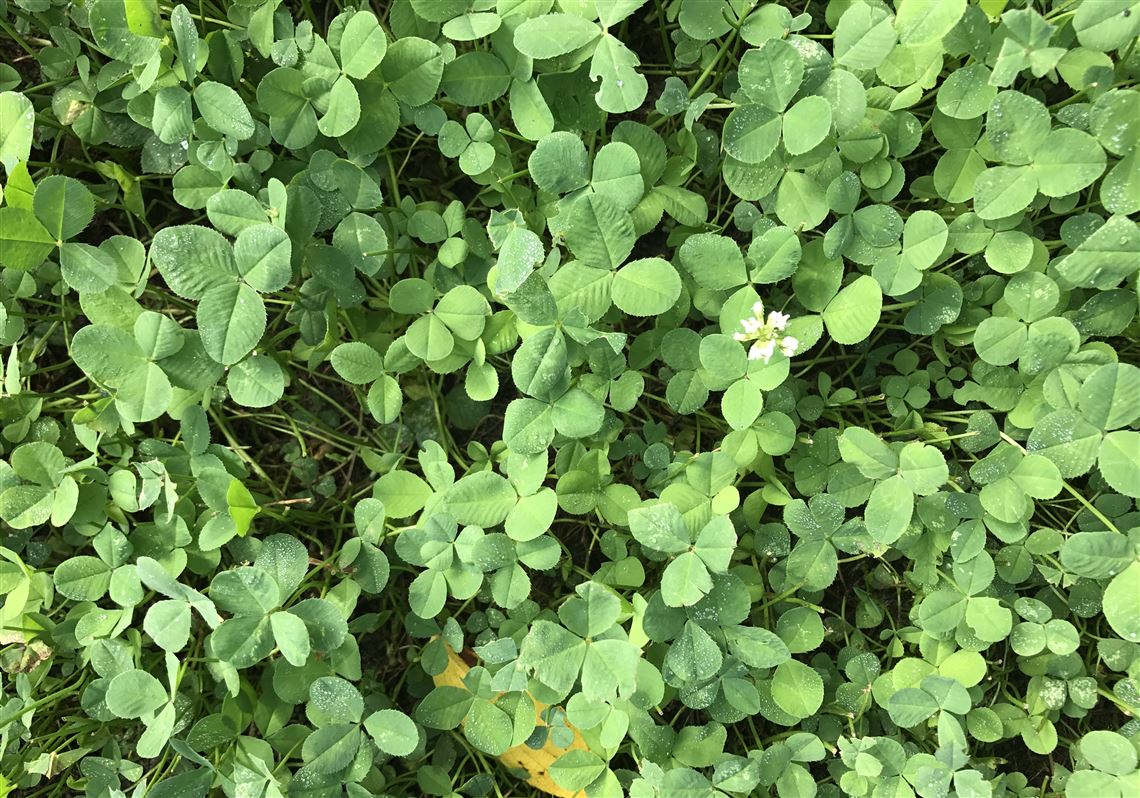
Louise Glück – Trevo

O que está disperso
entre nós, que você chama
de sinal de bem-aventurança,
embora seja, como nós,
uma erva daninha, uma coisa
para ser extirpada —

qual lógica
o faz reter
um único broto
de algo que deseja
morto?

Se há alguma presença entre nós
tão poderosa, não deveria ela
se multiplicar, a serviço
do adorado jardim?

Você mesmo deveria
estar fazendo essas perguntas,
não deixando-as
para suas vítimas. Você deve saber
que quando se vangloria entre nós,
ouço duas vozes se pronunciando,
uma, do seu espírito, outra,
dos atos de suas mãos.

Trad.: Nelson Santander

Clover

What is dispersed
among us, which you call
the sign of blessedness
although it is, like us,
a weed, a thing
to be rooted out —

by what logic
do you hoard
a single tendril
of something you want
dead?

If there is any presence among us
so powerful, should it not
multiply, in service
of the adored garden?

You should be asking
these questions yourself,
not leaving them
to your victims. You should know
that when you swagger among us
I hear two voices speaking,
one your spirit, one
the acts of your hands.

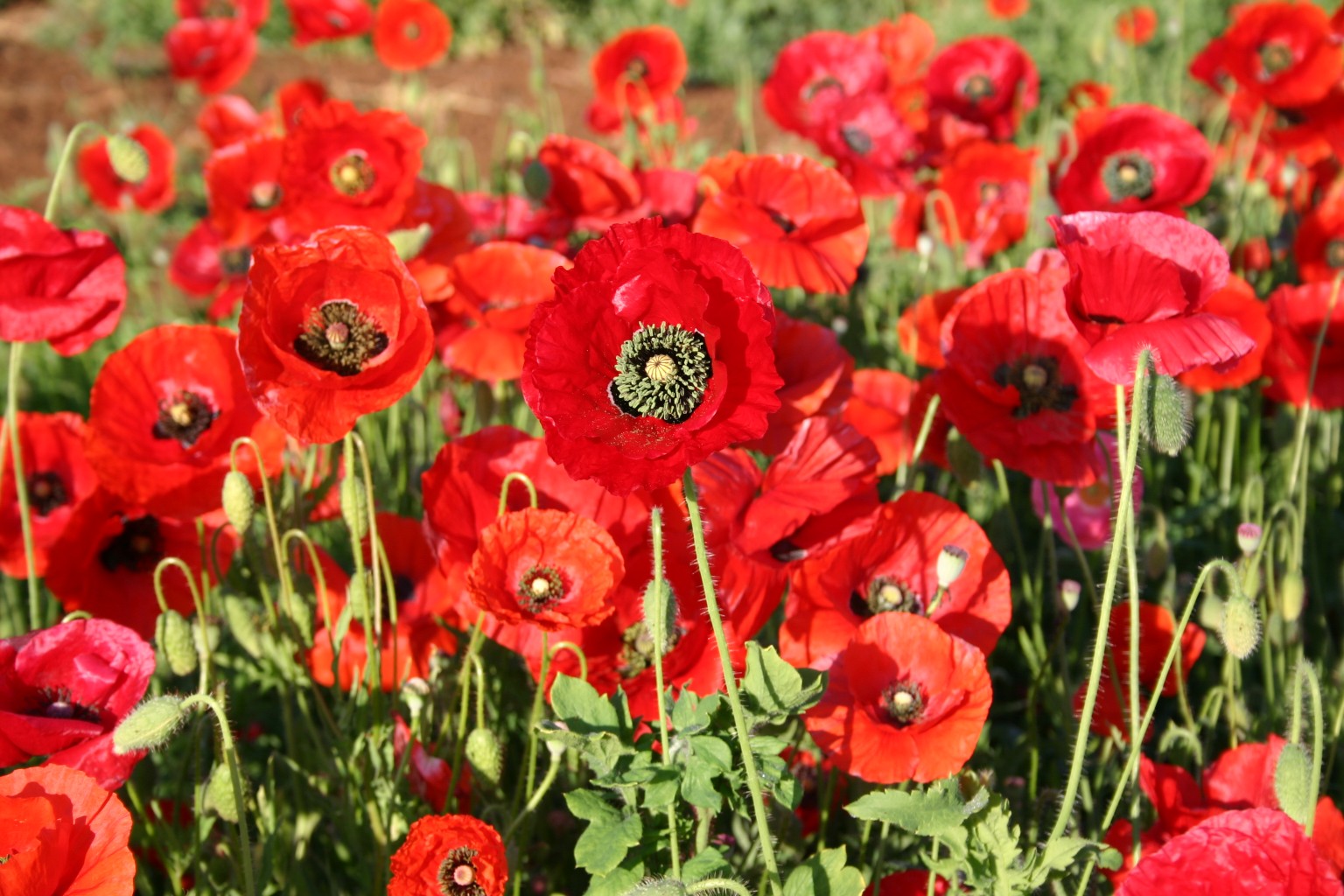
Louise Glück – A papoula vermelha

O melhor de tudo
é não ter
uma mente. Sentimentos:
oh, eu os tenho; eles
me governam. Tenho
um senhor no céu
chamado sol, e me abro
a ele, mostrando-lhe
o fogo do meu próprio coração, ardente
como a sua presença.
O que poderia ser tal glória
se não um coração? Oh meus irmãos e irmãs,
vocês já foram como eu, tempos atrás,
antes de se tornarem humanos?
Já se permitiram
se abrir uma vez, o que nunca
mais se abriria? Porque na verdade
estou falando agora do modo
como vocês falam. Eu falo
porque estou despedaçada.

Trad.: Nelson Santander

The red poppy

The great thing
is not having
a mind. Feelings:
oh, I have those; they
govern me. I have
a lord in heaven
called the sun, and open
for him, showing him
the fire of my own heart, fire
like his presence.
What could such glory be
if not a heart? Oh my brothers and sisters,
were you like me once, long ago,
before you were human? Did you
permit yourselves
to open once, who would never
open again? Because in truth
I am speaking now
the way you do. I speak
because I am shattered.