Paul Tran – A caverna

Alguém que estava na abertura teve
a ideia de entrar. Ir além do ponto onde

a luz ou a linguagem poderiam
ir. À medida que ele seguia
a ideia, luz e linguagem o acompanhavam

como dois lobos — ofegantes, ouvindo o próprio
resfolegar. Um aroma informe
no ar úmido…

Prossiga, disse a ideia.

Alguém prosseguiu. Cada vez mais fundo, eles viram
que outros tinha estado lá. Outros haviam deixado

objetos que não poderiam ter encontrado o caminho
para aquele lugar sozinhos. Conchas ocre-manchadas. Ossos de pássaros. Hematita
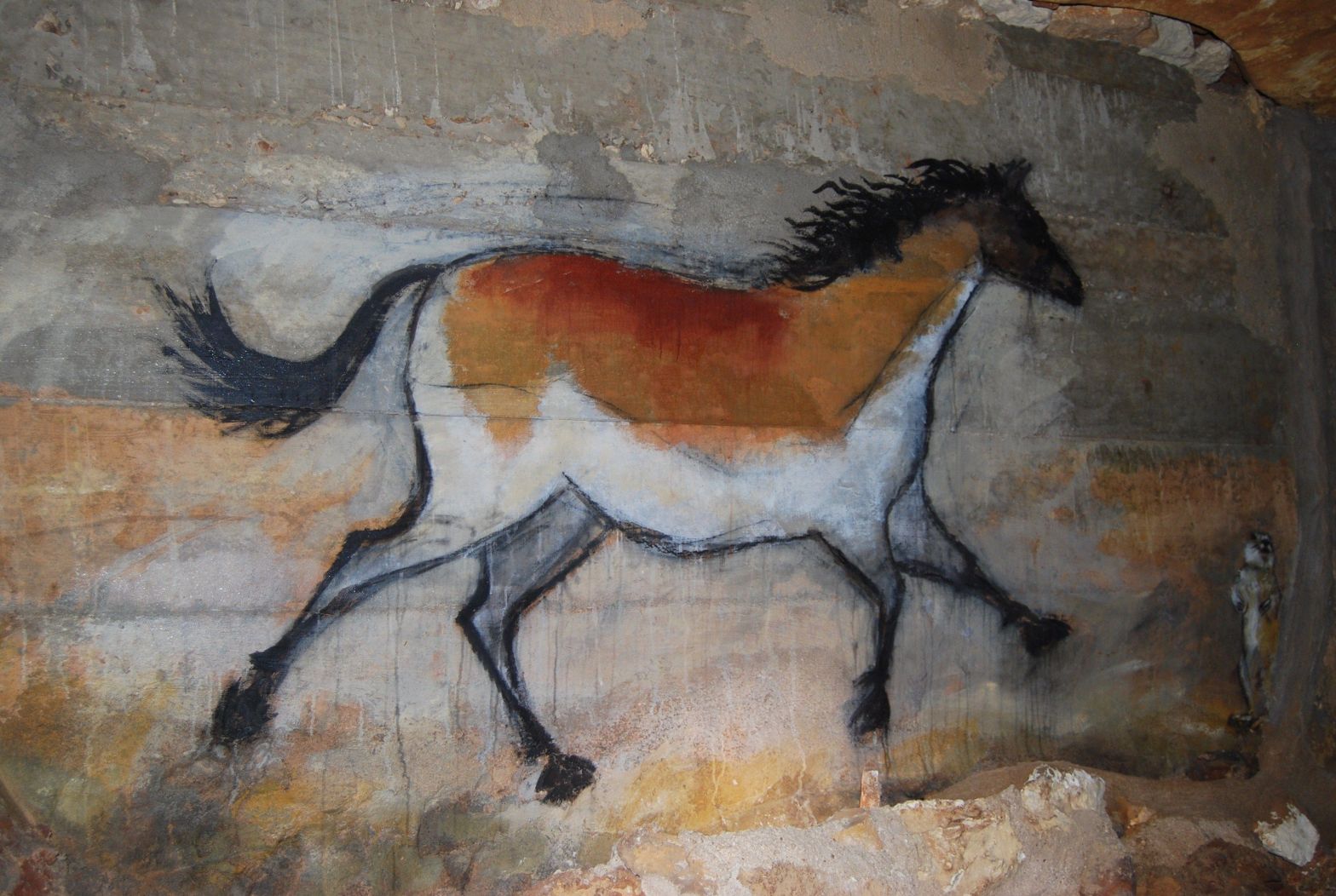
enraizada. Nas paredes,

como se entrasse na história, alguém vislumbrou
o seu propósito: vacas. Touros. Bisontes. Veados. Equinos —
alguns prenhes, outros abatidos.

A vida
selvagem parecia selvagem e viva, movendo-se

quando alguém se movia, lançando suas sombras
nas sombras que se estendiam
em todas as direções. Prossiga,

a ideia disse novamente. Continue…

Alguém continuou. Eles seguiram a ideia tão longe para dentro que
fora era outra ideia.

Trad.: Nelson Santander

The Cave

Someone standing at the mouth had
the idea to enter. To go further

than light or language could
go. As they followed
the idea, light and language followed

like two wolves—panting, hearing themselves
panting. A shapeless scent
in the damp air …

Keep going, the idea said.

Someone kept going. Deeper and deeper, they saw
others had been there. Others had left

objects that couldn’t have found their way
there alone. Ocher-stained shells. Bird bones. Grounded
hematite. On the walls,

as if stepping into history, someone saw
their purpose: cows. Bulls. Bison. Deer. Horses—
some pregnant, some slaughtered.

The wild-
life seemed wild and alive, moving

when someone moved, casting their shadows
on the shadows stretching
in every direction. Keep going,

the idea said again. Go …

Someone continued. They followed the idea so far inside that
outside was another idea.

Maya Angelou – Uma verdade corajosa e surpreendente

Nós, este povo, em um pequeno e solitário planeta
Viajando através do espaço acidental
Passando por estrelas distantes, cruzando o caminho de indiferentes sóis
Para um destino onde todos os sinais nos advertem que
É possível e imperativo que aprendamos
Uma verdade corajosa e surpreendente

E quando chegarmos a isso,
Ao dia da pacificação
Quando libertarmos nossos dedos
Dos punhos da hostilidade
E permitirmos que o ar puro refresque nossas mãos

Quando chegarmos a isso
Quando cair o pano sobre o espetáculo grotesco de ódio
E forem lavados os rostos manchados pelo desdém
Quando os campos de batalha e o coliseu
Não mais varrerem nossos únicos e especiais filhos e filhas
Com a grama machucada e ensaguentada
Deitando-os em túmulos idênticos em solo estrangeiro

Quando a voraz invasão das igrejas
E a gritaria estrepitosa nos templos houver cessado
Quando as flâmulas estiverem se agitando alegremente
E os estandartes do mundo se agitarem
Com vigor na brisa boa e limpa

Quando chegarmos a isso
Quando deixarmos cair os rifles de nossos ombros
E as crianças vestirem suas bonecas com bandeiras de trégua
Quando as minas terrestres da morte tiverem sido removidas
E os idosos puderem caminhar em noites de paz
Quando o ritual religioso não estiver perfumado
Pelo incenso da carne queimada
E os sonhos de infância não forem despertados
Pelo pesadelo dos abusos

Quando chegarmos a isso
Então estaremos prontos para admitir que nem as Pirâmides
Com suas pedras assentadas em misteriosa perfeição
Nem os Jardins da Babilônia
Suspensos em eterna beleza
Em nossa memória coletiva
Nem o Grande Canyon
Iluminado por deliciosas cores
No pôr-de-sol ocidental

Nem o Danúbio, fluindo sua alma azul na Europa
Nem o pico sagrado do Monte Fuji
Se estendendo até o Sol Nascente
Nem o Pai Amazonas nem a Mãe Mississípi que, sem favorecimentos,
Nutrem todas as criaturas nas profundezas e nas margens
Estas não são as únicas maravilhas do mundo

Quando chegarmos a isso
Nós, este povo, neste minúsculo e desalojado globo
Que alcança diariamente a bomba, a lâmina e a adaga,
Nós que pedimos no escuro por sinais de paz
Nós, este povo neste fragmento de matéria
Em cujas bocas habitam palavras corrompidas
Que desafiam nossa própria existência
Mas das quais também
Nascem canções de doçura tão rara
Que o coração vacila em seu labor
E o corpo se acalma em reverência

Nós, este povo, neste pequeno planeta à deriva,
Cujas mãos podem golpear com tal abandono
Que, num piscar de olhos, a vida é ceifada dos vivos,
Mãos que podem também tocar com uma irresistível e curativa ternura tal
Que o altivo pescoço fica feliz em se curvar
E o dorso orgulhoso contente em retirar-se
De tal caos, de tal contradição
Aprendemos que não somos nem demônios nem divinos

Quando chegarmos a isso
Nós, este povo, neste organismo flutuante e instável
Criado nesta terra, desta terra
Teremos o poder de modelar para esta terra
Um ambiente onde todo homem e toda mulher
Poderá viver livremente sem a hipócrita piedade
Sem o medo incapacitante

Quando chegarmos a isso
Teremos o dever de admitir que nós somos a possível,
A miraculosa, a verdadeira maravilha deste mundo
E é então, e só então
Que chegaremos a isso.

Trad.: Nelson Santander

A brave and startling truth

We, this people, on a small and lonely planet
Traveling through casual space
Past aloof stars, across the way of indifferent suns
To a destination where all signs tell us
It is possible and imperative that we learn
A brave and startling truth

And when we come to it
To the day of peacemaking
When we release our fingers
From fists of hostility
And allow the pure air to cool our palms

When we come to it
When the curtain falls on the minstrel show of hate
And faces sooted with scorn are scrubbed clean
When battlefields and coliseum
No longer rake our unique and particular sons and daughters
Up with the bruised and bloody grass
To lie in identical plots in foreign soil

When the rapacious storming of the churches
The screaming racket in the temples have ceased
When the pennants are waving gaily
When the banners of the world tremble
Stoutly in the good, clean breeze

When we come to it
When we let the rifles fall from our shoulders
And children dress their dolls in flags of truce
When land mines of death have been removed
And the aged can walk into evenings of peace
When religious ritual is not perfumed
By the incense of burning flesh
And childhood dreams are not kicked awake
By nightmares of abuse

When we come to it
Then we will confess that not the Pyramids
With their stones set in mysterious perfection
Nor the Gardens of Babylon
Hanging as eternal beauty
In our collective memory
Not the Grand Canyon
Kindled into delicious color
By Western sunsets

Nor the Danube, flowing its blue soul into Europe
Not the sacred peak of Mount Fuji
Stretching to the Rising Sun
Neither Father Amazon nor Mother Mississippi who, without favor,
Nurture all creatures in the depths and on the shores
These are not the only wonders of the world

When we come to it
We, this people, on this minuscule and kithless globe
Who reach daily for the bomb, the blade and the dagger
Yet who petition in the dark for tokens of peace
We, this people on this mote of matter
In whose mouths abide cankerous words
Which challenge our very existence
Yet out of those same mouths
Come songs of such exquisite sweetness
That the heart falters in its labor
And the body is quieted into awe

We, this people, on this small and drifting planet
Whose hands can strike with such abandon
That in a twinkling, life is sapped from the living
Yet those same hands can touch with such healing, irresistible tenderness
That the haughty neck is happy to bow
And the proud back is glad to bend
Out of such chaos, of such contradiction
We learn that we are neither devils nor divines

When we come to it
We, this people, on this wayward, floating body
Created on this earth, of this earth
Have the power to fashion for this earth
A climate where every man and every woman
Can live freely without sanctimonious piety
Without crippling fear

When we come to it
We must confess that we are the possible
We are the miraculous, the true wonder of this world
That is when, and only when
We come to it.
Eavan Boland – O barógrafo

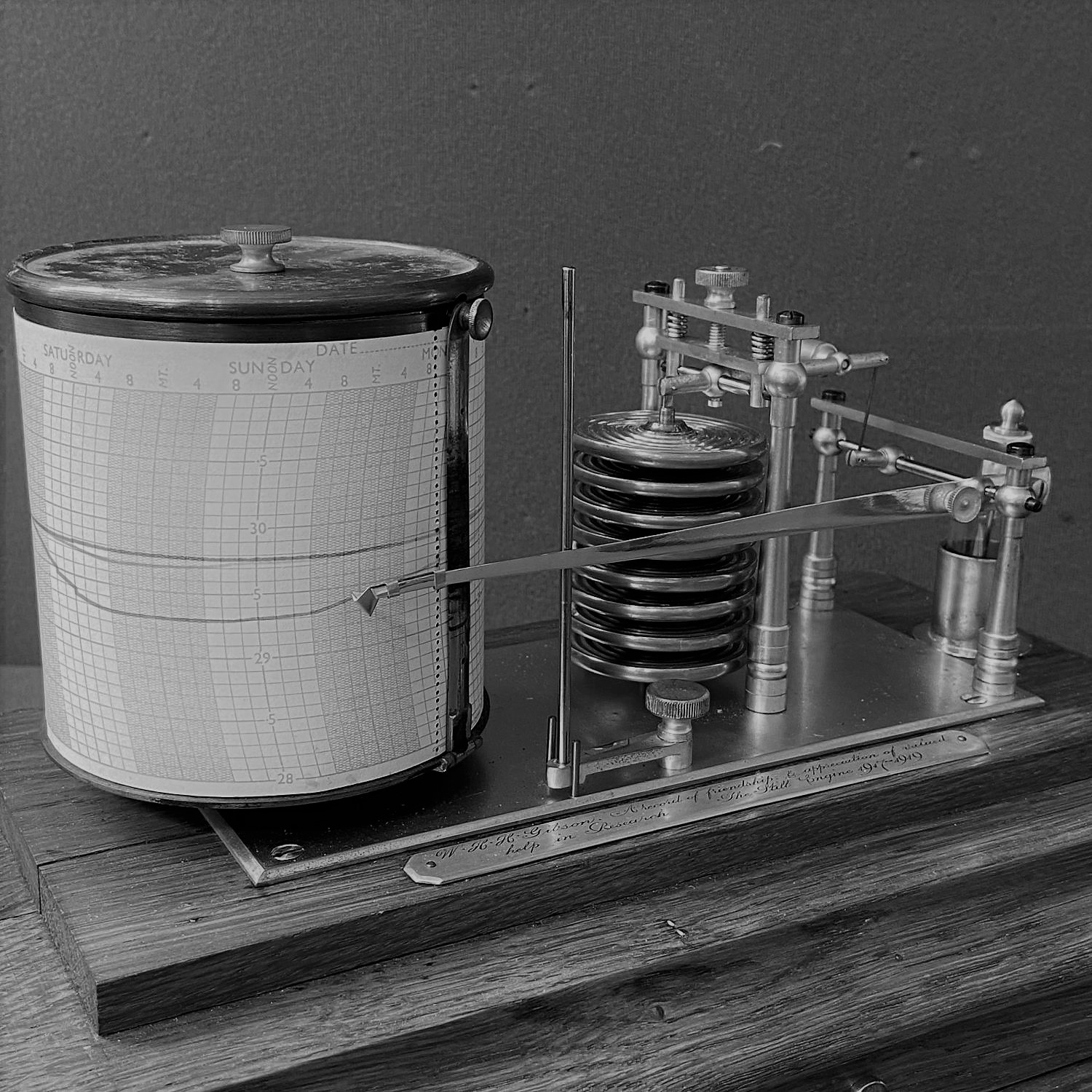
Encontrei-o no cais,
um retângulo de madeira,
um barógrafo, a pena de sua haste rabiscando o papel.

Eu o trouxe para casa para ser
um registro dos ventos,
da pressão crescente,

apto a escrever a sina barométrica
do nosso cotidiano
em um mundo onde

carrinhos de livros levados pelo vento junto ao rio
prometiam palavras selvagens
mas obedeciam ao censor.

Os Bancos em College Green
registravam as Libras nos livros-caixa,
e os centavos à margem.

Enquanto isso, caminhávamos
por estradas velhas,
os olmos morrendo sobre nós. Então,

um outro tempo chegou: nossas telas
se encheram de ceias fúnebres
que assistimos em silêncio,

cada um de nós sentindo
que o que foi mudado
foi mudado para sempre. Ainda assim,

todos os dias a página era riscada,
a pena sempre pronta para ser
o que sempre foi:

escriba de nosso clima irlandês,
sem conhecer sofrimentos, apenas
o tempo que abria, fechava,

abria. Incapaz de compreender os eventos,
apenas o clima
em que eles se desenrolavam.

Trad.: Nelson Santander

The Barograph

I found it on the quays,
a rectangle of wood,
a barograph, its pen arm inking paper.

I brought it home to be
a register of winds,
of rising pressure,

able to write the barometric fate
of our dailyness
back in a world where

windblown book carts by the river
promised wild words
but obeyed the censor.

Banks in College Green
recorded pounds in ledgers,
pennies in the margin.

Meanwhile we were walking
the old roads,
the elms dying over us. Then

another time came: our screens
filled with supper funerals
we watched in silence,

each of us thinking
what was changed
was changed forever. Yet

every day the page was inked,
the pen still ready to be
what it had always been:

scribe of our Irish climate,
knowing no suffering, just
the hours as they opened, closed,

opened. Unable to understand events,
only the weather
in which they happened.

Anna Belle Kaufman – Frio conforto

Quando minha mãe morreu,
um dos seus bolos de mel permaneceu no freezer.
Eu não poderia suportar o seu desaparecimento,
então, abandonado, ele esperou
em sua caverna de gelo atrás das bandejas de metal
por mais dois anos.

No meu quadragésimo primeiro aniversário,
retirei-o de lá,
uma ressurreição retangular,
e sopesei o fardo morto na palma da mão.

Antes que ele descongelasse,
eu cortei, com uma faca serrilhada,
a mais fina das fatias —
Eucaristia Judaica.

Os quadrados âmbar
com suas translúcidas vidraças de nozes
tinham — mesmo os queimados — um gosto de freezer,
de gelo,
uma iguaria em passas provinda
de uma delicatessen do submundo.

Eu ansiava por recordar a vida, não a morte —
o corpo imóvel na cama em sua camisola rosa,
e como me deitei no leito raso dos lençóis espalhados
depois que a levaram embora,
inalando o seu perfume uma última vez.

Fecho meus olhos, saboreio um naco do
bolo sagrado com a minha língua
e tento provar minha mãe, discernir
a mensagem que ela assou nestas fatias
quando estava doente demais para comê-las:

Eu te amo.
Isso vai acabar.
Deixo algo de doce
e com substância
na boca do mundo.

Trad.: Nelson Santander

Cold solace

When my mother died,
one of her honey cakes remained in the freezer.
I couldn’t bear to see it vanish,
so it waited, pardoned,
in its ice cave behind the metal trays
for two more years.

On my forty-first birthday
I chipped it out,
a rectangular resurrection,
hefted the dead weight in my palm.

Before it thawed,
I sawed, with serrated knife,
the thinnest of slices —
Jewish Eucharist.

The amber squares
with their translucent panes of walnuts
tasted — even toasted — of freezer,
of frost,
a raisined delicacy delivered up
from a deli in the underworld.

I yearned to recall life, not death —
the still body in her pink nightgown on the bed,
how I lay in the shallow cradle of the scattered sheets
after they took it away,
inhaling her scent one last time.

I close my eyes, savor a wafer of
sacred cake on my tongue and
try to taste my mother, to discern
the message she baked in these loaves
when she was too ill to eat them:

I love you.
It will end.
Leave something of sweetness
and substance
in the mouth of the world.

Stephen Dunn – Felicidade

Felicidade

Um estado em que não se deve ousar entrar
com a esperança de lá permanecer,
areia movediça nos pântanos, e todos

os caminhos que conduzem
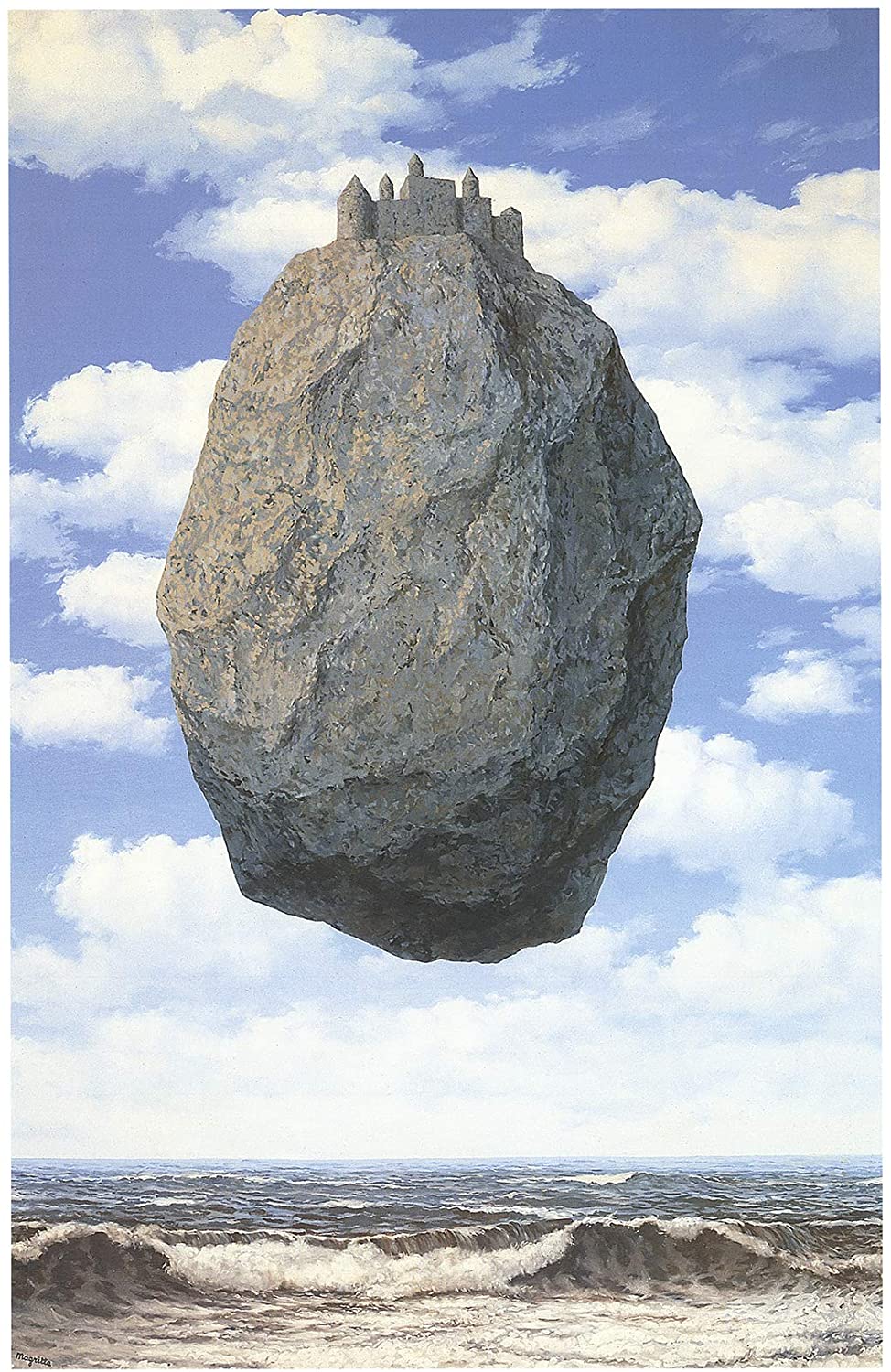
a um castelo que não existe.
Mas lá está ele, como prometido,

com sua ponte perfeita sobre
os crocodilos,
e suas portas perpetuamente abertas.

Trad.: Nelson Santander

Happiness

A state you must dare not enter
with hopes of staying,
quicksand in the marshes, and all

the roads leading to a castle
that doesn’t exist.
But there it is, as promised,

with its perfect bridge above
the crocodiles,
and its doors forever open.

Wendell Berry – O desejo de ser generoso

Tudo a que sirvo morrerá, todos os meus deleites,
a carne acesa de minha carne, jardim e campo,
os lírios silenciosos que se encontram na floresta,
as florestas, a colina, a terra toda, tudo
arderá na maldade humana, ou encolherá
na própria velhice. Que o mundo me proporcione
o sono das trevas sem estrelas, para que eu possa conhecer
minha pequena luz, tirada de mim na semente
do início e do fim, para que eu possa me curvar
ao mistério e assumir minha posição na terra
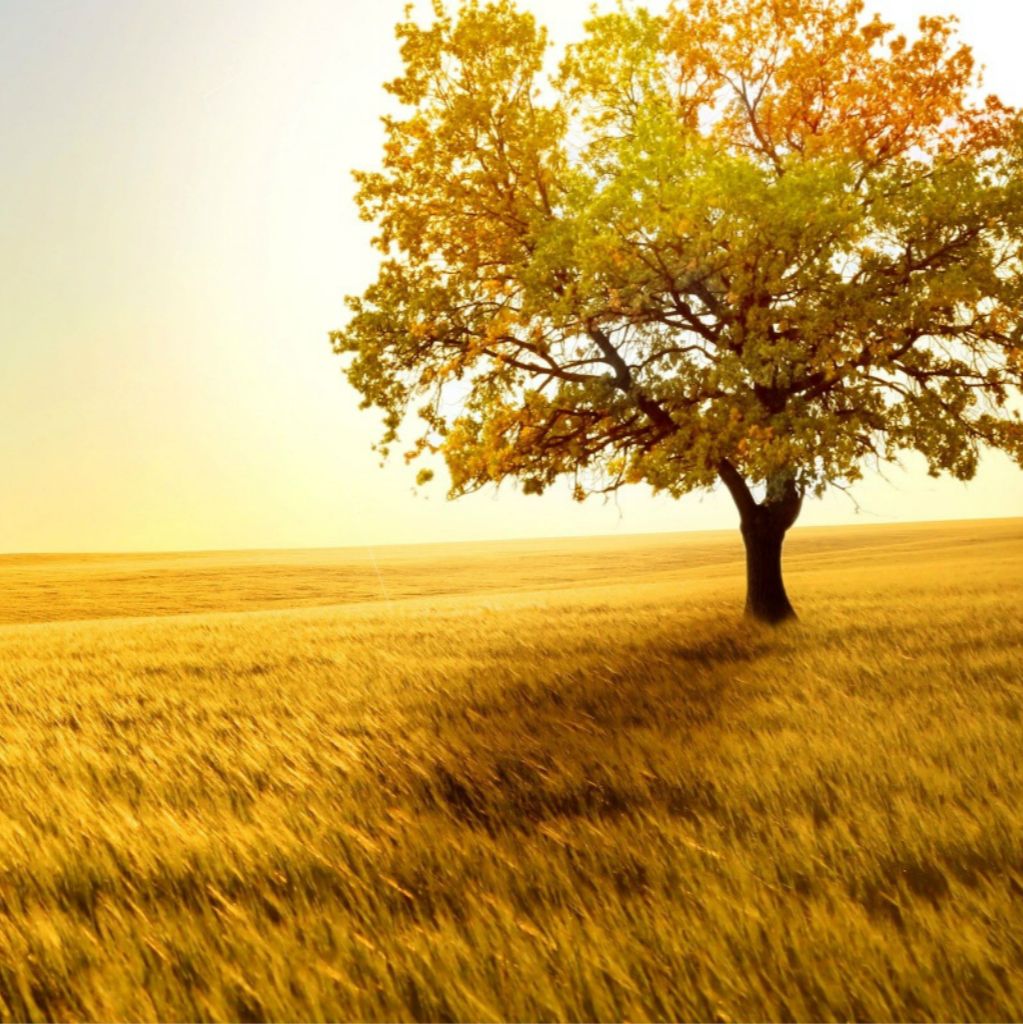
como uma árvore em um campo, transitando sem pressa
ou arrependimento em direção ao que será, minha vida,
uma paciente descida voluntária em direção à relva.

Trad.: Nelson Santander

The Wish to Be Generous

All that I serve will die, all my delights,
the flesh kindled from my flesh, garden and field,
the silent lilies standing in the woods,
the woods, the hill, the whole earth, all
will burn in man’s evil, or dwindle
in its own age. Let the world bring on me
the sleep of darkness without stars, so I may know
my little light taken from me into the seed
of the beginning and the end, so I may bow
to mystery, and take my stand on the earth
like a tree in a field, passing without haste
or regret toward what will be, my life
a patient willing descent into the grass.

Robyn Sarah – Rebitados

É possível que as coisas não fiquem melhores
do que estão agora, ou como imaginamos que estejam.
É possível que já tenhamos ultrapassado o meio agora.
É possível que tenhamos cruzado as Grandes Águas
sem sabe-lo, e que agora estejamos do outro lado.
Sim, acho que já as atravessamos. Agora
estamos recebendo ingressos, e eles não são
ingressos para o espetáculo que tínhamos imaginado,
mas para um espetáculo diferente, claramente inferior.

Verifique novamente: é o nosso próprio nome no envelope.
Os ingressos são para o outro espetáculo.

É possível que saiamos do saguão às escuras
sem esperar pelo último ato: as pessoas o fazem.
Algumas pessoas o fazem. Mas é provável
que permaneçamos sentados em nossos assentos apertados
durante todo o tedioso desenlace
até o previsível final – rebitados, por assim dizer;
fascinados por nossas próprias vidas imperfeitas
porque elas são vidas,
e porque elas são nossas.

Trad.: Nelson Santander

Riveted

It is possible that things will not get better
than they are now, or have been known to be.
It is possible that we are past the middle now.
It is possible that we have crossed the great water
without knowing it, and stand now on the other side.
Yes: I think that we have crossed it. Now
we are being given tickets, and they are not
tickets to the show we had been thinking of,
but to a different show, clearly inferior.

Check again: it is our own name on the envelope.
The tickets are to that other show.

It is possible that we will walk out of the darkened hall
without waiting for the last act: people do.
Some people do. But it is probable
that we will stay seated in our narrow seats
all through the tedious denouement
to the unsurprising end- riveted, as it were;
spellbound by our own imperfect lives
because they are lives,
and because they are ours.

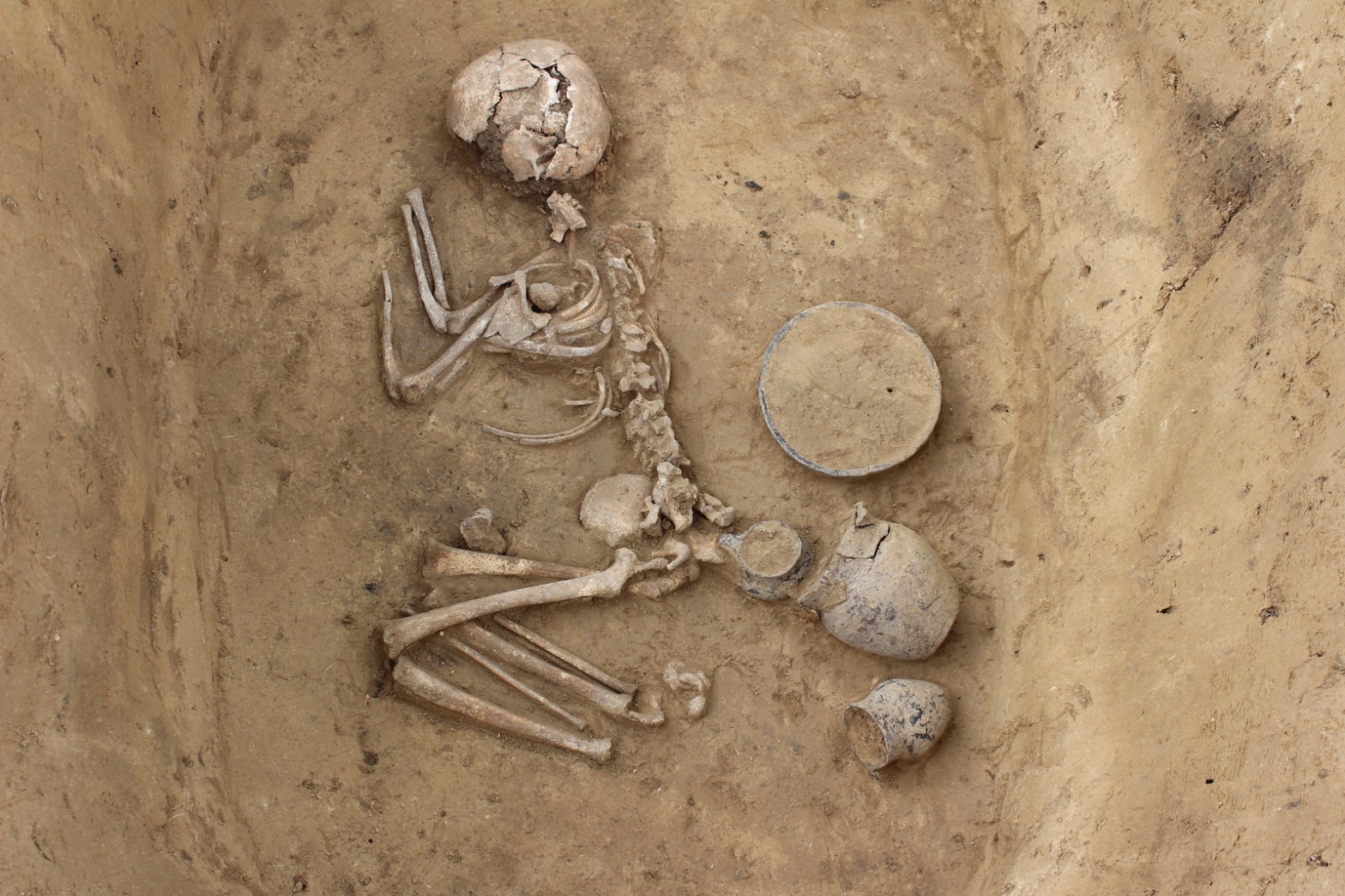
Una Mannion – Sepultado agachado

Eles deslocam a terra com pequenas espátulas e pincéis e
por toda a semana as focas entoam um refrão desolado como se fosse para você.
Primeiro, o pé de uma pequena criança,
movimentos lentos do pincel em seus ossinhos,
sua forma na vala ganhando definição, um lento nascimento
no canto do campo à beira da água.

Você está deitado de lado,
os joelhos puxados contra o peito
os finos ossos de seus braços
segurando-se sem as mãos
sua pesada cabeça inclinada para baixo em direção ao seu corpinho,
uma vírgula na terra,
como uma imagem de ultrassom do útero da terra
onde você permaneceu agachado por anos.

Ao lado de sua caixa torácica, uma solitária conta de vidro azul,
de sua orelha, um anel de bronze,
suas prendas de sepultura.
Se flores e ervas embalaram sua cabeça,
elas agora são pó.
Alguém o trouxe aqui
e o deitou cuidadosamente,
sua morte, um segredo, sua história, enterrada.

Na baía da lua
na ponta de terra onde o encontraram
os monturos estratificados se estendem em camadas temporais, como anéis de crescimento.
Agora é nossa vez na superfície do tempo
você e sua conta enterrada, a pré-história,
antes que houvesse palavras escritas para lembrar.
Uma sequência de dentes-de-leite ao longo do osso de sua mandíbula e
e os brotos para os dentes permanentes indicam sua idade.
Você tem dezoito meses.

Seus ossos no monturo são um mistério
As pessoas da Idade do Ferro não enterravam seus mortos
os corpos eram deixados ao vento, ou aos lobos ou às águas.
Mas não você.
Talvez tocando suas frias bochechas sua mãe
não pode abandonar seu corpo para a noite,
e para cá, onde a terra se projeta em direção ao mar e a maré se move,
um lugar que ela poderia encontrar novamente,
ela o trouxe.

Trad.: Nelson Santander

Crouched Burial

They move the earth with small trowels and brushes and
all week the seals sing a desolate chorus as if for you.
First a small child’s foot
slow sweeps of the brush across your small bones,
your shape in the ditch, taking definition, a slow birth
in the corner of the field by the water’s edge.

You are lying on your side
knees pulled into your chest
the thin bones of your arms
holding yourself without your hands
your heavy head bent low toward your small body,
a comma in the earth,
like an ultra sound picture of the earth’s womb
where you lay crouched for years.

Beside your ribcage, a single blue glass bead
for your ear a bronze ring,
your grave gifts.
If flowers and herbs cradled your head,
they are dust now.
Someone brought you here
and laid you down with care
your death a secret, your story buried.

In the moon bay
at the edge of earth where they found you
the midden’s shelves layer time, like growth rings.
Now is our turn on the surface of time
you and your buried bead, prehistory,
before there were written words to remember with.
A sequence of milk teeth along the bone of your jaw and
the buds to permanent ones spell your age.
You are eighteen months old.

Your bones in the midden are a mystery
Iron Age people didn’t bury their dead
bodies were left to wind, or wolves or water.
But not you.
Perhaps touching your cold cheek your mother
could not abandon your body to the night
and here, where the land juts out toward the sea and the tide moves,
a place she might find again,
she brought you.

Lisel Mueller – Imortalidade

No castelo da Bela Adormecida
o relógio bate cem anos
e a garota na torre volta ao mundo.
O mesmo ocorre com os criados na cozinha,
que nem sequer esfregam os olhos.
A mão direita do cozinheiro, levantada
há exatamente um século,
completa seu arco descendente
até a orelha esquerda do ajudante de cozinha;
as tensas cordas vocais do garoto
libertam finalmente
o sofrido lamento aprisionado,
e a mosca, capturada no meio de um salto
acima da torta de morango,
cumpre sua missão permanente
e mergulha no doce e vermelho esmalte.

Quando criança, eu tinha um livro
com uma gravura dessa cena.
Eu era muito jovem para perceber
como o medo persiste, e como
o ódio que provoca o medo persiste,
que sua trajetória não pode ser alterada
ou rompida, apenas interrompida.
Minha atenção estava na mosca;
no fato de que este corpo leve
com suas asas transparentes
e o tempo de vida de um dia humano
ainda ansiava por sua cota particular
de doçura, um século depois.

Trad.: Nelson Santander

Immortality

In Sleeping Beauty’s castle
the clock strikes one hundred years
and the girl in the tower returns to the world.
So do the servants in the kitchen,
who don’t even rub their eyes.
The cook’s right hand, lifted
an exact century ago,
completes its downward arc
to the kitchen boy’s left ear;
the boy’s tensed vocal cords
finally let go
the trapped, enduring whimper,
and the fly, arrested mid-plunge
above the strawberry pie,
fulfills its abiding mission
and dives into the sweet, red glaze.

As a child I had a book
with a picture of that scene.
I was too young to notice
how fear persists, and how
the anger that causes fear persists,
that its trajectory can’t be changed
or broken, only interrupted.
My attention was on the fly;
that this slight body
with its transparent wings
and lifespan of one human day
still craved its particular share
of sweetness, a century later.

Jeanne Marie Beaumont – Receio que sim

Está começando a chover?
O cheque foi devolvido?
Estamos sem café?
Vai doer?
Você pode perder seu emprego?
O vidro quebrou?
A bagagem foi extraviada?
Vai ficar na minha ficha?
Você está perdendo muito dinheiro?
Alguém ficou ferido?
O trânsito está pesado?
Eu tenho que tirar minhas roupas?
Vai deixar uma cicatriz?
Você tem que ir?
Isso sairá nos jornais?
Meu tempo já acabou?
Veremos o substituto?
Afetará a minha visão?
Todos os livros foram queimados?
Você ainda fuma?
O osso está quebrado?
Terei que coloca-lo para dormir?
O carro foi destruído?
Sou responsável por essas despesas?
Você tem alguma doença contagiosa?
Teremos que esperar muito?
A pista está congelada?
A arma estava carregada?
Isso pode causar efeitos colaterais?
Você sabe quem a traiu?
A ferida está infeccionada?
Estamos perdidos?
Vai piorar?

Trad.: Nelson Santander

Afraid so

Is it starting to rain?
Did the check bounce?
Are we out of coffee?
Is this going to hurt?
Could you lose your job?
Did the glass break?
Was the baggage misrouted?
Will this go on my record?
Are you missing much money?
Was anyone injured?
Is the traffic heavy?
Do I have to remove my clothes?
Will it leave a scar?
Must you go?
Will this be in the papers?
Is my time up already?
Are we seeing the understudy?
Will it affect my eyesight?
Did all the books burn?
Are you still smoking?
Is the bone broken?
Will I have to put him to sleep?
Was the car totaled?
Am I responsible for these charges?
Are you contagious?
Will we have to wait long?
Is the runway icy?
Was the gun loaded?
Could this cause side effects?
Do you know who betrayed you?
Is the wound infected?
Are we lost?
Will it get any worse?