Louise Glück – Solstício de verão

Como posso ajuda-los quando todos desejam
coisas distintas — luz do sol e sombra,
tempo seco e umidade sombria —

Ouçam a si próprios, competindo uns com os outros —

E se perguntam
por que desespero por vocês,
achando que algo pode fundi-los em um todo —

o ar imóvel do auge do verão
entrelaçado com mil vozes

cada qual clamando
por alguma necessidade, alguma verdade absoluta

e, sob essa rubrica, continuamente
estrangulando uns aos outros
em campo aberto —

Por quê? Por espaço e ar?
Pelo privilégio de serem
singulares aos olhos do divino?

Vocês não foram destinados
a serem singulares. Vocês eram
minha personificação, toda a diversidade,

e não o que pensam ver
perscrutando o céu brilhante sobre a campina,
suas almas acessórias
fixas como telescópios em alguma
ampliação de si mesmos —

Por que eu os criaria se pretendesse
me limitar
ao signo ascendente,
à estrela, ao fogo, à fúria?

Trad.: Nelson Santander

Midsummer

How can I help you when you all want
different things — sunlight and shadow,
moist darkness, dry heat —

Listen to yourselves, vying with one another —

And you wonder
why I despair of you,
you think something could fuse you into a whole —

the still air of high summer
tangled with a thousand voices

each calling out
some need, some absolute

and in that name continually
strangling each other
in the open field —

For what? For space and air?
The privilege of being
single in the eyes of heaven?

You were not intended
to be unique. You were
my embodiment, all diversity

not what you think you see
searching the bright sky over the field,
your incidental souls
fixed like telescopes on some
enlargement of yourselves —

Why would I make you if I meant
to limit myself
to the ascendant sign,
the star, the fire, the fury?
Louise Glück – A porta de entrada

Eu queria permanecer como eu era,
imóvel como o mundo raramente fica,
não no solstício de verão, mas no momento anterior
à flor fundamental se formar, o momento
em que nada ainda é passado —

não o solstício de verão, intoxicante,
mas a tardia primavera, a grama ainda não
alta nos limites do jardim, as primeiras tulipas
começando a desabrochar —

como uma criança à espreita na
porta de entrada, observando os outros,
aqueles que partem primeiro,
um aglomerado de membros tensos, atentos
às falhas alheias, às hesitações públicas

com a confiança destemida de uma criança na iminência do poder
preparando-se para derrotar
essas fraquezas, para ceder
a nada, o momento imediatamente

anterior à floração, a era da maestria

antes da manifestação do presente,
antes da posse.

Trad.: Nelson Santander

The doorway

I wanted to stay as I was,
still as the world is never still,
not in midsummer but the moment before
the first flower forms, the moment
nothing is as yet past —

not midsummer, the intoxicant,
but late spring, the grass not yet
high at the edge of the garden, the early tulips
beginning to open —

like a child hovering in a doorway, watching the others,
the ones who go first,
a tense cluster of limbs, alert to
the failures of others, the public falterings

with a child’s fierce confidence of imminent power
preparing to defeat
these weaknesses, to succumb
to nothing, the time directly

prior to flowering, the epoch of mastery

before the appearance of the gift,
before possession.

Louise Glück – Céu e terra

Onde um acaba, a outra começa.
No alto, uma faixa de azul; abaixo,
uma faixa de verde e dourado, verde e rosa profundo.

John está no horizonte: ele quer
ambos ao mesmo tempo, ele quer
tudo de uma vez.

Os extremos são fáceis. Apenas
o meio é um enigma. Meio do verão —
tudo é possível.

Significado: a vida nunca mais terá fim.

Como posso deixar meu marido
no jardim,
sonhando com tal coisa, segurando
seu rastelo, preparando-se
para anunciar triunfantemente essa descoberta,
enquanto as chamas do sol de verão
verdadeiramente se detêm,
totalmente contidas pelos
carvalhos acesos
na divisa do jardim?

Trad.: Nelson Santander

Heaven and earth

Where one finishes, the other begins.
On top, a band of blue; underneath,
a band of green and gold, green and deep rose.

John stands at the horizon: he wants
both at once, he wants
everything at once.

The extremes are easy. Only
the middle is a puzzle. Midsummer —
everything is possible.

Meaning: never again will life end.

How can I leave my husband
standing in the garden
dreaming this sort of thing, holding
his rake, triumphantly
preparing to announce this discovery
as the fire of the summer sun
truly does stall
being entirely contained by
the burning maples
at the garden’s border.

Louise Glück – Matinas (7)

Não apenas o sol mas a própria
terra brilha, fogo branco
irrompendo das imponentes montanhas
e da estrada plana
tremeluzindo nas primeiras horas da manhã: será isso
apenas para nós, para provocar uma
resposta, ou você também
fica mexido, incapaz
de se conter
na presença da terra? Sinto vergonha
do que eu pensava que você fosse,
distante de nós, nos observando
como um experimento: é
amargo ser
o animal descartável,
amargo. Caro amigo,
querido parceiro vacilante, o que
mais o surpreende no que você sente,
o esplendor da terra ou seu próprio regozijo?
Para mim, sempre
o regozijo é a surpresa.

Trad.: Nelson Santander

Matins

Not the sun merely but the earth
itself shines, white fire
leaping from the showy mountains
and the flat road
shimmering in early morning: is this
for us only, to induce
response, or are you
stirred also, helpless
to control yourself
in earth’s presence – I am ashamed
at what I thought you were,
distant from us, regarding us
as an experiment: it is
a bitter thing to be
the disposable animal,
a bitter thing. Dear friend,
dear trembling partner, what
surprises you most in what you feel,
earth’s radiance or your own delight?
For me, always
the delight is the surprise.

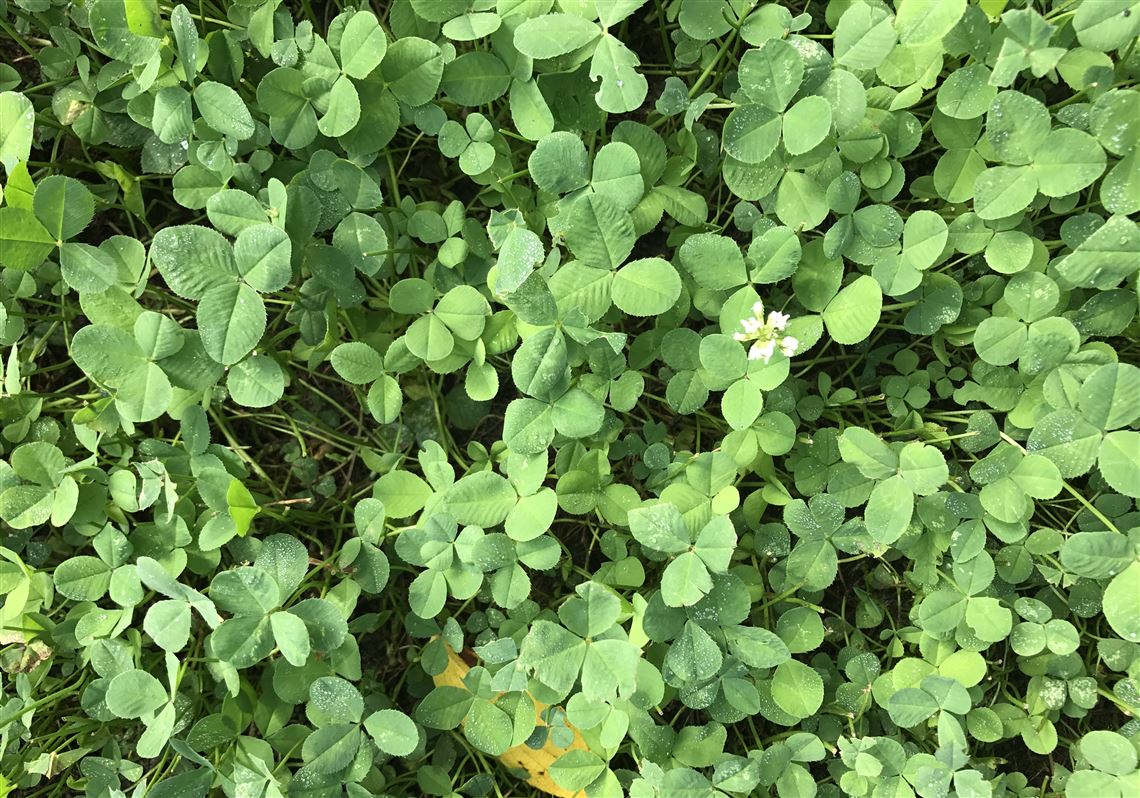
Louise Glück – Trevo

O que está disperso
entre nós, que você chama
de sinal de bem-aventurança,
embora seja, como nós,
uma erva daninha, uma coisa
para ser extirpada —

qual lógica
o faz reter
um único broto
de algo que deseja
morto?

Se há alguma presença entre nós
tão poderosa, não deveria ela
se multiplicar, a serviço
do adorado jardim?

Você mesmo deveria
estar fazendo essas perguntas,
não deixando-as
para suas vítimas. Você deve saber
que quando se vangloria entre nós,
ouço duas vozes se pronunciando,
uma, do seu espírito, outra,
dos atos de suas mãos.

Trad.: Nelson Santander

Clover

What is dispersed
among us, which you call
the sign of blessedness
although it is, like us,
a weed, a thing
to be rooted out —

by what logic
do you hoard
a single tendril
of something you want
dead?

If there is any presence among us
so powerful, should it not
multiply, in service
of the adored garden?

You should be asking
these questions yourself,
not leaving them
to your victims. You should know
that when you swagger among us
I hear two voices speaking,
one your spirit, one
the acts of your hands.

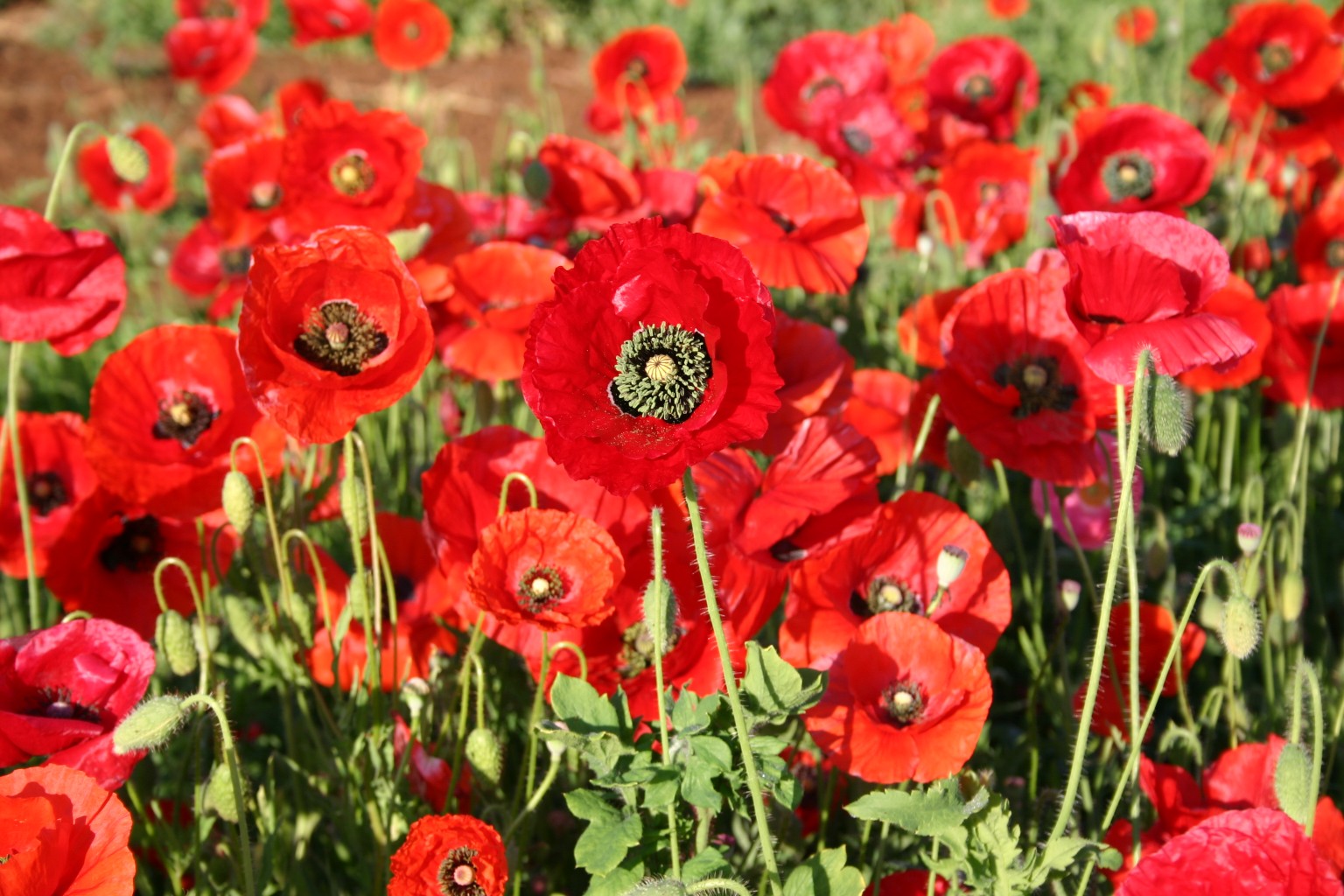
Louise Glück – A papoula vermelha

O melhor de tudo
é não ter
uma mente. Sentimentos:
oh, eu os tenho; eles
me governam. Tenho
um senhor no céu
chamado sol, e me abro
a ele, mostrando-lhe
o fogo do meu próprio coração, ardente
como a sua presença.
O que poderia ser tal glória
se não um coração? Oh meus irmãos e irmãs,
vocês já foram como eu, tempos atrás,
antes de se tornarem humanos?
Já se permitiram
se abrir uma vez, o que nunca
mais se abriria? Porque na verdade
estou falando agora do modo
como vocês falam. Eu falo
porque estou despedaçada.

Trad.: Nelson Santander

The red poppy

The great thing
is not having
a mind. Feelings:
oh, I have those; they
govern me. I have
a lord in heaven
called the sun, and open
for him, showing him
the fire of my own heart, fire
like his presence.
What could such glory be
if not a heart? Oh my brothers and sisters,
were you like me once, long ago,
before you were human? Did you
permit yourselves
to open once, who would never
open again? Because in truth
I am speaking now
the way you do. I speak
because I am shattered.

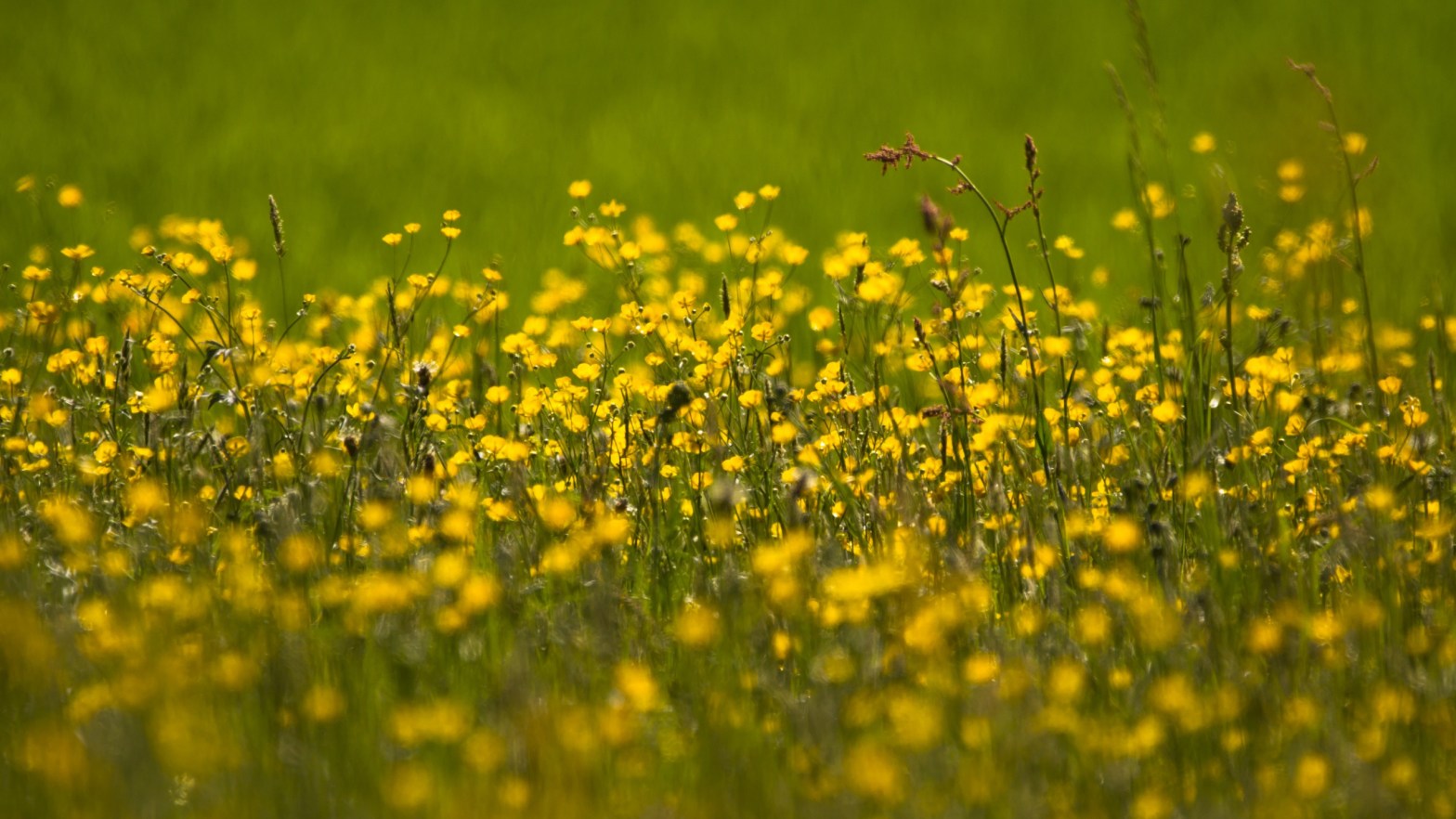
Louise Glück – Campo de flores

O que você está dizendo? Que deseja
vida eterna? Seus pensamentos realmente
são tão convincentes assim? Certamente
você não nos vê, não nos ouve,
mancha de sol
em sua pele, pó
de ranúnculos amarelos: estou
falando com você, aí, olhando fixamente
através das barras de grama alta que agitam
seus pequenos chocalhos — Ó
alma! a alma! É suficiente
apenas olhar para dentro? O desprezo
pela humanidade é uma coisa, mas por que
desdenhar o amplo
campo, para que esse olhar de desprezo sobre
os alvos ranúnculos silvestres? Sua limitada
ideia de paraíso: ausência
de mudança. É melhor do que a terra? Como
poderia saber quem não está nem cá
nem lá, em pé no meio de nós?

Trad.: Nelson Santander

Field flowers

What are you saying? That you want
eternal life? Are your thoughts really
as compelling as all that? Certainly
you don’t look at us, don’t listen to us,
on your skin
stain of sun, dust
of yellow buttercups: I’m talking
to you, you staring through
bars of high grass shaking
your little rattle — O
the soul! the soul! Is it enough
only to look inward? Contempt
for humanity is one thing, but why
disdain the expansive
field, your gaze rising over the clear heads
of the wild buttercups into what? Your poor
idea of heaven: absence
of change. Better than earth? How
would you know, who are neither
here nor there, standing in our midst?

Louise Glück – Canção

Como um coração blindado,
o botão vermelho-vivo
da rosa silvestre começa
a desabrochar no ramo mais baixo,
sustentado pela malha
reticulada de um arbusto robusto:
ela floresce contra a escuridão,
que é o cenário constante
do coração, enquanto as flores
mais acima murcham ou apodrecem;
sobreviver
à adversidade apenas
acentua sua cor. Mas John
objeta, ele acredita que
se isto não fosse um poema, mas
sim um jardim de verdade, então a
rosa vermelha seria
obrigada a não se assemelhar
a nada mais, nem
a outra flor, nem
ao coração sombrio, no
nível do solo, pulsando,
meio marrom, meio carmim.

Trad.: Nelson Santander

Song

Like a protected heart,
the blood-red
flower of the wild rose begins
to open on the lowest branch,
supported by the netted
mass of a large shrub:
it blooms against the dark
which is the heart’s constant
backdrop, while flowers
higher up have wilted or rotted;
to survive
adversity merely
deepens its color. But John
objects, he thinks
if this were not a poem but
an actual garden, then
the red rose would be
required to resemble
nothing else, neither
another flower nor
the shadowy heart, at
earth level pulsing
half maroon, half crimson.

Louise Glück – Matinas (6)

O que é o meu coração para você
que precisa parti-lo repetidas vezes
como um jardineiro testando
sua nova espécie? Pratique
em algo diferente: como posso viver
em colônias, como você prefere, se impõe
uma quarentena de aflição, apartando-me
de membros saudáveis de
minha própria tribo? Você não faz isso
no jardim, não segrega
a rosa doente; permite que ela balance suas sociáveis
folhas infestadas nos
rostos de outras rosas, e os pequenos pulgões
saltam de planta em planta, provando uma vez mais
que eu sou a mais ínfima de suas criaturas, abaixo
do próspero pulgão e da rosa rastejante — Pai,
como agente da minha solidão, alivie
ao menos minha culpa; remova
o estigma do isolamento, a menos
que seja o seu plano fazer-me sentir
eterna novamente, como me
senti em toda a minha equivocada infância,
ou sob o leve peso
do coração de minha mãe, ou então,
em sonho, o primeiro
ser que nunca morrerá.

Trad.: Nelson Santander

Matins

What is my heart to you
that you must break it over and over
like a plantsman testing
his new species? Practice
on something else: how can I live
in colonies, as you prefer, if you impose
a quarantine of affliction, dividing me
from healthy members of
my own tribe: you do not do this
in the garden, segregate
the sick rose; you let it wave its sociable
infested leaves in
the faces of other roses, and the tiny aphids
leap from plant to plant, proving yet again
I am the lowest of your creatures, following
the thriving aphid and the trailing rose — Father,
as agent of my solitude, alleviate
at least my guilt; lift
the stigma of isolation, unless
it is your plan to make me
sound forever again, as I was
sound and whole in my mistaken childhood,
or if not then, under the light weight
of my mother’s heart, or if not then,
in dream, first
being that would never die.

Louise Glück – Matinas (5)

Quer saber como passo o meu tempo?
Eu caminho pelo jardim, fingindo
que estou capinando. Deve saber
que nunca estou capinando, de joelhos, extirpando
tufos de trevos dos canteiros de flores: na verdade,
estou em busca de coragem, de alguma evidência
de que minha vida irá mudar, ainda que
isso leve uma eternidade, verificando
cada touceira em busca da folha
simbólica, e logo o verão se encerra, já
as folhas se transformam, invariavelmente as árvores débeis
partem primeiro, as moribundas se tornam
amarelo-brilhantes, enquanto alguns pássaros pretos executam
seu toque de recolher musical. Quer ver minhas mãos?
Tão vazias agora quanto na primeira nota.
Ou o propósito sempre foi
continuar sem um sinal?

Trad.: Nelson Santander

Matins

You want to know how I spend my time?
I walk the front lawn, pretending
to be weeding. You ought to know
I’m never weeding, on my knees, pulling
clumps of clover from the flower beds: in fact
I’m looking for courage, for some evidence
my life will change, though
it takes forever, checking
each clump for the symbolic
leaf, and soon the summer is ending, already
the leaves turning, always the sick trees
going first, the dying turning
brilliant yellow, while a few dark birds perform
their curfew of music. You want to see my hands?
As empty now as at the first note.
Or was the point always
to continue without a sign?