Louise Glück – Colheita

Entristece-me pensar em vocês no passado —

Olhe para vocês, agarrando-se cegamente à terra
como se fossem os vinhedos do paraíso
enquanto os campos ardem ao redor —

Ah, pequeninos, como são pouco sutis:
isso é ao mesmo tempo o dom e o tormento.

Se o que temem na morte
é uma punição além disso, não precisam
temer a morte:

quantas vezes devo destruir minha própria criação
para ensinar-lhes
que esta é a sua punição:

com um gesto, eu os estabeleci
no tempo e no paraíso.

Trad.: Nelson Santander

Harvest

It grieves me to think of you in the past —

Look at you, blindly clinging to earth
as though it were the vineyards of heaven
while the fields go up in flames around you —

Ah, little ones, how unsubtle you are:
it is at once the gift and the torment.

If what you fear in death
is punishment beyond this, you need not
fear death:

how many times must I destroy my own creation
to teach you
this is your punishment:

with one gesture I established you
in time and in paradise.
Louise Glück – Escuridão Inicial

Como podem afirmar
que a terra deveria me dar alegria? Cada coisa
nascida é meu fardo; não posso prosperar
com todos vocês.

E vocês gostariam de ditar para mim,
gostariam de me dizer
quem entre vocês é mais valioso,
quem mais se assemelha a mim.
E apresentam como exemplo
a vida pura, o desapego
que lutam para alcançar —

Como vocês podem me entender
quando vocês mesmos não se compreendem?
Sua memória não é
poderosa o suficiente, não
alcançará longe o bastante —
Nunca se esqueçam que vocês são meus filhos.
Vocês não sofrem por terem se tocado,
mas porque nasceram,
porque exigiram uma vida
separada de mim.

Trad.: Nelson Santander

Early darkness

How can you say
earth should give me joy? Each thing
born is my burden; I cannot succeed
with all of you.

And you would like to dictate to me,
you would like to tell me
who among you is most valuable,
who most resembles me.
And you hold up as an example
the pure life, the detachment
you struggle to achieve —

How can you understand me
when you cannot understand yourselves?
Your memory is not
powerful enough, it will not
reach back far enough —
Never forget you are my children.
You are not suffering because you touched each other
but because you were born,
because you required life
separate from me.

Louise Glück – Vésperas (6)

Você pensou que nós não soubéssemos. Mas nós sabíamos,
as crianças sabem dessas coisas. Não vire as costas agora –
     nós habitávamos
uma mentira para apaziguá-lo. Eu me lembro
da luz do sol do início da primavera, os taludes
reticulados por vincas roxas. Eu me lembro
de me deitar em um campo, roçando o corpo de meu irmão.
Não vire as costas agora; nós negamos
as memórias para consola-lo. Nós o imitamos, recitando
os termos de nossa punição. Eu me lembro
de parte disso, não de tudo: o engano
começa com o esquecimento. Eu me lembro de pequenas coisas, flores
crescendo sob o espinheiro branco, os sinos
da scilla selvagem. Não de tudo, mas o suficiente
para saber que você existe. Quem mais teria motivos para criar
desconfiança entre um irmão e uma irmã além daquele
que lucrou, a quem nos voltamos em solidão? Quem mais
invejaria tanto o vínculo que tínhamos na época
a ponto de dizer-nos que não era a terra
mas o céu que estávamos perdendo?

Trad.: Nelson Santander

Vespers

You thought we didn’t know. But we knew once,
children know these things. Don’t turn away now —
     we inhabited
a lie to appease you. I remember
sunlight of early spring, embankments
netted with dark vinca. I remember
lying in a field, touching my brother’s body.
Don’t turn away now; we denied
memory to console you. We mimicked you, reciting
the terms of our punishment. I remember
some of it, not all of it: deceit
begins as forgetting. I remember small things, flowers
growing under the hawthorn tree, bells
of the wild scilla. Not all, but enough
to know you exist: who else had reason to create
mistrust between a brother and sister but the one
who profited, to whom we turned in solitude? Who else
would so envy the bond we had then
as to tell us it was not earth
but heaven we were losing?

Louise Glück – Vésperas (5)

Assim como você apareceu para Moisés, porque
eu necessito de você, você aparece para mim,
raramente, porém. Eu vivo essencialmente
nas trevas. Você talvez esteja me treinando para ser
mais responsiva ao menor clarão. Ou, como os poetas,
será que o desespero o estimula, o sofrimento
o leva a revelar sua natureza? Esta tarde,
no mundo material ao qual você normalmente
contribui com seu silêncio, subi
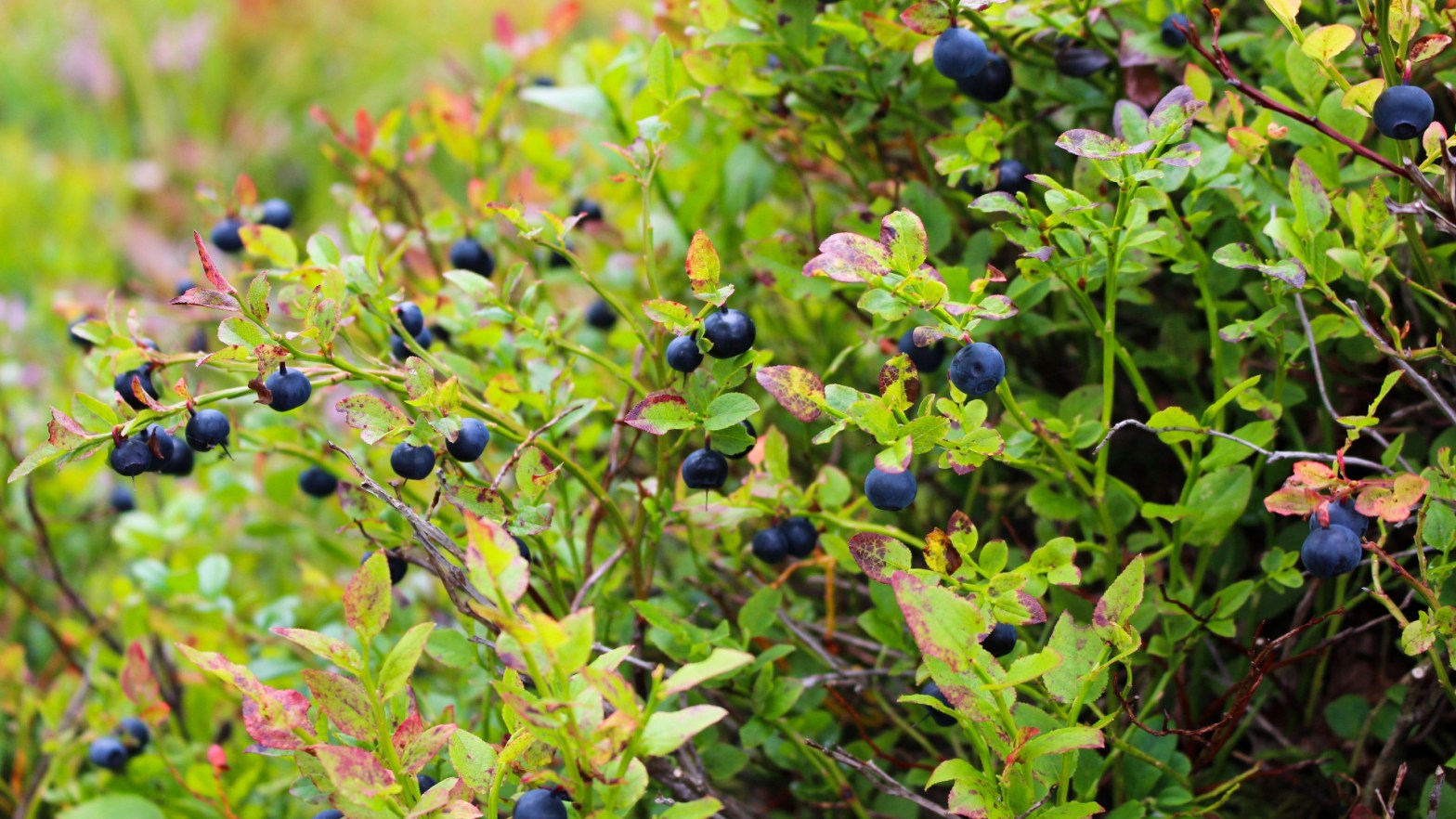
a pequena colina acima dos mirtilos silvestres, metafisicamente
descendo, como em todas as minhas caminhadas: teria eu ido fundo o suficiente
para que você tivesse piedade de mim, da mesma forma como às vezes se apieda
de outros que sofrem, favorecendo aqueles
com dons teológicos? Como você previu,
não olhei para cima. Então você veio até mim:
aos meus pés, não as folhas
enceradas dos mirtilos silvestres, mas o seu ardente eu, uma pastagem
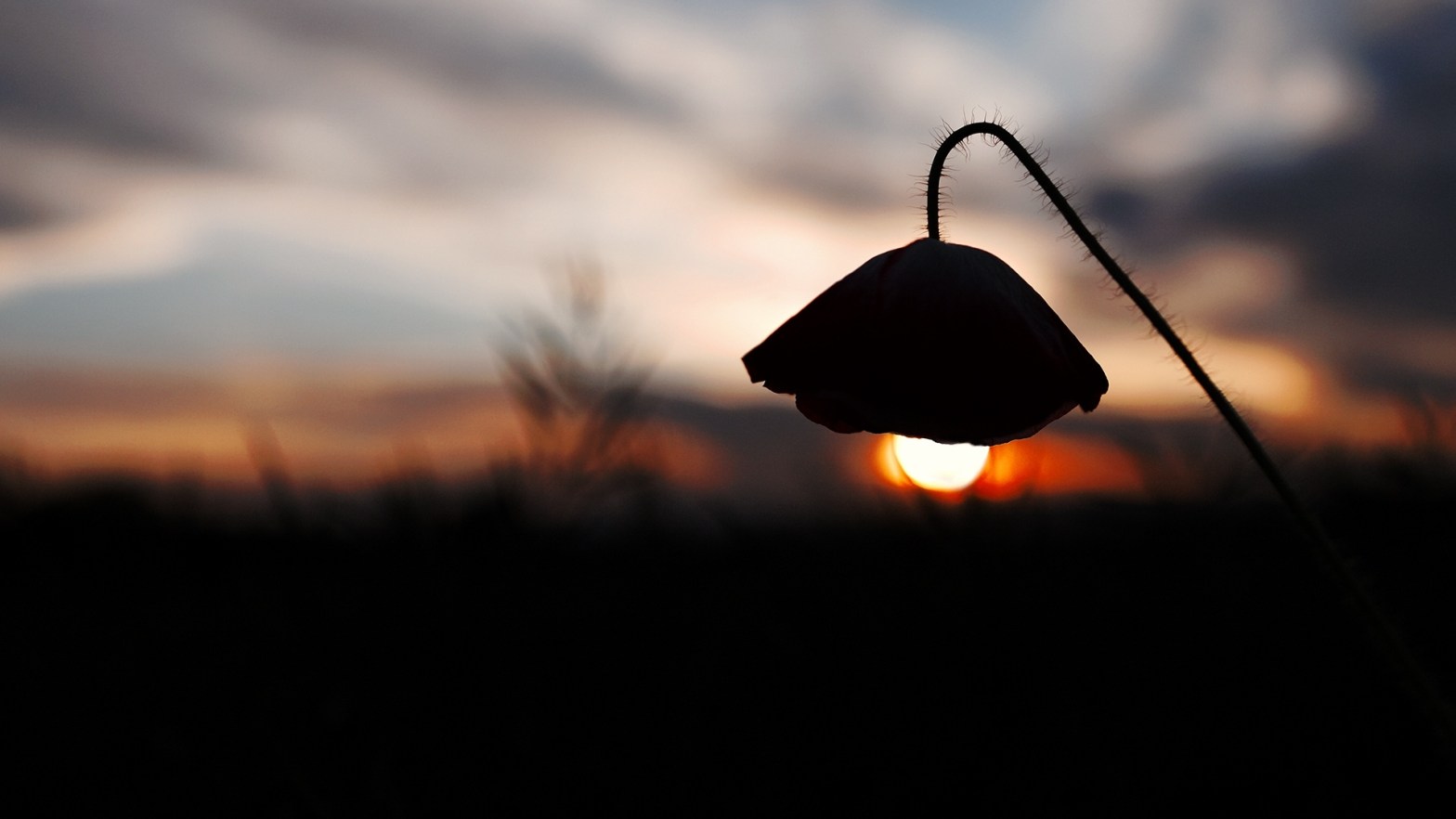
inteira em chamas, e além, o sol, nem se pondo, nem nascendo –
Eu não era uma criança; podia tirar vantagem das ilusões.

Trad.: Nelson Santander

Vespers

Even as you appeared to Moses, because
I need you, you appear to me, not
often, however. I live essentially
in darkness. You are perhaps training me to be
responsive to the slightest brightening. Or, like the poets,
are you stimulated by despair, does grief
move you to reveal your nature? This afternoon,
in the physical world to which you commonly
contribute your silence, I climbed
the small hill above the wild blueberries, metaphysically
descending, as on all my walks: did I go deep enough
for you to pity me, as you have sometimes pitied
others who suffer, favoring those
with theological gifts? As you anticipated,
I did not look up. So you came down to me:
at my feet, not the wax
leaves of the wild blueberry but your fiery self, a whole
pasture of fire, and beyond, the red sun neither falling nor rising—
I was not a child; I could take advantage of illusions.

Louise Glück – Vésperas (4)

Eu não me pergunto mais onde você está.
Você está no jardim; você está onde John está,
na terra, absorto, segurando sua pequena pá verde.
É assim que ele jardina: quinze minutos de intenso esforço,
quinze minutos de estática contemplação. Às vezes,
trabalho ao lado dele, fazendo as tarefas à sombra,
capinando, esfolhando as alfaces; às vezes, o observo
do alpendre próximo ao jardim superior até que o crepúsculo transforme
em luzes os primeiros lírios: durante todo esse tempo,
a paz nunca o abandona. Mas ela passa por mim,
não como o sustento que as flores retêm,
mas como uma luz brilhante através da árvore nua.

Trad.: Nelson Santander

Vespers

I don’t wonder where you are anymore.
You’re in the garden; you’re where John is,
in the dirt, abstracted, holding his green trowel.
This is how he gardens: fifteen minutes of intense effort,
fifteen minutes of estatic contemplation. Sometimes
I work beside him, doing the shade chores,
weeding, thinning the lettuces; sometimes I watch
from the porch near the upper garden until twilight makes
lamps of the first lilies: all this time,
peace never leaves him. But it rushes through me,
not as sustenance the flower holds,
but like the bright light through the bare tree.

Louise Glück – Fim de verão

Depois de tudo o que me ocorreu,
o vazio me ocorreu.

Há um limite
para o prazer que tive na forma —

Eu não sou como vocês nisso,
Não tenho liberdade em outro corpo,

Não preciso
de abrigo fora de mim —

Minha pobre inspirada
criação, vocês são
distrações, enfim,
meras limitações; no final,
vocês são muito pouco parecidas comigo
para me agradar.

E tão intransigentes —
querem ser compensadas
pelos seus desaparecimentos,
tudo pago com algum pedaço de terra,
algum souvenir, como vocês já foram uma vez
recompensadas pelo trabalho,
o escriba pago
em prata, o pastor em cevada

embora não seja a terra
duradoura, não com
essas pequenas lascas de matéria —

se abrissem os seus olhos
vocês me veriam, e veriam
o vazio do céu
espelhado na terra, os campos
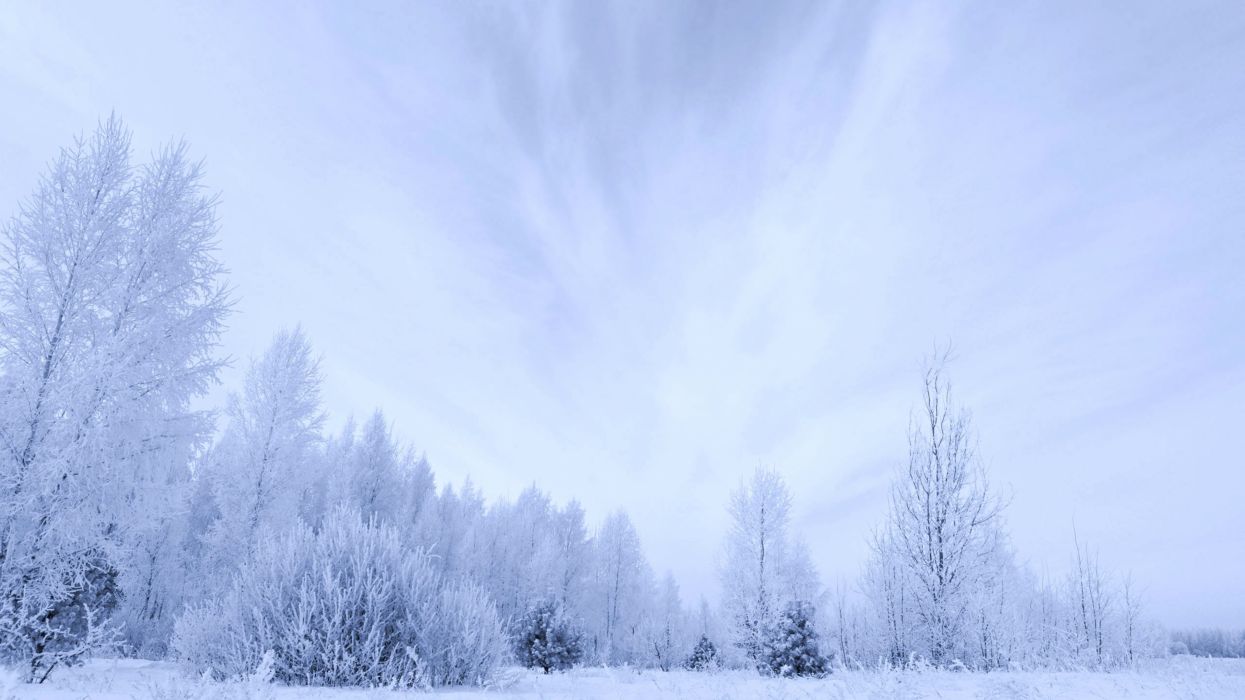
vazios novamente, sem vida, cobertos de neve —

a luz branca, nessa altura,
não mais disfarçada de matéria.

Trad.: Nelson Santander

End of summer

After all things occurred to me,
the void occurred to me.

There is a limit
to the pleasure I had in form —

I am not like you in this,
I have no release in another body,

I have no need
of shelter outside myself —

My poor inspired
creation, you are
distractions, finally,
mere curtailment; you are
too little like me in the end
to please me.

And so adamant —
you want to be paid off
for your disappearance,
all paid in some part of the earth,
some souvenir, as you were once
rewarded for labor,
the scribe being paid
in silver, the shepherd in barley

although it is not earth
that is lasting, not
these small chips of matter—

If you would open your eyes
you would see me, you would see
the emptiness of heaven
mirrored on earth, the fields
vacant again, lifeless, covered with snow—

then white light
no longer disguised as matter.

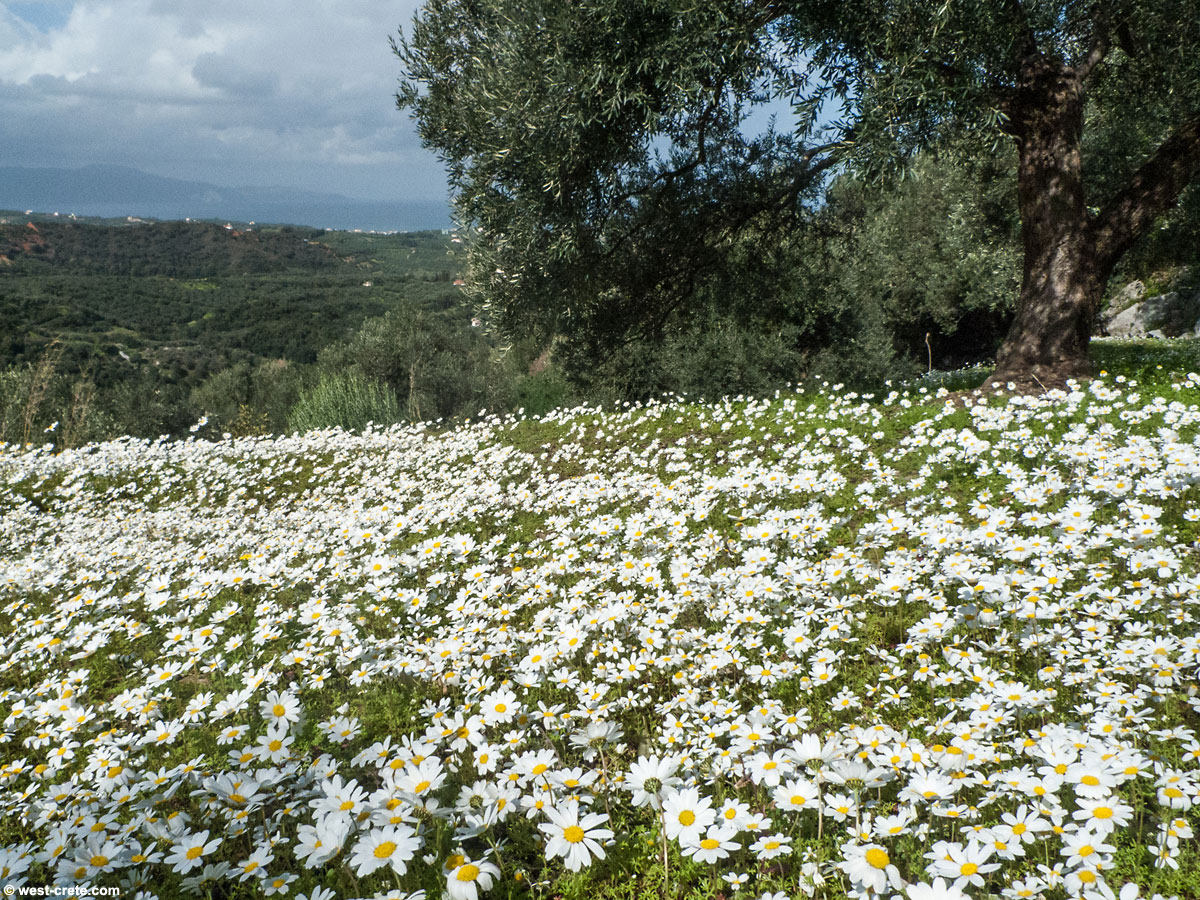
Louise Glück – Margaridas

Vá em frente: diga o que está pensando. O jardim
não é o mundo real. As máquinas
são o mundo real. Diga francamente o que qualquer tolo pode
ler em seu rosto: faz todo sentido
evitar-nos, resistir
à nostalgia. Não é
suficientemente moderno, o som que o vento produz
agitando um campo de margaridas: a mente
não pode brilhar ao segui-lo. E a mente
quer brilhar, nitidamente, como
as máquinas brilham, e não
se arraigar, como, por exemplo, as raízes. É muito comovente,
no entanto, vê-la cautelosamente
aproximar-se da beira do campo no início da manhã,
quando ninguém poderia
estar observando você. Quanto mais tempo você fica na borda,
mais nervosa você parece. Ninguém quer ouvir
impressões do mundo natural: você será
ridicularizada novamente; o escárnio se acumulará sobre você.
Quanto ao que você
ouviu aqui esta manhã: pense duas vezes
antes contar a alguém o que foi dito neste campo
e por quem.

Trad.: Nelson Santander

Daisies

Go ahead: say what you’re thinking. The garden
is not the real world. Machines
are the real world. Say frankly what any fool
could read in your face: it makes sense
to avoid us, to resist
nostalgia. It is
not modern enough, the sound the wind makes
stirring a meadow of daisies: the mind
cannot shine following it. And the mind
wants to shine, plainly, as
machines shine, and not
grow deep, as, for example, roots. It is very touching,
all the same, to see you cautiously
approaching the meadow’s border in early morning,
when no one could possibly
be watching you. The longer you stand at the edge,
the more nervous you seem. No one wants to hear
impressions of the natural world: you will be
laughed at again; scorn will be piled on you.
As for what you’re actually
hearing this morning: think twice
before you tell anyone what was said in this field
and by whom.

Louise Glück – Vésperas (3)

Para além de mim, muito provavelmente
você ama ainda mais as criaturas do campo; talvez,
até o próprio campo, pontilhado em agosto
de chicórias-bravas e ásteres.
Eu sei. Eu me comparei
a essas flores, com seu leque de sentimentos
tão menores e sem problemas; assim como à ovelha branca,
na verdade, cinzenta: eu sou particularmente
apta a louva-lo. Então por que
você me atormenta? Eu estudei as piloselas,
os ranúnculos protegidos das pastagens
por serem venenosos. Seria
a dor o seu presente para fazer-me
consciente de minha necessidade por você, como se
devesse precisar de você para idolatra-lo,
ou você me abandonou
em favor do campo, as estoicas ovelhas tornando-se
prateadas no crepúsculo; as ondas de ásteres e chicórias bravas brilhando
em azul claro e azul profundo, pois você já sabe
quão parecidas com seu traje elas são.

Trad.: Nelson Santander

Vespers

More than you love me, very possibly
you love the beasts of the field, even,
possibly, the field itself, in August dotted
with wild chicory and aster:
I know. I have compared myself
to those flowers, their range of feeling
so much smaller and without issue; also to white sheep,
actually gray: I am uniquely
suited to praise you. Then why
torment me? I study the hawkweed,
the buttercup protected from the grazing herd
by being poisonous: is pain
your gift to make me
conscious in my need of you, as though
I must need you to worship you,
or have you abandoned me
in favor of the field, the stoic lambs turning
silver in twilight; waves of wild aster and chicory shining
pale blue and deep blue, since you already know
how like your raiment it is.

Louise Glück – Vésperas (2)

Em sua prolongada ausência, você me permite
usar a terra, antecipando
algum retorno sobre o investimento. Devo reportar
que falhei em minha missão, principalmente
em relação à plantação de tomates.
Acho que não devo ser encorajada a cultivar
tomates. Ou, se o for, você você deveria reter
as fortes chuvas, as gélidas noites que são
tão comuns por aqui, enquanto outras regiões desfrutam
de doze semanas de verão. Tudo isso
pertence a você: por outro lado,
fui eu que plantei as sementes, observei os primeiros brotos
como asas rompendo o solo, e foi meu coração
que se partiu com a praga, as manchas negras se multiplicando
tão rapidamente nas fileiras. Duvido
que você tenha um coração, na acepção em que usamos
este termo. Você que não faz distinção
entre os mortos e os vivos, e é, portanto,
imune a previsões, talvez você não saiba
quanto terror temos que suportar, as folhas oxidadas,
as folhas vermelhas do carvalho caindo
mesmo em agosto, na escuridão da manhã: sou responsável
por essas videiras.

Trad.: Nelson Santander

Vespers

In your extended absence, you permit me
use of earth, anticipating
some return on investment. I must report
failure in my assignment, principally
regarding the tomato plants.
I think I should not be encouraged to grow
tomatoes. Or, if I am, you should withhold
the heavy rains, the cold nights that come
so often here, while other regions get
twelve weeks of summer. All this
belongs to you: on the other hand,
I planted the seeds, I watched the first shoots
like wings tearing the soil, and it was my heart
broken by the blight, the black spot so quickly
multiplying in the rows. I doubt
you have a heart, in our understanding of
that term. You who do not discriminate
between the dead and the living, who are, in consequence,
immune to foreshadowing, you may not know
how much terror we bear, the spotted leaf,
the red leaves of the maple falling
even in August, in early darkness: I am responsible
for these vines.

Louise Glück – Vésperas (1)

Uma vez acreditei em você; plantei uma figueira.
Aqui, em Vermont, uma terra
que desconhece o verão. Era um teste: se a árvore sobrevivesse,
isso provaria que você existe.

Segundo essa lógica, você não existe. Ou existe
exclusivamente em climas mais quentes,
na fervorosa Sicília, no México e na Califórnia,
onde crescem o inimaginável
damasco e o vulnerável pêssego. Talvez
vejam sua face na Sicília; aqui, mal conseguimos vislumbrar
a barra de sua túnica. Terei que me disciplinar
para dividir com John e Noah a colheita de tomate.

Se houver justiça em outro mundo, aqueles
como eu, a quem a natureza força
a uma vida de abstinência, deveriam receber
a maior parte de tudo, de todos
os objetos de desejo, a cobiça
sendo um louvor a você. E ninguém louva
mais intensamente do que eu, que tem o
desejo mais dolorosamente contido, o mais digno de
sentar à sua mão direita, se ela existir, partilhando
do perecível, do imortal figo,
que não conhece outras terras.

Trad.: Nelson Santander

Vespers

Once I believed in you; I planted a fig tree.
Here, in Vermont, country
of no summer. It was a test: if the tree lived,
it would mean you existed.

By this logic, you do not exist. Or you exist
exclusively in warmer climates,
in fervent Sicily and Mexico and California,
where are grown the unimaginable
apricot and fragile peach. Perhaps
they see your face in Sicily; here we barely see
the hem of your garment. I have to discipline myself
to share with John and Noah the tomato crop.

If there is justice in some other world, those
like myself, whom nature forces
into lives of abstinence, should get
the lion’s share of all things, all
objects of hunger, greed being
praise of you. And no one praises
more intensely than I, with more
painfully checked desire, or more deserves
to sit at your right hand, if it exists, partaking
of the perishable, the immortal fig,
which does not travel.