Louise Glück – Uma fantasia

Vou lhe dizer uma coisa: todos os dias
pessoas morrem. E isso é só o começo.
Todos os dias, nas funerárias, nascem novas viúvas,
novos órfãos. Eles se sentam com as mãos cruzadas,
tentando decidir sobre esta nova vida.

Depois eles estão no cemitério, alguns deles
pela primeira vez. Eles têm medo de chorar,
às vezes de não chorar. Alguém se inclina e
diz-lhes o que fazer a seguir, o que pode significar
dizer algumas palavras, às vezes
jogando terra na cova aberta.

E depois disso, todos voltam para casa,
que subitamente está cheia de visitantes.
A viúva senta-se no sofá, muito majestosa,
e então as pessoas fazem fila para se aproximar dela,
às vezes pegam sua mão, às vezes a abraçam.
Ela encontra algo para dizer a todos,
agradece-lhes, agradece-lhes por terem vindo.

Em seu íntimo, ela quer que eles vão embora.
Ela quer estar de volta ao cemitério,
de volta à enfermaria, ao hospital. Ela sabe
que isso não é possível. Mas é sua única esperança,
o desejo de voltar para trás. E só um pouquinho,
não até o casamento, o primeiro beijo.

Trad.: Nelson Santander

A fantasy

I’ll tell you something: every day
people are dying. And that’s just the beginning.
Every day, in funeral homes, new widows are born,
new orphans. They sit with their hands folded,
trying to decide about this new life.

Then they’re in the cemetery, some of them
for the first time. They’re frightened of crying,
sometimes of not crying. Someone leans over,
tells them what to do next, which might mean
saying a few words, sometimes
throwing dirt in the open grave.

And after that, everyone goes back to the house,
which is suddenly full of visitors.
The widow sits on the couch, very stately,
so people line up to approach her,
sometimes take her hand, sometimes embrace her.
She finds something to say to everbody,
thanks them, thanks them for coming.

In her heart, she wants them to go away.
She wants to be back in the cemetery,
back in the sickroom, the hospital. She knows
it isn’t possible. But it’s her only hope,
the wish to move backward. And just a little,
not so far as the marriage, the first kiss.

Louise Glück – Paisagem

1.

O sol se põe por trás das montanhas,
a terra esfria.
Um estranho amarra seu cavalo a um castanheiro nu.
O cavalo está quieto — vira a cabeça de repente,
ouvindo, ao longe, o som do mar.

Preparo minha cama para passar a noite aqui,
estendendo minha colcha mais pesada sobre a terra úmida.

O som do mar —
quando o cavalo vira a cabeça, posso ouvi-lo.

Numa trilha entre castanheiros nus,
um cãozinho segue seu dono.

O cãozinho — ele não costumava correr na frente,
esticando a coleira, como se quisesse mostrar ao dono
o que vê ali, ali adiante —

o futuro, o caminho, chame como quiser.

Atrás das árvores, ao entardecer, é como um grande incêndio
ardendo entre duas montanhas,
de modo que a neve no pico mais alto
parece, por um momento, também arder.

Ouça: no fim da trilha, o homem chama.
Sua voz se tornou estranha agora,
a voz de alguém que chama o que não pode ver.

Repetidas vezes, ele grita por entre os castanheiros escuros.
Até que o animal responde,
ao longe, com um som tênue,
como se aquilo que tememos
não fosse terrível.

Crepúsculo: o estranho desamarra seu cavalo.

O som do oceano —
agora, apenas memória.

2.

O tempo passou, transformando tudo em gelo.
Sob o gelo, o futuro se agitava.
Se caíssemos nele, morreríamos.

Foi um tempo
de espera, de ação suspensa.

Eu vivia no presente, que era
aquela parte do futuro que podíamos ver.
O passado flutuava acima da minha cabeça,
como o sol e a lua, visível mas inatingível.

Foi um tempo
regido por contradições, como em
eu não sinto nada e
eu tenho medo.

O inverno esvaziou as árvores, depois as encheu de neve.
Porque eu não sentia, a neve caiu, o lago congelou.
Porque eu tinha medo, não me movi;
minha respiração era branca, uma descrição do silêncio.

O tempo passou, e parte dele se tornou isto.
E parte simplesmente evaporou;
podíamos vê-la flutuar sobre as árvores brancas
formando partículas de gelo.

Toda a sua vida, você esperou pelo momento propício.
Então o momento propício
se revelou como o ato em si.

Eu via o passado se mover, uma linha de nuvens avançando
da esquerda para a direita ou da direita para a esquerda,
dependendo do vento. Alguns dias

não havia vento. As nuvens pareciam
permanecer onde estavam,
como uma pintura do mar, mais imóveis que reais.

Alguns dias, o lago era uma película de vidro.
Sob o vidro, o futuro emitia
sons discretos, convidativos:
era preciso se conter para não escutar.

O tempo passou; você pôde ver um pedaço dele.
Os anos que levou foram anos de inverno;
não fariam falta. Alguns dias

não havia nuvens, como se
as fontes do passado houvessem desaparecido. O mundo

perdera seu colorido, como um negativo; a luz passava
diretamente por dele. Então
a imagem esmaecia.

Acima do mundo
havia apenas o azul, azul por toda parte.

3.

No fim do outono, uma jovem ateou fogo a um campo
de trigo. O outono

fora muito seco; o campo
ardeu como um pavio.

Depois não restou nada.
Você caminha por ele, não vê nada.

Não há o que colher, nem o que cheirar.
Os cavalos não compreendem —

Onde está o campo?, parecem dizer.
Do mesmo modo que você e eu diríamos:
onde está o lar?

Ninguém sabe como responder.
Não restou nada;
só resta esperar, pelo bem do fazendeiro,
que o seguro cubra.

É como perder um ano de nossas vidas.
A que entregaríamos um ano de nossas vidas?

Depois, você volta ao antigo lugar —
tudo o que resta é carvão: negrume e vazio.

Você pensa: como pude viver aqui?

Mas era diferente então,
até mesmo no verão passado. A terra se comportava

como se nada pudesse dar errado.

Um fósforo foi o suficiente.
Mas no tempo certo — precisava ser no tempo certo.

O campo ressequido, seco —
a morte já instalada,
por assim dizer.

4.

Adormeci em um rio, acordei em um rio,
de meu misterioso
fracasso em morrer nada posso
dizer, nem
quem me salvou, nem por que razão —

Havia um imenso silêncio.
Nenhum vento. Nenhum som humano.
O século amargo

chegara ao fim, o glorioso se fora, o perene se fora,

o sol frio
persistindo como uma espécie de curiosidade, uma lembrança,
o tempo fluindo atrás dele —

O céu parecia muito limpo,
como no inverno,
o solo seco, não cultivado,

a luz oficial movendo-se
calmamente por uma fenda no ar

digna, complacente,
dissolvendo a esperança,
subordinando imagens do futuro a sinais de sua partida —

Acho que devo ter caído.
Quando tentei me levantar, tive de me forçar,
não acostumada à dor física —

Esquecera
a dureza dessas condições:

a terra não obsoleta
mas imóvel, o rio frio, raso —

Do meu sono, nada
lembro. Quando eu gritava
minha própria voz me acalmava, inesperadamente.

No silêncio da consciência, perguntei-me:
por que rejeitei minha vida? E respondi:
Die Erde überwältigt mich:
a terra me subjuga.

Tentei ser precisa nesta descrição
caso alguém venha depois de mim. Posso afirmar que,
quando o sol se põe no inverno, é
incomparavelmente belo e a memória disso
dura muito. Acho que isso quer dizer

que não houve noite.
A noite estava dentro de mim.

5.

Depois que o sol se pôs,
cavalgamos depressa, na esperança de encontrar
abrigo antes da escuridão.

Eu já podia ver as estrelas,
primeiro no céu oriental:

cavalgávamos, portanto,
na direção oposta à da luz
e rumo ao mar, pois
eu ouvira falar que lá havia uma vila.

Depois de algum tempo, começou a nevar.
Não muito, a princípio, depois
de forma constante, até que a terra
se cobriu de uma película branca.

O caminho percorrido aparecia
claramente quando eu virava a cabeça —
por um instante traçava
uma linha escura pela terra —

Então a neve se espessou, o caminho sumiu.
O cavalo estava cansado e faminto;
não conseguia mais encontrar
solo firme em parte alguma. Eu disse a mim mesma:

já estive perdida antes, já senti frio antes.
A noite veio até mim
exatamente assim, como um presságio —

e pensei: se eu tiver de
voltar aqui, gostaria de voltar
como ser humano, o meu cavalo

como ele mesmo. Caso contrário,
eu não saberia como começar de novo.

Trad.: Nelson Santander

Landscape

1.

The sun is setting behind the mountains,
the earth is cooling.
A stranger has tied his horse to a bare chestnut tree.
The horse is quiet – he turns his head suddenly,
hearing, in the distance, the sound of the sea.

I make my bed for the night here,
spreading my heaviest quilt over the damp earth.

The sound of the sea —
when the horse turns its head, I can hear it.

On a path through the bare chestnut trees,
a little dog trails its master.

The little dog – didn’t he used to rush ahead,
straining the leash, as though to show his master
what he sees there, there in the future —

the future, the path, call it what you will.

Behind the trees, at sunset, it is as though a great fire
is burning between two mountains
so that the snow on the highest precipice
seems, for a moment, to be burning also.

Listen: at the path’s end the man is calling out.
His voice has become very strange now,
the voice of a person calling to what he can’t see.

Over and over he calls out among the dark chestnut trees.
Until the animal responds
faintly, from a great distance,
as though this thing we fear
were not terrible.

Twilight: the stranger has untied his horse.

The sound of the sea —
just memory now.

2.

Time passed, turning everything to ice.
Under the ice, the future stirred.
If you fell into it, you died.

It was a time
of waiting, of suspended action.

I lived in the present, which was
that part of the future you could see.
The past floated above my head,
like the sun and moon, visible but never reachable.

It was a time
governed by contradictions, as in
I felt nothing and
I was afraid.

Winter emptied the trees, filled them again with snow.
Because I couldn’t feel, snow fell, the lake froze over.
Because I was afraid, I didn’t move;
my breath was white, a description of silence.

Time passed, and some of it became this.
And some of it simply evaporated;
you could see it float above the white trees
forming particles of ice.

All your life, you wait for the propitious time.
Then the propitious time
reveals itself as action taken.

I watched the past move, a line of clouds moving
from left to right or right to left,
depending on the wind. Some days

there was no wind. The clouds seemed
to stay where they were,
like a painting of the sea, more still than real.

Some days the lake was a sheet of glass.
Under the glass, the future made
demure, inviting sounds:
you had to tense yourself so as not to listen.

Time passed; you got to see a piece of it.
The years it took with it were years of winter;
they would not be missed. Some days

there were no clouds, as though
the sources of the past had vanished. The world

was bleached, like a negative; the light passed
directly through it. Then
the image faded.

Above the world
there was only blue, blue everywhere.

3.

In late autumn a young girl set fire to a field
of wheat. The autumn

had been very dry; the field
went up like tinder.

Afterward there was nothing left.
You walk through it, you see nothing.

There’s nothing to pick up, to smell.
The horses don’t understand it-

Where is the field, they seem to say.
The way you and I would say
where is home.

No one knows how to answer them.
There is nothing left;
you have to hope, for the farmer’s sake,
the insurance will pay.

It is like losing a year of your life.
To what would you lose a year of your life?

Afterward, you go back to the old place—
all that remains is char: blackness and emptiness.

You think: how could I live here?

But it was different then,
even last summer. The earth behaved

as though nothing could go wrong with it.

One match was all it took.
But at the right time – it had to be the right time.

The field parched, dry—
the deadness in place already
so to speak.

4.

I fell asleep in a river, I woke in a river,
of my mysterious
failure to die I can tell you
nothing, neither
who saved me nor for what cause—

There was immense silence.
No wind. No human sound.
The bitter century

was ended,
the glorious gone, the abiding gone,

the cold sun
persisting as a kind of curiosity, a memento,
time streaming behind it—

The sky seemed very clear,
as it is in winter,
the soil dry, uncultivated,

the official light calmly
moving through a slot in air

dignified, complacent,
dissolving hope,
subordinating images of the future to signs of the future’s passing—

I think I must have fallen.
When I tried to stand, I had to force myself,
being unused to physical pain—

I had forgotten
how harsh these conditions are:

the earth not obsolete
but still, the river cold, shallow—

Of my sleep, I remember
nothing. When I cried out,
my voice soothed me unexpectedly.

In the silence of consciousness I asked myself:
why did I reject my life? And I answer
Die Erde überwältigt mich:
the earth defeats me.

I have tried to be accurate in this description
in case someone else should follow me. I can verify
that when the sun sets in winter it is
incomparably beautiful and the memory of it
lasts a long time. I think this means

there was no night.
The night was in my head.

5.

After the sun set
we rode quickly, in the hope of finding
shelter before darkness.

I could see the stars already,
first in the eastern sky:

we rode, therefore,
away from the light
and toward the sea, since
I had heard of a village there.

After some time, the snow began.
Not thickly at first, then
steadily until the earth
was covered with a white film.

The way we traveled showed
clearly when I turned my head—
for a short while it made
a dark trajectory across the earth—

Then the snow was thick, the path vanished.
The horse was tired and hungry;
he could no longer find
sure footing anywhere. I told myself:

I have been lost before, I have been cold before.
The night has come to me
exactly this way, as a premonition—

And I thought: if I am asked
to return here, I would like to come back
as a human being, and my horse

to remain himself. Otherwise
I would not know how to begin again.

Louise Glück – Nostos

Havia uma macieira no quintal –
isso teria sido há
quarenta anos – nos fundos,
apenas prados. Excesso
de crocus na relva úmida
Eu estava naquela janela:
fim de abril. Flores
da primavera no quintal do vizinho.
Quantas vezes, realmente, a árvore
floresceu no meu aniversário,
no dia exato, nem antes
nem depois? Substituição
do imutável
por transformação, por evolução.
Substituição da imagem
pela terra implacável. O que
sei eu deste lugar,
o papel que foi da árvore por décadas
desempenhado por um bonsai, vozes
subindo das quadras de tênis –
Campos. Cheiro de grama alta, recém
cortada.
Como se espera de um poeta lírico.
Nós enxergamos o mundo uma única vez, na infância.
O resto é memória.

Trad.: Nelson Santander

Nostos

There was an apple tree in the yard —
this would have been
forty years ago — behind,
only meadows. Drifts
of crocus in the damp grass.
I stood at that window:
late April. Spring
flowers in the neighbor’s yard.
How many times, really, did the tree
flower on my birthday,
the exact day, not
before, not after? Substitution
of the immutable
for the shifting, the evolving.
Substitution of the image
for relentless earth. What
do I know of this place,
the role of the tree for decades
taken by a bonsai, voices
rising from the tennis courts —
Fields. Smell of the tall grass, new cut.
As one expects of a lyric poet.
We look at the world once, in childhood.
The rest is memory.

Louise Glück – Under Taurus

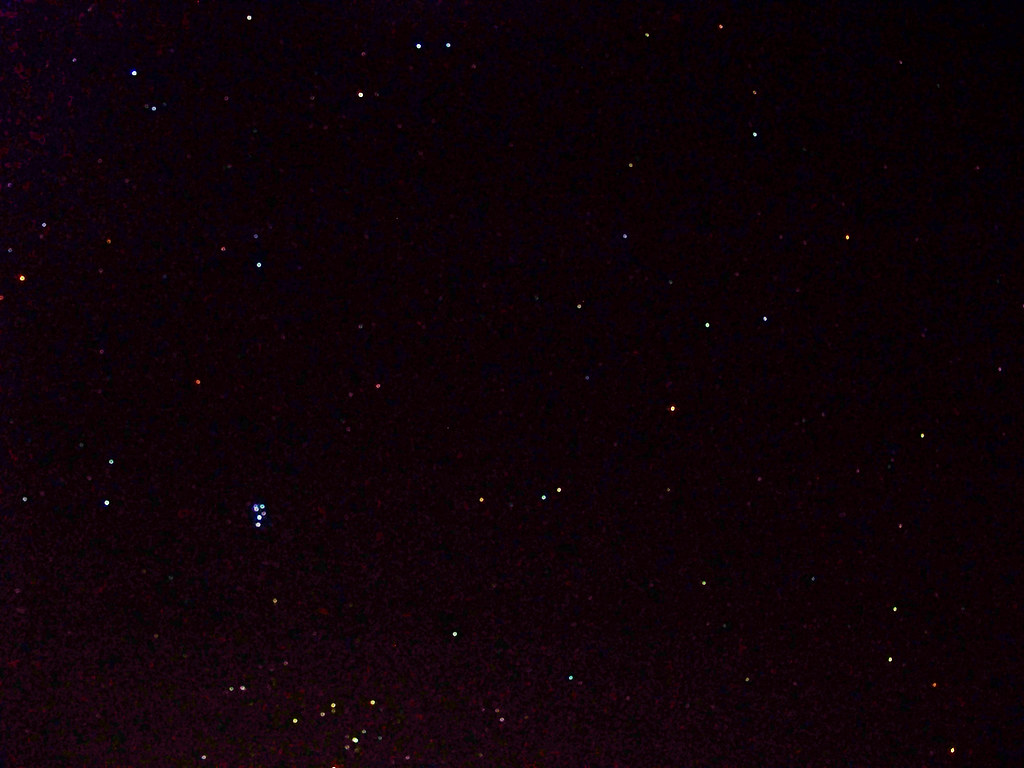
Estávamos no píer, e você desejava
que eu visse as Plêiades. Eu podia ver
tudo, menos o que você desejava.

Agora o seguirei. Não há uma única nuvem; as estrelas
aparecem, até mesmo a irmã invisível1. Mostre-me onde olhar,
como se elas fossem ficar onde estão.

Instrua-me na escuridão.

Trad.: Nelson Santander

  1. A “irmã invisível” se refere à sétima estrela das Plêiades, um aglomerado estelar na constelação de Touro. Na mitologia grega, as Plêiades eram sete irmãs, mas apenas seis são facilmente visíveis a olho nu. A sétima irmã – Mérope -, por ter-se relacionado com um mortal, foi condenada por Zeus a não ter seu brilho visto da Terra. ↩︎

Mais do que uma leitura, uma experiência. Clique, compre e contribua para manter a poesia viva em nosso blog


Under Taurus

We were on the pier, you desiring
that I see the Pleiades. I could see
everything but what you wished.

Now I will follow. There is not a single cloud; the stars
appear, even the invisible sister. Show me where to look,
as though they will stay where they are.

Instruct me in the dark.

Louise Glück – Outubro

1.

É inverno outra vez, faz frio outra vez,
Frank não escorregou no gelo,
ele não se curou, não se plantaram
as sementes da primavera

a noite não terminou,
o gelo derretido não
inundou as calhas estreitas

meu corpo não foi
resgatado, não era seguro

não se formou a cicatriz, invisível
sobre a lesão

terror e frio,
eles não cessaram, o jardim dos fundos
não foi preparado nem semeado –

lembro-me de como a terra sentiu, roxa e densa,
em rígidas fileiras, as sementes que não foram plantadas,
as videiras que não escalaram o paredão sul.

não consigo ouvir a voz dela
nos lamentos do vento, assobiando sobre os terrenos descobertos

já não me importa
o som que ela faz

quando eu fui silenciada, quando primeiro pareceu
inútil descrever aquele som

que soa como algo que não pode ser mudado –

a noite não terminou, a terra não era
segura quando foi semeada

nós não plantamos as sementes,
não éramos necessários para a terra,

as videiras, foram elas colhidas?

.
2.

Verão após o fim do verão,
bálsamo após violência:
Não faz nenhum bem
para mim ser boa agora;
a violência me transformou.

Alvorada. As baixas colinas cintilam
ocres e em chamas, até os campos cintilam.
Eu sei o que vejo; sol que poderia ser
o sol de agosto, restituindo
tudo o que foi levado.

Você ouve essa voz? Esta é a voz da minha mente;
você não pode tocar meu corpo agora.
ele mudou certa vez, endureceu,
não lhe peça para responder novamente.

Um dia como um dia de verão.
Excepcionalmente parado. As alongadas sombras dos carvalhos
quase roxas nos caminhos de cascalhos.
E, ao entardecer, calor. Noite como uma noite de verão.

Não me faz nenhum bem; a violência me transformou.
Meu corpo arrefeceu como os campos desmatados;
agora só tenho a minha mente, atenta e cautelosa,
com a sensação de estar sendo testada.

Uma vez mais, o sol nasce como nasceu no verão;
dádiva, bálsamo após violência.
Bálsamo depois da muda das folhas, depois que os campos
foram colhidos e revolvidos.

Diga-me que este é o futuro,
eu não acredito em você.
Diga-me que estou vivendo,
eu não acredito em você.

.
3.

Havia nevado. Lembro-me da
música que saía de uma janela aberta.

Venha até mim, disse o mundo.
Isso não quer dizer que
ele falou em frases exatas
mas que eu percebi a beleza desta maneira.

Nascer do sol. Uma película de umidade
em cada criatura viva. Piscinas de luz fria
formaram-se nas calhas.

Eu estava
na porta de entrada,
por mais ridículo que isso pareça agora.

O que os outros encontraram na arte,
eu encontrei na natureza. O que os outros encontraram
no amor humano, eu encontrei na natureza.
É muito simples. Mas não havia uma voz lá.

O inverno tinha acabado. Na lama descongelada,
partes de verde surgiam por toda parte.

Venha até mim, disse o mundo. Eu estava em pé
em meu casaco de lã numa espécie de portal brilhante –
Eu já posso finalmente dizer
há muito tempo; isso me dá um prazer considerável. Beleza,
a curadora, a professora –

a morte não pode me prejudicar
mais do que você me prejudicou,
minha amada vida.

.
4.

A luz mudou
O dó modulou para um tom mais escuro agora
E as canções da manhã soam ensaiadas

Esta é a luz do outono, não a luz da primavera.
A luz do outono: você não será poupada.

As canções mudaram; o indizível
penetrou nelas.

Esta é a luz do outono, não a luz que diz
que eu renasci.

Não o despontar da primavera: eu me esforcei, eu sofri, eu me libertei.
Este é o presente, uma alegoria da dissipação.

Tanta coisa mudou. E mesmo assim você teve sorte:
o ideal arde em você como uma febre.
Ou não como uma febre, como um segundo coração.

As canções mudaram, mas ainda são muito bonitas, de fato.
Elas se concentram em um espaço menor, o espaço da mente.
E são agora sombrias, desoladoras e angustiantes.

E, no entanto, as notas se repetem. Elas emergem estranhamente
antecipando o silêncio.
Os ouvidos se habituam a elas.
Os olhos se habituam às desaparições.

Você não será poupada, nem o que você ama será poupado.

Um vento chegou e partiu, desmantelando a mente;
deixou em seu rastro uma estranha lucidez.

Como você é privilegiada por se apegar
apaixonadamente àquilo que ama;
A desesperança não a destruiu.

Maestro, doloroso:

Esta é a luz do outono; ela se virou contra nós.
Certamente é um privilégio aproximar-se do fim
ainda acreditando em algo.

.
5.

É verdade que não há beleza suficiente no mundo.
É igualmente verdade que não sou competente para restaura-la.
Tampouco há sinceridade, e aqui acho que posso ser útil.

Estou
no trabalho, embora esteja em silêncio.

A insípida

miséria do mundo
nos limita de ambos os lados, um beco

ladeado por árvores; somos

companheiros aqui, sem falar,
cada qual com seus próprios pensamentos;

por trás das árvores, portões
de ferro de casas particulares,
as salas fechadas

de certa forma desertas, abandonadas

como se fosse um dever
do artista criar
esperança, mas por quê? por quê?

a própria palavra
falso, um dispositivo para refutar
a percepção – No cruzamento,

luzes ornamentais da estação.
Eu fui jovem aqui. Andando
de metrô com meu livrinho
como se me defendesse

desse mesmo mundo:

você não está sozinha,
dizia o poema,
no túnel escuro.

.
6.

O clarão do dia se torna
o clarão da noite;
o fogo se torna o espelho.

Minha amiga, a terra é amarga; acho
que o sol falhou com ela.
Amarga ou fatigada, é difícil dizer.

Entre ela e o sol,
algo se quebrou.
Ela quer, agora, ser deixada em paz;
Acho que devemos desistir
de recorrer a ela por afirmação.

Acima dos campos,
acima dos telhados das casas da vila,
o brilho que tornou possível toda forma de vida
se transforma em frias estrelas.

Fique quieto e observe:
elas nada dão, mas nada pedem.

Do fundo da amarga
desgraça, frieza e aridez da terra,

minha amiga, a lua emerge:
ela está linda esta noite, mas quando ela não é linda?

Trad.: Nelson Santander
.
.

N. do T.: Outubro: uma possível interpretação.

Na primeira seção do poema temos a chegada do inverno. Uma série de eventos é narrada por meio de anáforas em formas negativas. Não há pontuação, indicando tratar-se de fluxo do pensamento da narradora. Há evidências de que a narradora sofreu um trauma (uma queda? um acidente? um divórcio? um estupro?). A primeira seção – a chegada do inverno – parece se passar no imediato pós-trauma, pois a narradora parece ainda aturdida: “as videiras, foram elas colhidas?”

Na segunda seção, a narradora começa a se recuperar. Embora mencione o verão o tempo todo, certamente não estamos nessa estação do ano (a própria narradora o afirma ao dizer que está no “verão após o fim do verão”), mas os versos parecem indicar um certo conforto e estado de espírito próprio dos dias luminosos do verão, como lenitivo para o trauma experimentado recentemente (“Verão após o fim do verão, / bálsamo após violência”; “você não pode tocar meu corpo agora./ ele mudou certa vez, endureceu,/ não lhe peça para responder novamente”; “a violência me transformou. / Meu corpo arrefeceu como os campos desmatados;”; “Uma vez mais, o sol nasce como nasceu no verão; / dádiva, bálsamo após violência.” Há esperança aqui, mas ela é extremamente débil: “Diga-me que este é o futuro, / eu não acredito em você. / Diga-me que estou vivendo, / eu não acredito em você.”

Terceira seção: estamos no momento imediatamente posterior ao fim do inverno (primavera, portanto), mas ainda faz frio (“Havia nevado”). Nessa seção, a narradora já começa a sentir o chamado para a vida (“‘Venha até mim’, disse o mundo”). Seu lenitivo parece ser a natureza, vazada de beleza: “O que os outros encontraram na arte, / eu encontrei na natureza. / O que os outros encontraram / no amor humano, eu encontrei na natureza.”; A “beleza”, que é a “curadora” a “professora” (ou seja, a que ensina alguma lição). Nesta seção, a narradora parece estar aliviada, tanto que já se refere ao trauma como algo que aconteceu “há muito tempo”. Não que ela tenha esquecido: “a morte não pode me prejudicar / mais do que você me prejudicou, minha amada vida.”

Quarta seção: a narradora se esforça em convencer-nos de que a estação aqui é o outono, e não a primavera (o outono, com toda sua carga metafórica de desolação, tristeza, desesperança). Não parece ser o caso, pois a primavera sucede o inverno – o inverno do trauma. E ela ainda parece estar no imediato pós-trauma, pois toda a narrativa é vazada de tristeza, perda e angústia. Até a natureza agora parece carregada de notas melancólicas: “As canções mudaram; o indizível / penetrou nelas.” Por isso a insistência em chamar de outono a primavera: “Esta é a luz do outono, não a luz da primavera”; “Esta é a luz do outono, não a luz que diz / que eu renasci.”; “Não o despontar da primavera: ‘eu me esforcei, eu sofri, eu me libertei.’ / Este é o presente, uma alegoria da dissipação.”. E como estamos na primavera, uma luz de esperança parece começar a brilhar. Ela ainda é tênue, mas parece estar lá: “Tanta coisa mudou. E mesmo assim você teve sorte: / o ideal arde em você como uma febre. / Ou não como uma febre, como um segundo coração. // As canções mudaram, mas ainda são muito bonitas, de fato.”; “A desesperança não a destruiu.”

A quinta seção parece se constituir em um espaço para a consolidação e superação do trauma. Ela é marcada por versos que, embora não esqueçam o quanto o mundo pode ser cruel (“A insípida // miséria do mundo / nos limita de ambos os lados, (…)”), indicam um estado de contemplação, como se a narradora tentasse, para além da dor, entender o que aconteceu. A narradora conclui que “não há beleza suficiente no mundo” e que ela não é dotada de competência para restaura-la. Ela, porém, justifica a natureza, que não tem o “dever (…) de criar esperança”. Nos versos finais desta seção, em que narradora se lembra de quando era jovem e solitária na cidade, a arte surge como uma espécie de escudo psicológico invisível para as dores do mundo: “Eu fui jovem aqui. Andando / de metrô com meu livrinho / como se me defendesse // desse mesmo mundo: // você não está sozinha, / dizia o poema, / no túnel escuro.” Aparentemente, a narradora conclui que esse escudo não funcionou, não evitou que ela fosse ferida pelo mundo. Por isso, a arte é substituída, no presente, pela beleza da natureza, como se viu na terceira e como se verá na última seção do poema.

A sexta e última seção do poema parece demarcar o renascimento emocional da narradora, a superação do trauma. Verão? Parece que sim. Os versos assim o insinuam: “O clarão do dia (…)”; “Acima dos campos, / acima dos telhados das casas da vila, / o brilho que tornou possível toda forma de vida (…)”. O trauma deixou marcas profundas na narradora, mas ela sobreviveu e começa a ver as coisas de outra forma, menos romântica mas também ligeiramente menos pessimista. Ela já não tem a mesma ingenuidade de antes e está perfeitamente consciente de que o mundo (“a terra”) é um lugar “amargo” ou “fatigado’, um lugar de “amarga / desgraça, frieza e aridez”. Tanto é assim, que ela desaconselha que se recorra a ele “por afirmação”. O sol? Bom, o brilho do sol de verão se transformou no brilho de “frias estrelas”. Apesar de tudo isso, ainda há beleza no mundo – representada, no poema, pelo nascer da lua. E a beleza, como já afirmou a narradora, é “curadora”. Portanto, a menção à beleza da lua nascendo naquela noite – o que coincide com o fim do poema – parece marcar o início de uma nova fase na vida da narradora, que parece ter chegado à conclusão de que, apesar de tudo, a vida vale a pena ser vivida, pois ela está repleta de beleza; a beleza “curadora”, “professora” – seja ela a arte ou a natureza – sempre está presente. A beleza é perene: “ela (a lua) está linda esta noite, mas quando ela não é linda?”

October
.
1.

Is it winter again, is it cold again,
didn’t Frank just slip on the ice,
didn’t he heal, weren’t the spring seeds planted

didn’t the night end,
didn’t the melting ice
flood the narrow gutters

wasn’t my body
rescued, wasn’t it safe

didn’t the scar form, invisible
above the injury

terror and cold,
didn’t they just end, wasn’t the back garden
harrowed and planted-

I remember how the earth felt, red and dense,
in stiff rows, weren’t the seeds planted,
didn’t vines climb the south wall

I can’t hear your voice
for the wind’s cries, whistling over the bare ground

I no longer care
what sound it makes

when was I silenced, when did it first seem
pointless to describe that sound

what it sounds like can’t change what it is-

didn’t the night end, wasn’t the earth
safe when it was planted

didn’t we plant the seeds,
weren’t we necessary to the earth,

the vines, were they harvested?

.
2.

Summer after summer has ended,
balm after violence:
it does me no good
to be good to me now;
violence has changed me.

Daybreak. The low hills shine
ochre and fire, even the fields shine.
I know what I see; sun that could be
the August sun, returning
everything that was taken away-

You hear this voice? This is my mind’s voice;
you can’t touch my body now.
It has changed once, it has hardened,
don’t ask it to respond again.

A day like a day in summer.
Exceptionally still. The long shadows of the maples
nearly mauve on the gravel paths.
And in the evening, warmth. Night like a night in summer.

It does me no good; violence has changed me.
My body has grown cold like the stripped fields;
now there is only my mind, cautious and wary,
with the sense it is being tested.

Once more, the sun rises as it rose in summer;
bounty, balm after violence.
Balm after the leaves have changed, after the fields
have been harvested and turned.

Tell me this is the future,
I won’t believe you.
Tell me I’m living,
I won’t believe you.

.
3.

Snow had fallen. I remember
music from an open window.

Come to me, said the world.
This is not to say
it spoke in exact sentences
but that I perceived beauty in this manner.

Sunrise. A film of moisture
on each living thing. Pools of cold light
formed in the gutters.

I stood
at the doorway,
ridiculous as it now seems.

What others found in art,
I found in nature. What others found
in human love, I found in nature.
Very simple. But there was no voice there.

Winter was over. In the thawed dirt,
bits of green were showing.

Come to me, said the world. I was standing
in my wool coat at a kind of bright portal –
I can finally say
long ago; it gives me considerable pleasure. Beauty
the healer, the teacher-

death cannot harm me
more than you have harmed me,
my beloved life.

.
4.

The light has changed;
middle C is tuned darker now.
And the songs of morning sound over-rehearsed.

This is the light of autumn, not the light of spring.
The light of autumn: you will not be spared.

The songs have changed; the unspeakable
has entered them.

This is the light of autumn, not the light that says
I am reborn.

Not the spring dawn: I strained, I suffered, I was delivered.
This is the present, an allegory of waste.

So much has changed. And still, you are fortunate:
the ideal burns in you like a fever.
Or not like a fever, like a second heart.

The songs have changed, but really they are still quite beautiful.
They have been concentrated in a smaller space, the space of the mind.
They are dark, now, with desolation and anguish.

And yet the notes recur. They hover oddly
in anticipation of silence.
The ear gets used to them.
The eye gets used to disappearances.

You will not be spared, nor will what you hope be spared.
A wind has come and gone, taking apart the mind;
it has left in its wake a strange lucidity.

How privileged you are, to be still passionately
clinging to what you love;
the forfeit of hope has not destroyed you.

Maestoso, doloroso:

This is the light of autumn; it has turned on us.
Surely it is a privilege to approach the end
still believing in something.

.
5.

It is true there is not enough beauty in the world.
It is also true that I am not competent to restore it.
Neither is there candor, and here I may be of some use.

I am
at work, though I am silent.

The bland

misery of the world
bounds us on either side, an alley

lined with trees; we are

companions here, not speaking,
each with his own thoughts;

behind the trees, iron
gates of the private houses,
the shuttered rooms

somehow deserted, abandoned,

as though it were the artist’s
duty to create
hope, but out of what? what?

the word itself
false, a device to refute
perception-At the intersection,

ornamental lights of the season.
I was young here. Riding
the subway with my small book
as though to defend myself against

this same world:

you are not alone,
the poem said,
in the dark tunnel.

.
6.

The brightness of the day becomes
the brightness of the night;
the fire becomes the mirror.

My friend the earth is bitter; I think
sunlight has failed her.
Bitter or weary, it is hard to say.

Between herself and the sun,
something has ended.
She wants, now, to be left alone;
I think we must give up
turning to her for affirmation.

Above the fields,
above the roofs of the village houses,
the brilliance that made all life possible
becomes the cold stars.

Lie still and watch:
they give nothing but ask nothing.

From within the earth’s
bitter disgrace, coldness and barrenness

my friend the moon rises:
she is beautiful tonight, but when is she not beautiful?
A íris selvagem – Sumário

A Íris Selvagem – Louise Glück

Tradução: Nelson Santander

SUMÁRIO

Apresentação de “The Wild Iris”, de Louise Glück
A íris selvagem
Matinas
Matinas
Trillium
Lamium
Flores-de-neve
Manhã Clara
Neve de Primavera
Fim de Inverno
Matinas
Matinas
Scilla
Vento em Retirada
O Jardim
O Espinheiro
Amor ao Luar
Abril
Violetas
Capim-das-bruxas
A Escada de Jacó
Matinas
Matinas
Canção
Campo de Flores
A Papoula Vermelha
Trevo
Matinas
Céu e Terra
A Porta de Entrada
Solstício de Verão
Vésperas
Vésperas
Vésperas
Margaridas
Fim de Verão
Vésperas
Vésperas
Vésperas
Escuridão Inicial
Colheita
A Rosa Branca
Ipomoea
Presque Isle
Luz em Retirada
Vésperas
Vésperas: Parousia
Vésperas
Vésperas
Ocaso
Acalanto
O Lírio Prateado
Crepúsculo de Setembro
O Lírio Dourado
Os Lírios Brancos

Louise Glück – Os lírios brancos

Como um homem e uma mulher fazem
de um jardim entre eles
um leito de estrelas, aqui
eles permanecem na noite de verão
e a noite se torna
fria com seu pavor: tudo
pode acabar, tudo é capaz
de devastação. Tudo, tudo
se pode perder, pelo ar perfumado
das colunas estreitas
se elevando inutilmente, e mais além,
um agitado mar de papoulas —

Silêncio, amada. Não me importa
quantos verões eu viverei para voltar:
neste verão nós entramos na eternidade.
Eu senti suas duas mãos
me enterrando para liberar o seu esplendor.

Trad.: Nelson Santander

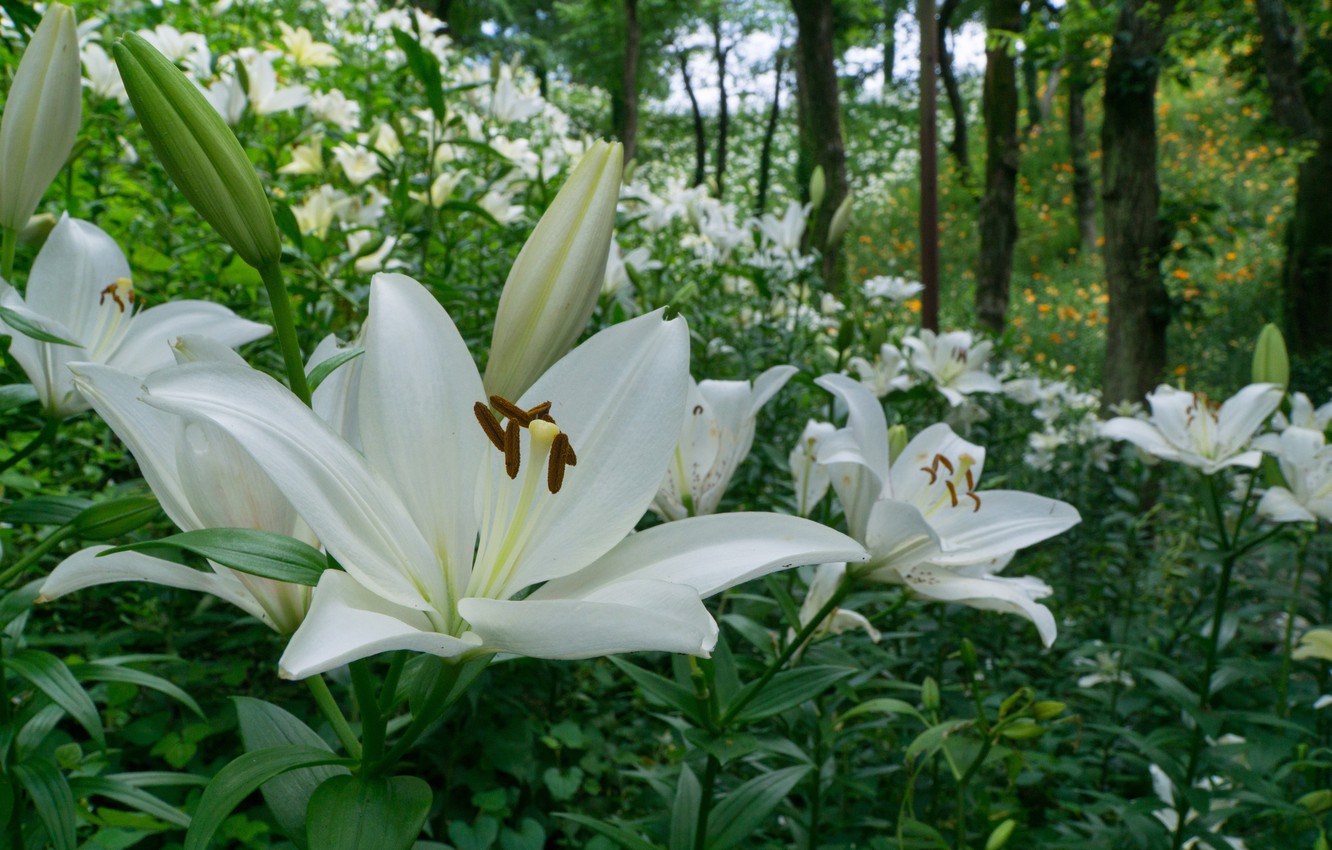
The white lilies

As a man and woman make
a garden between them like
a bed of stars, here
they linger in the summer evening
and the evening turns
cold with their terror: it
could all end, it is capable
of devastation. All, all
can be lost, through scented air
the narrow columns
uselessly rising, and beyond,
a churning sea of poppies —

Hush, beloved. It doesn’t matter to me
how many summers I live to return:
this one summer we have entered eternity.
I felt your two hands
bury me to release its splendor.

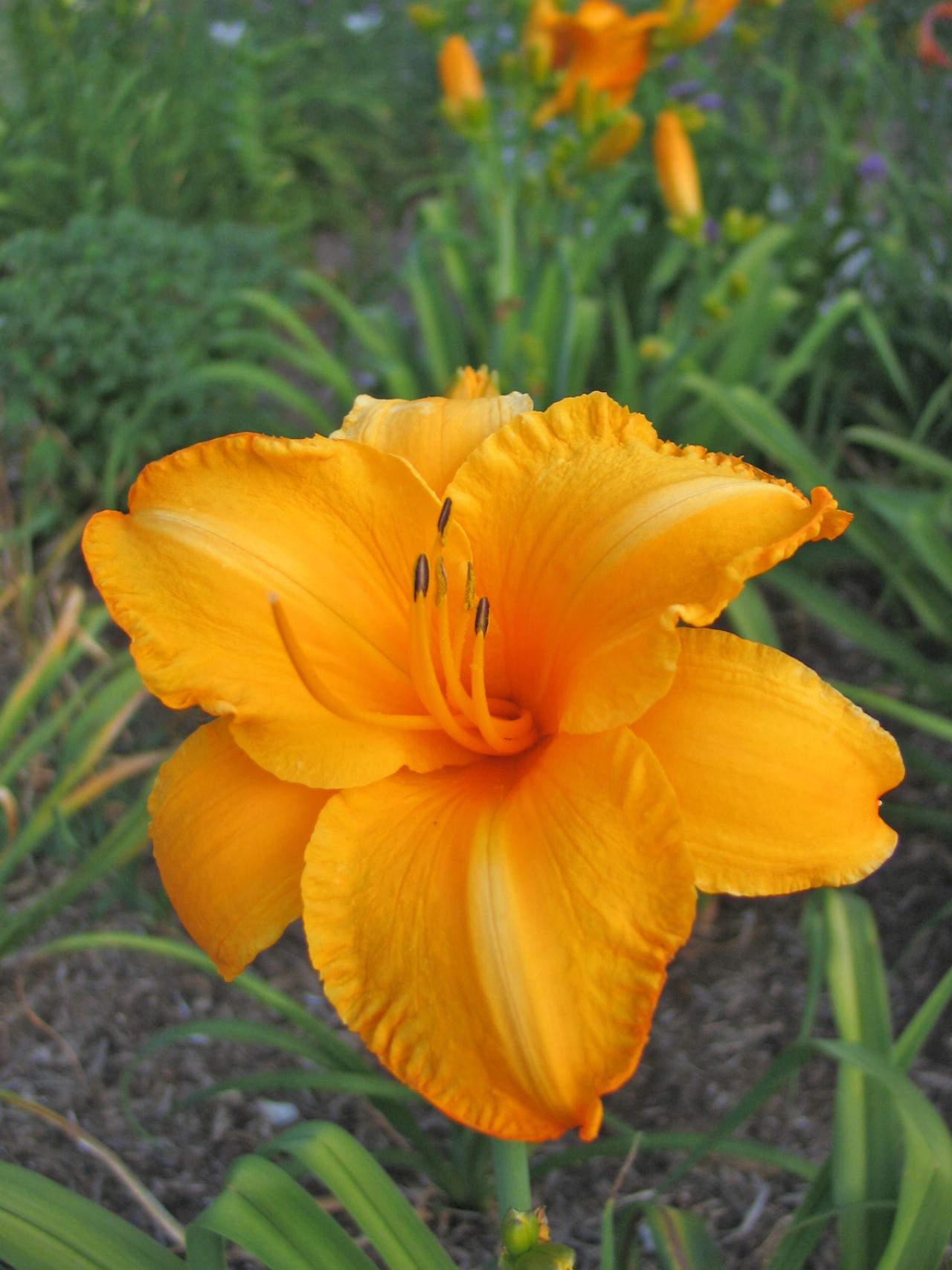
Louise Glück – O lírio dourado

Como percebo,
estou morrendo agora e sei
que não falarei novamente,
não sobreviverei à terra, serei convocado
dela uma vez mais, ainda não
uma flor, apenas uma espinha, terra crua
aderindo às minhas costelas, eu o invoco,
pai e mestre: ao redor,
meus companheiras estão fraquejando, pensando
que você não os vê. Como
eles poderão saber que você os enxerga
a menos que os salve?
No crepúsculo do verão, você estará
perto o suficiente para ouvir
o terror de seu filho? Ou
você não é meu pai,
aquele que me criou?

Trad.: Nelson Santander

No link que segue, uma ótima revisão deste poema (em inglês): https://www.encyclopedia.com/arts/educational-magazines/gold-lily

The gold lily

As I perceive
I am dying now and know
I will not speak again, will not
survive the earth, be summoned
out of it again, not
a flower yet, a spine only, raw dirt
catching my ribs, I call you,
father and master: all around,
my companions are failing, thinking
you do not see. How
can they know you see
unless you save us?
In the summer twilight, are you
close enough to hear
your child’s terror? Or
are you not my father,
you who raised me?

Louise Glück – Crepúsculo de Setembro

Eu os reuni,
eu posso dispensa-los —

Estou farto de vocês, do caos
do mundo dos vivos —
Eu só posso me estender
por tanto tempo a algo vivo.

Convoquei-os à existência
ao abrir minha boca, ao erguer
meu dedo mínimo,

cintilando azuis de
aster selvagem, flor
de lírio, imensa,
com veias douradas —

Vocês vêm e vão; eventualmente
esqueço seus nomes.
Vocês vêm e vão, cada um de vocês
imperfeito de alguma forma,
comprometido de alguma forma: vocês valem
uma vida, não mais do que isso.

Eu os reuni;
eu posso apaga-los
como se fossem um rascunho a ser descartado,
um pequeno exercício

porque eu os terminei, visão
do luto mais profundo.

Trad.: Nelson Santander

September twilight

I gathered you together,
I can dispense with you —

I’m tired of you, chaos
of the living world —
I can only extend myself
for so long to a living thing.

I summoned you into existence
by opening my mouth, by lifting
my little finger, shimmering

blues of the wild
aster, blossom
of the lily, immense,
gold-veined —

you come and go; eventually
I forget your names.
You come and go, every one of you
flawed in some way,
in some way compromised: you are worth
one life, no more than that.

I gathered you together;
I can erase you
as though you were a draft to be thrown away,
an exercise

because I’ve finished you, vision
of deepest mourning.

Louise Glück – O lírio prateado

As noites esfriaram novamente, como as noites
do início da primavera, e estão silenciosas outra vez. Incomoda-o
conversarmos? Estamos
sozinhos agora; não há razão para o silêncio.

Você pode ver, sobre o jardim — a lua cheia nasce.
Eu não verei a próxima lua cheia.

Na primavera, quando a lua surgia, significava
que o tempo era infindo. Campainhas-brancas
abriam e fechavam, as sementes
de bordos agrupadas caíam em pálidas torrentes.
Branco sobre branco, a lua emergia sobre a bétula.
E na curva, onde a árvore se divide,
as folhas dos primeiros narcisos, à luz da lua,
em um suave verde-prateado.

Chegamos longe demais juntos, perto do fim agora,
para temer o fim. Nestas noites, eu nem mesmo tenho certeza
do que o fim significa. E você, que já esteve com um homem –

após os primeiros gritos,
a alegria, assim como o medo, não faz nenhum som?

Trad.: Nelson Santander

The silver lily

The nights have grown cool again, like the nights
of early spring, and quiet again. Will
speech disturb you? We’re
alone now; we have no reason for silence.

Can you see, over the garden — the full moon rises.
I won’t see the next full moon.

In spring, when the moon rose, it meant
time was endless. Snowdrops
opened and closed, the clustered
seeds of the maples fell in pale drifts.
White over white, the moon rose over the birch tree.
And in the crook, where the tree divides,
leaves of the first daffodils, in moonlight
soft greenish-silver.

We have come too far together toward the end now
to fear the end. These nights, I am no longer even certain
I know what the end means. And you, who’ve been with a man —

after the first cries,
doesn’t joy, like fear, make no sound?