Linda Pastan – Dor

Mais fiel
do que um amante ou marido
ela se apega a ti,
dando a si própria o teu sobrenome
como se uma cerimônia tivesse acontecido.

À noite, viras e reviras
procurando pela única
posição suportável,
mas mesmo que finalmente consigas dormir,
ela acorda antes de ti.

Como é pesada,
desalojando com seu volume
toda tua energia vital.
Antes tu parecias não pesar nada,
teus braços poderiam ter sido asas.

Agora cada dedo adiciona uma medida;
tu és puxada para baixo pelo peso
de teu próprio cabelo.
E se tua vida desaparecesse antes de ti,
não correrias atrás dela.

Trad.: Nelson Santander

Pain

More faithful
than lover or husband
it cleaves to you,
calling itself by your name
as if there had been a ceremony.

At night you turn and turn
searching for the one
bearable position,
but though you may finally sleep
it wakens ahead of you.

How heavy it is,
displacing with its volume
your very breath.
Before, you seemed to weigh nothing,
your arms might have been wings.

Now each finger adds its measure;
you are pulled down by the weight
of your own hair.
And if your life should disappear ahead of you
you would not run after it.

Brigit Pegeen Kelly – A partida

Meu pai disse que eu não conseguiria fazê-lo,
mas por toda noite eu colhi os pêssegos.
O pomar estava silencioso, os canais funcionavam incessantemente.
Eu era uma menina na época, meu peito era seu próprio jardim murado.
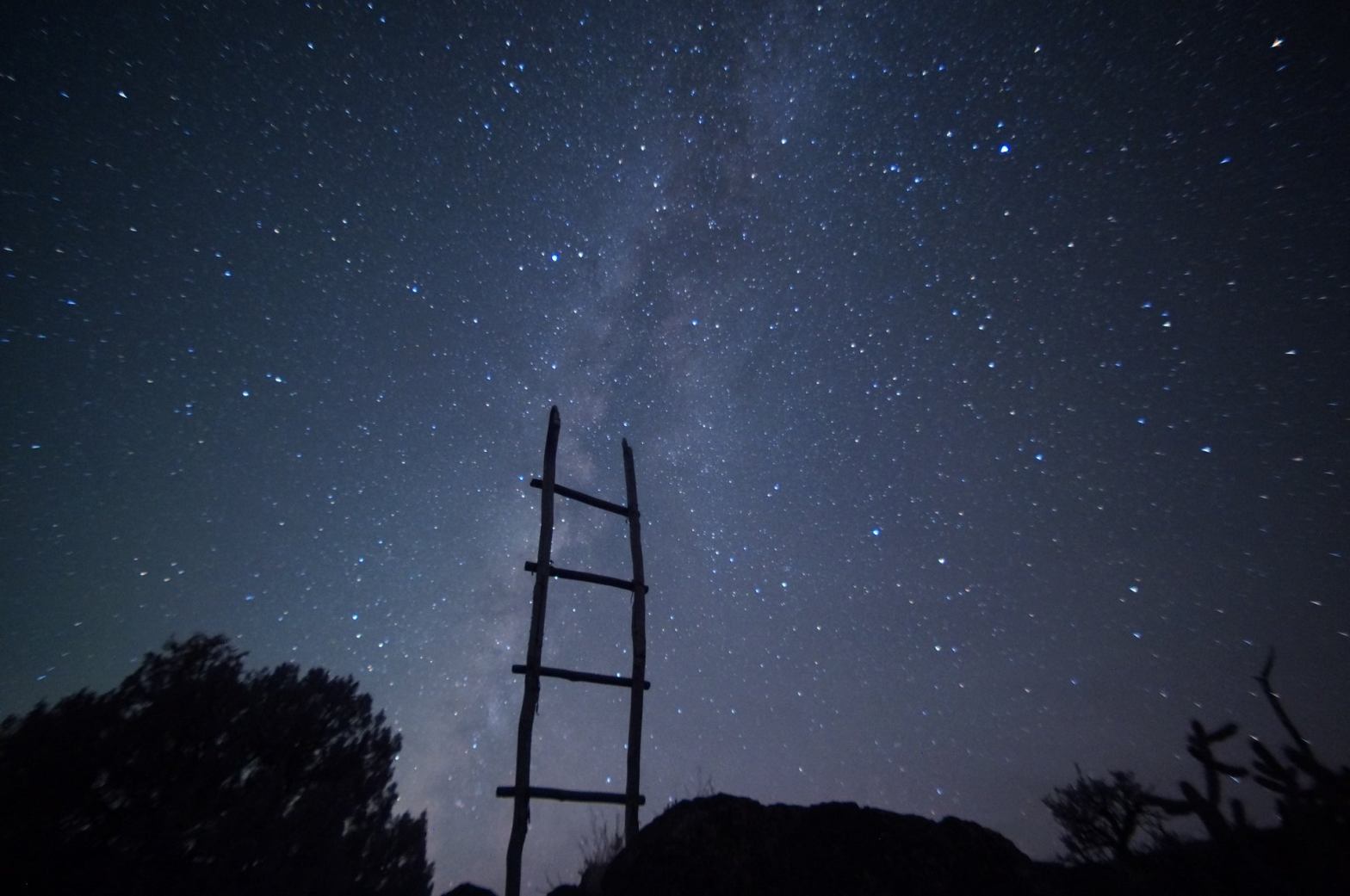
Quantas são as escadas para a colheita em um pomar?
Eu tinha apenas uma e uma grande paciência com as mãos acesas
e o olhar das estrelas que se moviam através de mim
como a água se movia pelos canais com uma voz
que parecia falar desta colheita sem luar
e daqueles que colheram antes de mim.
Coloquei os pêssegos na água fria da lagoa,
a noite toda subindo e descendo a escada, a noite toda torcendo
frutas com as mãos como se estivesse entrando em mil portas,
a noite toda minhas costas como uma estrada reta para o céu.
E então, por sua própria bondade,
dos campos distantes das estrelas a manhã veio,
e dentro de mim estava a quietude que um sino possui
logo após ter sido tocado, antes que o metal
comece a ansiar novamente pelo golpe do badalo.
A luz inundou o pomar.
Os canais eram de prata e depois já não eram,
e a lagoa estava – pude ver quando coloquei
o último pêssego na água – cheia de peixes e olhos.

Trad.: Nelson Santander

The Leaving

My father said I could not do it,
but all night I picked the peaches.
The orchard was still, the canals ran steadily.
I was a girl then, my chest its own walled garden.
How many ladders to gather an orchard?
I had only one and a long patience with lit hands
and the looking of the stars which moved right through me
the way the water moved through the canals with a voice
that seemed to speak of this moonless gathering
and those who had gathered before me.
I put the peaches in the pond’s cold water,
all night up the ladder and down, all night my hands
twisting fruit as if I were entering a thousand doors,
all night my back a straight road to the sky.
And then out of its own goodness, out
of the far fields of the stars, the morning came,
and inside me was the stillness a bell possesses
just after it has been rung, before the metal
begins to long again for the clapper’s stroke.
The light came over the orchard.
The canals were silver and then were not.
and the pond was–I could see as I laid
the last peach in the water–full of fish and eyes.

Ellen Bass – Pelo tempo que quiser

No caminho para o cemitério, eu dormi.
Não na limusine que levava o caixão da minha mãe,
mas apagada em uma van, a família toda falando ao meu redor.
Eu estava exausta do sofrimento dela, de seus apelos —
me ajuda e chega, chega
e tentando fazer com que a morfina permanecesse na vala de suas gengivas.
Como pude não ter estudado isso com antecedência?
A maneira como minha mãe aprendeu a dar injeções no curso de enfermagem,
enfiando a agulha em uma laranja
e praticando nas outras meninas.
Deus só nos dá força para um dia de cada vez.
Quantas vezes eu a ouvi dizer isso?
Pergunte a si própria, eu posso fazer este dia?
E então ela fez seu último dia.
No caminho de volta, o motorista se perdeu. Enquanto circulávamos por entre
campos desconhecidos e árvores com flores estonteantes, começamos a imaginar
que poderíamos comprar algumas terras.
Com cavalos. E um lago. Tudo parecia possível.
E hilário. Estávamos um pouco histéricos,
dirigindo-nos para o luxo do futuro.
Nunca mais retornei ao túmulo da minha mãe.
Mas eu a vejo todos os dias. Ei-la de botas de canos curtos,
voltando da praia com um jarro de água do mar.
Todas as manhãs ela me dá uma colherada. Minerais.
Algo que ela leu no Pleasantville Press.
Aqui ela embrulha canecas e copos no mesmo papel,
depositando-os em sacolas pardas.
Ela está contando moedas nas mãos dos clientes,
cuidando para tocar em suas palmas.
E aqui, em seu roupão numa noite de sábado. A loja acabou de fechar.
Ela morde um sanduíche de carne e cebolas, toma uma cerveja.
Amanhã de manhã ela pode dormir até tarde. Há uma lei
em Nova Jersey que obriga as lojas de bebidas a fechar aos domingos.
Uma lei abençoada que permite que minha mãe durma…
e depois se sente com um cigarro e um café preto,
uma perna robusta cruzada sobre a outra.
Ela pode sentar-se ali pelo tempo que quiser.

Trad.: Nelson Santander

Publicada na revista The New Yorker de 11/04/2022 (https://www.newyorker.com/magazine/2022/04/18/as-long-as-she-likes)

As long as she likes

On the way to the cemetery, I slept.
Not in the limousine that carried my mother’s coffin
but out cold in a van, the family all talking around me.
I was exhausted from her suffering, her pleas—
help me and enough, enough
and trying to get the morphine to stay in the ditch of her gums.
How could I not have studied this in advance?
The way my mother learned to give shots in nursing school,
plunging the needle into an orange
then practicing on the other girls.
God only gives you strength for one day at a time.
How many times did I hear her say this?
Ask yourself, can I make this day?
And then she made her last day.
On the way back, the driver got lost. As we circled unfamiliar
fields and trees dizzy with blossoms, we began to imagine
we could buy some land.
Horses. A lake. Everything seemed possible.
And hilarious. We were a little hysterical,
driving into the luxury of the future.
I’ve never returned to my mother’s grave.
But I see her every day. Here she is in short boots,
coming back from the beach with a jar of seawater.
Each morning she feeds me a spoonful. Minerals.
It’s something she read in the Pleasantville Press.
Here she’s wrapping pints and quarts in that same paper,
sliding them into brown bags.
She’s counting out coins into the customers’ hands,
careful to touch their palms.
And here in her bathrobe on a Saturday night. The store just closed.
She bites into a hoagie, steak and onions, sips a beer.
Tomorrow morning she can sleep late. There’s a law
in New Jersey that liquor stores have to close on Sunday.
A blessed law that lets my mother sleep . . .
and then sit down with a cigarette and black coffee,
one strong leg crossed over the other.
She can sit there as long as she likes.

Ellen Bass – Pinheiros de Ponary

Pinheiros de Ponary

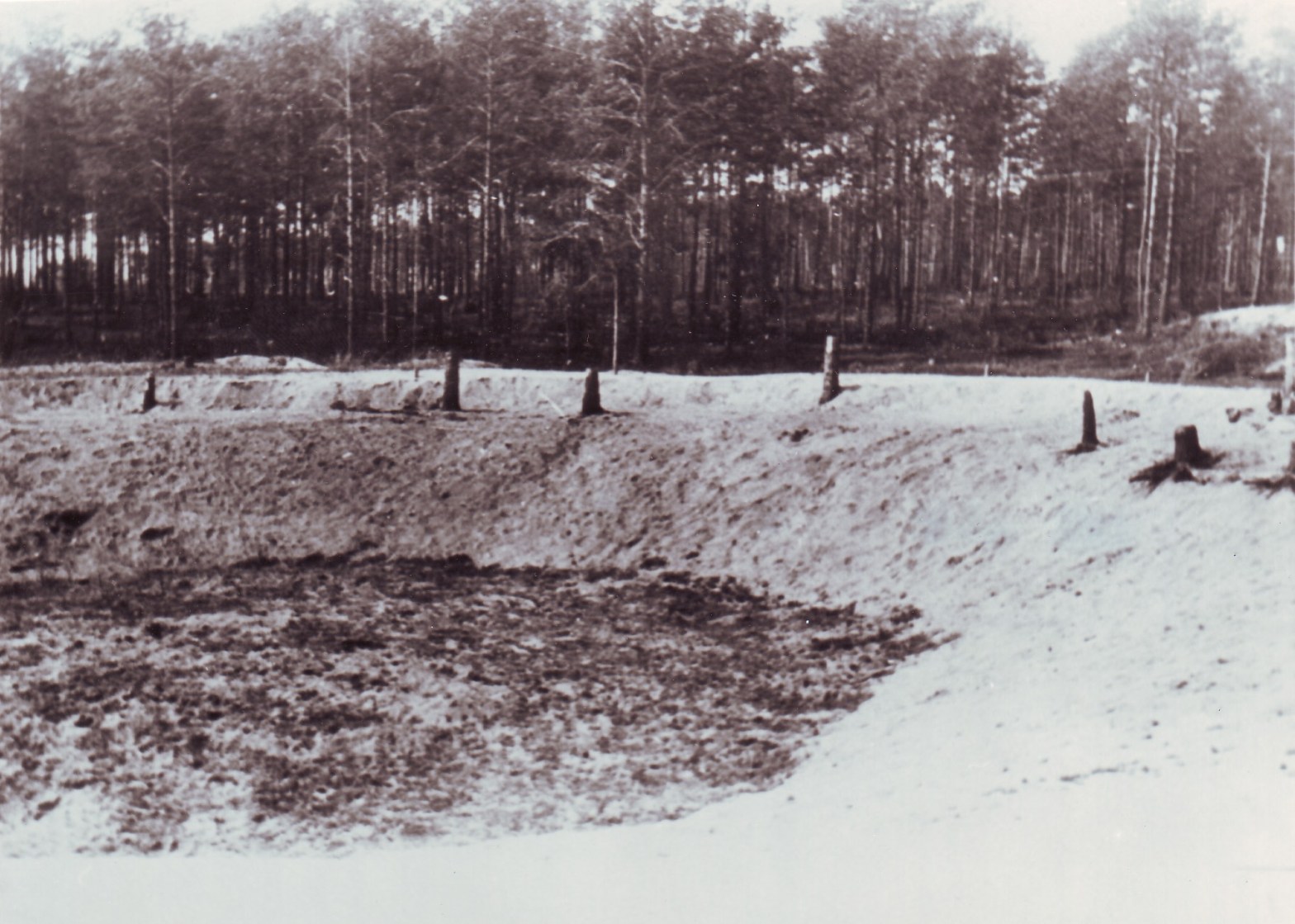
Cem mil pessoas foram assassinadas pelos nazistas em Ponary, dez quilômetros a sudoeste de Vilnius, onde minha avó nasceu.

Hoje está cinzento, garoa,
mas não o suficiente para que as gotas se acumulem
nas pontas das agulhas de prata
ou para encharcar as cascas dos pinheiros de Ponary –
alguns deles com mais de um século.
Eles estavam aqui quando
os trens circulavam sobre os trilhos
dormentes. E antes de adentrar
três metros na floresta, eu ouço o som.
Claro. Tinha que existir um trem.
Mas eu não esperava que ainda funcionasse
assim, as pessoas
entrando e saindo com seus pacotes.
Eu não havia pensado no cheiro de resina se espalhando na tarde fria. As árvores
avançam até a borda
dos fossos onde os judeus eram abatidos
de forma que seus corpos caíssem
com eficiência. Seus ramos não puderam salvar
ninguém. Suas agulhas ofereceram oxigênio
às vítimas e aos verdugos, da mesma forma.

Trad.: Nelson Santander

Pines at Ponary

One hundred thousand people were murdered by the Nazis at Ponary, ten kilometers southwest of Vilnius, where my grandmother was born.

Today is gray, drizzling,
but not enough for drops to pool
on the tips of the silver needles
or soak the bark of the pines at Ponary –
some of them more than a century old.
They were here when
the trains wheeled on numb
rails. And before I have gone
ten feet into the forest, I hear the sound.
Of course. There would have to be a train.
But I hadn’t expected it still to run
like this, people
getting off and on with their packages.
I hadn’t thought of the scent of resin spilling into the cold afternoon. The trees
step to the rim
of the pits where Jews were shot
so the bodies fell in
efficiently. Their branches could save
no one. Their needles offered oxygen
to victims and executioners, the same.

Ada Limón – Instruções para não desistir

Mais do que os funis fúcsia rompendo
da macieira, mais do que a exibição quase
obscena dos galhos da cerejeira do vizinho enfiando
suas flores cor de algodão doce no céu ardósia
das chuvas de primavera, é o verdejar das árvores
que realmente me comove. Quando todo o embate de branco
e caramelo e os berloques e bugigangas do mundo deixam,
de rescaldo, a calçada repleta de confetes espalhados,
as folhas vêm. Paciente, laboriosa, uma pele verde
cresce sobre o que quer que o inverno nos tenha feito, um retorno
à estranha ideia de uma vida contínua, apesar
do caos entre nós, da dor, do vazio. Tudo bem então,
a árvore parece dizer, eu farei uma folha nova e escorregadia
se desdobrar como um punho aberto, eu o farei.

Trad.: Nelson Santander

Instructions on Not Giving Up

More than the fuchsia funnels breaking out
of the crabapple tree, more than the neighbor’s
almost obscene display of cherry limbs shoving
their cotton candy-colored blossoms to the slate
sky of Spring rains, it’s the greening of the trees
that really gets to me. When all the shock of white
and taffy, the world’s baubles and trinkets, leave
the pavement strewn with the confetti of aftermath,
the leaves come. Patient, plodding, a green skin
growing over whatever winter did to us, a return
to the strange idea of continuous living despite
the mess of us, the hurt, the empty. Fine then,
I’ll take it, the tree seems to say, a new slick leaf
unfurling like a fist to an open palm, I’ll take it all.

Jo Shapcott – Observadora de estrelas

Se eu não estou olhando para você,
me perdoe; se pareço
estar esqudrinhando o céu,
cabeça jogada para trás, curiosa,
extática, reservada, andando
aleatoriamente no chão
à sua frente, meu público,
me perdoe, e esqueça o que está
acontecendo em minhas células.
É em você que estou pensando
e, voz lançada para o alto,
é com você que estou falando, você.

Estou tentando manter tudo simples
no tempo que me resta:
felizmente, é uma lenta
e seletiva degeneração.
Espero, principalmente, permanecer atual
e verdadeira, apesar do
impulso indevido que se me apoderou
de dizer tudo,
de uma só vez, para todos, que é
o que eu gostaria de fazer se ao menos
pudesse permanecer além deste momento.

Trad.: Nelson Santander

Stargazer

If I’m not looking at you,
forgive; if I appear
to be scanning the sky,
head thrown back, curious,
ecstatic, shy, strolling
unevenly across the floor
in front of you, my audience,
forgive, and forget what’s
happening in my cells.
It’s you I’m thinking of
and, voice thrown upwards,
to you I’m speaking, you.

I’m trying to keep this simple
in the time left to me:
luckily, it’s a slow
and selective degeneration.
I’m hoping, mainly, to stay present
and straight up despite
the wrong urge that’s taken hold,
to say everything, all
at once, to everyone, which
is what I’d like if only
I could stay beyond this moment.

Cynthia Huntington – O arrebatamento

Lembro-me de estar na cozinha, misturando ossos para a sopa,
e de que, naquele momento, me tornei outra pessoa.

Era uma noite de início de primavera, o ar da Califórnia estava ameno.
Lá fora, o eucalipto se curvava compulsivamente

sobre o trailer do vizinho, estacionado na entrada da garagem.
A rua estava tranquila, pra variar, e todas as janelas estavam abertas.

Então, meu braço direito formigou, uma palpitação começou sob a pele.
Um fogo desceu pelo nervo da minha perna; meu couro cabeludo explodiu

em pontadas de luz. Eu tremia e sentia vontade de rir;
era emocionante como um terremoto. Uma cidade em chamas

após um terremoto. Então eu tremi e minhas pernas estremeceram,
todos os músculos aprisionados, então eu caí e deitei de lado,

um parafuso cravado em meu crânio, em minha espinha. Minhas pernas
nadavam contra o linóleo, e olhei para a parte de baixo

do fogão, os lugares sujos onde a esponja não alcançava.
Tudo desmoronou ali, em um só lugar, num piscar de olhos.

Ali no meu corpo. Na cozinha, às seis da tarde, abril.
Uma colher de pau presa em minha mão, o cheiro de caldo de galinha.

E naquele momento, eu soube de tudo o que viria depois:
a visão estava completa quando se apoderou de mim. Sem diagnóstico,

sem histórico, eu soube que minha vida havia mudado.
Eu parecia ter-me tornado inteiramente eu mesma naquele instante.

Não foram os testes, exames em laboratórios de especialistas, nem
os procedimentos laboratoriais: IRM, punção lombar, eletrodos

colados em meu couro cabeludo, a agulha raspada na sola do meu pé,
seguir um dedo com os olhos, EEG, PET-scan, mielograma.

Nem as quedas, a cegueira ou os tremores, os tropeços
e o sibilar no sangue, nem o deitar na cama à tarde.

Não o fenobarbitol, amitriptileno, prednisona, amantadine, ACTH,
cortisona, citoxano, copolímero, baclofeno, tegretol, mas isto:

Às seis horas da tarde, em abril, mexendo ossos para a sopa.
Um evento cujo conhecimento chegou por inteiro, cujo significado levou anos

para abrir-se, para parecer um destino. Durou trinta segundos, não mais.
Então meus músculos se soltaram, a onda e o tremor abandonaram meu corpo

e eu fiquei imóvel sob o alto teto branco. Depois eu me pus de pé
e fiquei ali, parada, quieta, sozinha, começando a ter medo.

Trad.: Nelson Santander

N. do T.: o presente poema, no qual a autora – valendo-se da metáfora do arrebatamento (um dos dogmas do cristianismo evangélico) – narra a primeira vez em que foi súbita e drasticamente atingida pela Esclerose Múltipla, venceu o Prêmio Levis de poesia em 2001.

The Rapture

I remember standing in the kitchen, stirring bones for soup,
and in that moment, I became another person.

It was an early spring evening, the air California mild.
Outside, the eucalyptus was bowing compulsively

over the neighbor’s motor home parked in the driveway.
The street was quiet for once, and all the windows were open.

Then my right arm tingled, a flutter started under the skin.
Fire charged down the nerve of my leg; my scalp exploded

in pricks of light. I shuddered and felt like laughing;
it was exhilarating as an earthquake. A city on fire

after an earthquake. Then I trembled and my legs shook,
and every muscle gripped so I fell and lay on my side,

a bolt driven down my skull into my spine. My legs were
swimming against the linoleum, and I looked up at the underside

of the stove, the dirty places where the sponge didn’t reach.
Everything collapsed there in one place, one flash of time.

There in my body. In the kitchen at six in the evening, April.
A wooden spoon clutched in my hand, the smell of chicken broth.

And in that moment I knew everything that would come after:
the vision was complete as it seized me. Without diagnosis,

without history, I knew that my life was changed.
I seemed to have become entirely myself in that instant.

Not the tests, examinations in specialists’ offices, not
the laboratory procedures: MRI, lumbar puncture, electrodes

pasted to my scalp, the needle scraped along the sole of my foot,
following one finger with the eyes, EEG, CAT scan, myelogram.

Not the falling down or the blindness and tremors, the stumble
and hiss in the blood, not the lying in bed in the afternoons.

Not phenobarbitol, amitriptylene, prednisone, amantadine, ACTH,
cortisone, cytoxan, copolymer, baclofen, tegretol, but this:

Six o’clock in the evening in April, stirring bones for soup.
An event whose knowledge arrived whole, its meaning taking years

to open, to seem a destiny. It lasted thirty seconds, no more.
Then my muscles unlocked, the surge and shaking left my body

and I lay still beneath the white high ceiling. Then I got up
and stood there, quiet, alone, just beginning to be afraid.
Jaime Gil de Biedma – Lembre-se

Bela vida que se foi e parece
já não passar
       Desde então, afundo
em sonhos na memória: estremece
eterno o tempo lá no fundo.
E de repente um redemoinho cresce
e me arrasta sugado rumo a um profundo
abismo, para onde vai, despenhado,
para sempre submergindo o passado.

Trad.: Nelson Santander

REPUBLICAÇÃO: poema publicado no blog originalmente em 25/04/2018

Jaime Gil Biedma – Recuerda

Hermosa vida que pasó y parece
ya no pasar...
       Desde este instante, ahondo
sueños en la memoria: se estremece
la eternidad del tiempo allá en el fondo.
Y de repente un remolino crece
que me arrastra sorbido hacia un trasfondo
de sima, donde va, precipitado,
para siempre sumiéndose el pasado.

Henry Wadsworth Longfellow – Casas assombradas

Todas as casas onde homens viveram e morreram
   São casas mal-assombradas. Pelo aberto portão
As inofensivas almas, em suas tarefas, pairam,
   Com pés que quase nenhum ruído produzem no chão.

Nós as encontramos na escadaria, no corredor,
   Pelas passagens através das quais elas vêm e vão,
impalpável impressão no ar ao nosso derredor,
   Sensação de algo em intensa movimentação.

Há mais convivas na mesa do que os anfitriões
   Chamaram; encontra-se a entrada resplandescente
Apinhada de mansas e inermes aparições,
   Tão silenciosas quanto aqueles quadros na parede.

O estranho na minha lareira não consegue ver
   As formas que eu enxergo, nem ouvir os sons que eu escuto;
Ele apenas os percebe; enquanto que para o meu ser
   Tudo quanto tem sido é visível e impoluto.

Não temos títulos de posse de terras e moradas;
   Proprietários e posseiros de esquecidos jazigos
De eras passadas estiram suas mãos empoeiradas,
   E mantém inalienáveis seus domínios antigos.

O mundo espiritual que circunda o dos sentidos
   Flutua como a atmosfera, e por todo lado
Exala por essas brumas terrestres e densos fluidos
   Um bafejo substancial do ar mais elevado.

Nossas pequenas vidas são mantidas em harmonia
   Por contraditórias atrações e expectativas
A batalha entre a inclinação que se delicia,
   E a mais nobre inclinação, a que objetiva.

Essas perturbações, este perpétuo recipiente
   De elevados desejos e de aspirações mundanas,
Originam-se de uma estrela invisível influente,
   Um ignoto planeta que acima do nosso céu plana.

E enquanto o luar projeta de um portal pardacento
   De nuvem sobre o mar uma ponte de luz flutuante,
Em cujo instável passadiço nossos pensamentos
   Aglomeram-se no reino do mistério e da noite, –

Assim também daquele mundo dos espíritos desce
   Uma passarela de luz, que o conecta ao nosso,
Sobre cujo movente piso, que oscila e se torce,
   Vagueiam nossos pensamentos sobre o escuro fosso.

Trad.: Nelson Santander

Haunted Houses

All houses wherein men have lived and died
  Are haunted houses.  Through the open doors
The harmless phantoms on their errands glide,
  With feet that make no sound upon the floors. 

We meet them at the doorway, on the stair,
  Along the passages they come and go,
Impalpable impressions on the air,
  A sense of something moving to and fro. 

There are more guests at table, than the hosts
  Invited; the illuminated hall
Is thronged with quiet, inoffensive ghosts,
  As silent as the pictures on the wall. 

The stranger at my fireside cannot see
  The forms I see, nor hear the sounds I hear;
He but perceives what is; while unto me
  All that has been is visible and clear. 

We have no title-deeds to house or lands;
  Owners and occupants of earlier dates
From graves forgotten stretch their dusty hands,
  And hold in mortmain still their old estates. 

The spirit-world around this world of sense
  Floats like an atmosphere, and everywhere
Wafts through these earthly mists and vapors dense
  A vital breath of more ethereal air. 

Our little lives are kept in equipoise
  By opposite attractions and desires;
The struggle of the instinct that enjoys,
  And the more noble instinct that aspires. 

These perturbations, this perpetual jar
  Of earthly wants and aspirations high,
Come from the influence of an unseen star,
  An undiscovered planet in our sky. 

And as the moon from some dark gate of cloud
  Throws o’er the sea a floating bridge of light,
Across whose trembling planks our fancies crowd
  Into the realm of mystery and night,– 

So from the world of spirits there descends
  A bridge of light, connecting it with this,
O’er whose unsteady floor, that sways and bends,
  Wander our thoughts above the dark abyss.

Andrea Cohen – Recusa em lamentar

Em vez de 
flores, mande-
o de volta.

Trad.: Nelson Santander
Refusal to Mourn 

In lieu of
flowers, send
him back.