Louise Glück – Acalanto

Hora de descansar agora; você
já teve emoção suficiente por ora.

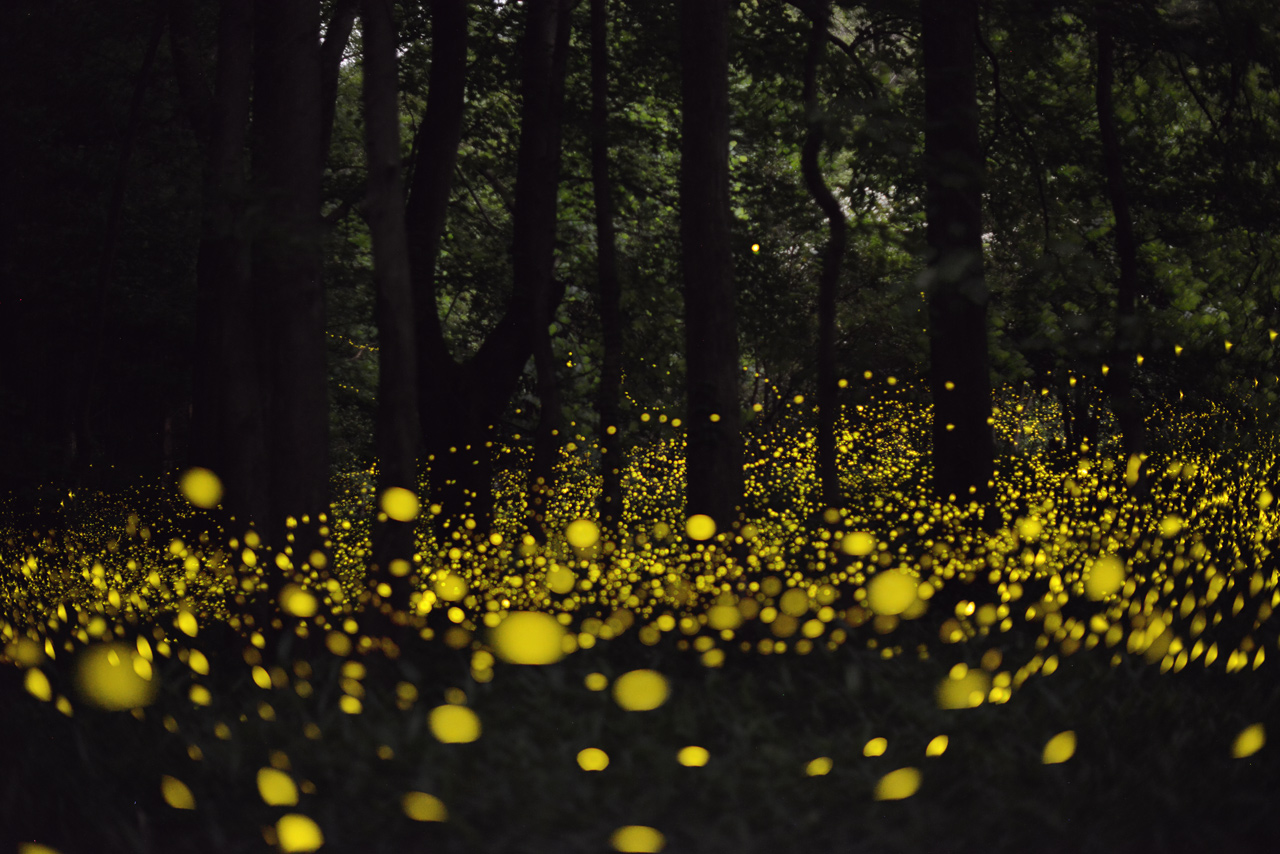
Crepúsculo, depois início da noite. Vaga-lumes
no quarto, cintilando aqui e ali, aqui e ali,
e a profunda doçura do verão inundando através da janela aberta.

Não pense mais nessas coisas.
Escute minha respiração, sua própria respiração
como os vaga-lumes, cada pequena respiração
uma centelha na qual o mundo se revela.

Já cantei para você por tempo suficiente na noite de verão.
Vou conquista-lo no final; o mundo não pode lhe proporcionar
essa contínua visão.

Você precisa ser ensinado a me amar. Os seres humanos devem ser ensinados a amar
o silêncio e a escuridão.

Trad.: Nelson Santander

Lullaby

Time to rest now; you have had
enough excitement for the time being.

Twilight, then early evening. Fireflies
in the room, flickering here and there, here and there,
and summer’s deep sweetness filling the open window.

Don’t think of these things anymore.
Listen to my breathing, your own breathing
like the fireflies, each small breath
a flare in which the world appears.

I’ve sung to you long enough in the summer night.
I’ll win you over in the end; the world can’t give you
this sustained vision.

You must be taught to love me. Human beings must be taught to love
silence and darkness.

Louise Glück – Ocaso

Minha maior alegria
é o som que sua voz produz
me chamando mesmo no desespero; meu desgosto
é não poder responder
em uma fala que você reconheça como minha.

Você não tem fé em sua própria linguagem.
Por isso investe
a reputação em sinais
que não consegue ler com precisão.

E ainda assim sua voz sempre me alcança.
E eu respondo incessantemente,
minha raiva se dissipando
como o inverno se esvai. Minha ternura
deveria ser evidente para você
na brisa das noites de verão
e nas palavras que se tornam
suas próprias respostas.

Trad.: Nelson Santander

Sunset

My great happiness
is the sound your voice makes
calling to me even in despair; my sorrow
that I cannot answer you
in speech you accept as mine.

You have no faith in your own language.
So you invest
authority in signs
you cannot read with any accuracy.

And yet your voice reaches me always.
And I answer constantly,
my anger passing
as winter passes. My tenderness
should be apparent to you
in the breeze of the summer evening
and in the words that become
your own response.

Louise Glück – Vésperas (10)

Fim de agosto. Calor
como em uma estufa sobre a
horta do John. E algumas coisas
têm a coragem de começar,
cachos de tomates, talhões
de lírios tardios – otimismo
das grandes hastes – ouro
e prata imperiais: mas por que
iniciar algo
tão perto do fim?
Tomates que nunca amadurecerão, lírios
que o inverno matará, que não
retornarão na primavera. Ou
você acha que
eu passo tempo demais
pensando no futuro, como
uma velha vestindo
suéteres no verão?
Você está dizendo que eu posso
florescer, sem nenhuma esperança
de perdurar? Esplendor de vermelhas faces, glória
de gargantas abertas, brancas,
manchadas de carmesim.

Trad.: Nelson Santander

Vespers (10)

End of August. Heat
like a tent over
John’s garden. And some things
have the nerve to be getting started,
clusters of tomatoes, stands
of late lilies — optimism
of the great stalks — imperial
gold and silver: but why
start anything
so close to the end?
Tomatoes that will never ripen, lilies
winter will kill, that won’t
come back in spring. Or
are you thinking
I spend too much time
looking ahead, like
an old woman wearing
sweaters in summer;
are you saying I can
flourish, having
no hope
of enduring? Blaze of the red cheek, glory
of the open throat, white,
spotted with crimson.

Louise Glück – Vésperas (9)

Sua voz se foi agora; mal consigo ouvi-la.
Sua voz estrelada é apenas sombra agora
e a terra está escura novamente
com suas grandes transformações.

E de dia a grama fica parda em alguns pontos
sob as amplas sombras dos carvalhos.
Agora, por toda parte, sou assunto para o silêncio,

então está claro que não tenho acesso a você;
Não existo para você, você traçou
uma linha sobre meu nome.

Com que desprezo você nos detém,
para crer que apenas a perda pode imprimir
seu poder sobre nós,

as primeiras chuvas de outono agitando os lírios brancos –

Quando você parte, parte absolutamente,
subtraindo a vida visível de todas as coisas,

Mas não toda a vida,
para que não nos afastemos de você.

Trad.: Nelson Santander

Vespers

Your voice is gone now; I hardly hear you.
Your starry voice all shadow now
and the earth dark again
with your great changes of heart.

And by day the grass going brown in places
under the broad shadows of the maple trees.
Now, everywhere I am talked to by silence

so it is clear I have no access to you;
I do not exist for you, you have drawn
a line through my name.

In what contempt do you hold us
to believe only loss can impress
your power on us,

the first rain of autumn shaking the white lilies –

When you go, you go absolutely,
deducting visible life from all things

but not all life,
lest we turn from you.

Louise Glück – Vésperas: Parousia

Amor da minha vida, você
Está perdido e eu sou
Jovem novamente.

Alguns anos se passaram.
O ar se enche
Com música de meninas;
No jardim da frente
A macieira
Se cobre de flores.

Eu tento reconquista-lo.
É esse o propósito
Da escrita.
Mas você se foi para sempre.
Como nos romances russos, dizendo
Algumas palavras das quais não me lembro –

Quão exuberante é o mundo,
Quão cheio de coisas que não me pertencem –

Eu assisto as flores se despetalarem,
Já não são cor-de-rosa,
Mas velhas, velhas, de um branco amarelado –
As pétalas parecem
Flutuar na relva brilhante,
Tremulando ligeiramente.

Que nada você foi,
Para se transmudar tão rapidamente
Em uma imagem, um odor –
Você está em toda parte, fonte
De sabedoria e angústia.

Trad.: Nelson Santander

Vespers: Parousia

Love of my life, you
Are lost and I am
Young again.

A few years pass.
The air fills
With girlish music;
In the front yard
The apple tree is
Studded with blossoms.

I try to win you back,
That is the point
Of the writing.
But you are gone forever,
As in Russian novels, saying
A few words I don’t remember –

How lush the world is,
How full of things that don’t belong to me-

I watch the blossoms shatter,
No longer pink,
But old, old, a yellowish white-
The petals seem
To float on the bright grass,
Fluttering slightly.

What a nothing you were,
To be changed so quickly
Into an image, an odor-
You are everywhere, source
Of wisdom and anguish.

Louise Glück – Vésperas (7)

Eu sei o que você planejou, o que pretendia ao me ensinar
a amar o mundo, tornando impossível
virar completamente as costas, excluí-lo completamente para sempre –
está por toda parte; quando fecho os olhos,
no canto dos pássaros, no aroma de lilases no início da primavera, no aroma de rosas no verão:
você quer arrancar de mim cada flor, cada conexão com a terra –
e por que você me magoaria, e por que iria querer
me deixar desolada ao final? A menos que você me queira tão carente de esperança
que eu me recusaria a ver que, afinal,
nada me restou, e acreditaria, em vez disso,
que no final apenas você foi deixado para mim.

Trad.: Nelson Santander

Vespers

I know what you planned, what you meant to do, teaching me
to love the world, making it impossible
to turn away completely, to shut it out completely ever again —
it is everywhere; when I close my eyes,
birdsong, scent of lilac in early spring, scent of summer roses:
you mean to take it away, each flower, each connection with earth —
why would you wound me, why would you want me
desolate in the end, unless you wanted me so starved for hope
I would refuse to see that finally
nothing was left to me, and would believe instead
in the end you were left to me.

Louise Glück – Luz em retirada

Vocês eram como crianças pequenas,
sempre esperando por uma história.
E eu já havia passado por tudo aquilo muitas vezes;
eu estava cansado de contar histórias.
Então eu lhes dei papel e lápis.
Eu lhes dei canetas feitas de juncos que
eu mesmo havia reunido, à tarde, nos densos prados.
E lhes disse: escrevam sua própria história.

Depois de todos estes anos me ouvindo
eu pensei que vocês saberiam
o que era uma história.

Tudo o que vocês podiam fazer era chorar.
Vocês queriam que tudo fosse contado a vocês
e nada pensado por vocês mesmos.

Então percebi que vocês não conseguiam pensar
com real ousadia ou paixão;
Vocês ainda não tinham vivido suas próprias vidas,
suas próprias tragédias.
Então eu lhes dei vidas, eu dei a vocês tragédias,
porque aparentemente só as ferramentas não eram suficientes.

Vocês jamais saberão o quão profundamente
me agrada vê-los sentados aí,
como seres independentes,
vê-los sonhando diante da janela aberta,
segurando os lápis que eu lhes dei
até que a manhã de verão desapareça na escrita.

A criação trouxe a vocês
grande excitação, como eu sabia que traria,
como sempre acontece no início.
E estou livre para fazer o que quiser agora,
para cuidar de outras coisas, confiante
de que vocês não precisam mais de mim.

Trad.: Nelson Santander

Retreating light

You were like very young children,
always waiting for a story.
And I’d been through it all too many times;
I was tired of telling stories.
So I gave you the pencil and paper.
I gave you pens made of reeds
I had gathered myself, afternoons in the dense meadows.
I told you, write your own story.

After all those years of listening
I thought you’d know
what a story was.

All you could do was weep.
You wanted everything told to you
and nothing thought through yourselves.

Then I realized you couldn’t think
with any real boldness or passion;
you hadn’t had your own lives yet,
your own tragedies.
So I gave you lives, I gave you tragedies,
because apparently tools alone weren’t enough.

You will never know how deeply
it pleases me to see you sitting there
like independent beings,
to see you dreaming by the open window,
holding the pencils I gave you
until the summer morning disappears into writing.

Creation has brought you
great excitement, as I knew it would,
as it does in the beginning.
And I am free to do as I please now,
to attend to other things, in confidence
you have no need of me anymore.

Louise Glück – Presque Isle

Em cada vida, há um momento ou dois.
Em cada vida, um quarto em algum lugar, à beira-mar ou nas montanhas.

Sobre a mesa, um prato de damascos. Caroços em um cinzeiro branco.

Como todas as imagens, essas foram as condições de um pacto:
em seu rosto, o tremor da luz do sol,
meu dedo pressionando seus lábios.
As paredes branco-azuladas; a tinta da escrivaninha ligeiramente descascada.

Esse quarto ainda deve existir, no quarto andar,
com uma pequena varanda com vista para o oceano.
Um quarto quadrado e branco, o sobrelençol dobrado para trás na beirada da cama.
Ele não se dissolveu de volta ao nada, à realidade.
Pela janela aberta, o ar do mar, com seu cheiro de iodo.

De manhã cedo: um homem chamando um garotinho de volta da água.
Esse garotinho — ele teria vinte anos agora.
Ao redor do seu rosto, mechas de cabelo úmido, riscadas de ruivo.
Musselina, lampejo de prata. Pote pesado carregado de peônias brancas.

Trad.: Nelson Santander

Presque Isle

In every life, there’s a moment or two.
In every life, a room somewhere, by the sea or in the mountains.

On the table, a dish of apricots. Pits in a white ashtray.

Like all images, these were the conditions of a pact:
on your cheek, tremor of sunlight,
my finger pressing your lips.
The walls blue-white; paint from the low bureau flaking a little.

That room must still exist, on the fourth floor,
with a small balcony overlooking the ocean.
A square white room, the top sheet pulled back over the edge of the bed.
It hasn’t dissolved back into nothing, into reality.
Through the open window, sea air, smelling of iodine.

Early morning: a man calling a small boy back from the water.
That small boy — he would be twenty now.
Around your face, rushes of damp hair, streaked with auburn.
Muslin, flicker of silver. Heavy jar filled with white peonies.

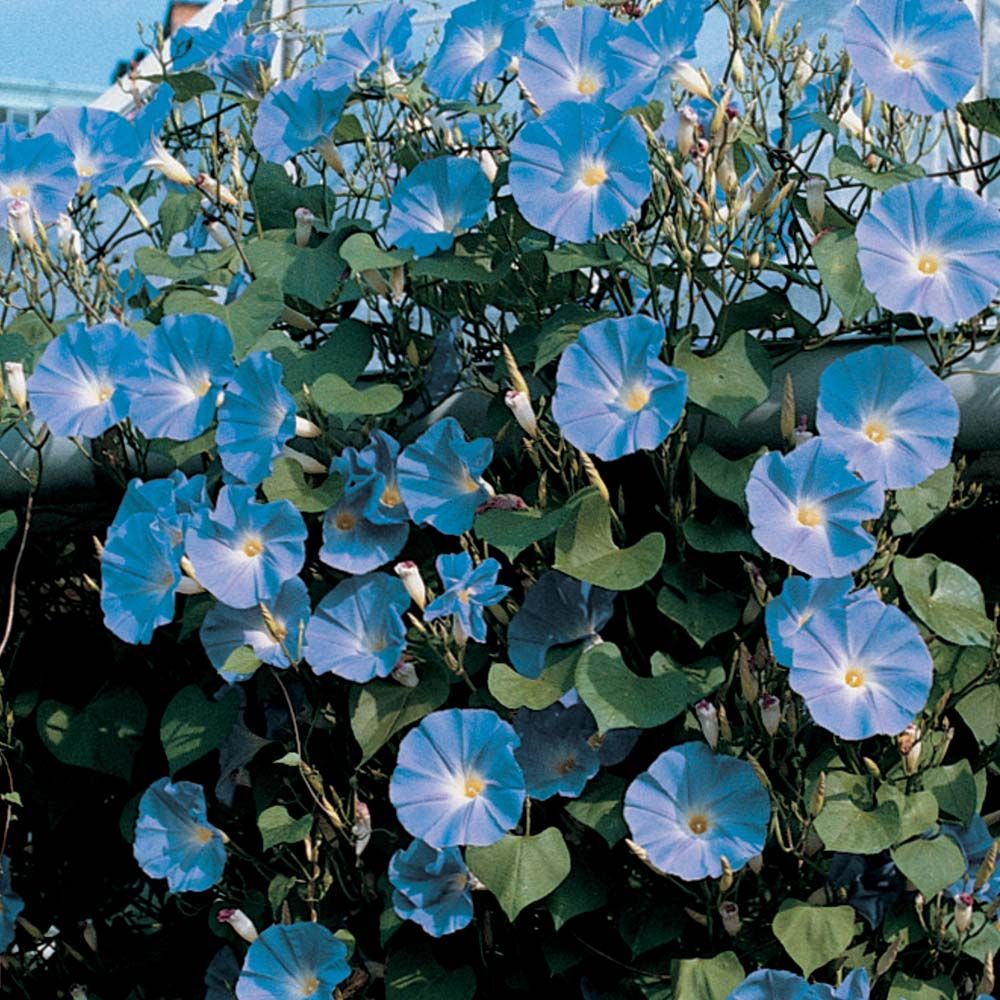
Louise Glück – Ipomoea

Qual foi o meu crime em outra vida,
como nesta vida meu crime
é a dor, de modo que não me é
permitido ascender novamente,
nunca em nenhum sentido
me é permitido repetir minha vida,
ferida no espinheiro, toda
beleza terrena um castigo
tão meu quanto seu —
Fonte do meu sofrimento, por que
você tirou de mim
estas flores celestes, salvo
para me marcar como parte
do meu mestre: eu sou
da cor de seu manto, minha carne dá
forma à sua glória.

Trad.: Nelson Santander

Ipomoea

What was my crime in another life,
as in this life my crime
is sorrow, that I am not to be
permitted to ascend ever again,
never in any sense
permitted to repeat my life,
wound in the hawthorn, all
earthly beauty my punishment
as it is yours —
Source of my suffering, why
have you drawn from me
these flowers like the sky, except
to mark me as a part
of my master: I am
his cloak’s color, my flesh giveth
form to his glory.

Louise Glück – A rosa branca

É esta a terra? Então
eu não pertenço a este lugar.

Quem é você na janela acesa,
sombreado agora pelas folhas trêmulas
de uma viburnum lantana1?
Você pode sobreviver onde eu não durarei
além do primeiro verão?

Ao longo da noite, os ramos finos da árvore
movem-se e farfalham na janela iluminada.
Explique minha vida para mim, você que não faz sinal algum,

embora na noite eu clame por você:
eu não sou como você, eu só tenho
meu corpo como voz; eu não consigo
desaparecer no silêncio —

E na fria manhã
sobre a superfície escura da terra
ecos da minha voz pairam,
a brancura constantemente absorvida pela escuridão

como se você afinal estivesse fazendo um sinal
para me convencer de que você também não sobreviveria aqui

ou para me mostrar que você não é a luz que pedi,
mas a escuridão por trás dela.

Trad.: Nelson Santander

1- N. do T.: A virburnum lantana, cujo nome científico é Lantana camara, é uma planta arbustiva perene, com altura variando entre 0,30m e 2,00m.  No Brasil, é conhecida pelos nomes populares de lantana, cambá, cambá-de-cheiro e camará.

The white rose

This is the earth? Then
I don’t belong here.

Who are you in the lighted window,
shadowed now by the flickering leaves
of the wayfarer tree?
Can you survive where I won’t last
beyond the first summer?

All night the slender branches of the tree
shift and rustle at the bright window.
Explain my life to me, you who make no sign,

though I call out to you in the night:
I am not like you, I have only
my body for a voice; I can’t
disappear into silence —

And in the cold morning
over the dark surface of the earth
echoes of my voice drift,
whiteness steadily absorbed into darkness

as though you were making a sign after all
to convince me you too couldn’t survive here

or to show me you are not the light I called to
but the blackness behind it.