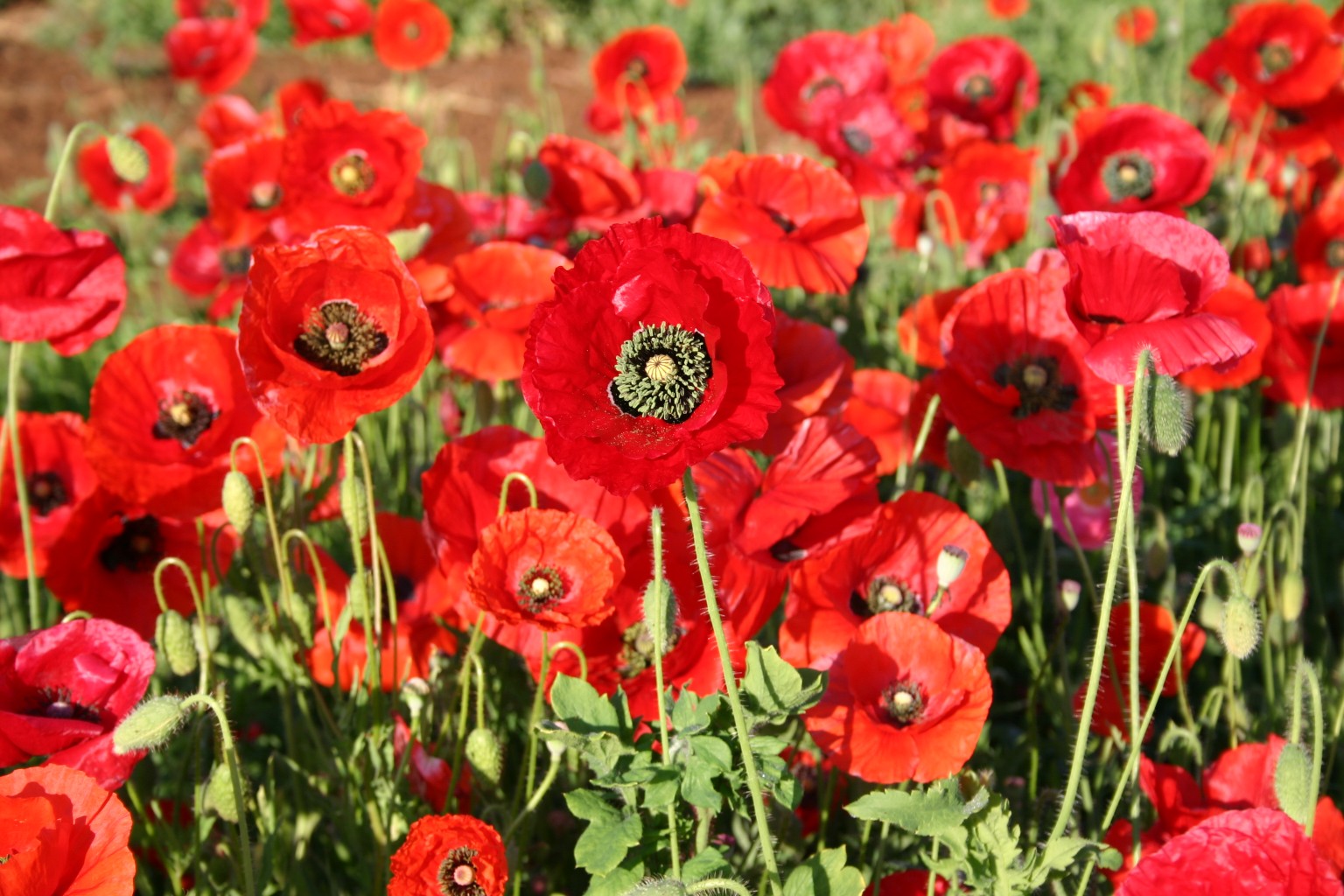
Louise Glück – A papoula vermelha

O melhor de tudo
é não ter
uma mente. Sentimentos:
oh, eu os tenho; eles
me governam. Tenho
um senhor no céu
chamado sol, e me abro
a ele, mostrando-lhe
o fogo do meu próprio coração, ardente
como a sua presença.
O que poderia ser tal glória
se não um coração? Oh meus irmãos e irmãs,
vocês já foram como eu, tempos atrás,
antes de se tornarem humanos?
Já se permitiram
se abrir uma vez, o que nunca
mais se abriria? Porque na verdade
estou falando agora do modo
como vocês falam. Eu falo
porque estou despedaçada.

Trad.: Nelson Santander

The red poppy

The great thing
is not having
a mind. Feelings:
oh, I have those; they
govern me. I have
a lord in heaven
called the sun, and open
for him, showing him
the fire of my own heart, fire
like his presence.
What could such glory be
if not a heart? Oh my brothers and sisters,
were you like me once, long ago,
before you were human? Did you
permit yourselves
to open once, who would never
open again? Because in truth
I am speaking now
the way you do. I speak
because I am shattered.
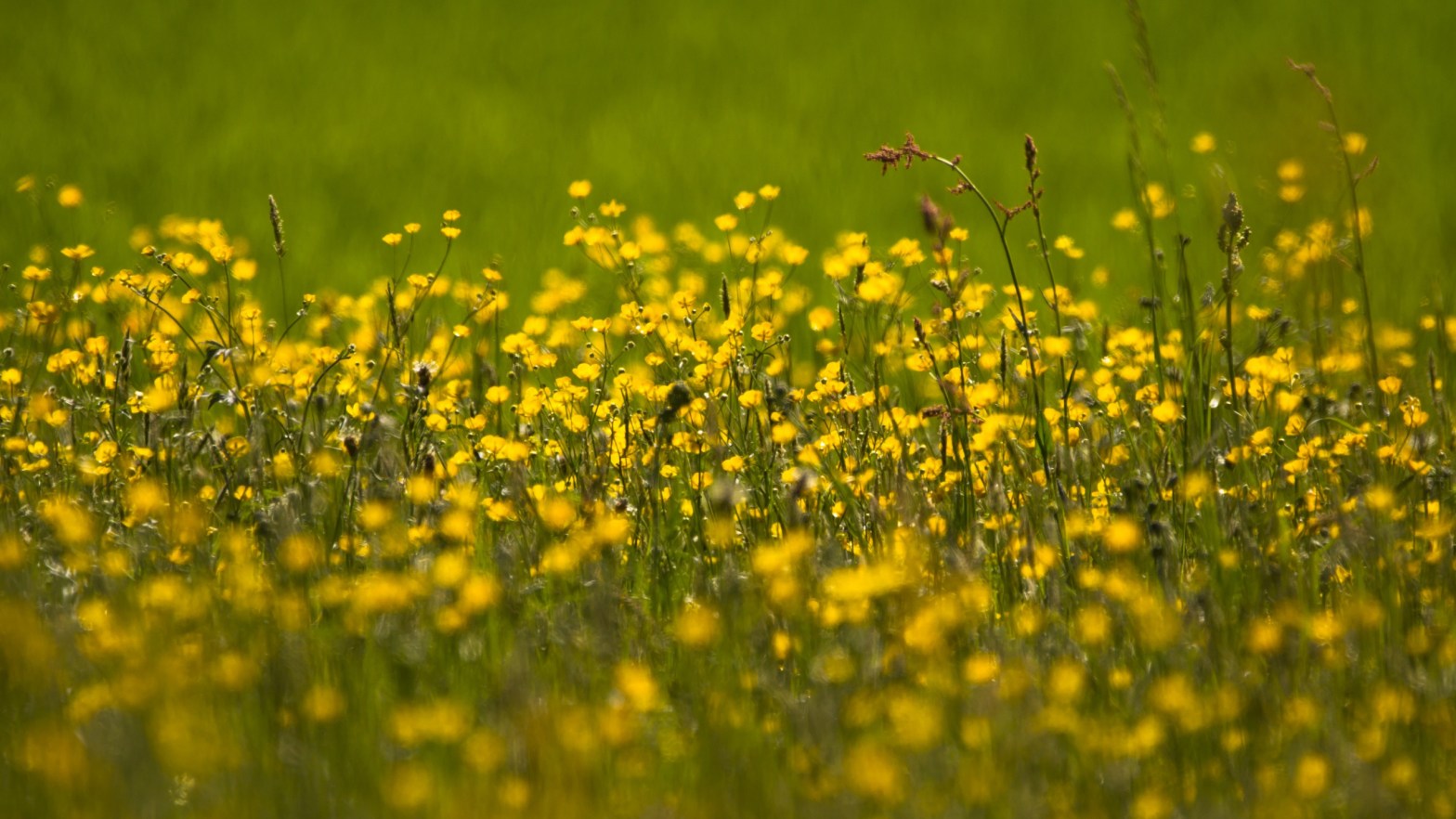
Louise Glück – Campo de flores

O que você está dizendo? Que deseja
vida eterna? Seus pensamentos realmente
são tão convincentes assim? Certamente
você não nos vê, não nos ouve,
mancha de sol
em sua pele, pó
de ranúnculos amarelos: estou
falando com você, aí, olhando fixamente
através das barras de grama alta que agitam
seus pequenos chocalhos — Ó
alma! a alma! É suficiente
apenas olhar para dentro? O desprezo
pela humanidade é uma coisa, mas por que
desdenhar o amplo
campo, para que esse olhar de desprezo sobre
os alvos ranúnculos silvestres? Sua limitada
ideia de paraíso: ausência
de mudança. É melhor do que a terra? Como
poderia saber quem não está nem cá
nem lá, em pé no meio de nós?

Trad.: Nelson Santander

Field flowers

What are you saying? That you want
eternal life? Are your thoughts really
as compelling as all that? Certainly
you don’t look at us, don’t listen to us,
on your skin
stain of sun, dust
of yellow buttercups: I’m talking
to you, you staring through
bars of high grass shaking
your little rattle — O
the soul! the soul! Is it enough
only to look inward? Contempt
for humanity is one thing, but why
disdain the expansive
field, your gaze rising over the clear heads
of the wild buttercups into what? Your poor
idea of heaven: absence
of change. Better than earth? How
would you know, who are neither
here nor there, standing in our midst?

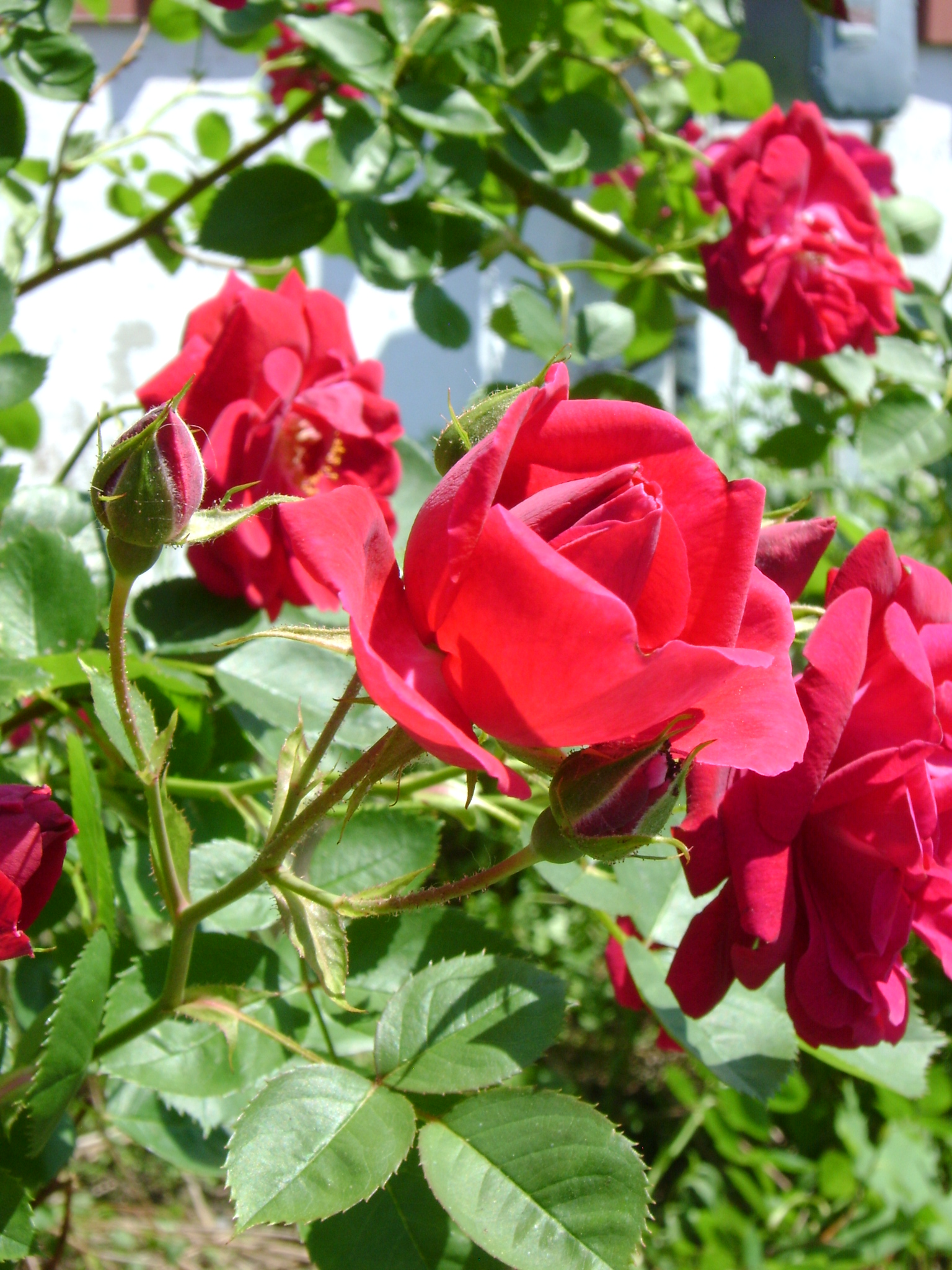
Louise Glück – Canção

Como um coração blindado,
o botão vermelho-vivo
da rosa silvestre começa
a desabrochar no ramo mais baixo,
sustentado pela malha
reticulada de um arbusto robusto:
ela floresce contra a escuridão,
que é o cenário constante
do coração, enquanto as flores
mais acima murcham ou apodrecem;
sobreviver
à adversidade apenas
acentua sua cor. Mas John
objeta, ele acredita que
se isto não fosse um poema, mas
sim um jardim de verdade, então a
rosa vermelha seria
obrigada a não se assemelhar
a nada mais, nem
a outra flor, nem
ao coração sombrio, no
nível do solo, pulsando,
meio marrom, meio carmim.

Trad.: Nelson Santander

Song

Like a protected heart,
the blood-red
flower of the wild rose begins
to open on the lowest branch,
supported by the netted
mass of a large shrub:
it blooms against the dark
which is the heart’s constant
backdrop, while flowers
higher up have wilted or rotted;
to survive
adversity merely
deepens its color. But John
objects, he thinks
if this were not a poem but
an actual garden, then
the red rose would be
required to resemble
nothing else, neither
another flower nor
the shadowy heart, at
earth level pulsing
half maroon, half crimson.

Louise Glück – Matinas (6)

O que é o meu coração para você
que precisa parti-lo repetidas vezes
como um jardineiro testando
sua nova espécie? Pratique
em algo diferente: como posso viver
em colônias, como você prefere, se impõe
uma quarentena de aflição, apartando-me
de membros saudáveis de
minha própria tribo? Você não faz isso
no jardim, não segrega
a rosa doente; permite que ela balance suas sociáveis
folhas infestadas nos
rostos de outras rosas, e os pequenos pulgões
saltam de planta em planta, provando uma vez mais
que eu sou a mais ínfima de suas criaturas, abaixo
do próspero pulgão e da rosa rastejante — Pai,
como agente da minha solidão, alivie
ao menos minha culpa; remova
o estigma do isolamento, a menos
que seja o seu plano fazer-me sentir
eterna novamente, como me
senti em toda a minha equivocada infância,
ou sob o leve peso
do coração de minha mãe, ou então,
em sonho, o primeiro
ser que nunca morrerá.

Trad.: Nelson Santander

Matins

What is my heart to you
that you must break it over and over
like a plantsman testing
his new species? Practice
on something else: how can I live
in colonies, as you prefer, if you impose
a quarantine of affliction, dividing me
from healthy members of
my own tribe: you do not do this
in the garden, segregate
the sick rose; you let it wave its sociable
infested leaves in
the faces of other roses, and the tiny aphids
leap from plant to plant, proving yet again
I am the lowest of your creatures, following
the thriving aphid and the trailing rose — Father,
as agent of my solitude, alleviate
at least my guilt; lift
the stigma of isolation, unless
it is your plan to make me
sound forever again, as I was
sound and whole in my mistaken childhood,
or if not then, under the light weight
of my mother’s heart, or if not then,
in dream, first
being that would never die.

Louise Glück – Matinas (5)

Quer saber como passo o meu tempo?
Eu caminho pelo jardim, fingindo
que estou capinando. Deve saber
que nunca estou capinando, de joelhos, extirpando
tufos de trevos dos canteiros de flores: na verdade,
estou em busca de coragem, de alguma evidência
de que minha vida irá mudar, ainda que
isso leve uma eternidade, verificando
cada touceira em busca da folha
simbólica, e logo o verão se encerra, já
as folhas se transformam, invariavelmente as árvores débeis
partem primeiro, as moribundas se tornam
amarelo-brilhantes, enquanto alguns pássaros pretos executam
seu toque de recolher musical. Quer ver minhas mãos?
Tão vazias agora quanto na primeira nota.
Ou o propósito sempre foi
continuar sem um sinal?

Trad.: Nelson Santander

Matins

You want to know how I spend my time?
I walk the front lawn, pretending
to be weeding. You ought to know
I’m never weeding, on my knees, pulling
clumps of clover from the flower beds: in fact
I’m looking for courage, for some evidence
my life will change, though
it takes forever, checking
each clump for the symbolic
leaf, and soon the summer is ending, already
the leaves turning, always the sick trees
going first, the dying turning
brilliant yellow, while a few dark birds perform
their curfew of music. You want to see my hands?
As empty now as at the first note.
Or was the point always
to continue without a sign?

Louise Glück – A Escada de Jacó

Preso à terra,
você também não gostaria de
alcançar o céu? Eu habito
o jardim de uma senhora. Perdoe-me senhora;
o anseio roubou minha graça. Não sou
o que você esperava. Mas
como homens e mulheres parecem
desejar uns aos outros, também desejo
conhecer o paraíso — e agora
sua dor, uma haste nua
alcançando a vidraça da varanda.
E no final, o quê? Uma pequena flor azul
como uma estrela. Jamais
abandonar o mundo! Não é isso
que suas lágrimas significam?

Trad.: Nelson Santander

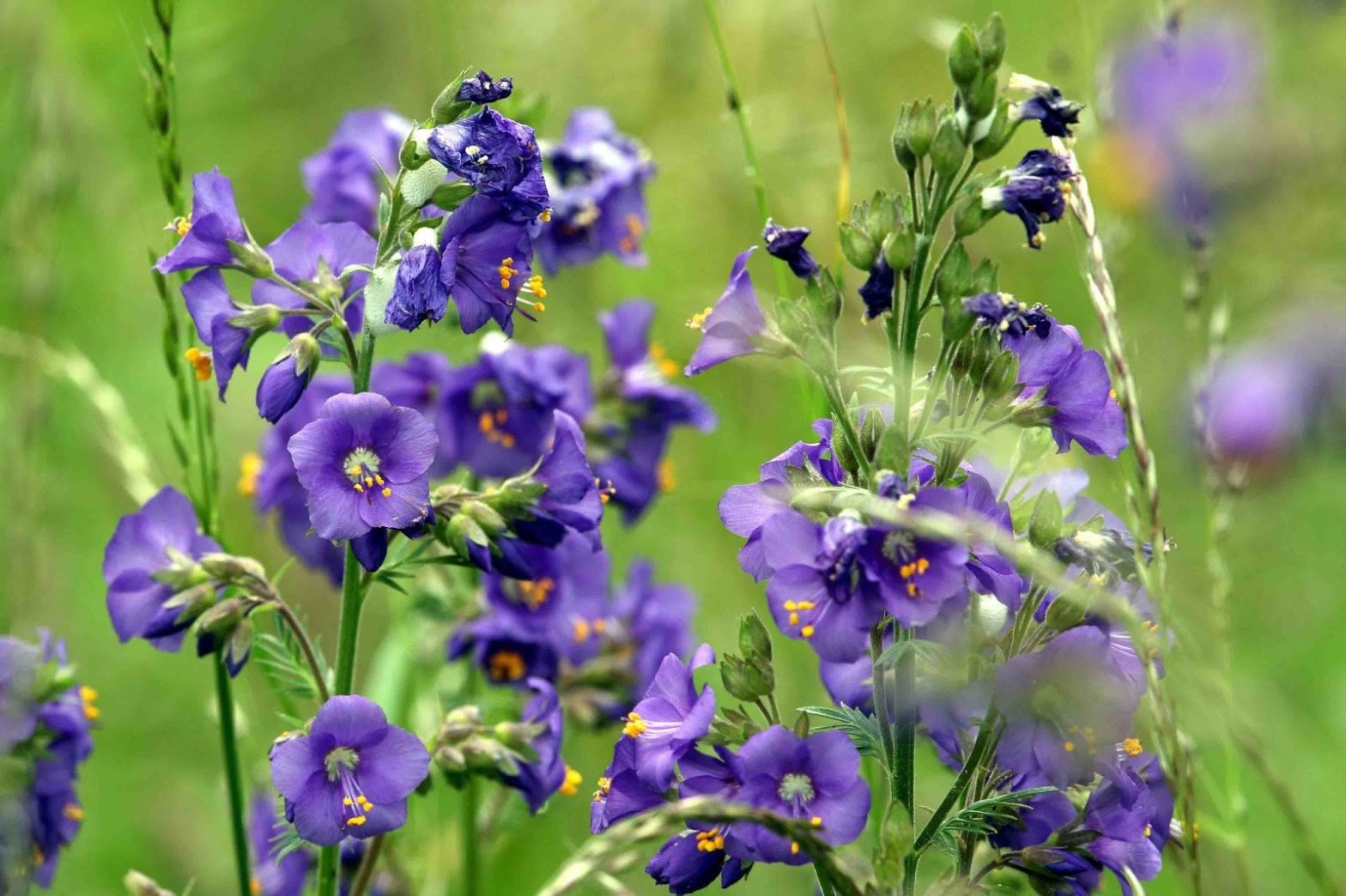
The Jacob’s ladder

Trapped in the earth,
wouldn’t you too want to go
to heaven? I live
in a lady’s garden. Forgive me, lady;
longing has taken my grace. I am
not what you wanted. But
as men and women seem
to desire each other, I too desire
knowledge of paradise — and now
your grief, a naked stem
reaching the porch window.
And at the end, what? A small blue flower
like a star. Never
to leave the world! Is this
not what your tears mean?

Louise Glück – Capim-das-bruxas

Algo
indesejado chega ao mundo
clamando desordem, desordem —

Se você me odeia tanto
não se dê ao trabalho de me dar
um nome: você precisa
de mais um insulto
em sua língua, outra
maneira de culpar
uma tribo por tudo —

pois ambos sabemos,
se você cultua
um deus, só precisa
de um inimigo —

Eu não sou o inimigo.
Apenas um pretexto para ignorar
o que você vê acontecendo
aqui, neste jardim,
um pequeno paradigma
do fracasso. Uma de suas preciosas flores
morre aqui quase todos os dias
e você não pode descansar até
incriminar a causa, ou seja,
tudo o que resta, o que acontece
de ser mais resistente
do que sua paixão pessoal —

Não estava destinado
a durar para sempre no mundo real.
Mas por que admitir isso, quando você pode continuar
fazendo o que sempre faz,
lamentando e culpando,
sempre as duas coisas juntas?

Não preciso de seu elogio
para sobreviver. Eu cheguei aqui primeiro,
antes de você, antes
de você cultivar um jardim.
E estarei aqui quando restarem apenas o sol
e a lua, e o mar, e o vasto campo.

Eu constituirei o campo.

Trad.: Nelson Santander

Witchgrass

Something
comes into the world unwelcome
calling disorder, disorder —

If you hate me so much
don’t bother to give me
a name: do you need
one more slur
in your language, another
way to blame
one tribe for everything —

as we both know,
if you worship
one god, you only need
one enemy —

I’m not the enemy.
Only a ruse to ignore
what you see happening
right here in this bed,
a little paradigm
of failure. One of your precious flowers
dies here almost every day
and you can’t rest until
you attack the cause, meaning
whatever is left, whatever
happens to be sturdier
than your personal passion —

It was not meant
to last forever in the real world.
But why admit that, when you can go on
doing what you always do,
mourning and laying blame,
always the two together.

I don’t need your praise
to survive. I was here first,
before you were here, before
you ever planted a garden.
And I’ll be here when only the sun and moon
are left, and the sea, and the wide field.

I will constitute the field.

Louise Glück – Violetas

Porque em nosso mundo
sempre há algo oculto,
pequeno e branco,
pequeno e o que você chama de
puro, nós não lamentamos
como você, caro
mestre sofredor; você
não está mais perdido
do que nós, sob
o espinheiro, o espinheiro segurando
bandejas equilibradas de pérolas: o que
o trouxe até nós
para que possamos ensina-lo, se
você se ajoelhar e chorar,
apertando suas grandes mãos,
em toda sua grandeza, sem nada
entender sobre a natureza da alma
que nunca morre: pobre deus triste,
ou você nunca tem uma
ou nunca a perde.

Trad.: Nelson Santander

Violets

Because in our world
something is always hidden,
small and white,
small and what you call
pure, we do not grieve
as you grieve, dear
suffering master; you
are no more lost
than we are, under
the hawthorn tree, the hawthorn holding
balanced trays of pearls: what
has brought you among us
who would teach you, though
you kneel and weep,
clasping your great hands,
in all your greatness knowing
nothing of the soul’s nature,
which is never to die: poor sad god,
either you never have one
or you never lose one.

Louise Glück – Abril

O desespero de mais ninguém é como o meu desespero —

Vocês não têm lugar neste jardim
pensando em tais coisas, emitindo
cansativos sinais exteriores; o homem
desmatando intencionalmente uma floresta inteira,
a mulher mancando e se recusando a trocar de roupas
ou lavar os cabelos.

Acham que eu me importo
se vocês conversarem um com o outro?
Mas quero que saibam
que eu esperava mais de duas criaturas
a quem foram dadas mentes: se
não para cuidarem realmente um do outro
pelo menos para entenderem
que a dor será compartilhada
entre vocês, e com toda a sua espécie, para
que eu os conheça, assim como o azul profundo
marca a scilla selvagem, e o branco
a violeta do bosque.

Trad.: Nelson Santander

April

No one’s despair is like my despair —

You have no place in this garden
thinking such things, producing
the tiresome outward signs; the man
pointedly weeding an entire forest,
the woman limping, refusing to change clothes
or wash her hair.

Do you suppose I care
if you speak to one another?
But I mean you to know
I expected better of two creatures
who were given minds: if not
that you would actually care for each other
at least that you would understand
grief is distributed
between you, among all your kind, for me
to know you, as deep blue
marks the wild scilla, white
the wood violet.

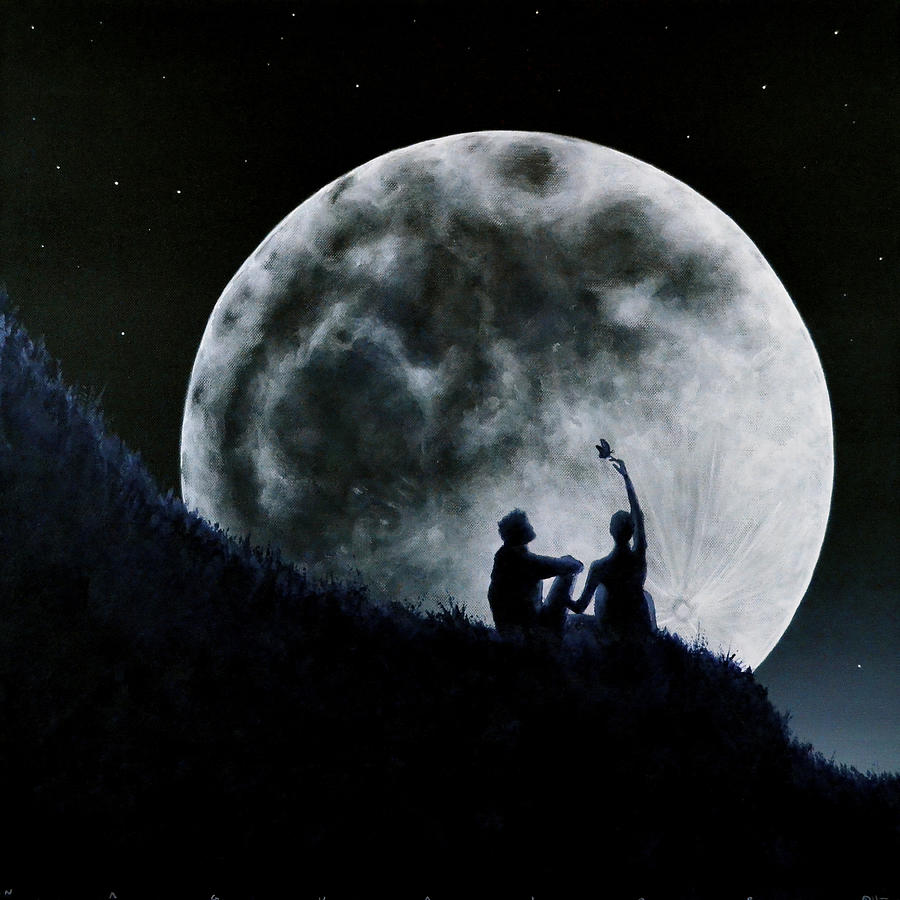
Louise Glück – Amor ao luar

Às vezes, um homem ou uma mulher impõe seu desespero
a outra pessoa, o que é chamado de
abrir o coração, ou alternativamente, desnudar a alma —
o que significa que, neste momento, eles adquiriram almas —
lá fora, em uma noite de verão, um mundo inteiro
derramado sobre a lua: grupos de formas prateadas
que podem ser edifícios ou árvores, o estreito jardim
onde o gato se esconde, rolando de costas na poeira,
as rosas, as coreópsis, e, na escuridão, o domo
   dourado do Capitólio
convertido em uma liga de luz da lua, forma
sem detalhes, mito, arquétipo, alma
plena de flama que é de fato luz da lua, subtraída
de outra fonte, e brevemente
brilhando como a lua brilha: pedra ou não,
a lua ainda é uma coisa viva.

Trad.: Nelson Santander

Love in moonlight

Sometimes a man or woman forces his despair
on another person, which is called
baring the heart, alternatively, baring the soul —
meaning for this moment they acquired souls —
outside, a summer evening, a whole world
thrown away on the moon: groups of silver forms
which might be buildings or trees, the narrow garden
where the cat hides, rolling on its back in the dust,
the rose, the coreopsis, and, in the dark, the gold
   dome of the capitol
converted to an alloy of moonlight, shape
without detail, the myth, the archetype, the soul
filled with fire that is moonlight really, taken
from another source, and briefly
shining as the moon shines: stone or not,
the moon is still that much of a living thing.