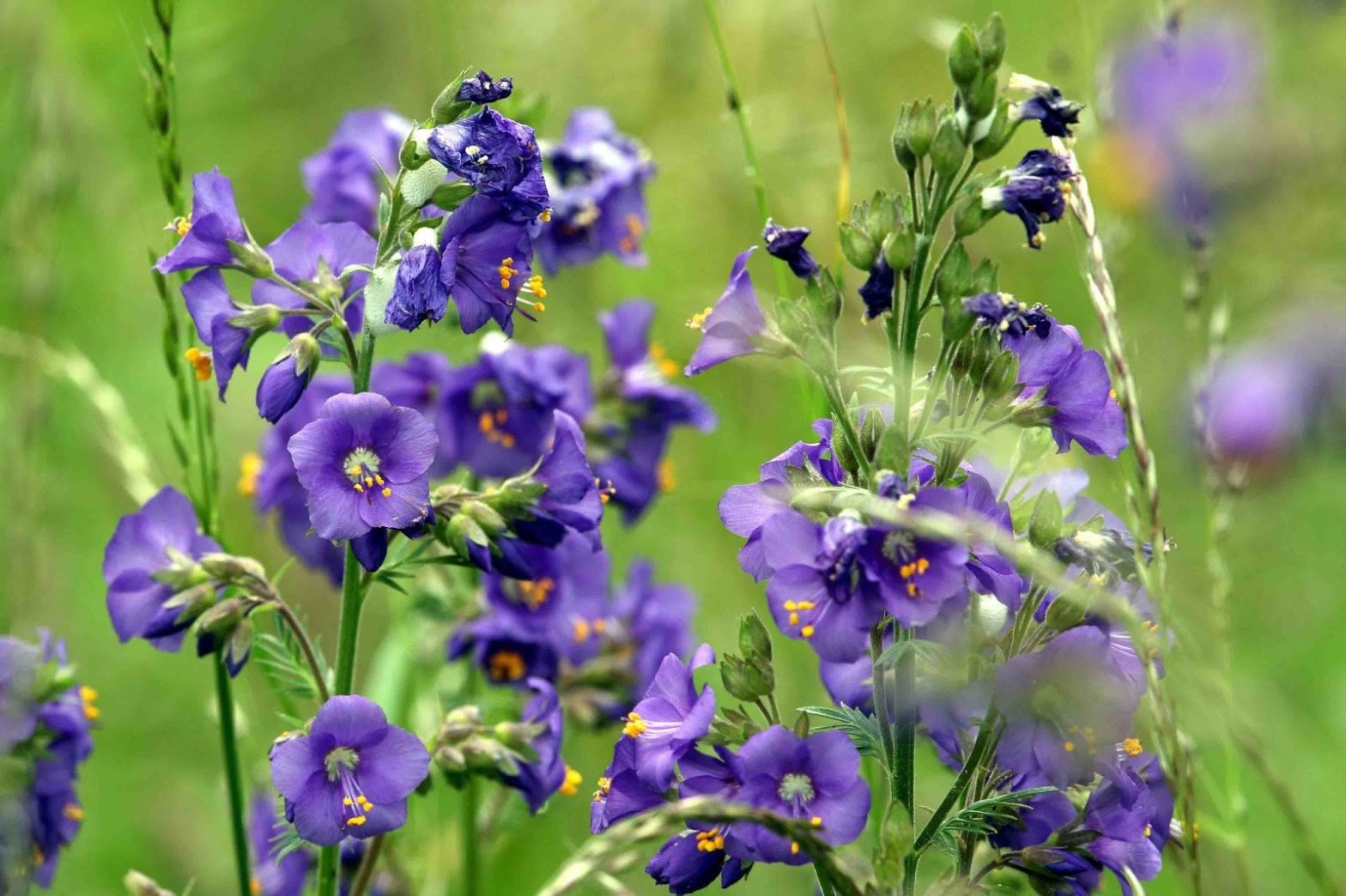
Louise Glück – A Escada de Jacó

Preso à terra,
você também não gostaria de
alcançar o céu? Eu habito
o jardim de uma senhora. Perdoe-me senhora;
o anseio roubou minha graça. Não sou
o que você esperava. Mas
como homens e mulheres parecem
desejar uns aos outros, também desejo
conhecer o paraíso — e agora
sua dor, uma haste nua
alcançando a vidraça da varanda.
E no final, o quê? Uma pequena flor azul
como uma estrela. Jamais
abandonar o mundo! Não é isso
que suas lágrimas significam?

Trad.: Nelson Santander

The Jacob’s ladder

Trapped in the earth,
wouldn’t you too want to go
to heaven? I live
in a lady’s garden. Forgive me, lady;
longing has taken my grace. I am
not what you wanted. But
as men and women seem
to desire each other, I too desire
knowledge of paradise — and now
your grief, a naked stem
reaching the porch window.
And at the end, what? A small blue flower
like a star. Never
to leave the world! Is this
not what your tears mean?

Louise Glück – Capim-das-bruxas

Algo
indesejado chega ao mundo
clamando desordem, desordem —

Se você me odeia tanto
não se dê ao trabalho de me dar
um nome: você precisa
de mais um insulto
em sua língua, outra
maneira de culpar
uma tribo por tudo —

pois ambos sabemos,
se você cultua
um deus, só precisa
de um inimigo —

Eu não sou o inimigo.
Apenas um pretexto para ignorar
o que você vê acontecendo
aqui, neste jardim,
um pequeno paradigma
do fracasso. Uma de suas preciosas flores
morre aqui quase todos os dias
e você não pode descansar até
incriminar a causa, ou seja,
tudo o que resta, o que acontece
de ser mais resistente
do que sua paixão pessoal —

Não estava destinado
a durar para sempre no mundo real.
Mas por que admitir isso, quando você pode continuar
fazendo o que sempre faz,
lamentando e culpando,
sempre as duas coisas juntas?

Não preciso de seu elogio
para sobreviver. Eu cheguei aqui primeiro,
antes de você, antes
de você cultivar um jardim.
E estarei aqui quando restarem apenas o sol
e a lua, e o mar, e o vasto campo.

Eu constituirei o campo.

Trad.: Nelson Santander

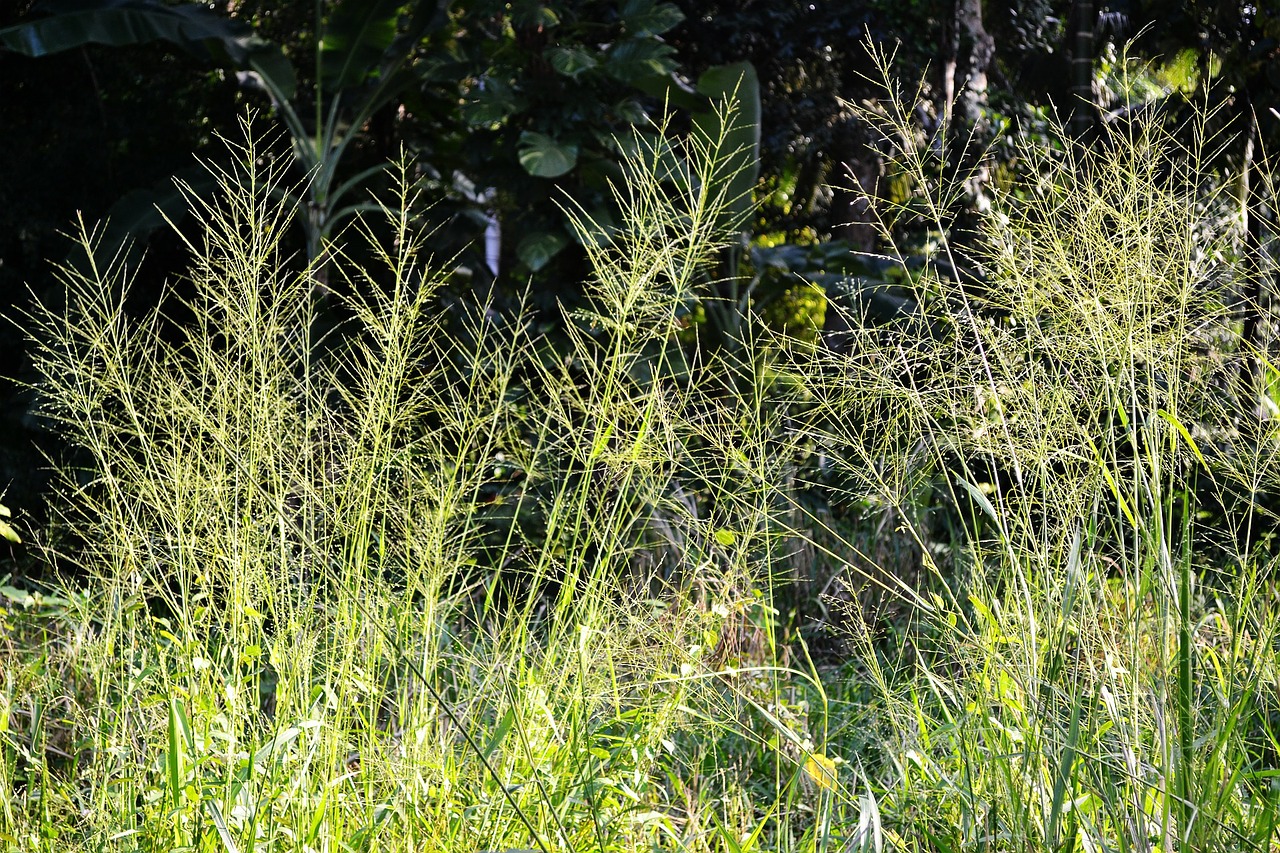
Witchgrass

Something
comes into the world unwelcome
calling disorder, disorder —

If you hate me so much
don’t bother to give me
a name: do you need
one more slur
in your language, another
way to blame
one tribe for everything —

as we both know,
if you worship
one god, you only need
one enemy —

I’m not the enemy.
Only a ruse to ignore
what you see happening
right here in this bed,
a little paradigm
of failure. One of your precious flowers
dies here almost every day
and you can’t rest until
you attack the cause, meaning
whatever is left, whatever
happens to be sturdier
than your personal passion —

It was not meant
to last forever in the real world.
But why admit that, when you can go on
doing what you always do,
mourning and laying blame,
always the two together.

I don’t need your praise
to survive. I was here first,
before you were here, before
you ever planted a garden.
And I’ll be here when only the sun and moon
are left, and the sea, and the wide field.

I will constitute the field.
Louise Glück – Violetas

Porque em nosso mundo
sempre há algo oculto,
pequeno e branco,
pequeno e o que você chama de
puro, nós não lamentamos
como você, caro
mestre sofredor; você
não está mais perdido
do que nós, sob
o espinheiro, o espinheiro segurando
bandejas equilibradas de pérolas: o que
o trouxe até nós
para que possamos ensina-lo, se
você se ajoelhar e chorar,
apertando suas grandes mãos,
em toda sua grandeza, sem nada
entender sobre a natureza da alma
que nunca morre: pobre deus triste,
ou você nunca tem uma
ou nunca a perde.

Trad.: Nelson Santander

Violets

Because in our world
something is always hidden,
small and white,
small and what you call
pure, we do not grieve
as you grieve, dear
suffering master; you
are no more lost
than we are, under
the hawthorn tree, the hawthorn holding
balanced trays of pearls: what
has brought you among us
who would teach you, though
you kneel and weep,
clasping your great hands,
in all your greatness knowing
nothing of the soul’s nature,
which is never to die: poor sad god,
either you never have one
or you never lose one.

Louise Glück – Abril

O desespero de mais ninguém é como o meu desespero —

Vocês não têm lugar neste jardim
pensando em tais coisas, emitindo
cansativos sinais exteriores; o homem
desmatando intencionalmente uma floresta inteira,
a mulher mancando e se recusando a trocar de roupas
ou lavar os cabelos.

Acham que eu me importo
se vocês conversarem um com o outro?
Mas quero que saibam
que eu esperava mais de duas criaturas
a quem foram dadas mentes: se
não para cuidarem realmente um do outro
pelo menos para entenderem
que a dor será compartilhada
entre vocês, e com toda a sua espécie, para
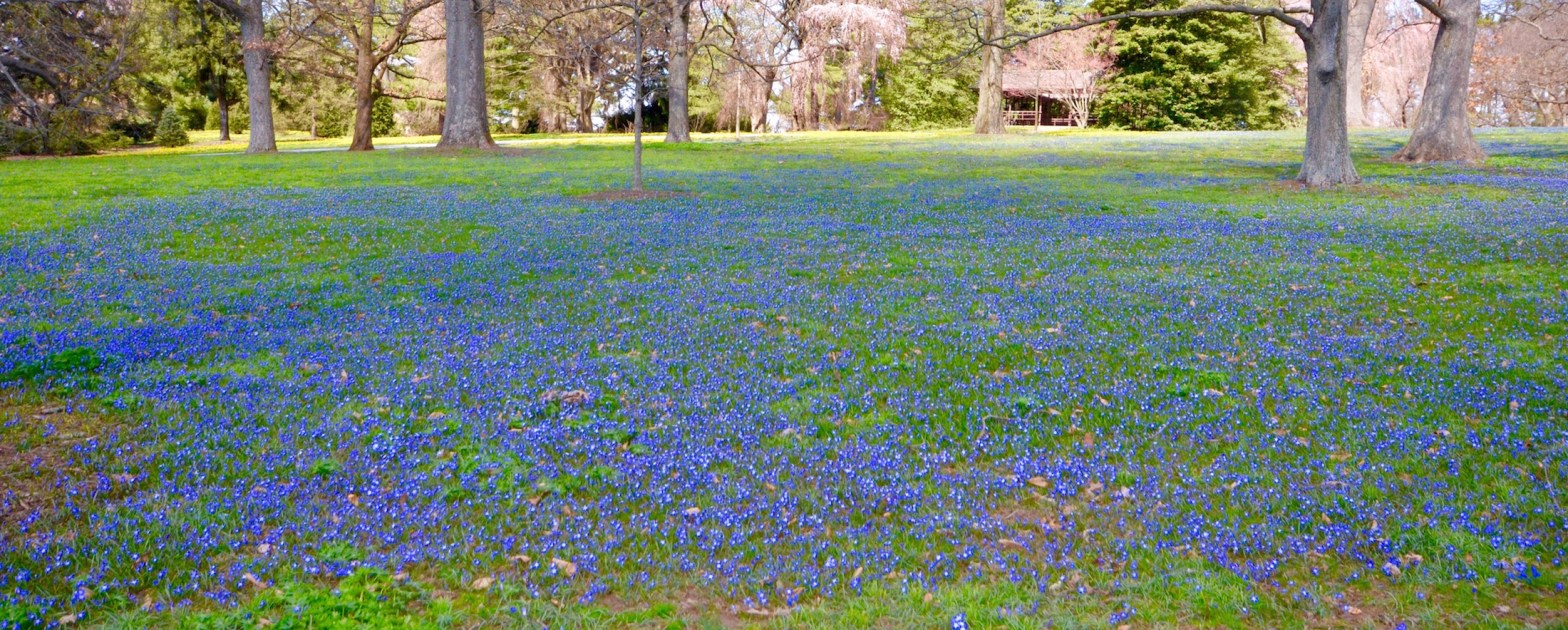
que eu os conheça, assim como o azul profundo
marca a scilla selvagem, e o branco
a violeta do bosque.

Trad.: Nelson Santander

April

No one’s despair is like my despair —

You have no place in this garden
thinking such things, producing
the tiresome outward signs; the man
pointedly weeding an entire forest,
the woman limping, refusing to change clothes
or wash her hair.

Do you suppose I care
if you speak to one another?
But I mean you to know
I expected better of two creatures
who were given minds: if not
that you would actually care for each other
at least that you would understand
grief is distributed
between you, among all your kind, for me
to know you, as deep blue
marks the wild scilla, white
the wood violet.

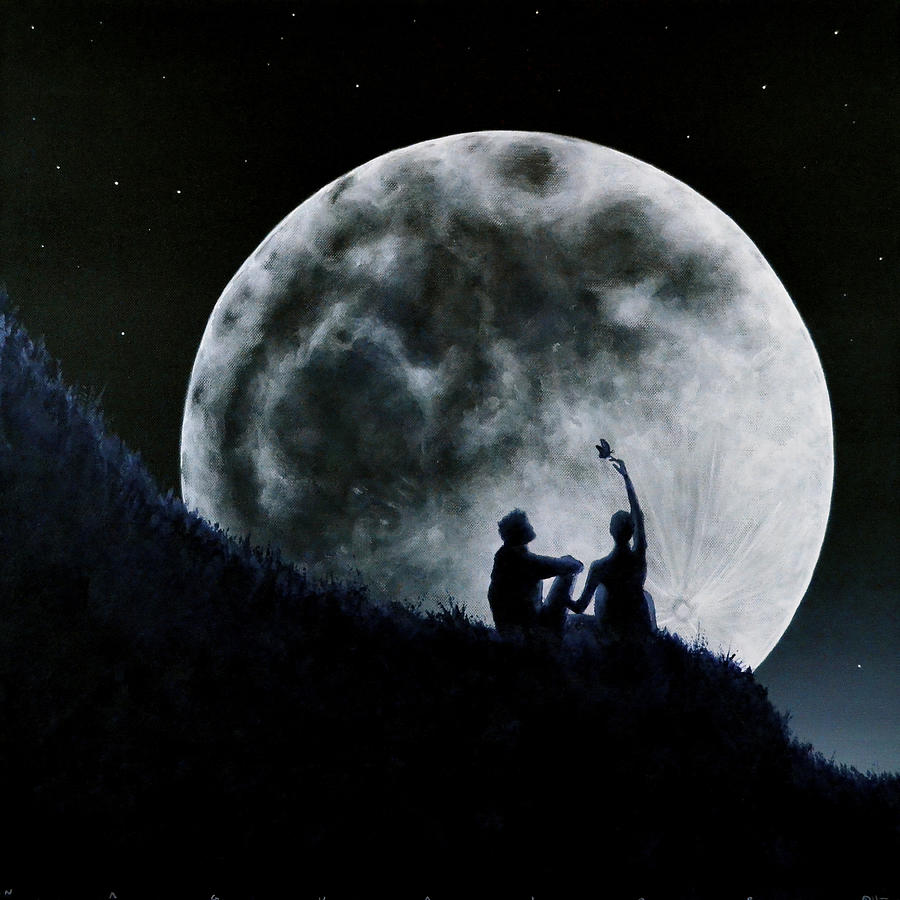
Louise Glück – Amor ao luar

Às vezes, um homem ou uma mulher impõe seu desespero
a outra pessoa, o que é chamado de
abrir o coração, ou alternativamente, desnudar a alma —
o que significa que, neste momento, eles adquiriram almas —
lá fora, em uma noite de verão, um mundo inteiro
derramado sobre a lua: grupos de formas prateadas
que podem ser edifícios ou árvores, o estreito jardim
onde o gato se esconde, rolando de costas na poeira,
as rosas, as coreópsis, e, na escuridão, o domo
   dourado do Capitólio
convertido em uma liga de luz da lua, forma
sem detalhes, mito, arquétipo, alma
plena de flama que é de fato luz da lua, subtraída
de outra fonte, e brevemente
brilhando como a lua brilha: pedra ou não,
a lua ainda é uma coisa viva.

Trad.: Nelson Santander

Love in moonlight

Sometimes a man or woman forces his despair
on another person, which is called
baring the heart, alternatively, baring the soul —
meaning for this moment they acquired souls —
outside, a summer evening, a whole world
thrown away on the moon: groups of silver forms
which might be buildings or trees, the narrow garden
where the cat hides, rolling on its back in the dust,
the rose, the coreopsis, and, in the dark, the gold
   dome of the capitol
converted to an alloy of moonlight, shape
without detail, the myth, the archetype, the soul
filled with fire that is moonlight really, taken
from another source, and briefly
shining as the moon shines: stone or not,
the moon is still that much of a living thing.

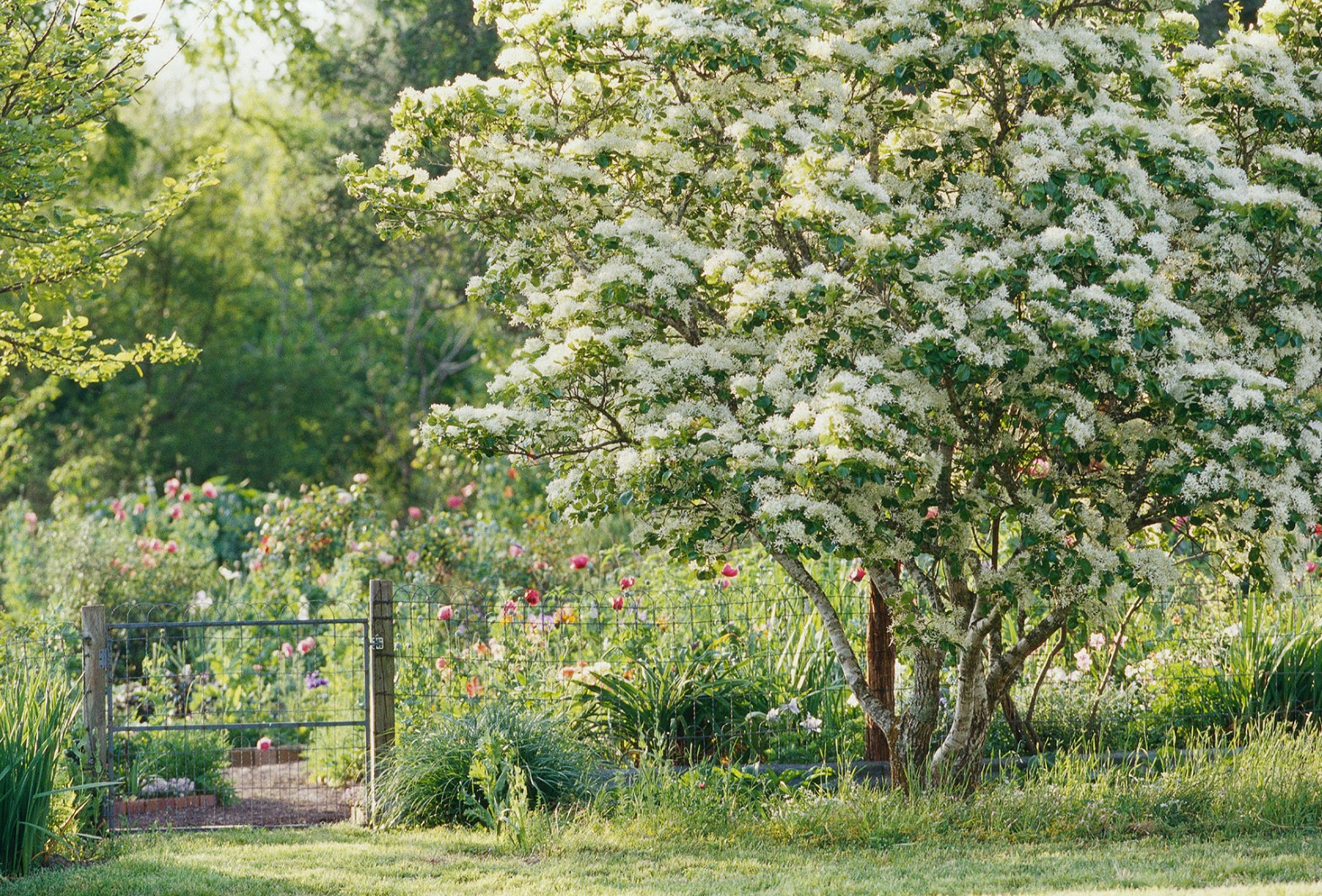
Louise Glück – O espinheiro

Lado a lado, não de
mãos dadas: eu os observo
caminhando no jardim de verão — coisas
que não podem se mover
aprendem a ver; não é necessário
persegui-los pelo
jardim; seres humanos deixam
sinais de sentimentos
por toda parte, flores
espalhadas no caminho de terra, todas
brancas e douradas, algumas
levemente erguidas pelos
ventos da tarde; não é necessário
segui-los até onde vocês estão agora,
nas profundezas do vale envenenado, para compreender
as causas de sua deserção, paixão
humana ou raiva: pelo que mais
vocês abandonariam
tudo o que conquistaram?

Trad.: Nelson Santander

The hawthorn tree

Side by side, not
hand in hand: I watch you
walking in the summer garden — things
that can’t move
learn to see; I do not need
to chase you through
the garden; human beings leave
signs of feeling
everywhere, flowers
scattered on the dirt path, all
white and gold, some
lifted a little by
the evening wind; I do not need
to follow where you are now,
deep in the poisonous field, to know
the cause of your flight, human
passion or rage: for what else
would you let drop
all you have gathered?

Louise Glück – O jardim

Eu não poderia fazê-lo de novo,
Mal posso olhar para isso —

no jardim, sob a chuva leve,
o jovem casal planta
uma fieira de ervilhas,
como se ninguém jamais o tivesse feito antes,
as grandes dificuldades ainda não
foram enfrentadas e resolvidas —

Eles não conseguem se ver,
na terra fresca, começando
sem perspectiva,
as colinas verde-claras atrás deles, encobertas pelas flores —

Ela quer parar;
ele quer ir até o fim,
permanecer na tarefa —

Olhe para ela, tocando o rosto dele
para fazer as pazes, seus dedos
frios pela chuva de primavera;
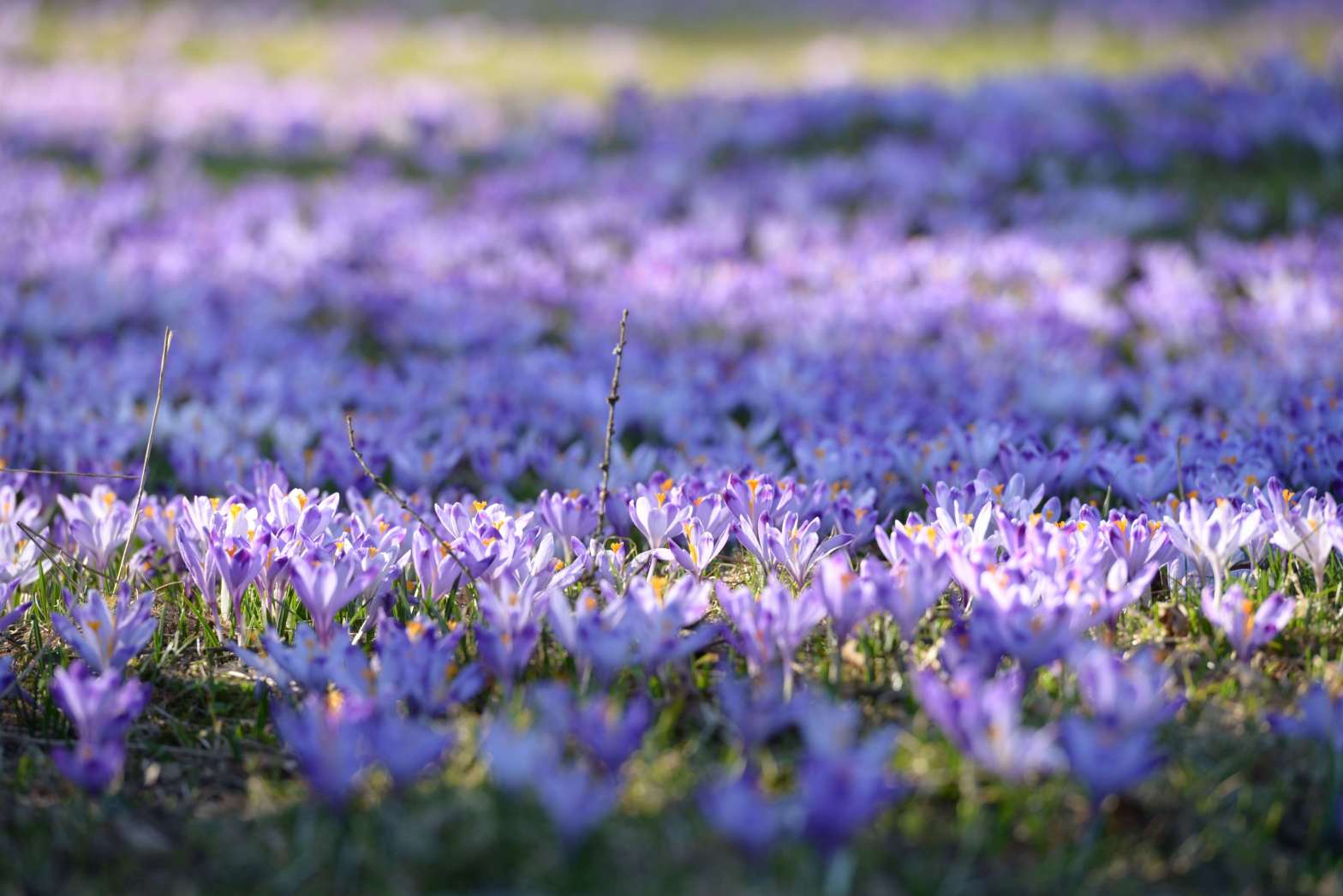
na relva rala, explosões de crocus roxos —

mesmo aqui, mesmo no início do amor,
a mão dela ao abandonar seu rosto cria
uma imagem da despedida

e eles acreditam
que estão livres para negligenciar
essa tristeza.

Trad.: Nelson Santander

The garden

I couldn’t do it again,
I can hardly bear to look at it —

in the garden, in light rain
the young couple planting
a row of peas, as though
no one has ever done this before,
the great difficulties have never as yet
been faced and solved —

They cannot see themselves,
in fresh dirt, starting up
without perspective,
the hills behind them pale green, clouded with flowers —

She wants to stop;
he wants to get to the end,
to stay with the thing —

Look at her, touching his cheek
to make a truce, her fingers
cool with spring rain;
in thin grass, bursts of purple crocus —

even here, even at the beginning of love,
her hand leaving his face makes
an image of departure

and they think
they are free to overlook
this sadness.

Louise Glück – Vento em retirada

Quando os criei, eu os amava.
Agora sinto pena de vocês.

Dei-lhes tudo o que precisavam:
leito de terra, manto de ar azul —

À medida que me afasto de vocês,
vejo-os com mais clareza.
Suas almas deveriam ser vastas agora,
não o que são,
pequenas criaturas tagarelas —

Dei a vocês todas as dádivas,
o azul das manhãs de primavera,
o tempo que não souberam usar —
vocês queriam mais, o único dom
reservado para outra criação.

O que quer que tenham desejado,
não encontrarão no jardim,
entre as plantas em crescimento.
Suas vidas não são circulares como as delas:

suas vidas são como o voo dos pássaros
que começa e termina em silêncio —
que começa e termina, ecoando
este arco da bétula branca
até a macieira.

Trad.: Nelson Santander

Retreating wind

When I made you, I loved you.
Now I pity you.

I gave you all you needed:
bed of earth, blanket of blue air —

As I get further away from you
I see you more clearly.
Your souls should have been immense by now,
not what they are,
small talking things —

I gave you every gift,
blue of the spring morning,
time you didn’t know how to use—
you wanted more, the one gift
reserved for another creation.

Whatever you hoped,
you will not find yourselves in the garden,
among the growing plants.
Your lives are not circular like theirs:

your lives are the bird’s flight
which begins and ends in stillness—
which begins and ends, in form echoing
this arc from the white birch
to the apple tree.

Louise Glück – Scilla

Não eu, seu tolo, não eu-mesma, mas nós, nós – ondas
de céu azul como
uma crítica do firmamento: por que
vocês valorizam tanto suas vozes
quando ser algo
é ser quase nada?
Por que olham para cima? Para ouvir
um eco como a voz
de deus? Vocês são todos iguais para nós,
solitários, pairando acima de nós, planejando
suas vidas tolas: vocês vão
onde são levados, como todas as coisas,
onde os ventos os semeiam,
um ou outro sempre
olhando para baixo e vendo alguma imagem
da água, e ouvindo o quê? Ondas,
e sobre as ondas, pássaros cantando.

Trad.: Nelson Santander

Scilla

Not I, you idiot, not self, but we, we – waves
of sky blue like
a critique of heaven: why
do you treasure your voice
when to be one thing
is to be the next to nothing?
Why do you look up? To hear
an echo like the voice
of god? You are all the same to us,
solitary, standing above us, planning
your silly lives: you go
where you are sent, like all things,
where the wind plants you,
one or another of you forever
looking down and seeing some image
of water, and hearing what? Waves,
and over waves, birds singing.

Louise Glück – Matinas (4)

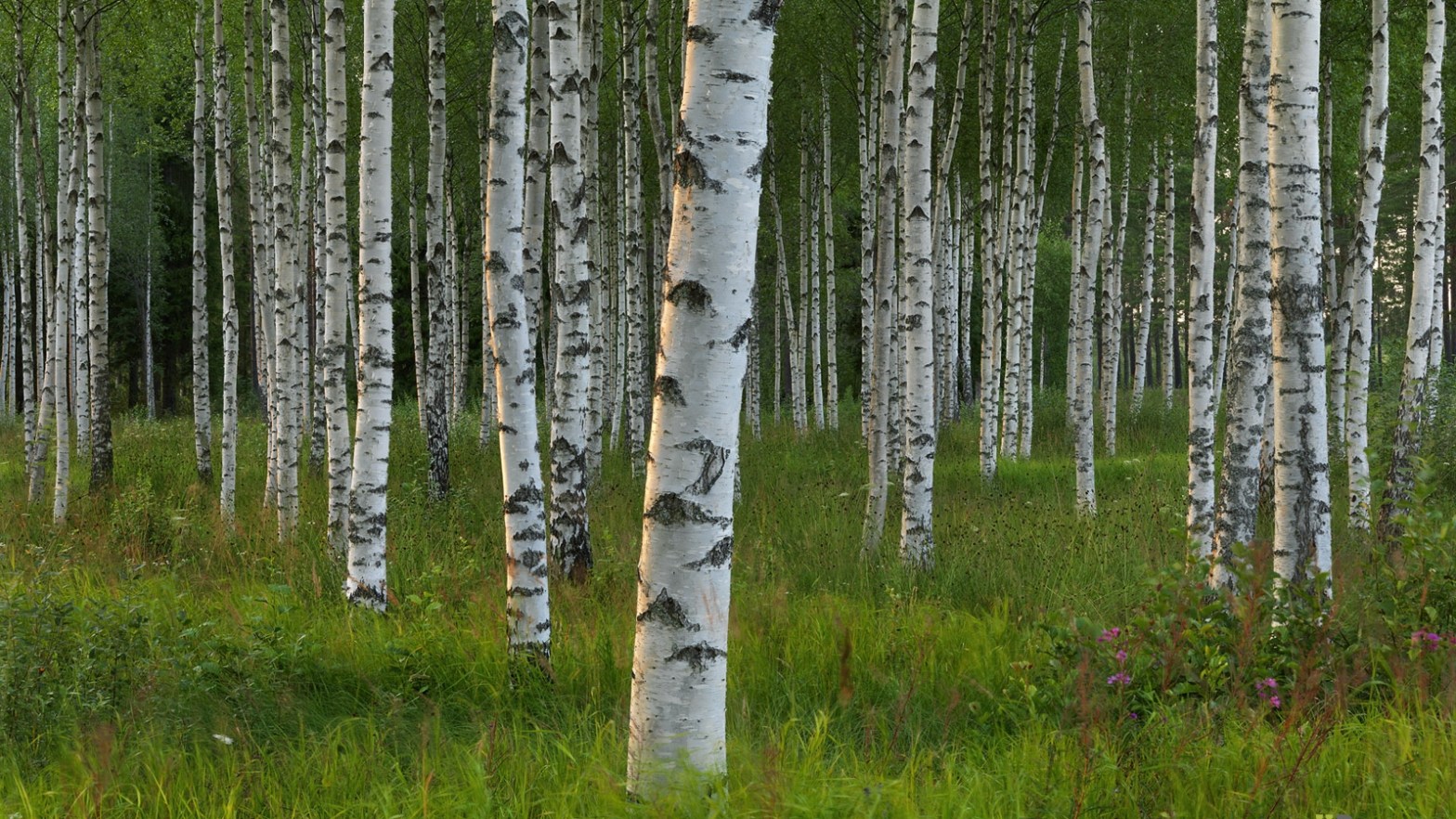
Percebo que com você é como com as bétulas:
não posso lhe falar
de maneira pessoal. Muito
se passou entre nós. Ou
sempre foi apenas de um lado? Eu
errei, eu errei, eu lhe pedi
para ser humano – não sou mais carente
do que as outras pessoas. Mas a ausência
de todo sentimento, da menor
preocupação por mim – poderia muito bem continuar
dirigindo-me às bétulas,
como em minha antiga vida: deixa-las
fazer o seu pior, deixa-las
enterrar-me com os Românticos,
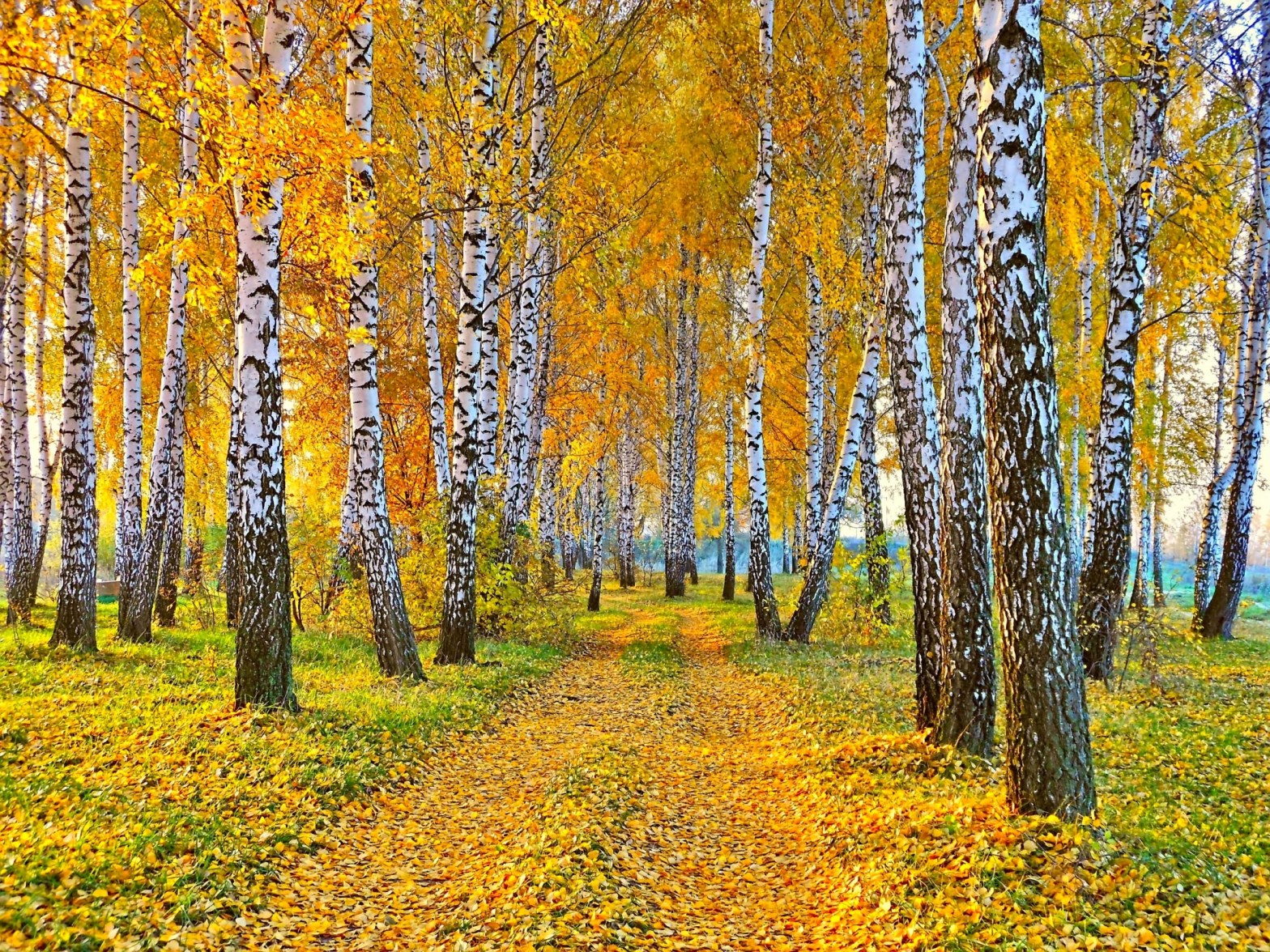
suas folhas amarelas pontiagudas
caindo e me cobrindo.

Trad.: Nelson Santander

Matins

I see it is with you as with the birches:
I am not to speak to you
in the personal way. Much
has passed between us. Or
was it always only
on the one side? I am
at fault, at fault, I asked you
to be human — I am no needier
than other people. But the absence
of all feeling, of the least
concern for me – I might as well go on
addressing the birches,
as in my former life: let them
do their worst, let them
bury me with the Romantics,
their pointed yellow leaves
falling and covering me.