Ellen Bass – O começo do fim

Quando era jovem e casada, eu beijei
outro homem. À tarde, eu segurava o telefone
grande e antiquado, sua voz penetrando meu corpo,
escorrendo pelos escuros corredores do desejo.
E enquanto minha bebê engatinhava aos meus pés,
mordendo um rolo de fita adesiva, eu tilintava minhas chaves,
ou o que eu pudesse alcançar para mante-la quieta.
Eu lhe dizia que iria a qualquer lugar com ele:
uma praia no Taiti, uma cabine telefônica em Detroit.
Pensei ser a babá que entrara pela
porta da frente. Ouvi a geladeira abrir-se,
o som de sucção do lacre sendo puxado.
Ela estava procurando a Coca-Cola que eu lhe comprava
toda semana, entre o arsenal de vitaminas do meu
marido, os brotos de alfafa, o alho picado
e o azeite que ele misturava ao suco de laranja
para limpar o fígado, afastando as pilhas
de rissoles de lentilhas moídas e os molhos para salada
que ele perfilava como os sete pilares da fé.
Quando ouvi os passos no corredor, eu me virei —
e lá estava ele, parado na porta,
perplexo, como um animal resgatado
da extinção. Papai, disse minha bebê,
mordiscando a lombada de um novo livro de poemas.

Trad.: Nelson Santander

BASS, Ellen. “The Beginning of the End”. In:_____Like a Beggar. EUA: Copper Canyon Press, March 25, 2014.

Miniantologia Poética – 20

The Beginning of the End

When I was young and married, I kissed
another man. Afternoons, I’d hold the big
old-fashioned phone, his voice entering my body,
slipping through the dark passages of desire.
And while my baby crawled at my feet,
teething on a roll of Scotch tape, I’d jingle my keys,
whatever I could reach to keep her quiet.
I told him I’d go anywhere with him:
a beach on Tahiti, a phone booth in Detroit.
I thought it was the babysitter who walked in
the front door. I heard the refrigerator open,
the sucking sound of the seal pulled apart.
She was looking for the one Coke I bought her
each week among the armada of my husband’s
vitamins, his alfalfa sprouts, the chopped garlic
and olive oil he mixed in his orange juice
to cleanse his liver, shuffling aside the stacks
of crushed-lentil patties and the salad dressings
he lined up like the seven pillars of faith.
When I heard footsteps in the hall, I turned—
and there he was, standing in the doorway,
bewildered, like an animal brought back
from extinction. Papa, my baby said,
chewing on the spine of a new book of poems.

Ellen Bass – Mais

Minha sogra não consegue mais cortar as unhas dos pés
nem enxergar para arrancar os pelos do queixo.
Ainda lhe resta o suficiente de sua mente para estar ciente
do quanto ela está esmaecendo a cada dia.
Pra quê? ela diz e rediz.
Mas quando lhe pergunto se já está farta de tudo,
ela responde que não, que quer outros dias.
Ela quer um novo suéter preto — e brincos.
Dei-lhe todos os meus melhores brincos, ela diz,
olhando-me como se eu fosse roubar
o ouro de seus dentes.

Trad.: Nelson Santander

BASS, Ellen. “More”. In:_____Like a Beggar. EUA: Copper Canyon Press, March 25, 2014.

Miniantologia Poética – 19

More

My mother-in-law can’t cut her toenails anymore,
can’t see to tweeze the hairs on her chin.
She’s got enough of her mind to be aware
how much she’s dimming every day.
What for? she says over and over.
But when I ask if she’s really had it,
she says no, she wants another day.
She wants a new black sweater—and earrings.
I gave you all my good earrings, she says,
looking at me as though I’m going to steal
the gold out of her teeth.

Ellen Bass – A manhã seguinte

Você está na pia da cozinha, derramando água fervente
sobre o assado francês, um aroma oleoso subindo com a fumaça.
E quando eu entro, você sequer levanta os olhos.
Você está correndo para embalar seu almoço, encaixando
as tampas nos pequenos recipientes plásticos, enquanto liga para sua mãe
para dizer-lhe que vai leva-la ao médico.
Não vejo um traço do pequeno pedaço de céu
que adentramos ontem à noite — um quimono de seda
flutuando em charcos de cetim e carpas de cobre, estrelas caindo
na água. Por acaso não abrimos
caminho por entre as fissuras na rocha do cotidiano
e não sulcamos a grama do pasto do prazer?
Se a alma não é um recipiente separado
que carregamos de uma forma para outra forma,
mas mais como o sopro de vida de Aristóteles —
é o trabalho do corpo que a mantém inteira —
então ontem à noite, querida, nossas almas estiveram ocupadas.
Mas esta manhã é como se você estivesse usando uma peruca,
disfarçada para que eu não a reconheça
ou talvez para que você não se reconheça
naquele animal que ardeu
em puro desejo. Não sei
como você faz isso. Eu quero me jogar
nos azulejos da cozinha e abrir minha garganta.
Quero jogar meu cabelo para trás
e sapatear nas paredes. Quero fazer tudo
de novo — mergulhar de volta naquela escaramuça,
naquela crua e radiante bagunça.
Mas você está rabiscando uma lista de compras
porque as crianças virão para o final de semana
e você vai fazer os seus bolinhos especiais de siri
que me arruinaram para todos os outros bolinhos de siri,
para sempre.

Trad.: Nelson Santander

BASS, Ellen. “The Morning After”. In:_____Like a Beggar. EUA: Copper Canyon Press, March 25, 2014.

Miniantologia Poética – 18

The morning after

You stand at the counter, pouring boiling water
over the French roast, oily perfume rising in smoke.
And when I enter, you don’t look up.
You’re hurrying to pack your lunch, snapping
the lids on little plastic boxes while you call your mother
to tell her you’ll take her to the doctor.
I can’t see a trace of the little slice of heaven
we slipped into last night—a silk kimono
floating satin ponds and copper koi, stars falling
to the water. Didn’t we shoulder
our way through the cleft in the rock of the everyday
and tear up the grass in the pasture of pleasure?
If the soul isn’t a separate vessel
we carry from form to form,
but more like Aristotle’s breath of life—
the work of the body that keeps it whole—
then last night, darling, our souls were busy.
But this morning it’s like you’re wearing a bad wig,
disguised so I won’t recognize you
or maybe so you won’t know yourself
as that animal burned down
to pure desire. I don’t know
how you do it. I want to throw myself
onto the kitchen tile and bare my throat.
I want to slick back my hair
and tap-dance up the wall. I want to do it all
all over again—dive back into that brawl,
that raw and radiant free-for-all.
But you are scribbling a shopping list
because the kids are coming for the weekend
and you’re going to make your special crab cakes
that have ruined me for all other crab cakes
forever.

Ellen Bass – Ode à repetição

Gosto de fazer a mesma caminhada
pela vasta extensão da Woodrow* até o oceano
e na maioria das vezes viro à esquerda em direção ao farol.
O mar é sempre diferente. Em alguns dias oníricos,
ondas que mal ondulam, apenas uma extensa ondulação
sem nenhuma pressa de chegar. Em outros, a rebentação está bêbada,
colidindo contra os rochedos como um acidente de carro.
E quando chego em casa, gosto
dos mesmos pratos empilhados na mesma despensa
e depois desempilhados e empilhados novamente.
E do rododendro, primavera após primavera,
florescendo em seu róseo ritual.
Eu poderia habitar o reino de Coltrane,
a fricção do ar através de sua palheta
enquanto ele dá forma a cada fraseado de Lush Life,
vezes sem conta até eu morrer. Uma vez tive medo
disso, de abrir as cortinas todas as manhãs
apenas para fecha-las novamente a cada noite.
Você pode se desesperar na imutável vila de sua própria vida.
Mas quando acordo para urinar fico grata
pelo banheiro estar em seu lugar de costume, a pia com sua dádiva de água.
Eu olho para a rua, para os halos dos postes de luz
no nevoeiro ou para a lua banhando os carros estacionados.
Quando volto para cama, encontro
a mulher que dorme lá
todas as noites há trinta anos, só que ela não é
a mesma, seu corpo mais nu
em seu envelhecimento, em sua desordem. Embora eu ainda
vá até ela como um pedinte. Uma manhã,
uma de nós se levantará aturdida
sem a outra e abrirá as cortinas.
Lá estará a mesma desordenada sequoia
no quintal do vizinho e as estrelas irrepreensíveis
apagando-se uma a uma ao longo do dia.

Trad.: Nelson Santander

* Woodrow Avenue, uma das vias da cidade de Santa Cruz, Califórnia, onde a poeta reside atualmente.

BASS, Ellen. “Ode to Repetition”. In:_____Like a Beggar. EUA: Copper Canyon Press, March 25, 2014.

Miniantologia Poética – 17

Ode to Repetition

I like to take the same walk
down the wide expanse of Woodrow to the ocean
and most days I turn left toward the lighthouse.
The sea is always different. Some days dreamy,
waves hardly waves, just a broad undulation
in no hurry to arrive. Other days the surf’s drunk,
crashing into the cliffs like a car wreck.
And when I get home I like
the same dishes stacked in the same cupboards
and then unstacked and then stacked again.
And the rhododendron, spring after spring,
blossoming its pink ceremony.
I could dwell in the kingdom of Coltrane,
the friction of air through his horn
as he forms each syllable of Lush Life
over and over until I die. Once I was afraid
of this, opening the curtains every morning,
only to close them again each night.
You could despair in the fixed town of your own life.
But when I wake up to pee, I’m grateful
the toilet’s in its usual place, the sink with its gift of water.
I look out at the street, the halos of lampposts
in the fog or the moon rinsing the parked cars.
When I get back in bed I find
the woman who’s been sleeping there
each night for thirty years, only she’s not
the same, her body more naked
in its aging, its disorder. Though I still
come to her like a beggar. One morning
one of us will rise bewildered
without the other and open the curtains.
There will be the same shaggy redwood
in the neighbor’s yard and the faultless stars
going out one by one into the day.

Ellen Bass – Borboleta morta

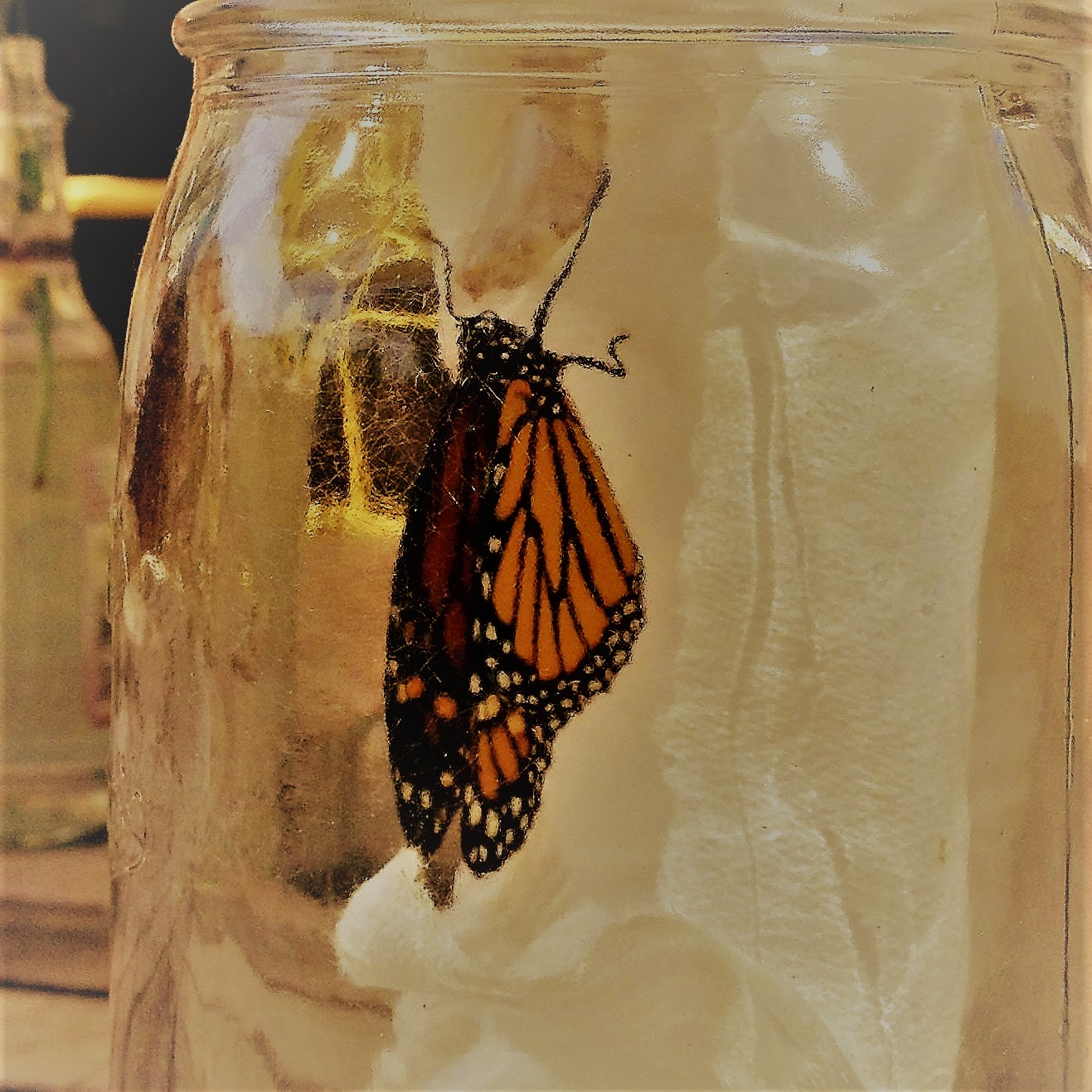
Durante meses, minha filha carregou uma borboleta-
monarca morta em um pequeno recipiente.
Em sua mochila, o inseto ia e vinha da escola
para a casa de sua única amiga. À mesa de jantar,
ele se acomodava, como um convidado, ao lado da carne assada.
Ela o levava para a cama, apoiando-o em seu travesseiro.

Foi no ano em que o irmão dela nasceu?
Seria a borboleta seu próprio bebê demasiado frágil
que viveu — tão brevemente — naquele mundo envidraçado?
Ou foi no ano em que ela se recusou a ir à casa do pai?
Foi nesta garota segurando-a-respiração que ali ela se tornou?

Esta criança rechonchuda com suas meias enroladas,
eu às vezes queria puxa-la de volta para dentro de mim
e carrega-la em segurança novamente. Qual era o seu feroz
comprometimento? Eu nunca entendi.
Nós apenas vivíamos com a coisa alada morta
como parte dela, como parte de nós,
leve em seu pesado jarro.

Trad.: Nelson Santander

BASS, Ellen. “Dead Butterfly”. In:_____The Human Line. EUA: Copper Canyon Press, June 01, 2007.

Miniantologia Poética – 16

Dead Butterfly

For months my daughter carried
a dead monarch in a quart mason jar.
To and from school in her backpack,
to her only friend’s house. At the dinner table
it sat like a guest alongside the pot roast.
She took it to bed, propped by her pillow.

Was it the year her brother was born?
Was this her own too-fragile baby
that had lived—so briefly—in its glassed world?
Or the year she refused to go to her father’s house?
Was this the holding-her-breath girl she became there?

This plump child in her rolled-down socks
I sometimes wanted to haul back inside me
and carry safe again. What was her fierce
commitment? I never understood.
We just lived with the dead winged thing
as part of her, as part of us,
weightless in its heavy jar.

Ellen Bass – Esperando pela chuva

É de manhã, enfim. Esta solidão
parece mais normal na luz, mais como meu reflexo
no espelho. Minha filha no pronto-socorro outra vez.
Algo que ela comeu? Algum aromatizante

que alguém borrifou no ar?
Eles estão tentando me matar, ela diz,
como se fosse uma piada. Lucrécio
me ajudou a passar a noite. Ele me disse que o mundo é um contínuo

criar e desfazer. Talvez seja incorreto
pensar em melhor ou pior.
Não há ninguém que possa carregar meu medo
por uma criança que sai pela porta

sem saber o que irá interromper sua respiração.
A chuva que dizem estar a caminho
navega agora sobre o Pacífico em nuvens nimbos purpúreas.
Mas não é suficiente. No ano passado, vi

elefantes cercando seus filhotes, arrastando
sem pressa suas massivas pernas, abrindo
suas enormes orelhas empoeiradas. Certa vez eles beberam
do degelo do Kilimanjaro.

Agora a montanha está nua. Lucrécio sabe
que somos apenas átomos combinando e recombinando:
poeira de estrelas, carne, relva. A noite toda
colei meu corpo ao de Janet,

respirando conforme ela respirava. Mas sua pele,
quente como é, ainda assim, me mantém distante.
Como tudo é frágil.
Minha filha voltará para casa na próxima semana.

Ela trará a mala xadrez rosa que compramos na Ross.
Quando ela indicá-la para o acompanhante que estará
empurrando sua cadeira de rodas, será fácil identificar
a mala na esteira. Só quero tocar minha filha.

Trad.: Nelson Santander

BASS, Ellen. “Waiting for Rain”. In:_____Like a Beggar. EUA: Copper Canyon Press, March 25, 2014.

Miniantologia Poética – 15

Mais do que uma leitura, uma experiência. Clique, compre e contribua para manter a poesia viva em nosso blog

Waiting for Rain

Finally, morning. This loneliness
feels more ordinary in the light, more like my face
in the mirror. My daughter in the ER again.
Something she ate? Some freshener

someone spritzed in the air?
They’re trying to kill me, she says,
as though it’s a joke. Lucretius
got me through the night. He told me the world goes on

making and unmaking. Maybe it’s wrong
to think of better and worse.
There’s no one who can carry my fear
for a child who walks out the door

not knowing what will stop her breath.
The rain they say is coming
sails now over the Pacific in purplish nimbus clouds.
But it isn’t enough. Last year I watched

elephants encircle their young, shuffling
their massive legs without hurry, flaring
their great dusty ears. Once they drank
from the snowmelt of Kilimanjaro.

Now the mountain is bald. Lucretius knows
we’re just atoms combining and recombining:
star dust, flesh, grass. All night
I plastered my body to Janet,

breathing when she breathed. But her skin,
warm as it is, does, after all, keep me out.
How tenuous it all is.
My daughter’s coming home next week.

She’ll bring the pink plaid suitcase we bought at Ross.
When she points it out to the escort
pushing her wheelchair, it will be easy
to spot on the carousel. I just want to touch her.

Ellen Bass – Nudez

A primeira vez que vi o pênis do meu namorado
pensei que o pau estaria coberto de pelos,

como o monte gramado do meu próprio sexo.
Minha avó arrancou as últimas penas

do frango castrado, de sua pele escorregadia, folículos,
pequenas protuberâncias em forma de crateras. Certa vez, torci

o pescoço de um passarinho que havia caído do ninho,
um fragmento de casca colado em sua penugem. A nudez

do recém-nascido, manchado de sangue e vérnix,
esparramado como um sapo na barriga afundada da mãe,

o rijo e retorcido cordão pulsando. A nudez
do corpo de minha mãe esfriando, o sangue recuando

de seus leitos ungueais, dedos tornando-se marfim. Após a morte,
a mandíbula se abre, expondo a língua nua, ressecada

e espinhosa como o caule de um cacto. Quando a Torá
é levantada da arca, é uma honra desnudar

sua coroa e couraça prateadas, capa e manto de veludo.
Após a leitura do dia, é uma honra trajar

a Palavra nua novamente. Laura raspou a cabeça
para não ter que ver seus cabelos caírem presos

aos dentes do pente, uma poça no travesseiro.
Manet pintou O Piquenique no Bosque1, cerejas

e peras amarelas caindo da cesta.
Os dois homens estão vestidos, completos com gravatas

e paletós, a mulher está nua. Nos anos setenta,
Marabel Morgan aconselhou as esposas

a receberem seus maridos na porta envoltas
em plástico filme. Conheci uma mulher que gostava

de limpar a casa nua. Se alguém tocasse a campainha,
mesmo que fossem Testemunhas de Jeová em camisas brancas

e sapatos pretos com cadarços, ela atendia assim.
Era a casa dela, ela disse. Meu marido era

o terapeuta do marido dela. Quando ele
se suicidou, meu marido desistiu do consultório.

Isso foi há muito tempo, meu ex-marido também está morto.
Quando éramos casados, ele queria que eu dormisse nua.

Expliquei-lhe que meus ombros ficavam frios. Ele então pegou
minha camisola de flanela e a recortou abaixo das axilas.

Nós rimos tanto que você poderia pensar
que ficaríamos juntos. Certa vez, cruzei com uma mulher

caminhando nas colinas de Santa Cruz, nua,
exceto pelos tênis brancos. Quando meus filhos

eram pequenos, eles adoravam ficar nus. Meu filho
se levantava em sua cadeira na mesa de jantar, seu pequeno pênis

posicionado acima do prato. Eu estava em um hotel no Missouri
zapeando os canais na TV. Metade dos programas

era de mulheres exibindo seus seios, metendo-se
à frente das câmeras ou de quatro,

sendo fodidas por trás. A outra metade era de
fundamentalistas protestando contra elas. Adoro

deitar-me ao lado do corpo nu de Janet. Seu calor
é a coisa mais próxima do sol que eu conheço.

Anos atrás, nós rolamos nuas pelas
dunas do Vale da Morte. Os cones

perfeitos de seus seios, polvilhados com grãos de areia.
Quando a filha de Eleanor não conseguiu se recuperar,

seu coração foi arrancado do peito, hospedado
nu no ar, e implantado em um empresário

chileno. Anos mais tarde, quando eles se conheceram
e se abraçaram, ela sentiu o coração da filha

batendo contra seu peito. A nudez das casas
quando os moradores se mudam, sombras quadradas

nos espaços que os quadros ocupavam, moedas empoeiradas,
clipes de papel, carcaças de insetos. Sacramento,

terra vermelho-castanha sem brotos de arroz ou nogueiras,
esperando nua pela próxima safra de shopping centers.

Fome nua. Medo nu. Quando você olha para um rosto
e percebe a necessidade, nua como um fruto despelado. A nua oração

em que você não acredita, mas ora mesmo assim
porque não pode evita-lo, nua, estúpida

em sua esperança. Sua filha está dançando nua em uma gaiola,
as coxas nuas que outrora foram empurradas para fora entre

suas coxas nuas agora envolvem um poste de prata
enquanto os homens seguram suas vontades nuas em suas palmas

nuas para fugir de suas dores nuas. Contudo, você não consegue parar
de pensar nos dedos dos pés nus dela da primeira vez que a

levou para a praia.

Trad.: Nelson Santander

BASS, Ellen. “Nakedness”. In:_____Like a Beggar. EUA: Copper Canyon Press, March 25, 2014.

N. do T.:

  1. Le déjeuner sur l’herbe

Miniantologia Poética – 14

Nakedness

The first time I saw my boyfriend’s penis,
I thought the shaft would be covered with hair,

like the grassy knoll of my own sex.
My grandmother plucked the last feathers

off the capon, its skin slippery, follicles
little crater-shaped bumps. I once wrung

the neck of a baby bird fallen from its nest,
a shard of shell stuck to its down. Nakedness

of the newborn, smeared with vernix and blood,
splayed like a frog on the sunken belly of the mother,

the tough, swirled cord pulsing. Nakedness
of my mother’s body cooling, blood receding

from her nail beds, fingers turning ivory. After death,
the jaw falls open, exposing the naked tongue, dry

and prickled as a cactus paddle. When the Torah
is lifted from the ark, it’s an honor to take off

its silver crown and breastplate, velvet cloak and robe.
After the day’s portion is read, it’s an honor to dress

the naked Word again. Laura shaved her head
so she wouldn’t have to watch her hair fall prey

to the teeth of the comb, a pool on her pillow.
Manet painted Luncheon on the Grass, cherries

and yellow pears tumbling from the basket.
The two men are dressed, complete with ties

and coats, the woman is naked. In the seventies
Marabel Morgan advised wives

to greet their husbands at the door bound
in Saran Wrap. I knew a woman who liked

to clean house naked. If someone rang the bell,
even a pair of Jehovah’s Witnesses in white shirts

and black laced shoes, she answered it like that.
It was her house, she said. My husband was

her husband’s therapist. When her husband
killed himself, my husband quit his practice.

That was long ago, my ex-husband’s dead, too.
When we were married he wanted me to sleep naked.

I said my shoulders got cold. So he took my
flannel nightgown and cut it off under the armpits.

We laughed so hard you’d have thought
we’d stay together. Once I passed a woman

hiking in the hills of Santa Cruz, naked
except for white athletic shoes. When my children

were small they loved to be naked. My son
stood on his chair at the dinner table, his tiny penis

poised above his plate. I was in a hotel in Missouri
flipping through the stations on TV. Half the shows

were women flashing their breasts, jamming
themselves in front of the camera or on all fours

being fucked from behind. The other half were
fundamentalists ranting against them. I love to lie

down next to Janet’s naked body. Her heat
is the closest thing I know to the sun.

So many years ago we rolled naked
down the dunes in Death Valley. The perfect

cones of her breasts, dusted with grains of sand.
When Eleanor’s daughter could not recover,

her heart was lifted out of her chest, cupped
naked in the air, and planted in a Chilean

businessman. Years later, when they met
and embraced, she felt her daughter’s heart

beating against her breast. The nakedness of houses
when people have moved out, square shadows

where pictures once hung, dusty pennies,
paperclips, insect carcasses. Sacramento

red-brown dirt without rice shoots or walnut trees,
waiting naked for the next crop of shopping malls.

Naked hunger. Naked fear. When you look into a face
and see the need, naked as peeled fruit. Naked prayer

you don’t believe in, but pray anyway
because you can’t help it, naked, stupid

in your hope. Your daughter is dancing in a cage,
her naked thighs that once pushed out between

your naked thighs now wrap around a silver pole
while men hold their naked hunger in their naked

palms to escape their naked pain. But you can’t stop
thinking about her naked toes the first time you

took her to the sea.
Ellen Bass – Os anéis de Saturno

Ontem à noite vi pela primeira vez os
os anéis de Saturno, aquele brilhante cinturão
de cristais de gelo e poeira. Espelhos
pastoreando a luz, coletando-a
como pólen ou maná
ou baldes de água doce e cristalina
extraída das profundezas de um antigo poço.
O brilho jorrou através de minhas pupilas
neste corpo pequeno e transitório,
meu cérebro rugoso em seu crânio de casca de ovo,
meu sangue circulando, os seios que lembram
o ardor e a abundância do leite.
Saturno, seus anéis congelados de fogo branco,
refletindo o sol a bilhões de quilômetros.
Talvez haja uma palavra em outra língua
para quando a distância se dissolve no tempo.
Como mudamos quando estamos lá fora
sob as excessivas estrelas do verão,
nossos poros se abrindo à noite?
A terra vista de Saturno é um orbe azul claro,
menor que o coração de quem você ama.
Não dá para esquecer os polos da terra
virando lama,
não dá pare esquecer as tartarugas
queimando no Golfo.
O Burger King no final do quarteirão
está fritando hambúrgueres perfeitamente redondos,
as vacas na I-5 estão com excremento
até o tornozelo. A televisão
abre suas asas azuis na janela
da casa do outro lado da rua
onde o marido de alguém pressionou uma arma
contra o céu da boca.
Esta coreografia de ruína, o mundo estilhaçando-se
como vidro sob um microscópio,
o jeito como ele não se despedaça de uma vez
mas se espalha das cavidades danificadas.
Ainda assim, por um momento, tudo retrocede.
As batatas do quintal incham silenciosamente,
enterradas sob sua cobertura de folhas.
O vento esfrega as mãos por entre as árvores.

Trad.: Nelson Santander

BASS, Ellen. “Saturn’s Rings”. In:_____Like a Beggar. EUA: Copper Canyon Press, March 25, 2014.

Miniantologia Poética – 13

Saturn’s Rings

Last night I saw the rings of Saturn
for the first time, that brilliant band
of icy crystals and dust. Mirrors
shepherding the light, collecting it
like pollen or manna
or pails of sweet clear water drawn
from the depths of an ancient well.
The gleam poured through my pupils
into this small, temporary body,
my wrinkled brain in its eggshell skull,
my tunneling blood, breasts that remember
the sting and flush of milk.
Saturn, its frozen rings fire-white,
reflecting the sun from a billion miles.
Maybe there’s a word in another language
for when distance dissolves into time.
How are we changed when we stand out
under the fat stars of summer,
our pores opening in the night?
The earth from Saturn is a pale blue orb,
smaller than the heart of whomever you love.
You don’t forget the poles of the earth
turning to slush,
you don’t forget the turtles
burning in the gulf.
Burger King at the end of the block
is frying perfectly round patties,
the cows off I-5 stand ankle-deep
in excrement. The television
spreads its blue wings over the window
of the house across the street
where someone’s husband pressed a gun
against the ridged roof of his mouth.
This choreography of ruin, the world breaking
like glass under a microscope,
the way it doesn’t crack all at once
but spreads out from the damaged cavities.
Still, for a moment, it all recedes.
The backyard potatoes swell quietly,
buried beneath their canopy of leaves.
The wind rubs its hands through the trees.

Ellen Bass – Relaxe

Coisas ruins vão acontecer.
Em seus tomates crescerá um fungo
e seu gato será atropelado.
Alguém deixará a sacola com o sorvete
derretendo no carro e jogará
seu suéter de cashmere azul na secadora.
Seu marido vai dormir
com uma garota da idade de sua filha, os seios transbordando
da blusa. Ou sua esposa se
lembrará que é lésbica
e o trocará pela vizinha. O outro gato —
aquele do qual você nunca gostou de verdade — contrairá uma doença
que exigirá que você abra sua boca febril
a cada quatro horas. Seus pais vão morrer.
Não importa quantas vitaminas tome,
nem quanto Pilates faça, você vai perder suas chaves
seus cabelos e sua memória. Se sua filha
não plugar o coração dela
a cada tomada elétrica pela qual passar,
você chegará em casa e descobrirá que seu filho esvaziou
a geladeira, arrastou-a até o meio-fio,
e ligou para a loja de eletrodomésticos usados para buscá-la — dinheiro da droga.
Há uma história budista de uma mulher perseguida por um tigre.
Quando chega a um penhasco, ela se depara com uma robusta trepadeira
e desce por ela até a metade. Mas há um tigre lá embaixo também.
E dois ratos — um branco e um preto — sobem correndo
e começam a roer a trepadeira. Nesse momento,
ela percebe um morango silvestre crescendo de uma fenda.
Ela olha para cima, para baixo, para os ratos.
Em seguida, ela come o morango.
Então aqui está a vista, a brisa, a pulsação
em sua garganta. Sua carteira será roubada, você engordará,
escorregará nos azulejos do banheiro de um hotel no exterior
e quebrará o quadril. Você vai estar sozinho.
Oh, saboreie o quão doce e azedo
o suco vermelho é, como as miúdas sementes
são trituradas entre seus dentes.

Trad.: Nelson Santander

BASS, Ellen. “Relax”. In:_____Like a Beggar. EUA: Copper Canyon Press, March 25, 2014.

Miniantologia Poética – 12

Relax

Bad things are going to happen.
Your tomatoes will grow a fungus
and your cat will get run over.
Someone will leave the bag with the ice cream
melting in the car and throw
your blue cashmere sweater in the drier.
Your husband will sleep
with a girl your daughter’s age, her breasts spilling
out of her blouse. Or your wife
will remember she’s a lesbian
and leave you for the woman next door. The other cat—
the one you never really liked—will contract a disease
that requires you to pry open its feverish mouth
every four hours. Your parents will die.
No matter how many vitamins you take,
how much Pilates, you’ll lose your keys,
your hair and your memory. If your daughter
doesn’t plug her heart
into every live socket she passes,
you’ll come home to find your son has emptied
the refrigerator, dragged it to the curb,
and called the used appliance store for a pick up—drug money.
There’s a Buddhist story of a woman chased by a tiger.
When she comes to a cliff, she sees a sturdy vine
and climbs half way down. But there’s also a tiger below.
And two mice—one white, one black—scurry out
and begin to gnaw at the vine. At this point
she notices a wild strawberry growing from a crevice.
She looks up, down, at the mice.
Then she eats the strawberry.
So here’s the view, the breeze, the pulse
in your throat. Your wallet will be stolen, you’ll get fat,
slip on the bathroom tiles of a foreign hotel
and crack your hip. You’ll be lonely.
Oh taste how sweet and tart
the red juice is, how the tiny seeds
crunch between your teeth.

Ellen Bass – Tingindo o cabelo dela

Minha filha senta-se no quintal em minha velha camisola
enquanto eu manejo os produtos químicos nas raízes,
grata por ter uma desculpa para toca-la.
No último sol do entardecer, seus cabelos bebem
do profundo tom de páprica. Ela está segura. É fim
de agosto, findaram-se os damascos, manchas escuras
onde eles caíram ao longo do caminho.
Ela parte amanhã, de volta
a uma vida tão perigosa que preciso exilar meu coração.
Mesmo agora, com meus dedos metidos em seus cabelos,
há um postigo entre nós, como o vidro
que separa os cativos dos visitantes.
Oh amor, o terror, disse Anne Sexton.
Toda tristeza é algo que uma vez lhe trouxe alegria.
No inverno passado, quando não tive notícias dela por meses,
retirei todas as fotos de seus álbuns baratos
onde o ácido estava corroendo as imagens.
Todos os dias eu gostaria que minha mãe estivesse viva
para me confortar. Sou grata por meus desejos não terem nenhum poder.
Como ela poderia suportar me ver ser
batizada nessas águas escuras, coração espalhado
pela superfície como fragmentos da lua.
Coração arrastado por um cavalo pelas ruas.
Coração alongado como os pescoços das mulheres Kayan,
uma argola de bronze após a outra, adicionadas lentamente ao longo dos anos,
comprimindo as costelas, esmagando a espinha.

Trad.: Nelson Santander

BASS, Ellen. “Dyeing Her Hair”. In:_____The Missoury Review. EUA: Department of English of University of Missouri-Columbia, Vol. 32.2, Summer 2009

Miniantologia Poética – 11

Dyeing Her Hair

My daughter sits in the yard in my old nightgown
while I work the chemicals down to the roots,
grateful to have an excuse to touch her.
In the last sun of the afternoon, her hair drinks in
the deep paprika hue. She’s safe. It’s the end
of August, the apricots finished, dark stains
where they fell on the path.
She leaves tomorrow, returning
to a life so dangerous I have to exile my heart.
Even now, with my fingers deep in her hair,
there’s a window between us, like the glass
that separates inmates and visitors.
Oh love, the terror, Anne Sexton said it.
Every sorrow is something that once brought you joy.
Last winter, when I hadn’t heard from her for months,
I took all the photos out of their cheap albums
where acid was eating the image away.
Every day I wish my mother were alive
to comfort me. I’m grateful my wishes have no power.
How could she bear to watch me
baptized in these dark waters, heart strewn
on the surface like shards of moon.
Heart dragged by a horse through the streets.
Heart stretched like the necks of Kayan women,
one brass coil after another added slowly through the years,
compressing the ribs, crushing bone.