Linda Gregg – Uma sede contrária

Há uma ânsia por ordem,
mas uma sede contrária. E se
toda vez que uma flor nascesse na mente
algo a entregasse ao tempo?
Folha por pétala, por folha. Como se a alma
fosse um mata-borrão deste mundo —
do maior, do mais úmido, do mais
cansado, do mais dilacerado. Tudo cantando,
mas nenhuma canção. Hamlet mais sombrio que a noite.
E a pobre Ofélia menor que as flores
que trazia. Ambos perdidos. Um morto,
a outra prestes a segui-lo.
Um pesado demais, outra frágil demais.
Ambos se descobrindo entre os caídos.
Sempre penso: é aqui
que Deus vive. Bem aqui,
neste lugar terrível e arruinado,
com ruas devastadas pelo néon,
em pleno inverno, varrido por ventos gelados.
Nestas avenidas de Chicago.

Trad.: Nelson Santander

A Thirst Against

There is a hunger for order,
but a thirst against. What if
every time a flower forms in the mind,
something gives it away to time?
Leaf by petal, by leaf. As if the soul
were a blotter of this world —
of the greater, the wetter, the more
tired, the more torn. All singing,
but no song. Hamlet darker than night.
And poor Ophelia less than the flowers
she wore. Both lost. One dead,
the other to follow soon.
One too heavy, one too frail.
Both finding themselves among the fallen.
Each time I think, it is here
that God lives. Right around here,
in this terrible, ruined place
with streets made desolate by neon,
in midwinter and freezing winds.
In these Chicago avenues.

Louis MacNeice – Uma catarata concebida como uma procissão de cadáveres

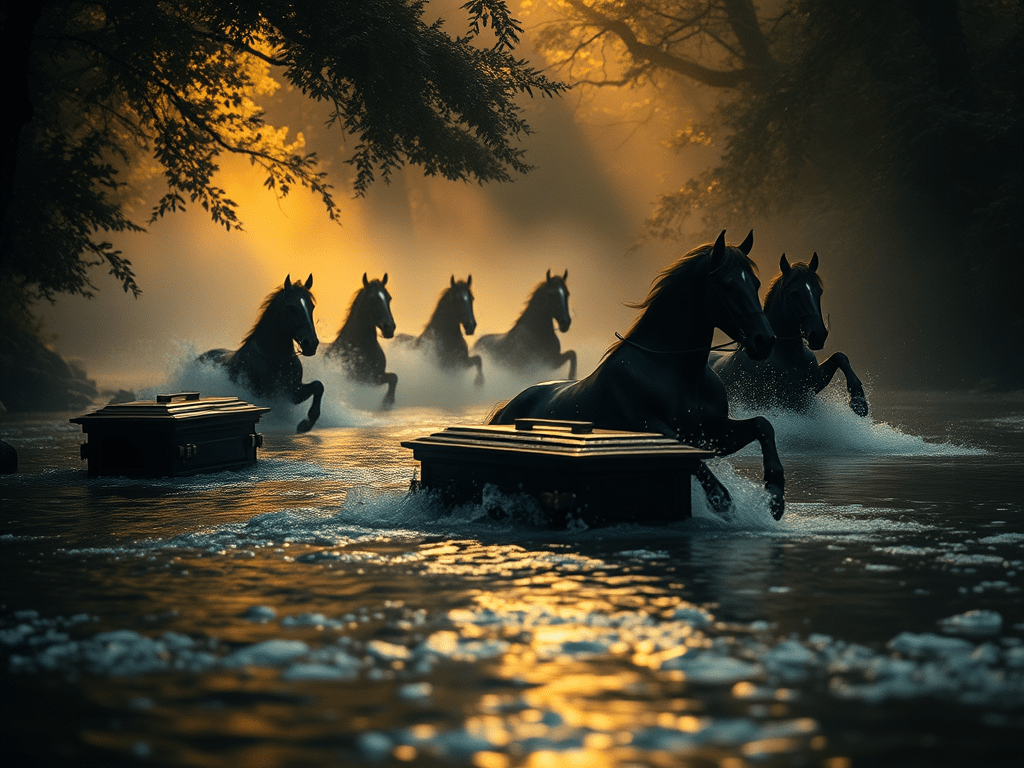
Cai o rio e por cima do peitoril caixões de funerais frios1
Tombam fundo e repousam na tumba selada da piscina,
E a água amarela limpa a campa e o calhau tampa o necrotério
E o rio-corcel salta e mergulha e borbulha em fúria e frenesi,
E os caixões se espalham, tambores se esbarram, águas escorrem.
E os corcéis-pantera erguem cascos e patas que puxam o caixão,
E os corpos cintilam na fluência fluvial, e da água seus queixos se inclinam
E sorvem o jato e lambem o trago e torcem as cabeças e grasnam,
Afogados e embriagados pela catarata que os arrasta e os enterra
E os soterra e os encerra e solfeja e zomba sobre seus ossos;
Os sons de órgãos que o vento desrepresa jamais penetrarão o fio da correnteza,
E tudo o que ouvirão será o cair dos cascos e o distante tilintar dos arreios,
O soar dos sinos nas cabeças dos cavalos e o riso do coveiro,
E o rumor que perderá seu vigor até se mesclar ao silêncio,
E então o minuto ouvido caindo, sem cessar de ser ouvido,
E depois o minuto seguinte e o minuto seguinte ao minuto seguinte.

Trad.: Nelson Santander

  1. Esse poema sinistro de MacNeice me lembrou o “Noturno Oprimido”, de Carlos Drummond de Andrade. Ambos os poemas exploram a força sombria e incontrolável da água como uma metáfora de morte e esquecimento. Em ambos, a água assume um papel ameaçador e inexorável, carregando consigo o peso de algo irreparável e macabro, com uma carga de sofrimento subjacente. No entanto, enquanto MacNeice enxerga a catarata como uma marcha fúnebre grandiosa e ritualística, Drummond descreve a água de maneira íntima, quase opressora, ligada ao espaço doméstico, onde ela simboliza uma presença sinistra e destrutiva que invade o cotidiano com uma “queixa feroz”. Assim, a água em Drummond torna-se um lamento daquilo que se aproxima e devasta, refletindo uma angústia mais introspectiva, enquanto em MacNeice, ela é a própria procissão da morte, carregada de força coletiva e inevitável. ↩︎

Mais do que uma leitura, uma experiência. Clique, compre e contribua para manter a poesia viva em nosso blog

A Cataract Conceived as the March of Corpses

The river falls and over the walls the coffins of cold funerals
Slide deep and sleep there in the close tomb of the pool,
And yellow waters lave the grave and pebbles pave its mortuary
And the river horses vault and plunge with their assault and battery,
And helter-skelter the coffins come and the drums beat and the waters flow.
And the panther horses lift their hooves and paw and shift and draw the bier,
The corpses blink in the rush of the river, and out of the water their chins they tip
And quaff the gush and lip the draught and crook their heads and crow,
Drowned and drunk with the cataract that carries them and buries them
And silts them over and covers them and lilts and chuckles over their bones;
The organ-tones that the winds raise will never pierce the water ways,
So all they will hear is the fall of hooves and the distant shake of harness,
And the beat of the bells on the horses’ heads and the undertaker’s laughter,
And the murmur that will lose its strength and blur at length to quietness,
And afterwards the minute heard descending, never ending heard,
And then the minute after and the minute after the minute after.

Carl Sandburg – O crepúsculo dos búfalos

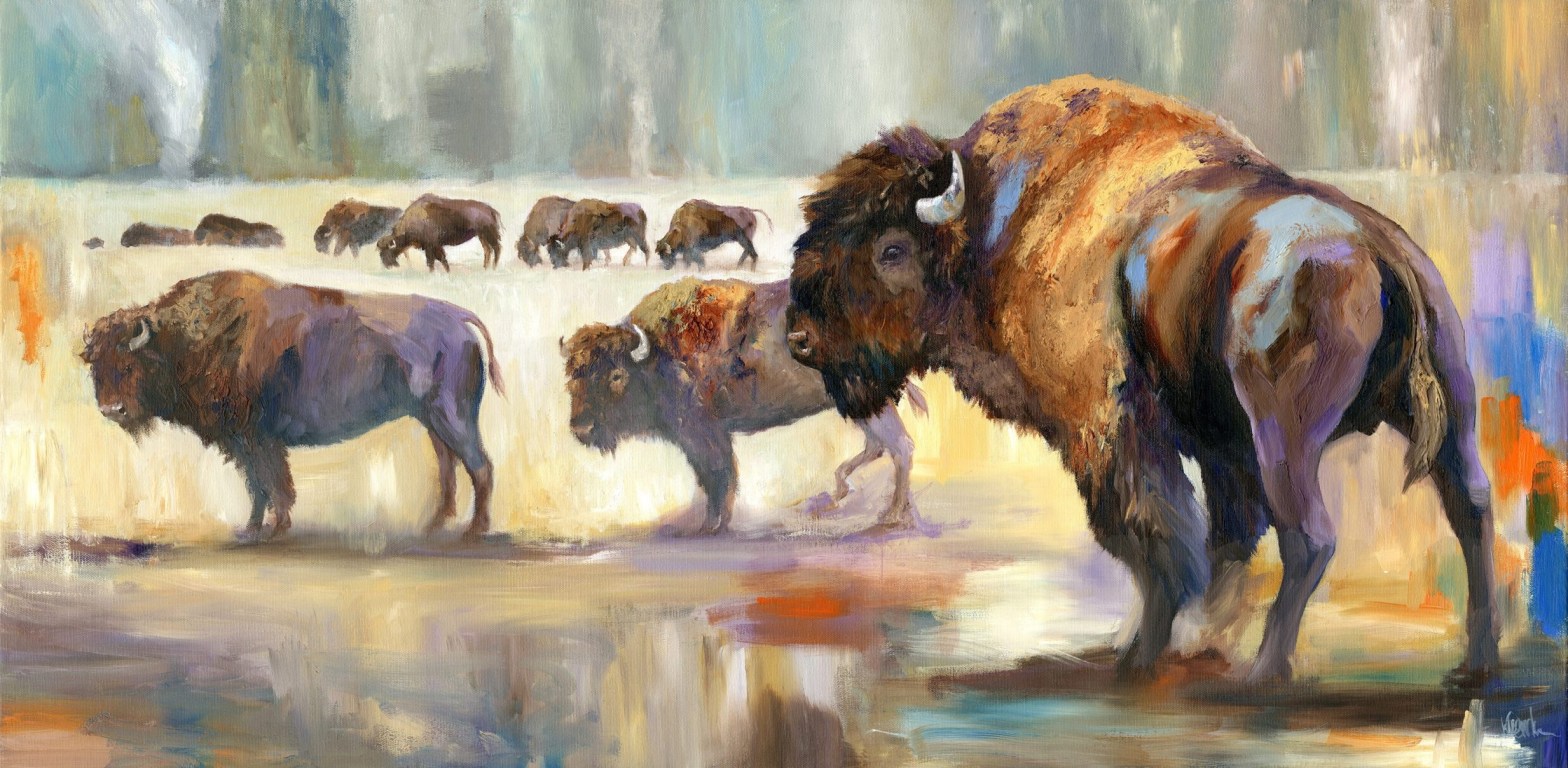
Os búfalos se foram.
E os que viram os búfalos se foram.
Os que viram os búfalos aos milhares e como eles pisoteavam a relva da pradaria
     com seus cascos até reduzi-la a pó, suas grandes cabeças baixas, avançando
     em um grandioso cortejo ao crepúsculo,
Os que viram os búfalos se foram.
E os búfalos se foram.

Trad.: Nelson Santander Mais do que uma leitura, uma experiência. Clique, compre e contribua para manter a poesia viva em nosso blog

Buffalo Dusk

The buffaloes are gone.
And those who saw the buffaloes are gone.
Those who saw the buffaloes by thousands and how they pawed the
prairie sod into dust with their hoofs, their great heads down pawing
on in a great pageant of dusk,
Those who saw the buffaloes are gone.
And the buffaloes are gone.

W.S. Merwin – Rio

Li Po1, já se foi o pequeno bote
que o levou dez mil li2 rio abaixo
passando pelos gibões que chamavam
das duas margens e eles também se foram
e as florestas de onde chamavam
também se foram e você se foi e cada
som que você ouviu se foi
agora resta apenas o rio
que sempre seguiu seu próprio curso

Trad.: Nelson Santander

  1. Li Po (ou Li Bai) foi um dos maiores poetas da dinastia Tang, conhecido por suas composições líricas sobre a natureza, o vinho e a transitoriedade da vida. Sua poesia é frequentemente associada à estética taoísta, marcada por uma visão de mundo que enfatiza o fluxo e a impermanência. No poema “River”, W. S. Merwin faz uma referência direta a um famoso poema de Li Po (abaixo, em inglês), que descreve uma viagem de barco pelo rio Yangtzé, capturando a sensação de movimento e efemeridade. Merwin dialoga com essa obra ao evocar o poeta chinês e sua travessia, explorando o tema do desaparecimento e da memória, num tributo à própria transitoriedade da vida e da natureza.

    White King City I left at dawn in the morning
    glow of the clouds,

    The thousand-mile journey to Jiang Ling,
    completed in a single day,

    On either shore the gibbons’ chatter sounds
    without pause,

    While my light boat skims past thousands of crags.

    Em tradução livre:

    Cidade do Rei Branco, deixei ao amanhecer
    no brilho das nuvens matinais,
    A viagem de mil milhas até Jiang Ling,
    concluída em um só dia,
    Nas margens, o tagarelar incessante dos gibões,
    Enquanto meu leve bote desliza por mil rochedos.
    ↩︎
  2. Uma antiga unidade de medida chinesa de distância, ainda utilizada na China hoje em dia, embora seu valor tenha variado ao longo da história. Na época de Li Po, um “li” correspondia aproximadamente a 500 metros. Portanto, “dez mil li” representaria uma extensão significativa, cerca de 5.000 quilômetros, sendo usado poeticamente para sugerir uma longa jornada, muitas vezes exagerada para enfatizar a grandiosidade da travessia. ↩︎

Mais do que uma leitura, uma experiência. Clique, compre e contribua para manter a poesia viva em nosso blog

River

Li Po the little boat is gone
that carried you ten thousand li
downstream past the gibbons calling
all the way from both banks and they
too are gone and the forests they
were calling from and you are gone
and every sound you heard is gone
now there is only the river
that was always on its own way

Mary Oliver – Prece

Não precisa ser
a íris azul, pode ser
a erva daninha em um terreno baldio, ou algumas
pedras pequenas; apenas
preste atenção, então junte

algumas palavras e não tente
torná-las rebuscadas, isso não é
uma competição mas uma porta

que leva à gratidão, e a um silêncio onde
outra voz pode falar.

Trad.: Nelson Santander

Mais do que uma leitura, uma experiência. Clique, compre e contribua para manter a poesia viva em nosso blog

Praying

It doesn’t have to be
the blue iris, it could be
weeds in a vacant lot, or a few
small stones; just
pay attention, then patch

a few words together and don’t try
to make them elaborate, this isn’t
a contest but the doorway

into thanks, and a silence in which
another voice may speak.

Ada Limón – Guarda compartilhada

Por que nunca vi isso como o que realmente era:
abundância? Duas famílias, duas diferentes
mesas de cozinha, dois conjuntos de regras, dois
riachos, duas rodovias, dois pais de criação
com seus aquários de peixes ou fitas cassetes ou
fumaça de cigarro ou experiência em receitas ou
habilidades de leitura. Não posso reverter isso, o disco
arranhado e parando naquela faixa
caótica original. Mas deixe-me dizer, eu era levada
de um lado para outro aos domingos e não era fácil,
mas eu era amada em cada lugar. Por isso tenho
dois cérebros agora. Dois cérebros inteiramente diferentes.
Um que sempre sente falta do lugar onde não estou,
e outro que fica aliviado por finalmente estar em casa.

Trad.: Nelson Santander

Mais do que uma leitura, uma experiência. Clique, compre e contribua para manter a poesia viva em nosso blog

Joint Custody

Why did I never see it for what it was:
abundance? Two families, two different
kitchen tables, two sets of rules, two
creeks, two highways, two stepparents
with their fish tanks or eight-tracks or
cigarette smoke or expertise in recipes or
reading skills. I cannot reverse it, the record
scratched and stopping to that original
chaotic track. But let me say, I was taken
back and forth on Sundays and it was not easy
but I was loved each place. And so I have
two brains now. Two entirely different brains.
The one that always misses where I’m not,
and the one that is so relieved to finally be home.

Ansel Elkins – Autobiografia de Eva

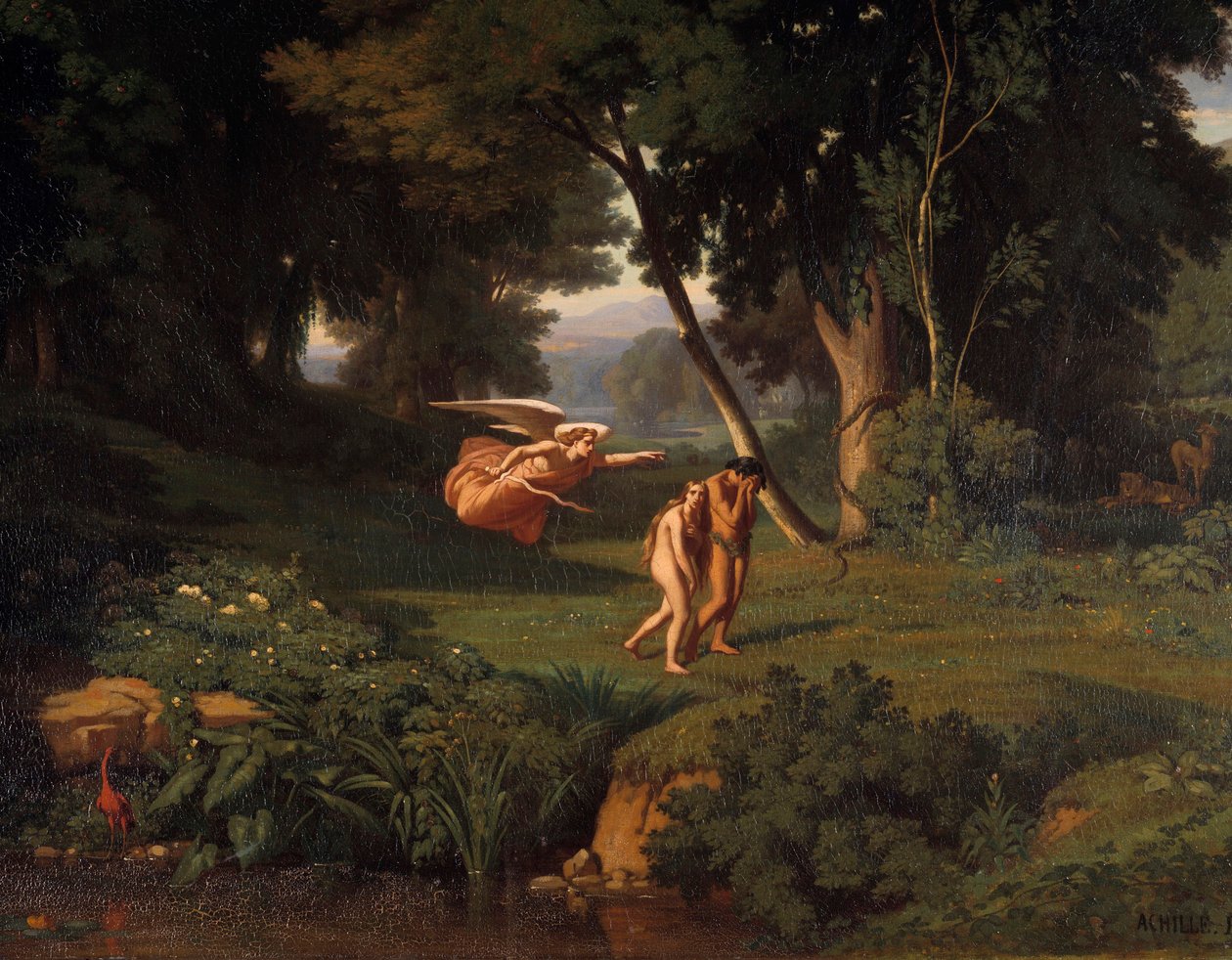
Calçando apenas botas de pele de
serpente, abri uma trilha, a primeira
estrada radical para fora daquele velho reino
em direção a um novo desconhecido.
Quando cheguei àqueles grandes portões flamejantes
de ouro incandescente,
encontrei-me sozinha e aterrorizada no limiar
entre o Paraíso e a Terra.
Ali ouvi um eco misterioso:
minha própria voz
cantando para mim do lado
proibido. Despertei sobressaltada —
subitamente viva em um clarão de fogo verde.

Que fique registrado: não caí em desgraça.

Saltei
para a liberdade.

Trad.: Nelson Santander

Mais do que uma leitura, uma experiência. Clique, compre e contribua para manter a poesia viva em nosso blog

Autobiography of Eve

Wearing nothing but snakeskin
boots, I blazed a footpath, the first
radical road out of that old kingdom
toward a new unknown.
When I came to those great flaming gates
of burning gold,
I stood alone in terror at the threshold
between Paradise and Earth.
There I heard a mysterious echo:
my own voice
singing to me from across the forbidden
side. I shook awake—
at once alive in a blaze of green fire.

Let it be known: I did not fall from grace.

I leapt
to freedom.

Wendell Berry – A Meta

Mesmo enquanto sonhava, eu rezava para que o que via fosse apenas medo, e não um presságio,
pois o que vi foi a última paisagem conhecida ser destruída em nome
da meta – o solo devastado, a rocha explodida.
Aqueles que queriam voltar para casa jamais chegariam lá agora.
Visitei os escritórios onde, em nome da meta,
os planejadores planejavam em mesas vazias enfileiradas.
Visitei as fábricas barulhentas onde se faziam as máquinas
que avançariam sempre em direção à meta.
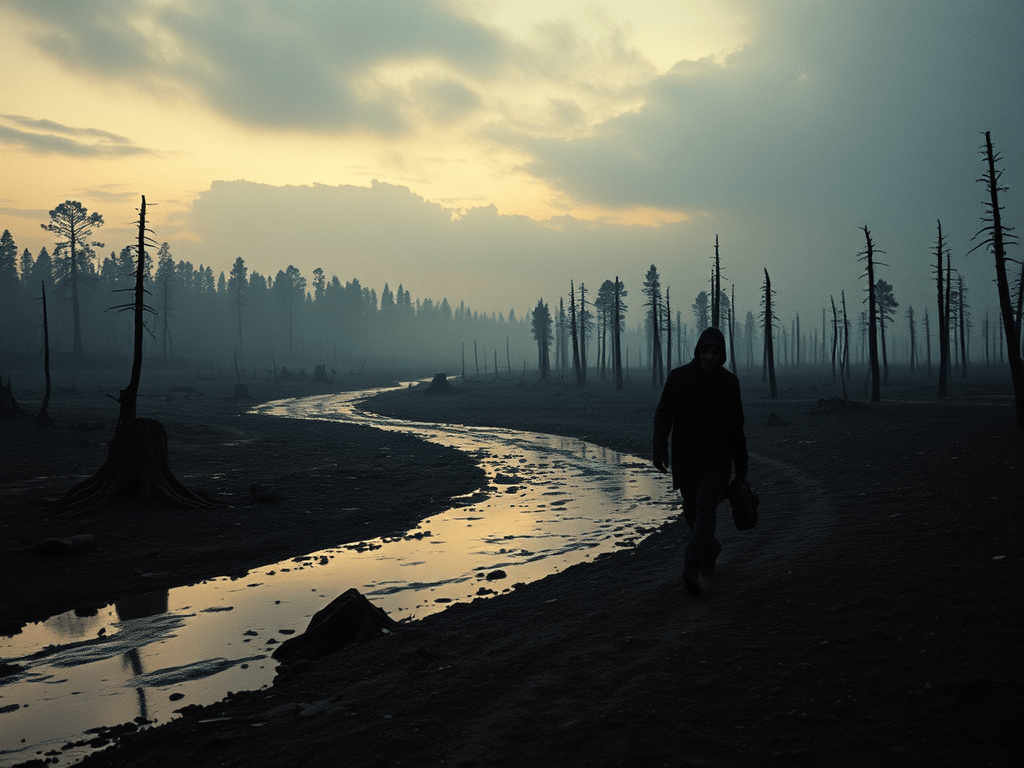
Vi a floresta reduzida a tocos e ravinas;
vi o rio envenenado – a montanha lançada no vale;
cheguei à cidade que ninguém reconhecia porque se parecia com todas as outras cidades.
Vi os caminhos gastos pelos incontáveis passos daqueles
cujos olhos estavam fixos na meta.
Sua passagem obliterou as sepulturas e os monumentos
dos que morreram na busca da meta
e que há muito foram esquecidos para sempre,
segundo a regra inevitável de que aqueles que esquecem,
esquecem que esqueceram.
Homens, mulheres e crianças agora perseguiam a meta como se ninguém jamais a tivesse perseguido antes.
As raças e os sexos agora se misturavam perfeitamente na busca da meta.
Os outrora escravizados, os outrora oprimidos,
eram livres agora para se vender ao maior lance
e entrar nas prisões mais bem pagas em busca da meta,
que era a destruição de todos os inimigos,
que era a destruição de todos os obstáculos,
que era abrir caminho para a vitória,
que era abrir caminho para a promoção,
para a salvação,
para o progresso,
para a venda concluída,
para a assinatura no contrato,
que era abrir caminho rumo à autorrealização, à autocriação,
caminho do qual quem quisesse voltar para casa jamais conseguiria,
pois cada lugar recordado havia sido deslocado;
cada amor, desfeito,
cada promessa, descumprida,
cada palavra, desdita,
para dar passagem à multidão dos individualizados,
dos autônomos, dos automotivados, dos sem-teto com seus muitos olhos
abertos em direção à meta que ainda não percebiam na distância,
sem jamais saber para onde estavam indo,
sem jamais saber de onde vieram.

Trad.: Nelson Santander

Mais do que uma leitura, uma experiência. Clique, compre e contribua para manter a poesia viva em nosso blog

The Objective

Even while I dreamed I prayed that what I saw was only fear and no foretelling,
for I saw the last known landscape destroyed for the sake
of the objective–the soil bulldozed, the rock blasted.
Those who had wanted to go home would never get there now.
I visited the offices where for the sake of the objective,
the planners planned at blank desks set in rows.
I visited the loud factories where the machines were made
that would drive ever forward toward the objective.
I saw the forest reduced to stumps and gullies;
I saw the poisoned river–the mountain cast into the valley;
I came to the city that nobody recognized because it looked like every other city.
I saw the passages worn by the unnumbered footfalls of those
whose eyes were fixed upon the objective.
Their passing had obliterated the graves and the monuments
of those who had died in pursuit of the objective
and who had long ago forever been forgotten,
according to the inevitable rule that those who have forgotten
forget that they have forgotten.
Men and women, and children now pursued the objective as if nobody ever had pursued it before.
The races and the sexes now intermingled perfectly in pursuit of the objective.
The once-enslaved, the once-oppressed,
were now free to sell themselves to the highest bidder
and to enter the best paying prisons in pursuit of the objective,
which was the destruction of all enemies,
which was the destruction of all obstacles,
which was to clear the way to victory,
which was to clear the way to promotion,
to salvation,
to progress,
to the completed sale,
to the signature on the contract,
which was to clear the way to self-realization, to self-creation,
from which nobody who ever wanted to go home would ever get there now,
for every remembered place had been displaced;
every love unloved,
every vow unsworn,
every word unmeant
to make way for the passage of the crowd of the individuated,
the autonomous, the self-actuated, the homeless with their many eyes
opened toward the objective which they did not yet perceive in the far distance,
having never known where they were going,
having never known where they came from.
Alex Dimitrov – Solstício de inverno

Mais uma vez é a noite mais longa do ano.
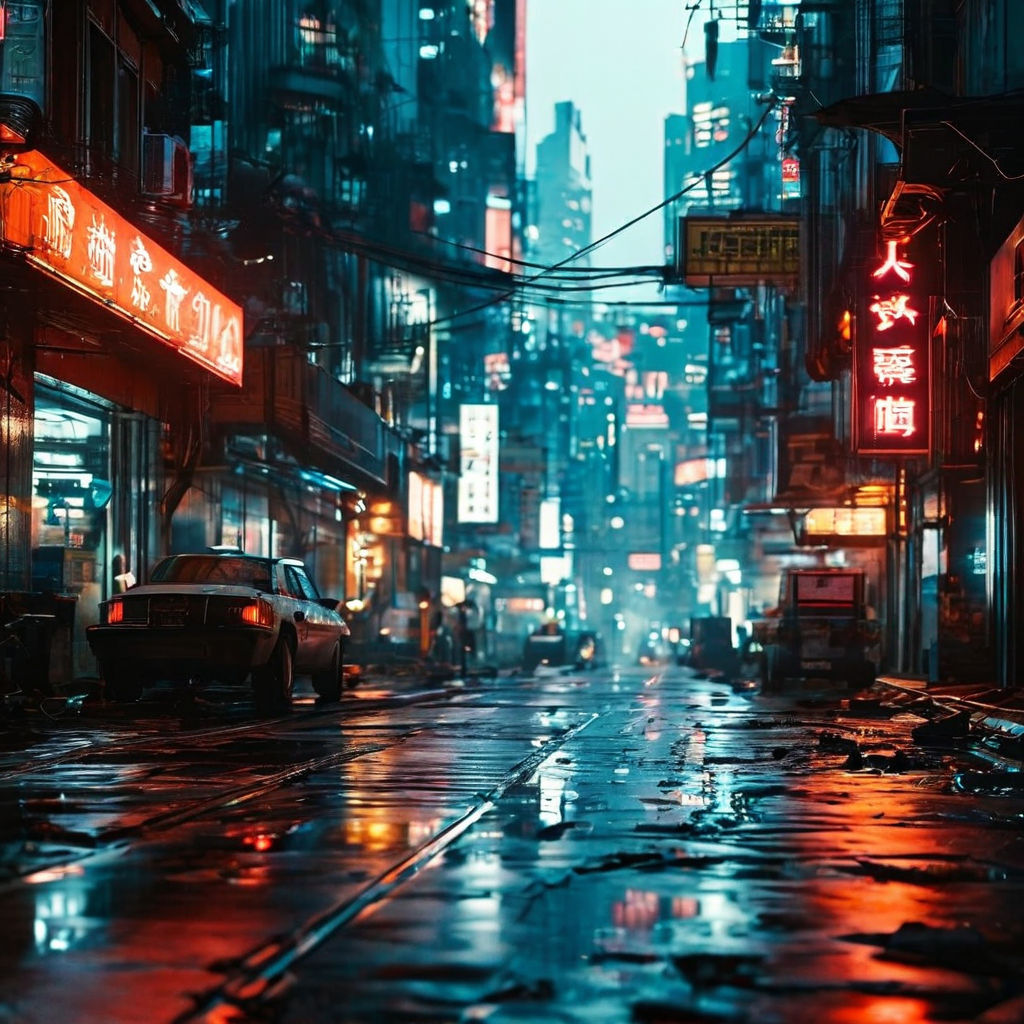
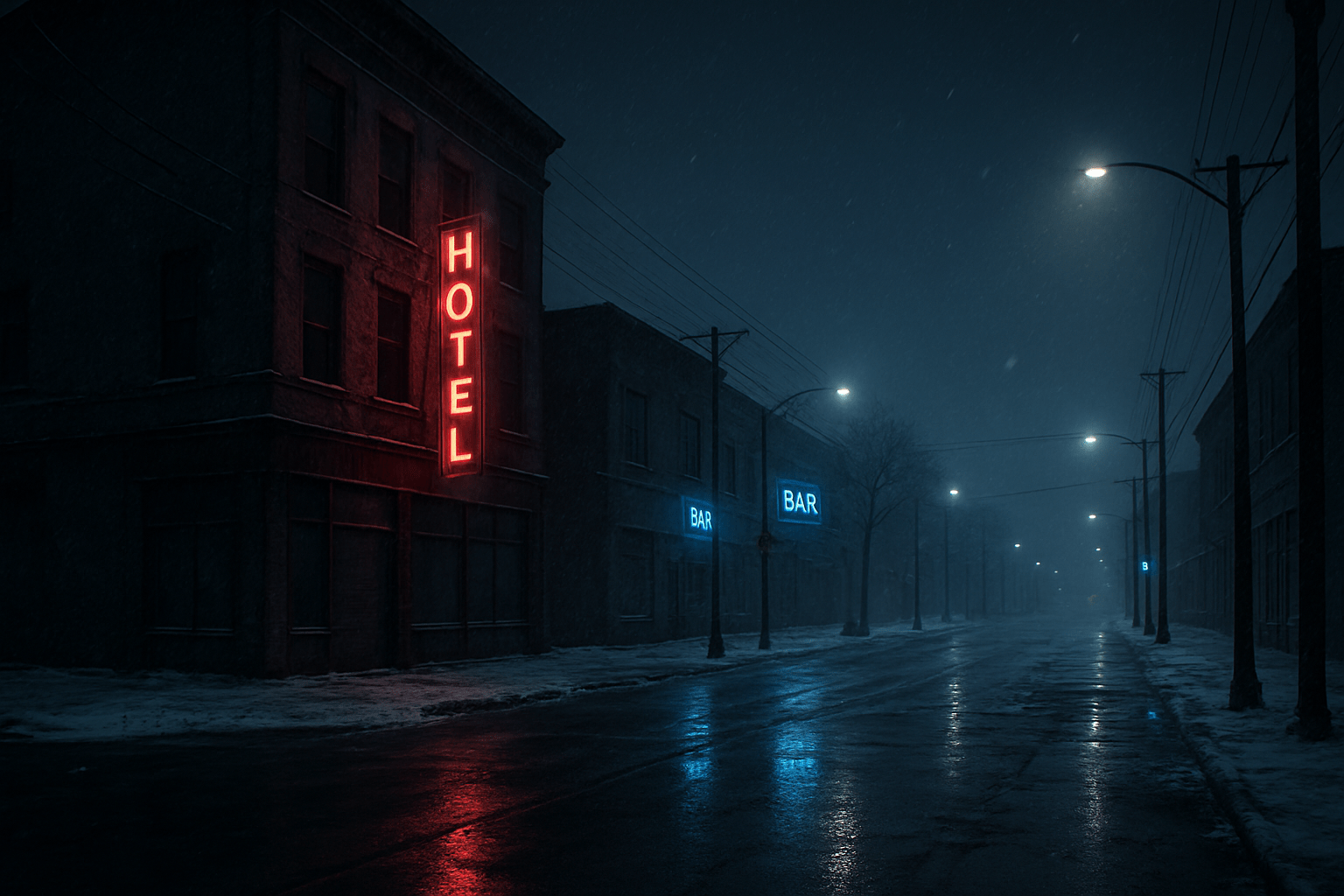
A cidade lembra um set de filmagem.
Suas ruas berrantes a anunciar
o que não pode ser medido: silêncio,
quem passou pelos espelhos, neon no cinza.
Três pombos se amontoam sob a luz do bar.
Um casal discute em uma lanchonete enquanto um garçom
traz a conta. Não está claro o que a história,
ou mesmo os últimos cinco minutos, fizeram a eles.
Além disso, quem sabe o que fazer com o amor?
Talvez ele se apague antes de um cigarro.
O que bastaria para nos consumir, essa escuridão,
quão frios parecemos mesmo em nossa própria miséria,
mesmo sabendo que sentiremos falta disso.
Sentiremos falta disso quando acabar.

Trad.: Nelson Santander

Mais do que uma leitura, uma experiência. Clique, compre e contribua para manter a poesia viva em nosso blog

Winter Solstice

Again it’s the longest night of the year.
The city closer to a replica of movie sets.
Its garish streets announcing
what can not be measured: silence,
who were in mirrors, neon in the gray.
Three pigeons huddle under bar light.
A couple argues in a diner while a server
brings their checks. It’s unclear what history
has done to them, or even the last five minutes.
Besides, who knows what to do with love?
It may not make it through one cigarette.
And it’s enough to kill you, how dark it is
how cold we seem even in our own misery
all while knowing we will miss this.
We will miss this when it ends.

Sarah Lindsay – Origem

A primeira célula não sentiu o impulso de se dividir.
Nutrida por abundantes sais e sol,
delgada ainda, ela simplesmente se espalhou,
balançando sobre a água, agarrando-se à pedra,
uma película de força complacente.
Seu retículo endoplasmático
era algo de incomparável extensão sinuosa;
seu núcleo, aparelho de Golgi, RNA,
magníficos. Sem estar sujeita
a solidão, conflito interior, ou engano,
sem predador nem presa,
ela tinha pouco a fazer, a não ser prosperar,
afastar-se de qualquer calor intenso
ou amargor, e mudar seus tons pastéis
em uma espécie de canção.
Somos descendentes da segunda célula.

Trad.: Nelson Santander

Mais do que uma leitura, uma experiência. Clique, compre e contribua para manter a poesia viva em nosso blog

Origin

The first cell felt no call to divide.
Fed on abundant salts and sun,
still thin, it simply spread,
rocking on water, clinging to stone,
a film of obliging strength.
Its endoplasmic reticulum
was a thing of incomparable curvaceous length;
its nucleus, Golgi apparatus, RNA
magnificent. With no incidence
of loneliness, inner conflict, or deceit,
no predator nor prey,
it had little to do but thrive,
draw back from any sharp heat
or bitterness, and change its pastel
colors in a kind of song.
We are descendants of the second cell.