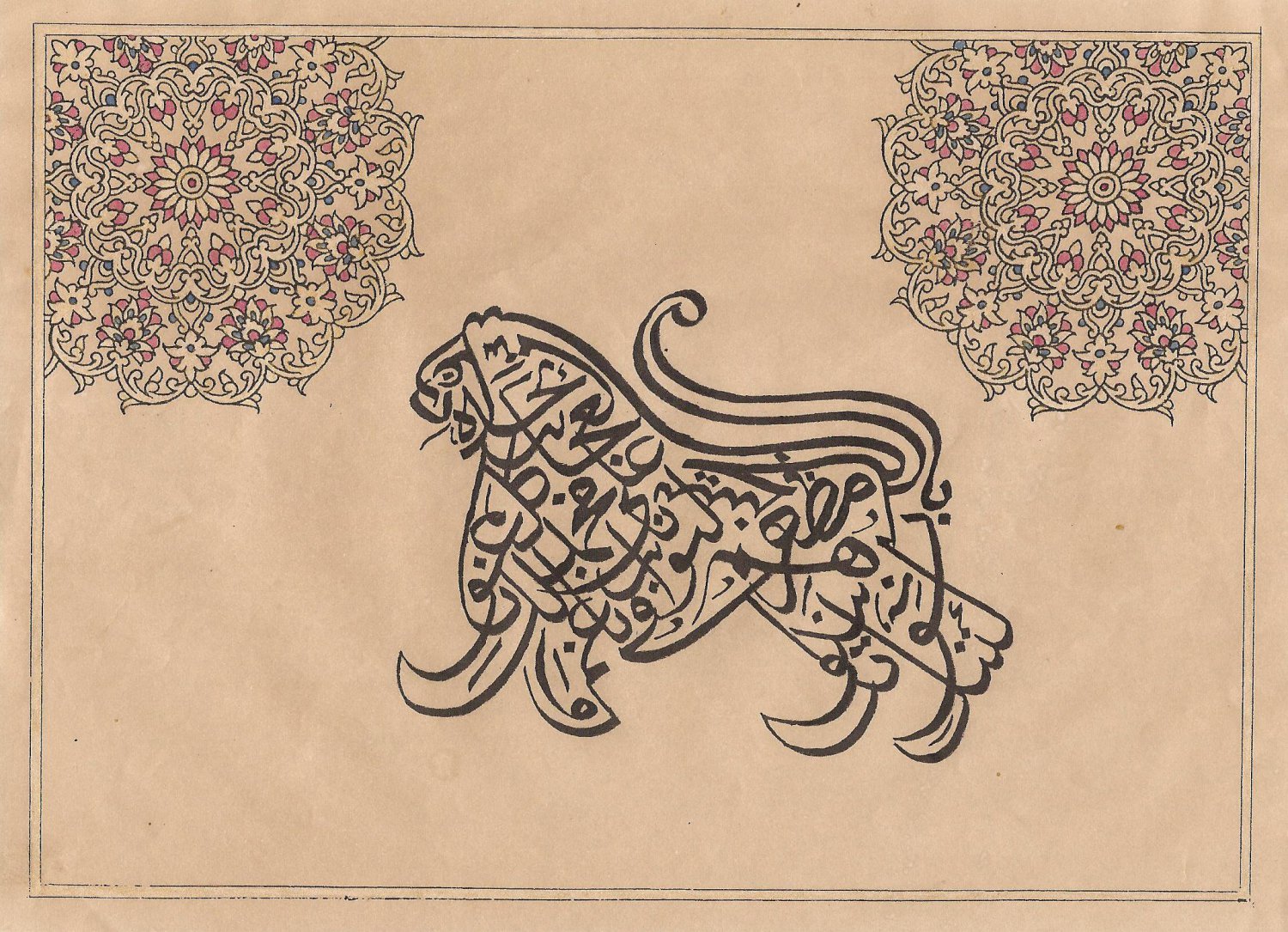
William Blake – O Ti(y)gre (em 4 traduções)

O TYGRE – Trad. Augusto de Campos

Tygre! Tygre! Brilho, brasa
que a furna noturna abrasa,
que olho ou mão armaria
tua feroz symmetrya?

Em que céu se foi forjar
o fogo do teu olhar?
Em que asas veio a chamma?
Que mão colheu esta flamma?

Que força fez retorcer
em nervos todo o teu ser?
E o som do teu coração
de aço, que cor, que ação?

Teu cérebro, quem o malha?
Que martelo? Que fornalha
o moldou? Que mão, que garra
seu terror mortal amarra?

Quando as lanças das estrelas
cortaram os céus, ao vê-las,
quem as fez sorriu talvez?
Quem fez a ovelha te fez?

Tygre! Tygre! Brilho, brasa
que a furna noturna abrasa,
que olho ou mão armaria
tua feroz symmetrya?

O TYGRE – Trad. José Paulo Paes

Tygre, Tygre, viva chama
Que as florestas de noite inflama,
Que olho ou mão imortal podia
Traçar-te a horrível simetria?

Em que abismo ou céu longe ardeu
O fogo dos olhos teus?
Com que asas atreveu ao vôo?
Que mão ousou pegar o fogo?

Que arte & braço pôde então
Torcer-te as fibras do coração?
Quando ele já estava batendo,
Que mão & que pés horrendos?

Que cadeia? que martelo,
Que fornalha teve o teu cérebro?
Que bigorna? que tenaz
Pegou-te os horrores mortais?

Quando os astros alancearam
O céu e em pranto o banharam,
Sorriu ele ao ver seu feito?
Fez-te quem fez o Cordeiro?

Tygre, Tygre, viva chama
Que as florestas da noite inflama,
Que olho ou mão imortal ousaria
Traçar-te a horrível simetria?

O TIGRE – Trad. Ivo Barroso

Tigre! Tigre! tocha tesa
Na selva da noite acesa,
Que mão de imortal mestria
Traçou tua simetria?

Em que abismos ou que céus
O fogo há dos olhos teus?
Em que asa se inspira a trama
Da mão que te deu tal chama?

Que artes ou forças tamanhas
Entrançaram-te as entranhas?
E ao bater teu coração,
Pés de horror? de horror a mão?

Que malho foi? que limalha?
De teu cérebro a fornalha?
Qual bigorna? que tenazes
No terror mortal que trazes?

Quando os astros dispararam
Seus raios e os céus choraram,
Riu-se ao ver sua obra quem
Fez a ovelha e a ti também?

Tigre! Tigre! tocha tesa
Na selva da noite acesa,
Que mão de imortal mestria
Traçou tua simetria?

O TIGRE – Trad. Renato Suttana

Tigre! Tigre! clarão feroz
nas florestas da noite atroz,
que mão, que olho imortal teria
forjado a tua simetria?

Em que funduras, em que céus
o fogo ardeu dos olhos teus?
Em que asa ousou ele aspirar?
Que mão ousou o fogo atear?

Que ombro, que arte deu tal torção
às fibras do teu coração?
E, o teu coração já batendo,
que horrenda mão? que pé horrendo?

E qual martelo? E qual corrente?
Em que forja esteve tua mente?
Qual bigorna? Que ousado ater
seus terrores ousou conter?

Quando os astros se desarmaram
e o céu de lágrimas rociaram,
riu-se ao ver sua obra talvez?
Fez o Cordeiro quem te fez?

Tigre! Tigre! clarão feroz
nas florestas da noite atroz,
que mão, que olho imortal teria
forjado a tua simetria?

REPUBLICAÇÃO: poema originalmente publicado na página em 02/04/2016

The Tyger

Tyger Tyger, burning bright,
In the forests of the night;
What immortal hand or eye,
Could frame thy fearful symmetry?

In what distant deeps or skies.
Burnt the fire of thine eyes?
On what wings dare he aspire?
What the hand, dare seize the fire?

And what shoulder, & what art,
Could twist the sinews of thy heart?
And when thy heart began to beat,
What dread hand? & what dread feet?

What the hammer? what the chain,
In what furnace was thy brain?
What the anvil? what dread grasp,
Dare its deadly terrors clasp!

When the stars threw down their spears
And water’d heaven with their tears:
Did he smile his work to see?
Did he who made the Lamb make thee?

Tyger Tyger burning bright,
In the forests of the night:
What immortal hand or eye,
Dare frame thy fearful symmetry?
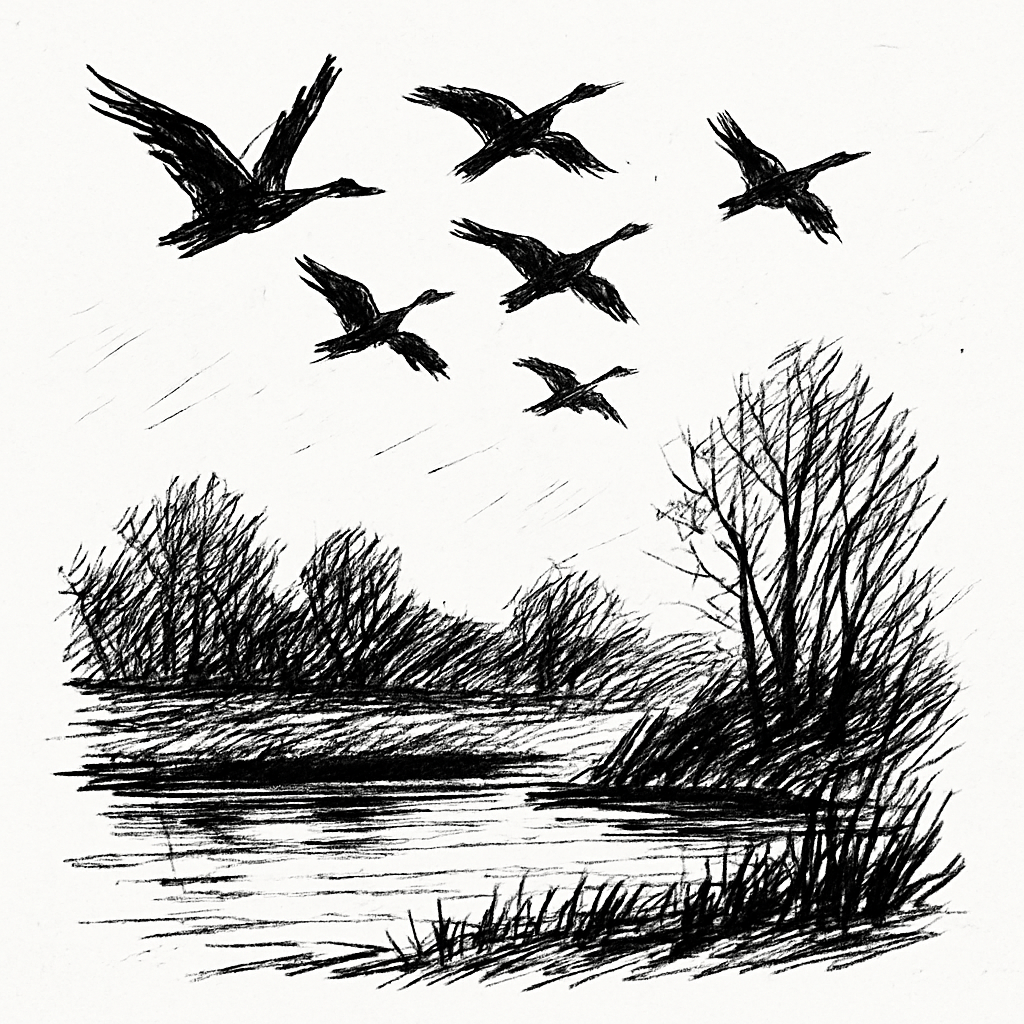
Barbara Crooker – Às vezes, sou arrancada de mim mesma

Às vezes, sou arrancada de mim mesma,

como nesta manhã, quando os gansos selvagens chegaram grasnando,
batendo suas dobradiças enferrujadas, e algo em sua jornada
pelo céu me fez pensar na minha vida, nos lugares
da ruptura, nos da tristeza, e naqueles onde o luto
me consumiu até a última gota. E então os gansos apareceram,
o líder recuando quando cansado, outro assumindo seu posto.
A esperança voa em asas. Veja as árvores. Douram-se
por um breve instante, depois se despem, novembro após novembro.
Nos meses frios, resistem, enfrentando o pior
que o tempo oferece. E ainda assim, em abril, em maio,
lançam folhas verdes, ainda tímidas. Os gansos planam sobre os milharais,
e pousam na lagoa entre caniços e juncos.
Você não precisa ser sábio. Até um ganso sabe onde
se abrigar, onde o milho ainda repousa entre o restolho e os talos secos.
Tudo o que fazemos é passar por aqui, da melhor maneira possível.
Eles costuram o céu, e ele volta a ser inteiro.

Trad.: Nelson Santander

Sometimes, I Am Startled Out of Myself

like this morning, when the wild geese came squawking,
flapping their rusty hinges, and something about their trek
across the sky made me think about my life, the places
of brokenness, the places of sorrow, the places where grief
has strung me out to dry. And then the geese come calling,
the leader falling back when tired, another taking her place.
Hope is borne on wings. Look at the trees. They turn to gold
for a brief while, then lose it all each November.
Through the cold months, they stand, take the worst
weather has to offer. And still, they put out shy green leaves
come April, come May. The geese glide over the cornfields,
land on the pond with its sedges and reeds.
You do not have to be wise. Even a goose knows how to find
shelter, where the corn still lies in the stubble and dried stalks.
All we do is pass through here, the best way we can.
They stitch up the sky, and it is whole again.

Alan Dugan – Análise marxista do quinto trabalho de Hércules

Os estábulos de Augias estavam tão atolados em bosta de cavalo
que os nobres da cidade vieram zombar de Hércules
quando lhe mandaram limpá-los com as próprias mãos.
Queriam vê-lo de joelhos, imundo,
só cu e cotovelos num vaivém interminável por anos.
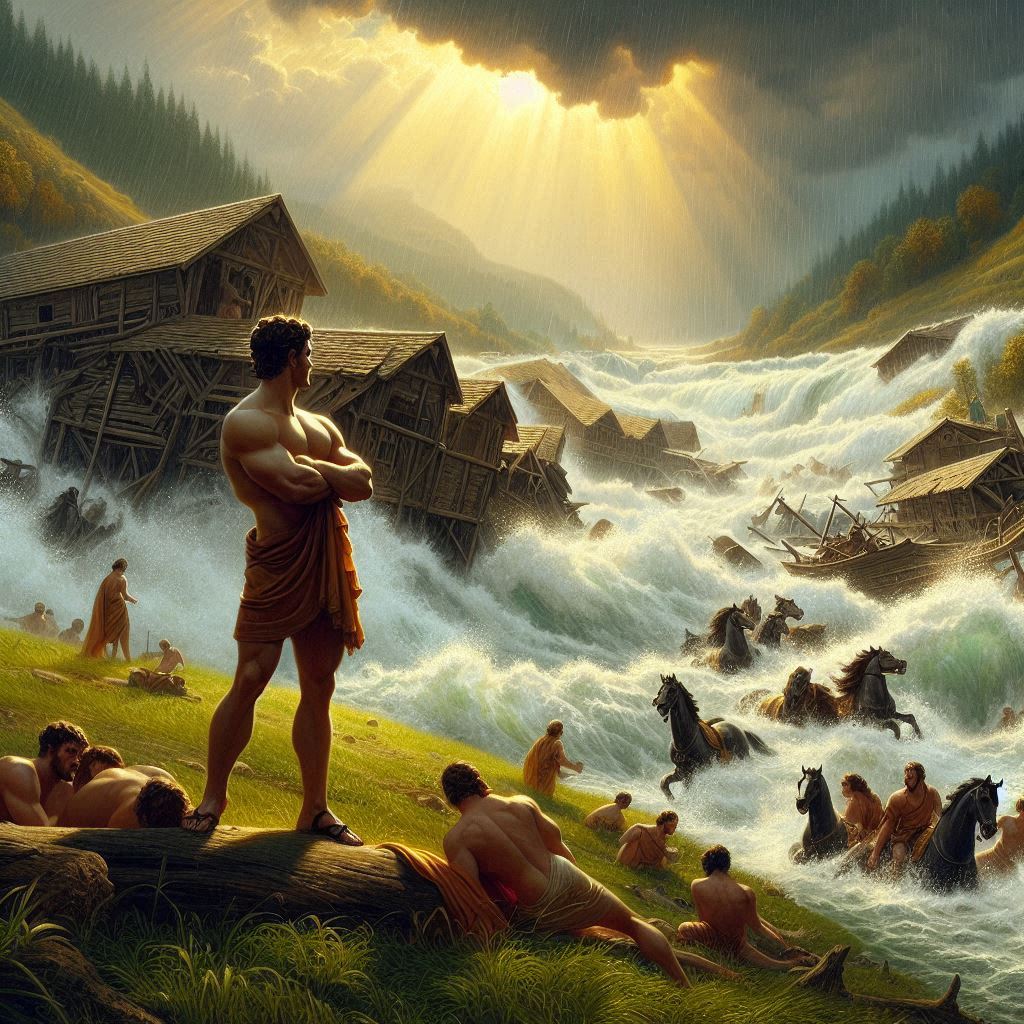
Em vez disso, ele arrancou um rio de seu leito a montante
e soltou as águas bravias rugindo pelo lugar
e lavou tudo, tudo,
e digo tudo mesmo –
a bosta, os cavalos,
os estábulos, e também os nobres,
que estavam lá, parados, prontos para fodê-Lo,
Hércules, Domador de Rios. Conclusão:
Condições revoltantes exigem soluções revolucionárias.

Trad.: Nelson Santander

Marxist Analysis of the Fifth Labor of Hercules

The Augean stables were so full of horseshit
that the Augean nobles came to laugh at Hercules
when he was told to muck them out by hand.
They hoped to see him filthy on his knees,
all asshole and elbows going fast for years.
Instead he wrenched a river from its bed upstream
and set wild water roaring through the place
and washed it all away, all
the horseshit, and I mean all
the horseshit – the horseshit, the horses,
the stables, and the nobles too,
standing around ready to bugger Him,
Hercules, Wrestler of Rivers. Conclusion:
Revolting conditions elicit revolutionary solutions.

Carol Ann Duffy – Aliança

Quando a retirei de seu dedo
e a coloquei no meu,
casei-me com sua ausência;
os anos entre sua partida e a minha.
O pequeno o no amor e na dor.

Trad.: Nelson Santander

Wedding Ring

When I eased it from her finger
and onto my own,
I married her absence;
the years between her passing and mine.
The small o in love and loss.

Anthony Abbott – Luz do entardecer

As árvores se despem devagar, do alto.
Braços nus se arqueiam bronzeados contra o céu. É
o por do sol. Saias alaranjadas giram na terrível luz
que morre. O chão está coberto de ouro.

Capturo a cena com o obturador do olhar —
capturo, prendo, marco — este azul, estes vermelhos
e os verdes que resistem — ferrugens no chão.
Curvo-me, recolho e detenho uma folha seca.

Ela se esfarela na mão, e vejo uma imagem
do jornal matinal ganhar voz como se viva.
Cinco crianças turcas mortas em um terremoto
jazem no chão, como se dormissem.

A mãe grita sobre delas, a boca dilacerada de horror,
enquanto no Kentucky e Ohio outras mães choram
em lenços limpos e brancos, enquanto o Toque do Silêncio
toca e bandeiras são postas em seus colos vazios.

Chapéus não bastam. Nunca é a hora certa.
A beleza está sempre quase partindo. Este vestido,
esta inclinação de cabeça, este toque, este cacho de cabelo,
esta barba grisalha, aquele olhar sobre o ombro.

Somos levados tão de repente que a respiração se vai
num branco espanto. Se eu soubesse não é
o bastante. Diga agora. Diga agora. Diga agora.
Antes que o obturador clique mais uma vez e se feche.

Trad.: Nelson Santander

Evening Light

The trees undress slowly from the top.
Bare arms arc brownly into the sky. It is
sunset. Orange skirts swirl in an awful
dying light. The ground is littered gold.

I stop the scene with the shutter of my eye—
stop and hold and mark—this blue, these reds
and holding greens—those rusts upon the ground.
I stoop and pick and hold this one dry leaf.

It crumbles in my hand, and I see a picture
from the morning paper speak as if alive.
Five Turkish children killed by earthquake
lie upon the ground, seemingly asleep.

The mother screams above, mouth horror ravaged,
while in Kentucky and Ohio other mothers weep
into clean white handkerchiefs as taps are played
and flags are placed into their hollow laps.

Hats do not suffice. The time is never right.
Beauty is always almost gone. This dress, this
cock of the head, this touch, this curl of hair,
this graying beard, that look over the shoulder.

We are taken so suddenly, the breath goes
in white astonishment. If I had known is not
enough. Say it now. Say it now. Say it now.
Before the shutter clicks once more and closes.

Sharon Olds – A linha

Quando compreendemos que poderia ser câncer,
deitei-me ao seu lado durante a noite,
a palma da mão repousada no sulco do seu peito,
a nervura de uma folha. Não havia possibilidade
de fazer amor: no fundo do meu corpo, aquele
pequeno nódulo duro. À meia-luz da minha meia-vida,
minha mão na bela
fissura afiada do seu peito, o vale da
sombra da morte,
só existia o momento presente e, enquanto
você dormia no silêncio, eu o observei como quem observa
um recém-nascido, consciente a cada instante do
milagre, da linha que fora cruzada
para fora da escuridão.

Trad.: Nelson Santander

The Line

When we understood it might be cancer,
I lay down beside you in the night,
my palm resting in the groove of your chest,
the rachis of a leaf. There was no question of
making love: deep inside my body that
small hard lump. In the half-light of my half-life,
my hand in the beautiful
sharp cleft of your chest, the valley of the
shadow of death,
there was only the present moment, and as
you slept in the quiet, I watched you as one watches
a newborn child, aware each moment of the
miracle, the line that has been crossed
out of the darkness.

Billy Collins – Casa vazia

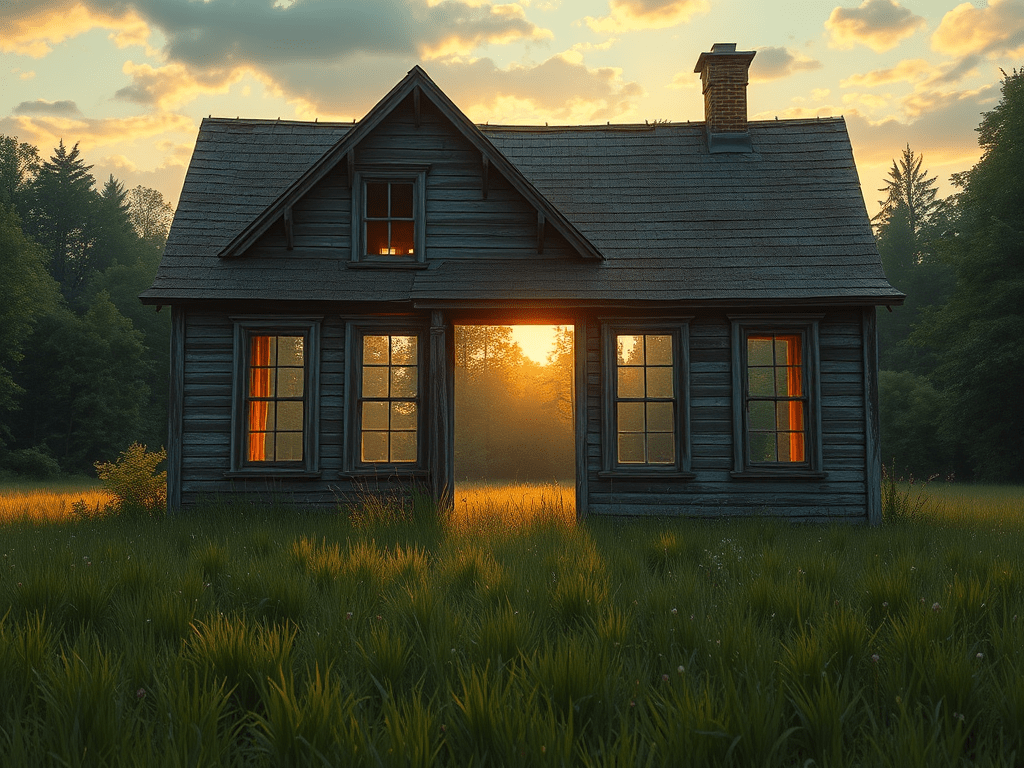
Depois que o velho morreu,
mas antes que a casa fosse ao chão,

as janelas continuaram a contemplar
o prado e o bosque além do portão.

Trad.: Nelson Santander

Empty House

After the old man died,
but before the house was torn down,

the windows continued to enjoy
a view of the meadow and the woods beyond.

W. S. Merwin – Janeiro

E assim depois de semanas de chuva
à noite as estrelas de inverno
tão mais distantes no céu
que não tivemos olhos para ver
seguem forjando na longínqua luz
os elementos pesados
que quando as estrelas se vão
voam pelo ar como pó muitas vezes
mais fino que um fio de cabelo
e se reconhecem
na escuridão viajando
em grande velocidade e tornando-se
nossos corpos no nosso tempo
olhando juntos para cima após
a chuva na noite fria

Trad.: Nelson Santander

January

So after weeks of rain
at night the winter stars
that much farther in heaven
without our having seen them
in far light are still forming
the heavy elements
that when the stars are gone
fly up as dust finer
by many times than a hair
and recognize each other
in the dark traveling
at great speed and becoming
our bodies in our time
looking up after rain
in the cold night together

Wendy Cope – 30 de dezembro

A princípio me assusto com o som de bicicletas
Sobre minha cabeça. E então os avisto: dois cisnes
Voando para sua pista de pouso atrás dos juncos.

A ponte está escorregadia, a grama tão encharcada
Que a água penetra em meus sapatos. Mas agora
O sol saiu e tudo está calmo
E belo como o final de uma ressaca.

O natal foi uma confusão
De ossos de peru e discussões abafadas.

As visitas se foram.
Caminhantes solitários sorriem e dizem uns aos outros
Que o dia está maravilhoso.

Se ao menos hoje fosse natal de novo —
Estes prados brilhantes,
O rumor de asas enormes no céu.

Trad.: Nelson Santander

30th December

At first I’m startled by the sound of bicycles
Above my head. And then I see them, two swans
Flying in to their runway behind the reeds.

The bridge is slippery, the grass so sodden
That water seeps into my shoes. But now
The sun has come out and everything is calm
And beautiful as the end of a hangover.

Christmas was a muddle
Of turkey bones and muted quarrelling.

The visitors have left.
Solitary walkers smile and tell each other
That the day is wonderful.

If only this could be Christmas now –
These shining meadows,
The hum of huge wings in the sky.

Mary Oliver – Devíamos estar preparados

O modo como as tarambolas choram adeus.
O modo como a raposa morta, com um olho aberto, segue fitando o declive.
O modo como as folhas caem – e então, a longa espera.
O modo como alguém diz que jamais devemos nos reencontrar.
O modo como o bolor macula o bolo,
O modo como o azedume toma a nata.
O modo como a água do rio passa depressa, sem jamais voltar.
O modo como os dias escorrem, sem jamais voltar.
O modo como alguém retorna – mas só num sonho.

Trad.: Nelson Santander

We should be well prepared

The way the plovers cry goodbye.
The way the dead fox keeps on looking down the hill with open eye.
The way the leaves fall, and then there’s the long wait.
The way someone says we must never meet again.
The way mold spots the cake,
The way sourness overtakes the cream.
The way the river water rushes by, never to return.
The way the days go by, never to return.
The way somebody comes back, but only in a dream.