Contava-se que Life
Era filha de Canaã,
E chegou à planície de Kildare.
Amava as planícies e as valas
E o horizonte distante.
Pediu que dessem seu nome ao lugar.
O rio herdou o nome da terra.
A terra herdou o nome de uma mulher.
Uma mulher na porta de uma casa.
Um rio na cidade onde nasceu.
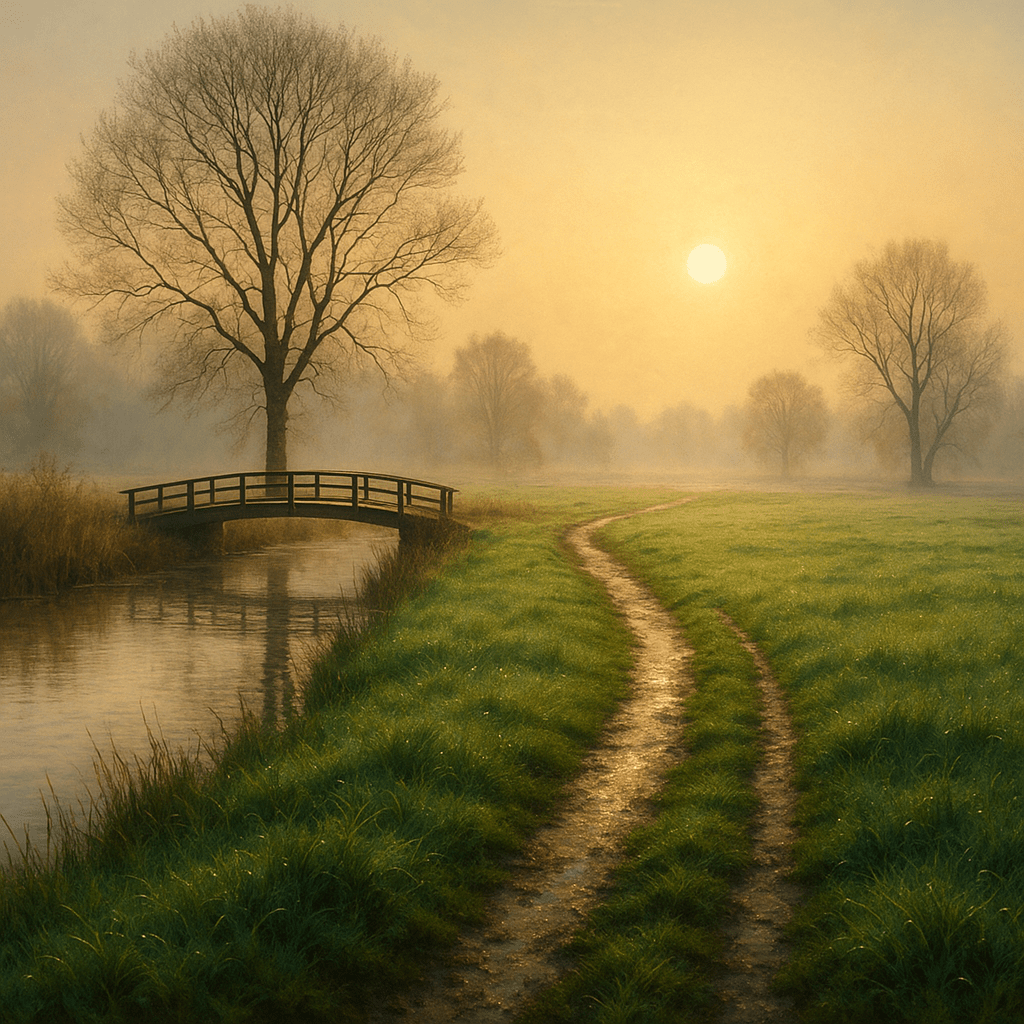
Lá, nas colinas acima da minha casa,
O rio Liffey brota, é nascente.
Surgindo entre junco e urze, na turfa
Negra e nas samambaias, ganha força
Para reivindicar a cidade que narrou.
Cisnes. Quedas abruptas. Pequenas cidades.
O ar manchado e as pontes de Dublin.
O crepúsculo se aproxima.
A chuva avança do leste, vinda das colinas.
Se eu pudesse me ver,
Veria
Uma mulher na soleira,
Vestindo as cores que combinam com cabelos ruivos.
Embora meus cabelos já não sejam ruivos.
Eu louvo
As dádivas do rio.
Seu brilho errante
Seu recontar cintilante da cidade,
Sua claridade ao fluir,
Na companhia de flores rasteiras e garças,
Contornando uma curva em Islandbridge
E passando sob treze pontes até o mar.
Sua paciência ao crepúsculo –
Cisnes aninhando-se em suas margens,
Neon tremeluzindo em suas águas.
Forjador de
Lugares, memórias,
Narre para mim tais fragmentos:
Um corpo. Um espírito.
Um lugar. Um nome.
A cidade onde nasci.
O rio que a atravessa.
A nação que me escapa.
Frações de uma vida
Que levei uma vida inteira
Para reivindicar.
Cheguei aqui em um inverno frio.
Não tinha filhos. Nem país.
Eu não sabia o nome da minha própria vida.
Meu país me tomou.
Meus filhos nasceram.
Saí em um crepúsculo de verão
Para chamá-los.
Um nome. Depois o outro.
As belas vogais soando como lar.
Faça de uma nação o que quiser
Faça do passado
O que puder –
Agora há
Uma mulher na soleira.
Foi preciso
Todas as minhas forças para chegar aqui.
Tornar-me uma personagem em um poema.
Usurpar um nome e um tema.
Um rio não é uma mulher.
Embora os nomes que encontra,
A história que faz
E que sofre –
as lâminas vikings1 em suas margens,
Os mosquetes dos Casacos Vermelhos2,
As chamas das Four Courts3
Ardendo sobre ele –
Sejam um sinal.
Assim como
Uma mulher não é um rio,
Embora o curso que toma,
Entre cisnes cortejando-se e salgueiros desolados,
Sua paciência,
Que é também sua impotência,
De Callary a Isladbridge,
Da nascente à foz,
Seja outro.
E em meus quarenta e poucos anos
Já sem crer
Que o amor irá curar
O que a linguagem falha em conhecer
E precisa dizer –
O que o corpo significa –
Eu tomo este sinal
E faço esta marca:
Uma mulher na soleira de sua casa.
Um rio na cidade em que ela nasceu.
A verdade de uma vida sofrida.
A foz dela.
As aves marinhas chegam da costa.
Dizem na cidade que elas trazem chuva.
Eu as observo da soleira.
Vejo nelas argumentos de origem –
Deixam uma força severa no horizonte
Apenas para encontrá-la
Inclinando-se e caindo em outro lugar.
Qual das águas –
A que deixam ou a que anunciam –
Lembra a outra?
Estou certa
De que o corpo de uma mulher que envelhece
É uma memória
E encontrar-lhe uma linguagem
É tão árduo
Quanto chorar e exigir
Que essas aves protestem como se pudessem
Reconhecer seu elemento
Relembrado e reduzido a
Uma única lágrima.
Uma mulher que envelhece
Não encontra refúgio na linguagem.
Em vez disso, descobre
Que palavras que um dia amou,
Como ‘verão’ e ‘amarelo’
E ‘sexual’ e ‘pronta’
Subitamente se tornaram moradas
Para outra pessoa –
Quartos e um teto sob o qual outro
É bem-vindo, não ela. Diga-me,
Anna Liffey,
Espírito da água,
Espírito do lugar,
O que resta nesta
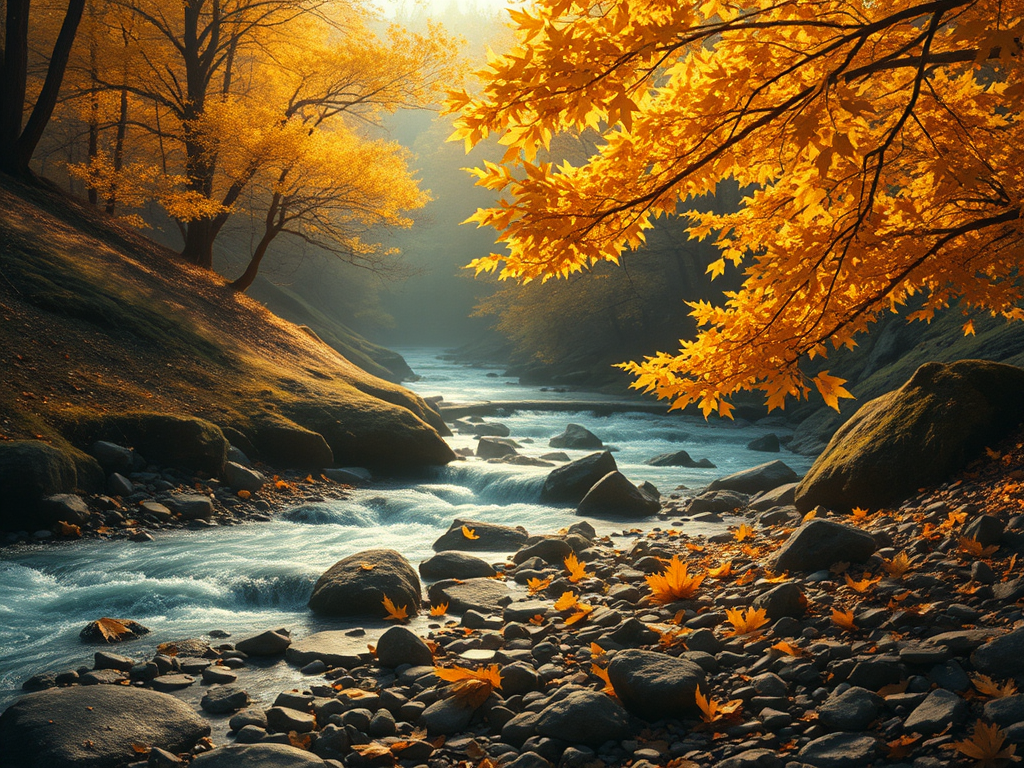
Noite chuvosa de outono,
Enquanto o mar irlandês recolhe
Os nomes que você criou, os nomes
Que você concedeu, e lhe devolve
Apenas a ausência de palavras?
A chuva de outono
Se espalha e goteja
Dos toldos
E das sebes podadas.
As calhas estão cheias.
Quando aqui cheguei
Não tinha
Filhos nem país.
As árvores eram braços.
As colinas eram sonhos.
Eu era livre
Para imaginar um espírito
Nos azuis e verdes,
Nas colinas e neblinas
De uma pequena cidade.
Meus filhos nasceram.
Meu país me tomou.
Uma visão em uma casa de tijolos.
É só o amor
Que faz um lugar?
Sinto-o mudar.
Meus filhos estão
Crescendo, envelhecendo.
Meu país se agarra
À sua própria dor.
Apago
A luz amarela e dura
Da varanda e
Permaneço no corredor.
Onde está meu lar agora?
Siga a chuva
Até as colinas de Dublin.
Deixe-a tornar-se o rio.
Deixe que o espírito do lugar se torne
De novo uma alma errante.
No final,
Não importará
Que eu tenha sido mulher. Estou certa disso.
O corpo é uma nascente. Nada mais.
Há um tempo para ele. Há uma certeza
No modo como busca sua própria dissolução.
Considere os rios.
Eles estão sempre a caminho
De seu próprio nada. Desde o primeiro instante,
Estão indo para casa. E assim,
Quando a linguagem não consegue fazer isso por nós,
Não pode nos fazer saber que o amor não nos diminuirá,
Há essas frases
Do oceano
Para nos consolar.
Particulares e destemidas em sua plenitude.
No final,
Tudo o que me sobrecarregou e me distinguiu
Se perderá nisto:
Eu fui uma voz.
Trad.: Nelson Santander
Mais do que uma leitura, uma experiência. Clique, compre e contribua para manter a poesia viva em nosso blog
Anna Liffey
Life, the story goes,
Was the daughter of Canaan,
And came to the plain of Kildare.
She loved the flat-lands and the ditches
And the unreachable horizon.
She asked that it be named for her.
The river took its name from the land.
The land took its name from a woman.
A woman in the doorway of a house.
A river in the city of her birth.
There, in the hills above my house,
The river Liffey rises, is a source.
It rises in rush and ling heather and
Black peat and bracken and strengthens
To claim the city it narrated.
Swans. Steep falls. Small towns.
The smudged air and bridges of Dublin.
Dusk is coming.
Rain is moving east from the hills.
If I could see myself
I would see
A woman in a doorway
Wearing the colours that go with red hair.
Although my hair is no longer red.
I praise
The gifts of the river.
Its shiftless and glittering
Re-telling of a city,
Its clarity as it flows,
In the company of runt flowers and herons,
Around a bend at Islandbridge
And under thirteen bridges to the sea.
Its patience at twilight –
Swans nesting by it,
Neon wincing into it.
Maker of
Places, remembrances,
Narrate such fragments for me:
One body. One spirit.
One place. One name.
The city where I was born.
The river that runs through it.
The nation which eludes me.
Fractions of a life
It has taken me a lifetime
To claim.
I came here in a cold winter.
I had no children. No country.
I did not know the name for my own life.
My country took hold of me.
My children were born.
I walked out in a summer dusk
To call them in.
One name. Then the other one.
The beautiful vowels sounding out home.
One name. Then the other one.
The beautiful vowels sounding out home.
Make of a nation what you will
Make of the past
What you can –
There is now
A woman in a doorway.
It has taken me
All my strength to do this.
Becoming a figure in a poem.
Usurping a name and a theme.
A river is not a woman.
Although the names it finds,
The history it makes
And suffers –
The Viking blades beside it,
The muskets of the Redcoats,
The flames of the Four Courts
Blazing into it
Are a sign.
Any more than
A woman is a river,
Although the course it takes,
Through swans courting and distraught willows,
Its patience
Which is also its powerlessness,
From Callary to Isladbridge,
And from source to mouth,
Is another one.
And in my late forties
Past believing
Love will heal
What language fails to know
And needs to say –
What the body means –
I take this sign
And I make this mark:
A woman in the doorway of her house.
A river in the city of her birth.
The truth of a suffered life.
The mouth of it.
The seabirds come in from the coast.
The city wisdom is they bring rain.
I watch them from my doorway.
I see them as arguments of origin –
Leaving a harsh force on the horizon
Only to find it
Slanting and falling elsewhere.
Which water –
The one they leave or the one they pronounce –
Remembers the other?
I am sure
The body of an ageing woman
Is a memory
And to find a language for it
Is as hard
As weeping and requiring
These birds to cry out as if they could
Recognise their element
Remembered and diminished in
A single tear.
An ageing woman
Finds no shelter in language.
She finds instead
Single words she once loved
Such as ‘summer’ and ‘yellow’
And ‘sexual’ and ‘ready’
Have suddenly become dwellings
For someone else –
Rooms and a roof under which someone else
Is welcome, not her. Tell me,
Anna Liffey,
Spirit of water,
Spirit of place,
How is it on this
Rainy autumn night
As the Irish sea takes
The names you made, the names
You bestowed, and gives you back
Only wordlessness?
Autumn rain is
Scattering and dripping
From car-ports
And clipped hedges.
The gutters are full.
When I came here
I had neither
Children nor country.
The trees were arms.
The hills were dreams.
I was free
To imagine a spirit
In the blues and greens,
The hills and fogs
Of a small city.
My children were born.
My country took hold of me.
A vision in a brick house.
Is it only love
That makes a place?
I feel it change.
My children are
Growing up, getting older.
My country holds on
To its own pain.
I turn off
The harsh yellow
Porch light and
Stand in the hall.
Where is home now?
Follow the rain
Out to the Dublin hills.
Let it become the river.
Let the spirit of place be
A lost soul again.
In the end
It will not matter
That I was a woman. I am sure of it.
The body is a source. Nothing more.
There is a time for it. There is a certainty
About the way it seeks its own dissolution.
Consider rivers.
They are always en route to
Their own nothingness. From the first moment
They are going home. And so
When language cannot do it for us,
Cannot make us know love will not diminish us,
There are these phrases
Of the ocean
To console us.
Particular and unafraid of their completion.
In the end
Everything that burdened and distinguished me
Will be lost in this:
I was a voice.