Robinson Jeffers – The Inhumanist (Parte II de “The Double Axe”) (excerto)

Chegará um tempo, sem dúvida,
Em que também o sol morrerá; os planetas congelarão
e o ar sobre eles; gases congelados, com flocos de ar
Serão a poeira: que nenhum vento jamais bulirá:
essa poeira mesma a cintilar à luz baixa dos astros
É o vento morto, o corpo branco do vento.

Também a galáxia morrerá; o brilho da Via Láctea,
nosso universo, todos os astros que têm nomes estão mortos.
Vasta é a noite. Cresceste tanto, querida noite,
andando por teus salões vazios, tão alta!

REPUBLICAÇÃO: poema originalmente publicado na página em 18/02/2016

Robinson Jeffers – Ondas de novembro

Em um dia afortunado de novembro, grandes ondas despertam e são atraídas
Como montanhas esfumaçadas e brilhantes no oeste,
E vêm cobrir as falésias com uma purificação branca e violenta: então, subitamente,
O velho granito esquece meio ano de imundície:
Cascas de laranja, cascas de ovos, papéis, peças de roupas, grumos
De esterco nas quinas das rochas, e os preservativos
Usados que tornam seguro o amor ligeiro nas noites: todos os dejetos dos vadios
Do verão lavados em um êxtase de inverno:
Acho que este continente superlotado inveja suas falésias nessa época… Mas em todas as estações,
A Terra, em seu sono profético e infantil,
Segue sonhando com o banho de uma tempestade que se prepara ao longo da costa
Do futuro para varrer mais do que suas linhas marítimas:
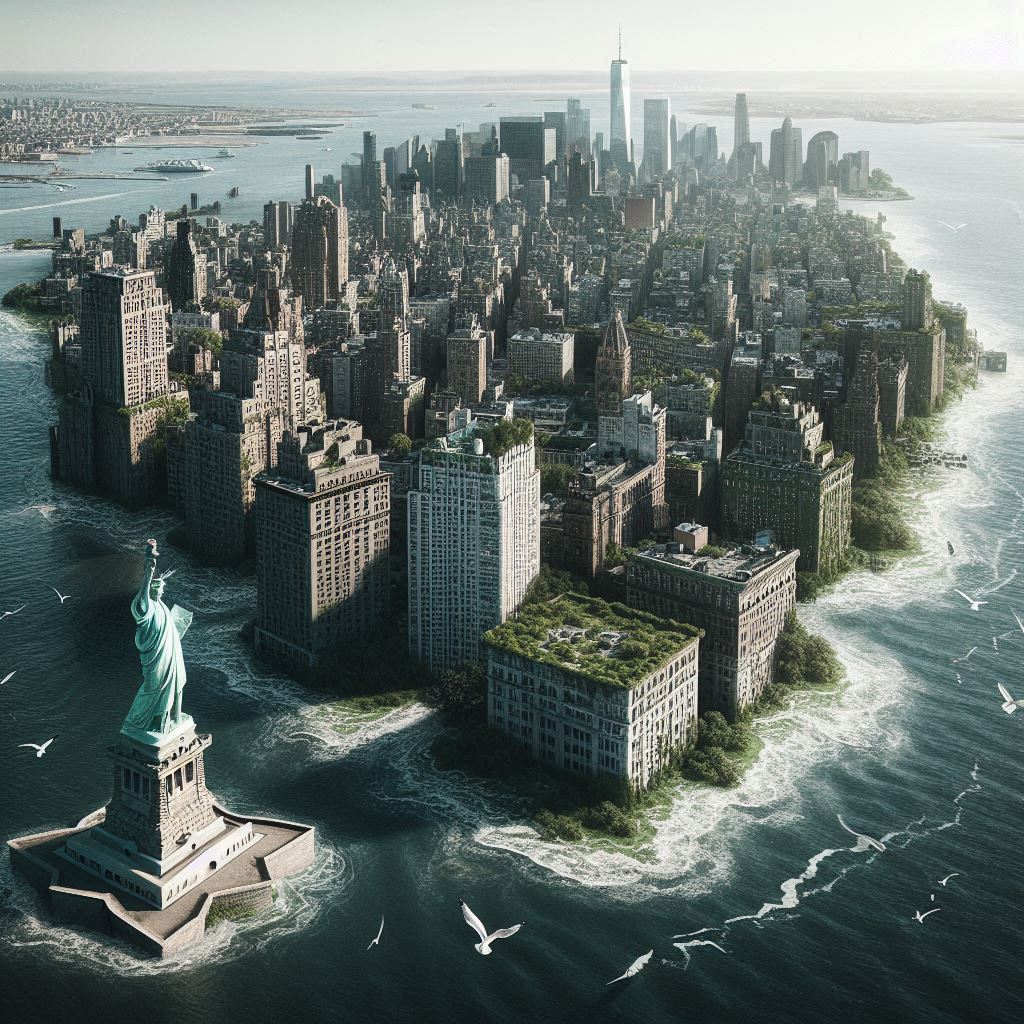
As cidades submersas, as pessoas escassas e os falcões mais numerosos,
Os rios puros, da foz à nascente; quando o mamífero
Bípede, sendo de certa forma um dos animais mais nobres, recupera
A dignidade do espaço, o valor da raridade.

Trad.: Nelson Santander

Mais do que uma leitura, uma experiência. Clique, compre e contribua para manter a poesia viva em nosso blog

November Surf

Some lucky day each November great waves awake and are drawn
Like smoking mountains bright from the west
And come and cover the cliff with white violent cleanness: then
suddenly
The old granite forgets half a year’s filth:
The orange-peel, eggshells, papers, pieces of clothing, the clots
Of dung in corners of the rock, and used
Sheaths that make light love safe in the evenings: all the droppings of
the summer
Idlers washed off in a winter ecstasy:
I think this cumbered continent envies its cliff then… But all seasons
The earth, in her childlike prophetic sleep,
Keeps dreaming of the bath of a storm that prepares up the long coast
Of the future to scour more than her sea-lines:
The cities gone down, the people fewer and the hawks more numerous,
The rivers mouth to source pure; when the two-footed
Mammal, being someways one of the nobler animals, regains
The dignity of room, the value of rareness.

Robinson Jeffers – Falcões feridos

Falcões Feridos

I

A coluna partida da asa se projeta da espádua coagulada,
A asa arrasta-se como um estandarte na derrota,
Não mais para usar o céu, apenas para viver com fome
E dor por uns poucos dias: nem gato nem coiote
Abreviarão a semana de espera pela morte: há caça sem garras.
Ele posta-se sob o carvalho e espera
Os pés capengas da salvação; à noite, lembra-se da liberdade
E voa em sonho – que a aurora arruína.
Ele é forte e a dor e a impotência são piores para os fortes.
Os vira-latas do dia vêm e o atormentam
À distância; ninguém senão a morte redentora humilhará aquela cabeça,
A prontidão intrépida, os olhos terríveis.
O Deus selvagem do mundo às vezes é clemente com os
Que pedem clemência – raramente com os arrogantes.
Vocês não O conhecem, povo comunal, ou já se esqueceram Dele;
Intemperante e feroz, o falcão se lembra;
Belos e selvagens, os falcões – e os moribundos – se lembram.

II

Não fosse a punição, eu preferiria matar um homem a um falcão; mas o grande cauda-vermelha
Nada mais tinha além da miséria incapacitante
De ossos estilhaçados para além da cura, a asa que se arrastava sob suas garras
Quando ele se movia.
Nós o alimentamos por seis semanas, eu lhe dei liberdade,
Ele vagueou sobre o promontório da colina e voltou ao entardecer, pedindo a morte,
Não como um mendigo – nos olhos ainda a velha
E implacável arrogância. Ao crepúsculo, dei-lhe a dádiva de chumbo almejada. O que caiu estava relaxado,
Macio como pluma de coruja, suaves penas femininas. Mas o que

Alçou voo: a investida feroz: as garças-reais junto ao rio alagado gritaram de medo ao vê-lo erguer-se
Antes mesmo de estar completamente desembainhado da realidade.

Trad.: Nelson Santander

REPUBLICAÇÃO: poema originalmente publicado na página em 08/06/2020

Hurt Hawks

I

The broken pillar of the wing jags from the clotted shoulder,
The wing trails like a banner in defeat,
No more to use the sky forever but live with famine
And pain a few days: cat nor coyote
Will shorten the week of waiting for death, there is game without talons.
He stands under the oak-bush and waits
The lame feet of salvation; at night he remembers freedom
And flies in a dream, the dawns ruin it.
He is strong and pain is worse to the strong, incapacity is worse.
The curs of the day come and torment him
At distance, no one but death the redeemer will humble that head,
The intrepid readiness, the terrible eyes.
The wild God of the world is sometimes merciful to those
That ask mercy, not often to the arrogant.
You do not know him, you communal people, or you have forgotten him;
Intemperate and savage, the hawk remembers him;
Beautiful and wild, the hawks, and men that are dying, remember him.

II

I’d sooner, except the penalties, kill a man than a hawk; but the great redtail
Had nothing left but unable misery
From the bones too shattered for mending, the wing that trailed under his talons when he moved.
We had fed him six weeks, I gave him freedom,
He wandered over the foreland hill and returned in the evening, asking for death,
Not like a beggar, still eyed with the old
Implacable arrogance. I gave him the lead gift in the twilight. What fell was relaxed,
Owl-downy, soft feminine feathers; but what
Soared: the fierce rush: the night-herons by the flooded river cried fear at its rising
Before it was quite unsheathed from reality.

Robinson Jeffers – Oh, adorável rocha

Passamos a noite no inexplorado desfiladeiro do Ventana Creek, no braço leste.
Os paredões rochosos e os cumes das montanhas se estendiam em camadas de florestas acima de nós, bordo e sequoia,
Loureiro, carvalho, madrona, até os altos e esbeltos abetos de Santa Lucian que contemplam as cataratas
De rochas escorregadias até os precipícios da cor das estrelas.

Deitamo-nos sobre o cascalho e mantivemos uma pequena fogueira para nos aquecer.
Após a meia-noite, apenas dois ou três carvões reluziam vermelhos na escuridão que arrefecia; coloquei um punhado de folhas secas de louro
Nas extremidades das brasas e as cobri com gravetos ressequidos antes de me deitar novamente. A chama revigorada
Iluminou a face adormecida do meu filho e do seu amigo, assim como a face vertical do paredão do desfiladeiro
Do outro lado do riacho. Folhas leves flutuavam e dançavam ao sopro da fogueira, troncos de árvores eram visíveis: era o paredão rochoso
Que fascinava meus olhos e minha mente. Nada estranho: diorito cinza-claro com duas ou três fissuras oblíquas,
Suavemente polido pelo incessante atrito de deslizamentos e inundações; sem samambaias nem líquens, apenas rocha nua... com se eu estivesse
Vendo uma rocha pela primeira vez. Como se eu estivesse enxergando além da superfície iluminada pelas chamas a rocha real, corpórea
E viva. Nada estranho... Não posso
Dizer o quão estranho: a paixão silenciosa, a profunda nobreza e a beleza infantil: este destino se desdobrando
Além dos nossos próprios destinos. Está aqui na montanha como uma criança sorridente e grave. Eu morrerei, e meus filhos
Viverão e morrerão, nosso mundo continuará com suas rápidas agonias de mudança e descoberta; esta era morrerá,
E lobos uivarão na neve ao redor de uma nova Belém: esta rocha estará aqui, grave, sincera, não passiva: as energias
Que são seus átomos ainda sustentarão toda a montanha acima: e eu, muitos séculos atrás,
Terei sentido a intensa realidade desta rocha solitária, com amor e admiração.

Trad.: Nelson Santander

Oh Lovely Rock

We stayed the night in the pathless gorge of Ventana Creek, up the east fork.
The rock walls and the mountain ridges hung forest on forest above our heads, maple and redwood,
Laurel, oak, madrone, up to the high and slender Santa Lucian firs that stare up the cataracts
Of slide—rock to the star—color precipices.

We lay on gravel and kept a little camp—fire for warmth.
Past midnight only two or three coals glowed red in the cooling darkness; I laid a clutch of dead bay—leaves
On the ember ends and felted dry sticks across them and lay down again. The revived flame
Lighted my sleeping son’s face and his companion’s, and the vertical face of the great gorge-wall
Across the stream. Light leaves overhead danced in the fire’s breath, tree-trunks were seen: it was the rock wall
That fascinated my eyes and mind. Nothing strange: light—gray diorite with two or three slanting seams in it,
Smooth—polished by the endless attrition of slides and floods; no fern nor lichen, pure naked rock... as if I were
Seeing rock for the first time. As if I were seeing through the flame-lit surface into the real and bodily
And living rock. Nothing strange... I cannot
Tell you how strange: the silent passion, the deep nobility and childlike loveliness: this fate going on
Outside our fates. It is here in the mountain like a grave smiling child. I shall die, and my boys
Will live and die, our world will go on through its rapid agonies of change and discovery; this age will die,
And wolves have howled in the snow around a new Bethlehem: this rock will be here, grave, earnest, not passive: the energies
That are its atoms will still be bearing the whole mountain above: and I, many packed centuries ago,
Felt its intense reality with love and wonder, this lonely rock.

Robinson Jeffers – Regresso

Um pouco abstratos e um pouco sábios demais,
É tempo de beijarmos a terra novamente,
É tempo de deixar que as folhas chovam dos céus,
Deixar que a rica vida corra para as raízes novamente.
Eu irei para os Sur Rivers feiticeiros,
E neles mergulharei meus braços até o peito.
Encontrarei minha contabilidade onde treme a folha dos amieiros
Com o vento oceânico sobre os seixos do leito
do rio. Eu tocarei as coisas e não mais as reflexões,
Que se reproduzem como silenciosas efêmeras escurecendo o ar,
As nuvens de insetos que cegam nossos apaixonados falcões
Para que eles não possam atacar, e dificilmente voar.
Coisas são o alimento do falcão e nobre é a montanha, Oh elevado
Pico Blanco, íngreme onda do mar em mármore entalhado.

Trad.: Nelson Santander

Return

A little too abstract, a little too wise,
It is time for us to kiss the earth again,
It is time to let the leaves rain from the skies,
Let the rich life run to the roots again.
I will go to the lovely Sur Rivers
And dip my arms in them up to the shoulders.
I will find my accounting where the alder leaf quivers
In the ocean wind over the river boulders.
I will touch things and things and no more thoughts,
That breed like mouthless May-flies darkening the sky,
The insect clouds that blind our passionate hawks
So that they cannot strike, hardly can fly.
Things are the hawk’s food and noble is the mountain, Oh noble
Pico Blanco, steep sea-wave of marble.

Robinson Jeffers – Cremação

​Isto quase anula meu medo de morrer, meu amor falou,
Quando eu penso em cremação. Apodrecer na terra
É um fim abominável, mas arder em chamas — além disso, estou habituada,
Eu ardi com amor ou fúria tanto em minha vida,
Não à toa meu corpo está cansado, não à toa está morrendo.
Nós fomos felizes com meu corpo. Espalhe as cinzas.

Trad.: André Caramuru

REPUBLICAÇÃO: poema publicado originalmente no blog em 07/08/2016

Cremation

It nearly cancels my fear of death, my dearest said,
When I think of cremation.  To rot in the earth
Is a loathsome end, but to roar up in flame – besides, I
 am used to it,
I have flamed with love or fury so often in my life,
No wonder my body is tired, no wonder it is dying.
We had a great joy of my body.  Scatter the ashes.

Robinson Jeffers – Pecado original

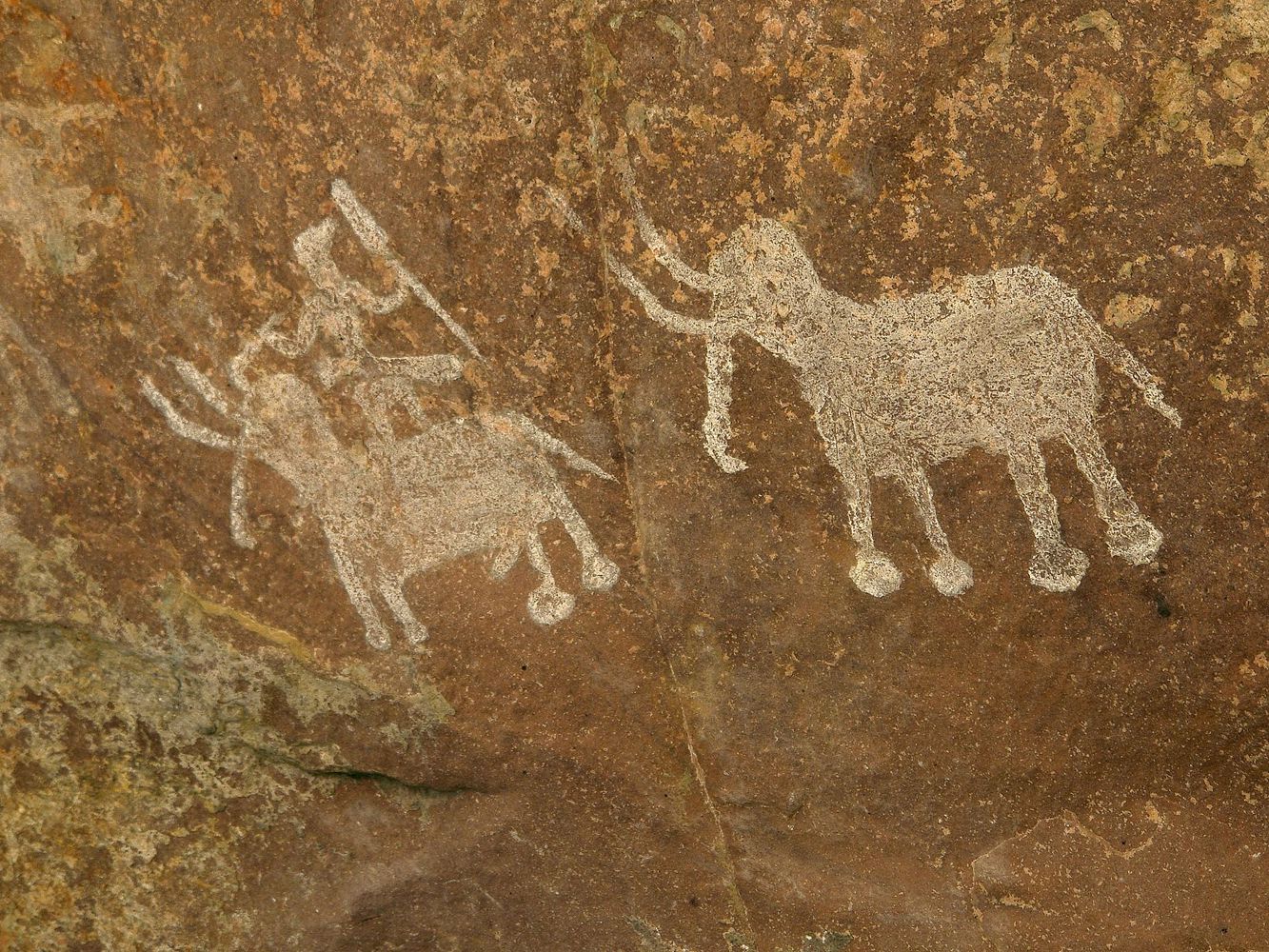
O símio-terrestre com seu cérebro e mãos de homem, fisicamente
O mais repulsivo de todos os animais de sangue quente
Da terra até então: eles cavaram uma armadilha
E capturaram um mamute, mas como poderiam seus paus e pedras
Atingir a vida naquela tocaia? Eles dançaram ao redor do poço, guinchando
Com excitação de macaco, arremessando pedras afiadas em vão, e o fedor de seus corpos
Maculava o ar branco da aurora; mas logo um deles
Se lembrou do dançarino amarelo, o fogo come-lenha
Que guarda a entrada da caverna: ele correu até lá e o trouxe, e os outros
Juntaram gravetos nos limites da floresta; eles fizeram uma fogueira
E a empurraram para dentro do poço, e eles a alimentaram, aumentando-a, ao redor dos lados atolados
De sua enorme presa. Eles observaram a longa tromba peluda
Oscilar sobre a ressoante e sufocante dor,
E ficaram felizes.

Enquanto isso, a intensa cor e nobreza da aurora,
Rosa e dourado e âmbar, jorravam céu acima. Rochas úmidas brilhavam, um vento ligeiro
Balançava as folhas da floresta e as íris selvagens do pântano; o vale aprazível entre as colinas baixas
Tornava-se tão belo quanto o céu; ao passo que, no meio disso tudo, hora após hora, os felizes caçadores
Assavam sua carne viva lentamente até a morte.

Estas são as pessoas.
Este é o alvorecer da humanidade. Quanto a mim, eu preferia

Ser um verme em uma maçã silvestre do que um filho do homem.
Mas nós somos o que somos, e devemos nos lembrar de
Não odiar ninguém, pois todos são perversos;
E não nos surpreender com nenhum mal, tudo é merecido;
E não temer a morte; ela é a única forma de sermos purificados.

Trad.: Nelson Santander

Original Sin

The man-brained and man-handed ground-ape, physically
The most repulsive of all hot-blooded animals
Up to that time of the world: they had dug a pitfall
And caught a mammoth, but how could their sticks and stones
Reach the life in that hide? They danced around the pit, shrieking
With ape excitement, flinging sharp flints in vain, and the stench of their bodies
Stained the white air of dawn; but presently one of them
Remembered the yellow dancer, wood-eating fire
That guards the cave-mouth: he ran and fetched him, and others
Gathered sticks at the wood’s edge; they made a blaze
And pushed it into the pit, and they fed it high, around the mired sides
Of their huge prey. They watched the long hairy trunk
Waver over the stifle trumpeting pain,
And they were happy.

Meanwhile the intense color and nobility of sunrise,
Rose and gold and amber, flowed up the sky. Wet rocks were shining, a little wind
Stirred the leaves of the forest and the marsh flag-flowers; the soft valley between the low hills
Became as beautiful as the sky; while in its midst, hour after hour, the happy hunters
Roasted their living meat slowly to death.

These are the people.
This is the human dawn. As for me, I would rather

Be a worm in a wild apple than a son of man.
But we are what we are, and we might remember
Not to hate any person, for all are vicious;
And not be astonished at any evil, all are deserved;
And not fear death; it is the only way to be cleansed.

Robinson Jeffers – Carmel Point

A extraordinária paciência das coisas!
Este belo lugar desfigurado por uma safra de casas suburbanas —
Quão belo quando o vimos pela primeira vez,
Um campo intacto de papoulas e tremoceiros cercado por límpidas falésias;
Nenhuma intrusão, salvo dois ou três cavalos pastando,
Ou algumas vacas leiteiras esfregando seus flancos nos afloramentos rochosos —
Então chega o espoliador: elas se importam?
Francamente, não, pois têm todo o tempo. Elas sabem que as pessoas são como uma maré
Que sobe e com o tempo reflui, e que todas as
Suas obras se dissolvem. Enquanto isso, a imagem da beleza intocada
Vive no próprio grão do granito.
Segura como o mar sem fim que escala nossas falésias. — Quanto a nós:
Devemos des-centralizar nossas mentes de nós mesmos;
Devemos des-humanizar um pouco nossos pontos de vista, e tornarmo-nos confiantes
Como a rocha e o oceano dos quais fomos feitos.

Trad.: Nelson Santander

Carmel Point

The extraordinary patience of things!
This beautiful place defaced with a crop of suburban houses —
How beautiful when we first beheld it,
Unbroken field of poppy and lupin walled with clean cliffs;
No intrusion but two or three horses pasturing,
Or a few milch cows rubbing their flanks on the outcrop rock-heads —
Now the spoiler has come: does it care?
Not faintly. It has all time. It knows the people are a tide
That swells and in time will ebb, and all
Their works dissolve. Meanwhile the image of the pristine beauty
Lives in the very grain of the granite.
Safe as the endless ocean that climbs our cliff. — As for us:
We must uncenter our minds from ourselves;
We must unhumanize our views a little, and become confident
As the rock and ocean that we were made from.

Robinson Jeffers – A canção da quietude

Bebe, bebe profundamente da quietude,
     E às margens do mar-imensidão
Esquece de tua aflição, amiúde,
     E de todas as misérias que virão.
Mais calmo e frio do que a neblina,
Que se desdobra e se inclina
Sobre o vale escuro, e se rebobina,
     Aprende a ser.


O Passado — foi um sonho ardente,
     Um sono bêbado cheio de lamentos.
O Futuro — Ó brilho de asas frementes
     Levadas pela van dos anos de desalentos!
Amaste o entardecer: cintilação
Da aurora; foi-se a escuridão: —
Quais perigos te motivam,
     Quais sonhos são mais violentos?


Cinza, entretanto, ainda está o oriente;
     A hora, incolor; os galos, mudos até agora,
Alegra-te às vésperas do sol nascente,
     Descansa um pouco enquanto não chega a aurora:
Aqui, na floresta feiticeira,
A névoa marinha inunda a noite inteira, —
A tua solidão derradeira,
     Tua casa pelo ano afora.


Song of Quietness


Drink deep, drink deep of quietness,
     And on the margins of the sea
Remember not thine old distress
     Nor all the miseries to be.
Calmer than mists, and cold
As they, that fold on fold
Up the dim valley are rolled,
     Learn thou to be.

The Past—it was a feverish dream,
     A drunken slumber full of tears.
The Future—O what wild wings gleam,
     Wheeled in the van of desperate years!
Thou lovedst the evening: dawn
Glimmers; the night is gone:—
What dangers lure thee on,
     What dreams more fierce?

But meanwhile, now the east is gray,
     The hour is pale, the cocks yet dumb,
Be glad before the birth of day,
     Take thy brief rest ere morning come:
Here in the beautiful woods
All night the sea-mist floods,—
Thy last of solitudes,
     Thy yearlong home.

Robinson Jeffers – Falcão ferido

Falcão Ferido

I

O pilar quebrado da asa se projeta da espádua coagulada,
A asa arrasta-se como um estandarte no fracasso,
Não mais para usar o céu, apenas para viver com fome
E dor por uns poucos dias: nem gato nem coiote
Abreviarão a semana de espera pela morte: há caça sem garras.
Ele permanece sob o carvalho e espera
Os pés capengas da salvação; à noite, lembra-se da liberdade
E voa em sonho – que a aurora arruína.
Ele é forte e a dor e a impotência são piores para os fortes.
Os cães vadios do dia vêm atormentá-lo
À distância; ninguém além da morte redentora humilhará aquela cabeça,
A prontidão intrépida, os olhos terríveis.
O Deus selvagem do mundo às vezes é clemente com os
Que pedem clemência – raramente com os arrogantes.
Vocês não O conhecem, povo comunal, ou já se esqueceram Dele;
Intemperante e feroz, o falcão se lembra;
Belos e selvagens, os falcões – e os moribundos – se lembram.

II

Não fosse a punição, eu preferiria matar um homem a um falcão; mas o grande cauda-vermelha
Nada mais tinha além da miséria impotente
De ossos estilhaçados para além da cura, a asa que se arrastava sob suas garras
Quando ele se movia.
Nós o alimentamos por seis semanas, eu lhe dei liberdade,
Ele vagueou sobre o promontório da colina e voltou ao entardecer, pedindo a morte,
Não como um mendigo – nos olhos ainda a velha
E implacável arrogância. Ao crepúsculo, dei-lhe a dádiva de chumbo almejada. O que caiu estava relaxado,
Macio como coruja, suaves penas femininas. Mas o que

Alçou voo: o ímpeto feroz: as garças-reais junto ao rio alagado gritaram de medo ao vê-lo erguer-se
Antes mesmo de estar completamente desembainhado da realidade.

Trad.: Nelson Santander

Hurt Hawks

I

The broken pillar of the wing jags from the clotted shoulder,
The wing trails like a banner in defeat,
No more to use the sky forever but live with famine
And pain a few days: cat nor coyote
Will shorten the week of waiting for death, there is game without talons.
He stands under the oak-bush and waits
The lame feet of salvation; at night he remembers freedom
And flies in a dream, the dawns ruin it.
He is strong and pain is worse to the strong, incapacity is worse.
The curs of the day come and torment him
At distance, no one but death the redeemer will humble that head,
The intrepid readiness, the terrible eyes.
The wild God of the world is sometimes merciful to those
That ask mercy, not often to the arrogant.
You do not know him, you communal people, or you have forgotten him;
Intemperate and savage, the hawk remembers him;
Beautiful and wild, the hawks, and men that are dying, remember him.

II

I’d sooner, except the penalties, kill a man than a hawk; but the great redtail
Had nothing left but unable misery
From the bones too shattered for mending, the wing that trailed under his talons when he moved.
We had fed him six weeks, I gave him freedom,
He wandered over the foreland hill and returned in the evening, asking for death,
Not like a beggar, still eyed with the old
Implacable arrogance. I gave him the lead gift in the twilight. What fell was relaxed,
Owl-downy, soft feminine feathers; but what
Soared: the fierce rush: the night-herons by the flooded river cried fear at its rising
Before it was quite unsheathed from reality.