Mark Strand – Certa manhã

Carrego comigo todos os dias aquela manhã em que peguei
o barco do meu tio na enseada de águas escuras
e rumei para a Ilha Mosher.
Pequenas ondas açoitavam o casco
e o rangido oco do remo e da forqueta
se erguia até os bosques de escuros pinheiros incrustrados de líquen.
Eu me movia como uma estrela escura, à deriva sobre a metade
submersa do mundo, até que, seguindo um sinal distante,
olhei por cima da amurada e vi, abaixo da superfície,
um salão luminoso, um túmulo cheio de luz, vi pela primeira vez
o lugar claro e singular que nos é dado quando estamos sós.

Trad.: Nelson Santander

Mais do que uma leitura, uma experiência. Clique, compre e contribua para manter a poesia viva em nosso blog

A Morning

I have carried it with me each day: that morning I took
my uncle’s boat from the brown water cove
and headed for Mosher Island.
Small waves splashed against the hull
and the hollow creak of oarlock and oar
rose into the woods of black pine crusted with lichen.
I moved like a dark star, drifting over the drowned
other half of the world until, by a distant prompting,
I looked over the gunwale and saw beneath the surface
a luminous room, a light-filled grave, saw for the first time
the one clear place given to us when we are alone.

Leslie McGrath – Corpus

Se conseguires suportar assim, permanece morto
entre os mortos. Os mortos têm o que fazer.
— Rilke

Depois que lavaram meu corpo
e passaram meus braços pelas mangas
de um vestido que comprei nos anos trinta
em um mercado de Cuernavaca, entrelaçaram
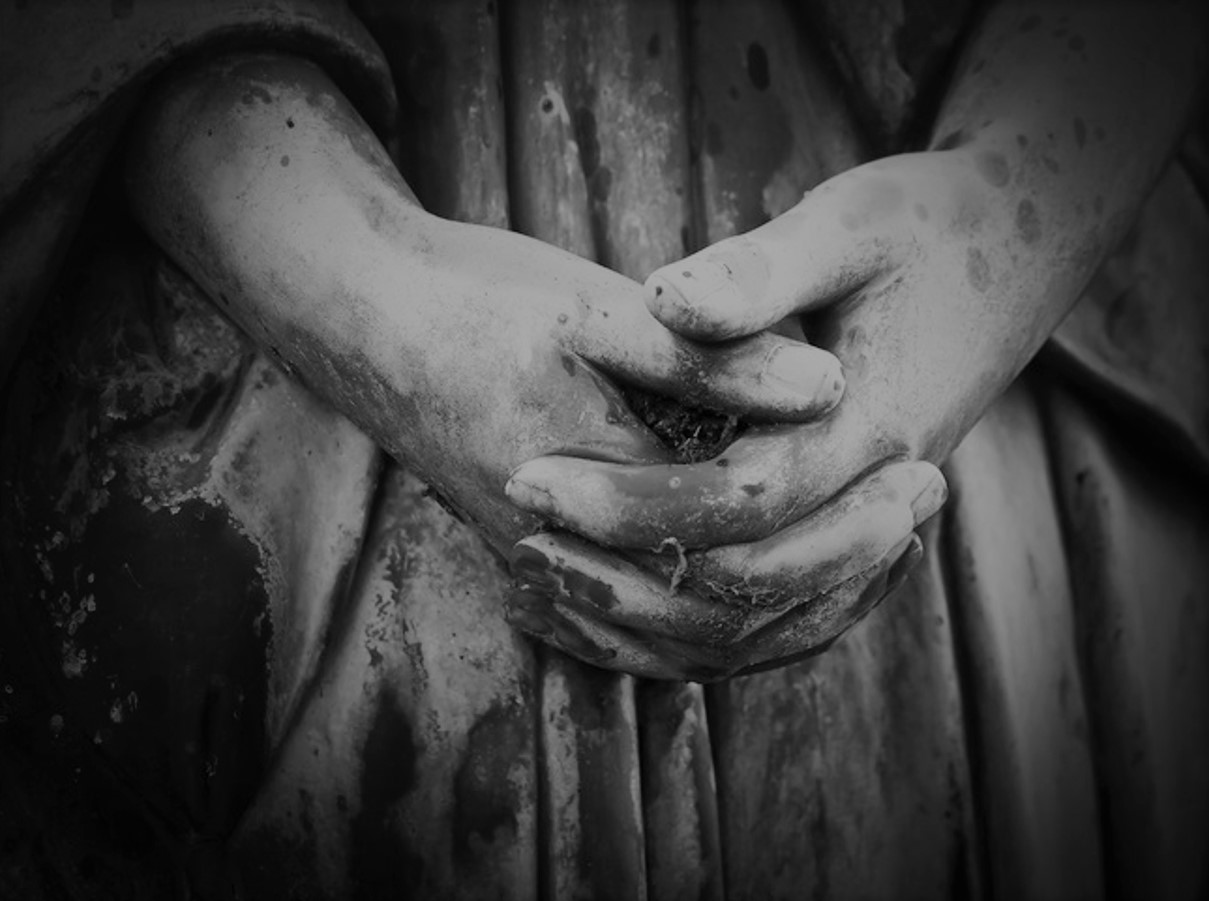
um rosário em minhas mãos cruzadas. Uma flor
de buganvília foi presa atrás da minha orelha.
Estou vestida para a igreja; estou bela
na morte. Oh, o perfume de minhas mãos
se ergue de mim como uma prece. Eu parti, mas aqui
permaneço, esperando o homem
que virá me buscar, me embrulhar e encaixotar,
para queimar o que resta. Inúteis,
essa coluna frágil, estes pés imóveis.
Inúteis, estas mãos cruzadas,
mãos que cuidaram, arrumaram,
limparam pisos já limpos,
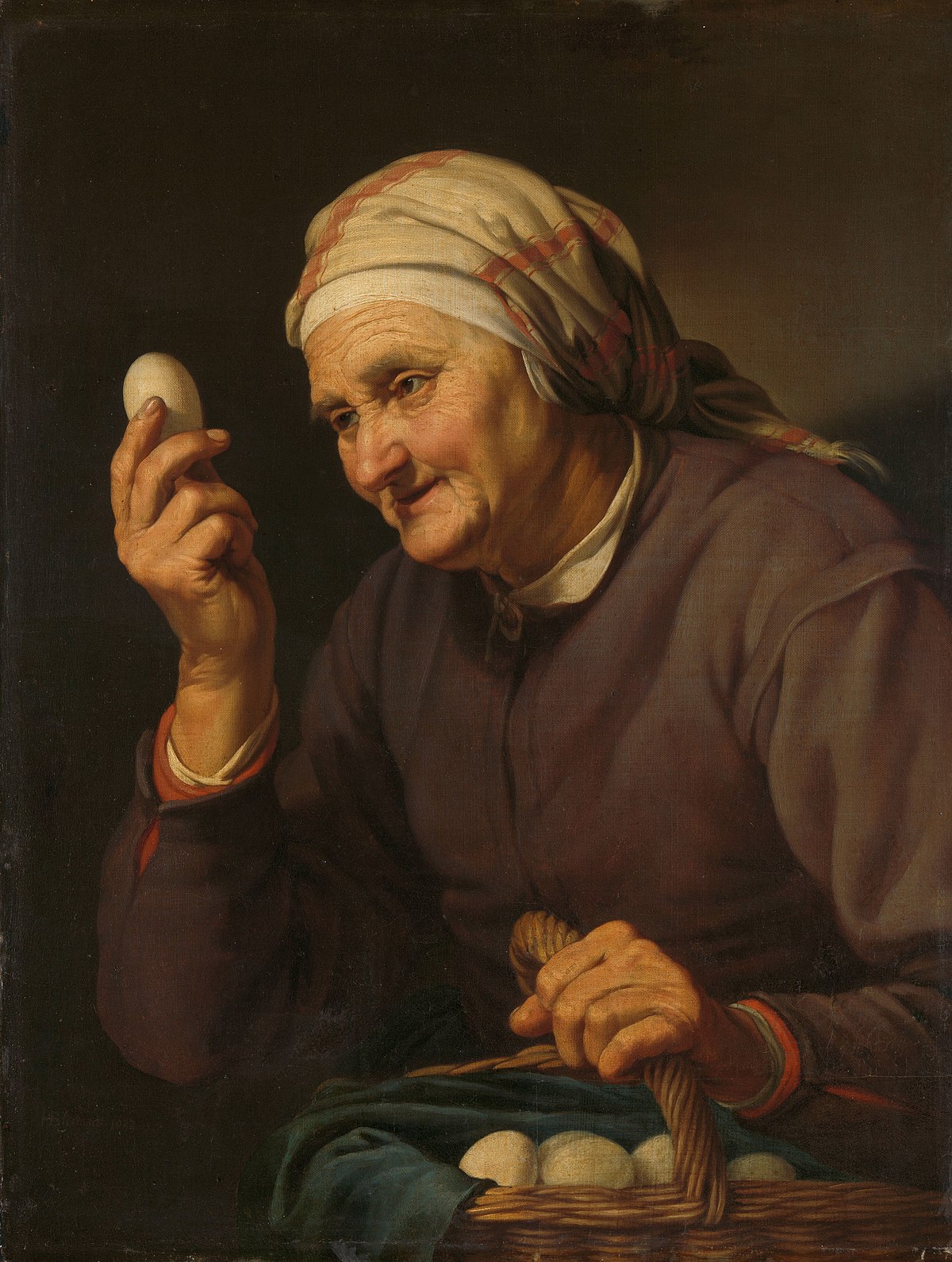
mãos que escolheram o melão,
o fatiaram, serviram, jogaram fora a casca —
a casca inútil. Essas mãos amaram o trabalho,
o que restará para mim agora?
A vida foi trabalho; a morte não deveria ser diferente.

Trad.: Nelson Santander

REPUBLICAÇÃO: poema originalmente publicado na página em 24/09/2020

Corpus

If you can bear it so, be dead
among the dead. The dead are occupied.
— Rilke

After they washed my body
and threaded my arms through the sleeves
of a dress I’d bought in the thirties
in a Cuernavaca market, they looped a rosary
around my folded hands. A bloom
from the bougainvillea is tucked behind my ear.
I am dressed for church; I am beautiful
in death. Oh, the perfume of my hands
rises from me like prayer. I am gone, yet here
I lie waiting for the man
to come for me, to wrap and box me,
to burn what’s left. Unusable,
this brittle spine, these still feet.
Unusable, these folded hands,
hands that tended, arranged,
wiped clean floors cleaner still,
hands that chose the melon,
sliced and served it, threw out the rind —
the unusable rind. These hands loved work,
what will there be for me now?
Life was work; death should be no different.

Arnaldo Antunes – Eu apresento a página branca

Eu apresento a página branca

Contra:

Burocratas travestidos de poetas
Sem-graças travestidos de sérios
Anões travestidos de crianças
Complacentes travestidos de justos
Jingles travestidos de rock
Estórias travestidas de cinema
Chatos travestidos de coitados
Passivos travestidos de pacatos
Medo travestido de senso
Censores travestidos de sensores
Palavras travestidas de sentido
Palavras caladas travestidas de silêncio
Obscuros travestidos de complexos
Bois travestidos de touros
Fraquezas travestidas de virtudes
Bagaços travestidos de polpa
Bagos travestidos de cérebros
Celas travestidas de lares
Paisanas travestidos de drogados
Lobos travestidos de cordeiros
Pedantes travestidos de cultos
Egos travestidos de eros
Lerdos travestidos de zen
Burrice travestida de citações
água travestida de chuva
aquário travestido de tevê
água travestida de vinho
água solta apagando o afago do fogo
água mole sem pedra dura
água parada onde estagnam os impulsos
água que turva as lentes e enferruja as lâminas
água morna do bom gosto, do bom senso e das boas intenções
insípida, amorfa, inodora, incolor
água que o comerciante esperto coloca na garrafa para diluir o whisky
água onde não há seca
água onde não há sede
água em abundância
água em excesso
água em palavras.

Eu apresento a página branca.

A árvore sem sementes.

O vidro sem nada na frente.

Contra a água.

William Butler Yeats – “When you are old” em 4 traduções

Quando fores velha, grisalha, vencida pelo sono – Trad.: José Agostinho Baptista

Quando fores velha, grisalha, vencida pelo sono,
Dormitando junto à lareira, toma este livro,
Lê-o devagar, e sonha com o doce olhar
Que outrora tiveram teus olhos, e com as suas sombras profundas;

Muitos amaram os momentos de teu alegre encanto,
Muitos amaram essa beleza com falso ou sincero amor,
Mas apenas um homem amou tua alma peregrina,
E amou as mágoas do teu rosto que mudava;

Inclinada sobre o ferro incandescente,
Murmura, com alguma tristeza, como o Amor te abandonou
E em largos passos galgou as montanhas
Escondendo o rosto numa imensidão de estrelas.

Quando fores velha e triste e cansada – Trad.: Adriano Nunes

Quando fores velha e triste e cansada,
E em ordem co’ o fogo, pega este livro
E lê lentamente, e lembra o olhar vivo
Que tinhas, e da sombra aprofundada.

Amaram-te dias de graça grácil,
E teu fulgor co’ amor falso ou sincero,
Mas amou-te um ser n’alma o destempero,
E as mágoas da tua face volátil.

E curvando-te à grade incandescente,
Murmura, amarga, como o amor fugiu
E seguiu monte acima, a subir sempre
E a face em grupos d’astros encobriu.

Quando velha e grisalha e exausta – Trad.: Paulo Vizioli

Quando velha e grisalha e exausta, ao fim do dia,
tu cabeceares junto ao fogo, vem folhear
lentamente este livro, e lembra o doce olhar
e as sombras densas que nos olhos teus havia.

Quantos, com falsidade ou devoção sincera,
amaram-te a beleza e graça de menina!
Um só, porém, amou tua alma peregrina,
e amou as dores desse rosto que se altera.

E junto às brasas, inclinando-se sobre elas,
murmura, um pouco triste, como o amor distante
passou por cima das montanhas adiante,
e escondeu sua face entre um milhão de estrelas.

Quando estiveres grisalha e com sono – Trad.: Jorge Wanderley

Quando estiveres grisalha e com sono,
Dormitando ante o fogo, lê meu livro
Bem lentamente e lembra o sensitivo
Olhar que tinhas de suave abandono.

Muitos amaram tuas alegrias,
Tua beleza; mas só num culmina
O amor por tua alma peregrina
E a mágoa que teu rosto pressentia.

Reclina-te ante as chamas; e ao vê-las
Lamentes, triste Amor – que te deixou
Pelos montes mais altos que encontrou
E o rosto disfarçou entre as estrelas.

REPUBLICAÇÃO: poema originalmente publicado na página em 20/09/2020

When you are old

When you are old and grey and full of sleep,
And nodding by the fire, take down this book,
And slowly read, and dream of the soft look
Your eyes had once, and of their shadows deep;

How many loved your moments of glad grace,
And loved your beauty with love false or true,
But one man loved the pilgrim soul in you,
And loved the sorrows of your changing face;

And bending down beside the glowing bars,
Murmur, a little sadly, how Love fled
And paced upon the mountains overhead
And hid his face amid a crowd of stars.

Louise Glück – Eros

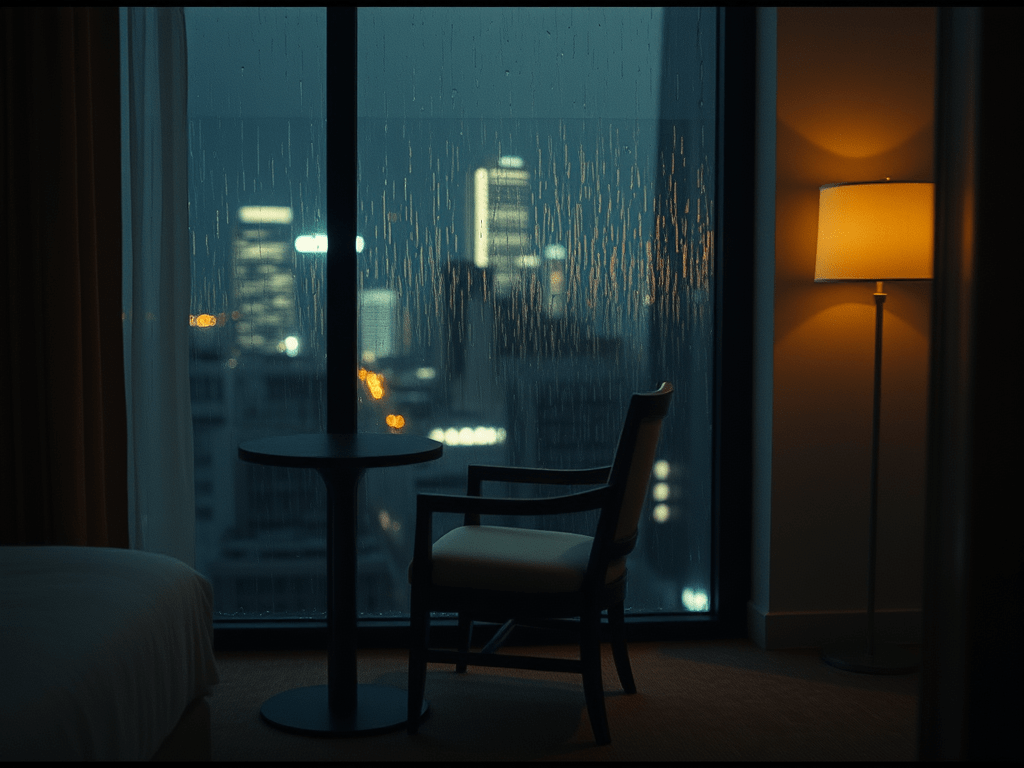
Eu havia aproximado minha cadeira da janela do hotel, para ver a chuva.

Estava numa espécie de sonho, ou transe —
apaixonada, mas
nada desejava.

Parecia desnecessário tocá-lo, vê-lo novamente.
Tudo o que eu queria era isso:
o quarto, a cadeira, o som da chuva caindo,
hora após hora, no calor da noite de primavera.

Não precisava de mais nada; estava plenamente saciada.
Meu coração se tornara bem pequeno; bastava muito pouco para preenchê-lo.
Observava a chuva que caía em pesados cortinados sobre a cidade escura —

Você não se importava. Eu fazia as coisas
que se faz à luz do dia, cumpria meu papel,
mas me movia como uma sonâmbula.

Era o suficiente, e não tinha mais a ver com você.
Alguns dias numa cidade estranha.
Uma conversa, o toque de outra mão.
E depois, retirei minha aliança de casamento.

Era isso o que eu queria: estar nua.

Trad.: Nelson Santander

Mais do que uma leitura, uma experiência. Clique, compre e contribua para manter a poesia viva em nosso blog

Eros

I had drawn my chair to the hotel window, to watch the rain.

I was in a kind of dream, or trance —
in love, and yet
I wanted nothing.

It seemed unnecessary to touch you, to see you again.
I wanted only this:
the room, the chair, the sound of the rain falling,
hour after hour, in the warmth of the spring night.

I needed nothing more; I was utterly sated.
My heart had become very small; it took very little to fill it.
I watched the rain falling in heavy sheets over the darkened city —

You were not concerned. I did the things
one does in daylight, I acquitted myself,
but I moved like a sleepwalker.

It was enough and it no longer involved you.
A few days in a strange city.
A conversation, the touch of a hand.
And afterward, I took off my wedding ring.

That was what I wanted: to be naked.

William Stafford – No monumento não-nacional ao longo da fronteira canadense

Este é o campo onde a batalha não aconteceu,
onde o soldado desconhecido não morreu.
Este é o campo onde deu as mãos o gramado
onde monumento algum foi levantado
e a única coisa heroica é o céu.

Pássaros voam aqui sem nenhuma agitação,
abrindo suas asas ao ar livre.
Ninguém matou – ou foi morto – neste torrão
consagrado pelo esquecimento e por um ar tão brando
que as pessoas o celebram dele se esquecendo.

Trad.: Nelson Santander

REPUBLICAÇÃO: poema originalmente publicado na página em 16/09/2020

At the Un-National Monument Along the Canadian Border

This is the field where the battle did not happen,
where the unknown soldier did not die.
This is the field where grass joined hands,
where no monument stands,
and the only heroic thing is the sky.

Birds fly here without any sound,
unfolding their wings across the open.
No people killed — or were killed — on this ground
hallowed by neglect and an air so tame
that people celebrate it by forgetting its name.

John Murillo – Dolores, talvez

Nunca contei isso a ninguém. Até agora, até você.

Dormi uma vez num campo além da ribeira,
um bando de noitibós velando por mim.

Foi no verão em que um fazendeiro encontrou sua filha
pendurada no sótão do celeiro, e desejou, pela primeira vez,
não tê-la tocado daquela maneira.

Gostaria de dizer que éramos próximos — a menina e eu,
digo — mas eu só a conhecia de cumprimentar,

e uma vez a acompanhei até a metade do caminho
antes de finalmente entrar no quintal da minha avó.

Isso foi em Ontario, Califórnia. 1983.
O que quer dizer que não havia rio algum.
E eu não saberia reconhecer um noitibó nem se ele me bicasse.

Mas a menina era real. E o dia em que a encontraram foi real.

E o vestido que ela usava, o mesmo da nossa caminhada —
pervinca, ela o chamava; eu o chamava azul,
azul com flores amarelas brilhantes por toda parte

— o vestido e as flores, eles também eram reais.

E na nossa caminhada, lembro, cortamos caminho pelo pátio ferroviário,
e nos deparamos com um coiote morto perto dos trilhos.

Uma frágil e empoeirada pilha de remorso, ele não fazia companhia a ninguém.

Ficamos olhando para ele por algum tempo, nossas sombras se alongando, cobrindo o animal.
Ela disse algo que eu lembraria por anos, sobre solidão,

mas que há muito esqueci, do mesmo jeito que esqueci —
embora possa ver seu rosto como se ela estivesse aqui — seu próprio nome.

Vamos chamá-la Dolores, de dolor. Espanhol para angústia.

E qualquer que fosse o céu, por mais adorável que fosse aquela tarde,
lembro principalmente do vento,
de como uma brisa desfez o que restava de uma trança,

e de quando tentei afastar alguns fios soltos
da testa de Dolores, como ela se encolheu,
como correu o resto do caminho até sua casa,

e como nunca mais a vi depois disso,
exceto quando a carregaram do celeiro — seu vestido pervinca,
seus braços e pernas azuis, e os campos
em chamas com margaridas.

Passei o resto daquele verão no pátio ferroviário
com meu coiote morto, vendo os trens serem carregados e partirem.

O verão todo, eu o apedrejei.
O verão todo, usei as pedras para soletrar o nome da menina —
Dolores, talvez — no chão.

O verão todo, formigas lava-pés rastejaram entre as letras —
o nome dela, agora, sua própria cidadela.

Uma temporada de calor e chuvas fortes reduziram meu coiote a nada.
Só restaram dentes e alguns ossos resistentes

que se recusaram, por fim, a partir.

Semanas depois do outono, alguém encontrou o pai
pendurado nas mesmas vigas rangentes,
o sótão do celeiro preto de moscas varejeiras.

Mas isso foi em 1983. Ontario, Califórnia.
O que quer dizer que as moscas estão mortas. As formigas também.
E nem o campo nem o celeiro estão onde os deixei.

Nunca contei isso a ninguém. Até agora, até você.

Juntei um punhado de ossos e dentes do meu coiote,
e os atei todos com uma linha de pesca —
um talismã para espantar a angústia. Um talismã que estendo a você agora.

Por favor. Aproxime-se. Pegue-o da minha mão.

Trad.: Nelson Santander

Mais do que uma leitura, uma experiência. Clique, compre e contribua para manter a poesia viva em nosso blog

Dolores, Maybe

I’ve never spoken to anyone about this. Until now, until you.

I slept once in a field beyond the riverbank,
a flock of nightjars watching over me.

That was the summer a farmer found his daughter
hanging in the hayloft, and wished, for the first time,
he had not touched her so.

I wish I could say we were close—the girl and I,
I mean—but I only knew her to wave hello,

and walked her, once, halfway up the road
before turning finally into my grandmother’s yard.

This was Ontario, California. 1983.
Which is to say, there was no river.
And I wouldn’t know a nightjar if it bit me.

But the girl was real. And the day they found her, that was real.

And the dress she wore, same as on our walk—
periwinkle, she called it; I called it blue,
blue with bright yellow flowers all over

—the dress and the flowers, they too were real.

And on our walk, I remember, we cut through the rail yard,
and came upon a dead coyote lying near the tracks.

A frail and dusty heap of regret, he was companion to no one.

We stared at him for some time, our shadows stretched long and covering the animal.
She said something I’d remember for years, about loneliness,

but have long forgotten, the way I’ve forgotten—
though I can see her face as if she were standing right here—her very name.

Let’s call her Dolores, from dolor. Spanish for anguish.

And whatever the sky, however lovely that afternoon,
I remember mostly the wind,
how a breeze unraveled what was left of a braid,

and when I tried to brush from Dolores’s brow
a few loose strands, how she flinched,
how she ran the rest of the way home,

how I never saw her after that,
except when they carried her from the barn—her periwinkle dress,
her blue legs and arms, and the fields
ablaze with daisies.

I spent the rest of that summer in the rail yard
with my dead coyote, watching trains loaded and leaving.

All summer long, I’d pelt him with stones.
All summer long, I’d use the stones to spell the girl’s name—
Dolores, maybe—in the dirt.

All summer long, fire ants crawled over and between each letter—
her name, now, its own small town.

A season of heat and heavy rains washed my coyote to nothing.
Only teeth and a few stubborn bones

that refused, finally, to go down.

Weeks into autumn, someone found the father
hanged from the same groaning tie-beams,
the hayloft black with bottle flies.

But that was 1983. Ontario, California.
Which is to say, the bottle flies are dead. So, too, the ants.
And neither field nor barn is where I left it.

I’ve never spoken to anyone about this. Until now, until you.

I gathered a handful of my coyote’s bones, his teeth,
and strung them all on fishing wire—
a talisman to ward off anguish. A talisman I hold out to you now.

Please. Come closer. Take this from my hand.

Louise Glück – Paisagem

1.

O sol se põe por trás das montanhas,
a terra esfria.
Um estranho amarra seu cavalo a um castanheiro nu.
O cavalo está quieto — vira a cabeça de repente,
ouvindo, ao longe, o som do mar.

Preparo minha cama para passar a noite aqui,
estendendo minha colcha mais pesada sobre a terra úmida.

O som do mar —
quando o cavalo vira a cabeça, posso ouvi-lo.

Numa trilha entre castanheiros nus,
um cãozinho segue seu dono.

O cãozinho — ele não costumava correr na frente,
esticando a coleira, como se quisesse mostrar ao dono
o que vê ali, ali adiante —

o futuro, o caminho, chame como quiser.

Atrás das árvores, ao entardecer, é como um grande incêndio
ardendo entre duas montanhas,
de modo que a neve no pico mais alto
parece, por um momento, também arder.

Ouça: no fim da trilha, o homem chama.
Sua voz se tornou estranha agora,
a voz de alguém que chama o que não pode ver.

Repetidas vezes, ele grita por entre os castanheiros escuros.
Até que o animal responde,
ao longe, com um som tênue,
como se aquilo que tememos
não fosse terrível.

Crepúsculo: o estranho desamarra seu cavalo.

O som do oceano —
agora, apenas memória.

2.

O tempo passou, transformando tudo em gelo.
Sob o gelo, o futuro se agitava.
Se caíssemos nele, morreríamos.

Foi um tempo
de espera, de ação suspensa.

Eu vivia no presente, que era
aquela parte do futuro que podíamos ver.
O passado flutuava acima da minha cabeça,
como o sol e a lua, visível mas inatingível.

Foi um tempo
regido por contradições, como em
eu não sinto nada e
eu tenho medo.

O inverno esvaziou as árvores, depois as encheu de neve.
Porque eu não sentia, a neve caiu, o lago congelou.
Porque eu tinha medo, não me movi;
minha respiração era branca, uma descrição do silêncio.

O tempo passou, e parte dele se tornou isto.
E parte simplesmente evaporou;
podíamos vê-la flutuar sobre as árvores brancas
formando partículas de gelo.

Toda a sua vida, você esperou pelo momento propício.
Então o momento propício
se revelou como o ato em si.

Eu via o passado se mover, uma linha de nuvens avançando
da esquerda para a direita ou da direita para a esquerda,
dependendo do vento. Alguns dias

não havia vento. As nuvens pareciam
permanecer onde estavam,
como uma pintura do mar, mais imóveis que reais.

Alguns dias, o lago era uma película de vidro.
Sob o vidro, o futuro emitia
sons discretos, convidativos:
era preciso se conter para não escutar.

O tempo passou; você pôde ver um pedaço dele.
Os anos que levou foram anos de inverno;
não fariam falta. Alguns dias

não havia nuvens, como se
as fontes do passado houvessem desaparecido. O mundo

perdera seu colorido, como um negativo; a luz passava
diretamente por dele. Então
a imagem esmaecia.

Acima do mundo
havia apenas o azul, azul por toda parte.

3.

No fim do outono, uma jovem ateou fogo a um campo
de trigo. O outono

fora muito seco; o campo
ardeu como um pavio.

Depois não restou nada.
Você caminha por ele, não vê nada.

Não há o que colher, nem o que cheirar.
Os cavalos não compreendem —

Onde está o campo?, parecem dizer.
Do mesmo modo que você e eu diríamos:
onde está o lar?

Ninguém sabe como responder.
Não restou nada;
só resta esperar, pelo bem do fazendeiro,
que o seguro cubra.

É como perder um ano de nossas vidas.
A que entregaríamos um ano de nossas vidas?

Depois, você volta ao antigo lugar —
tudo o que resta é carvão: negrume e vazio.

Você pensa: como pude viver aqui?

Mas era diferente então,
até mesmo no verão passado. A terra se comportava

como se nada pudesse dar errado.

Um fósforo foi o suficiente.
Mas no tempo certo — precisava ser no tempo certo.

O campo ressequido, seco —
a morte já instalada,
por assim dizer.

4.

Adormeci em um rio, acordei em um rio,
de meu misterioso
fracasso em morrer nada posso
dizer, nem
quem me salvou, nem por que razão —

Havia um imenso silêncio.
Nenhum vento. Nenhum som humano.
O século amargo

chegara ao fim, o glorioso se fora, o perene se fora,

o sol frio
persistindo como uma espécie de curiosidade, uma lembrança,
o tempo fluindo atrás dele —

O céu parecia muito limpo,
como no inverno,
o solo seco, não cultivado,

a luz oficial movendo-se
calmamente por uma fenda no ar

digna, complacente,
dissolvendo a esperança,
subordinando imagens do futuro a sinais de sua partida —

Acho que devo ter caído.
Quando tentei me levantar, tive de me forçar,
não acostumada à dor física —

Esquecera
a dureza dessas condições:

a terra não obsoleta
mas imóvel, o rio frio, raso —

Do meu sono, nada
lembro. Quando eu gritava
minha própria voz me acalmava, inesperadamente.

No silêncio da consciência, perguntei-me:
por que rejeitei minha vida? E respondi:
Die Erde überwältigt mich:
a terra me subjuga.

Tentei ser precisa nesta descrição
caso alguém venha depois de mim. Posso afirmar que,
quando o sol se põe no inverno, é
incomparavelmente belo e a memória disso
dura muito. Acho que isso quer dizer

que não houve noite.
A noite estava dentro de mim.

5.

Depois que o sol se pôs,
cavalgamos depressa, na esperança de encontrar
abrigo antes da escuridão.

Eu já podia ver as estrelas,
primeiro no céu oriental:

cavalgávamos, portanto,
na direção oposta à da luz
e rumo ao mar, pois
eu ouvira falar que lá havia uma vila.

Depois de algum tempo, começou a nevar.
Não muito, a princípio, depois
de forma constante, até que a terra
se cobriu de uma película branca.

O caminho percorrido aparecia
claramente quando eu virava a cabeça —
por um instante traçava
uma linha escura pela terra —

Então a neve se espessou, o caminho sumiu.
O cavalo estava cansado e faminto;
não conseguia mais encontrar
solo firme em parte alguma. Eu disse a mim mesma:

já estive perdida antes, já senti frio antes.
A noite veio até mim
exatamente assim, como um presságio —

e pensei: se eu tiver de
voltar aqui, gostaria de voltar
como ser humano, o meu cavalo

como ele mesmo. Caso contrário,
eu não saberia como começar de novo.

Trad.: Nelson Santander

REPUBLICAÇÃO: poema originalmente publicado na página em 14/09/2020

Landscape

1.

The sun is setting behind the mountains,
the earth is cooling.
A stranger has tied his horse to a bare chestnut tree.
The horse is quiet – he turns his head suddenly,
hearing, in the distance, the sound of the sea.

I make my bed for the night here,
spreading my heaviest quilt over the damp earth.

The sound of the sea —
when the horse turns its head, I can hear it.

On a path through the bare chestnut trees,
a little dog trails its master.

The little dog – didn’t he used to rush ahead,
straining the leash, as though to show his master
what he sees there, there in the future —

the future, the path, call it what you will.

Behind the trees, at sunset, it is as though a great fire
is burning between two mountains
so that the snow on the highest precipice
seems, for a moment, to be burning also.

Listen: at the path’s end the man is calling out.
His voice has become very strange now,
the voice of a person calling to what he can’t see.

Over and over he calls out among the dark chestnut trees.
Until the animal responds
faintly, from a great distance,
as though this thing we fear
were not terrible.

Twilight: the stranger has untied his horse.

The sound of the sea —
just memory now.

2.

Time passed, turning everything to ice.
Under the ice, the future stirred.
If you fell into it, you died.

It was a time
of waiting, of suspended action.

I lived in the present, which was
that part of the future you could see.
The past floated above my head,
like the sun and moon, visible but never reachable.

It was a time
governed by contradictions, as in
I felt nothing and
I was afraid.

Winter emptied the trees, filled them again with snow.
Because I couldn’t feel, snow fell, the lake froze over.
Because I was afraid, I didn’t move;
my breath was white, a description of silence.

Time passed, and some of it became this.
And some of it simply evaporated;
you could see it float above the white trees
forming particles of ice.

All your life, you wait for the propitious time.
Then the propitious time
reveals itself as action taken.

I watched the past move, a line of clouds moving
from left to right or right to left,
depending on the wind. Some days

there was no wind. The clouds seemed
to stay where they were,
like a painting of the sea, more still than real.

Some days the lake was a sheet of glass.
Under the glass, the future made
demure, inviting sounds:
you had to tense yourself so as not to listen.

Time passed; you got to see a piece of it.
The years it took with it were years of winter;
they would not be missed. Some days

there were no clouds, as though
the sources of the past had vanished. The world

was bleached, like a negative; the light passed
directly through it. Then
the image faded.

Above the world
there was only blue, blue everywhere.

3.

In late autumn a young girl set fire to a field
of wheat. The autumn

had been very dry; the field
went up like tinder.

Afterward there was nothing left.
You walk through it, you see nothing.

There’s nothing to pick up, to smell.
The horses don’t understand it-

Where is the field, they seem to say.
The way you and I would say
where is home.

No one knows how to answer them.
There is nothing left;
you have to hope, for the farmer’s sake,
the insurance will pay.

It is like losing a year of your life.
To what would you lose a year of your life?

Afterward, you go back to the old place—
all that remains is char: blackness and emptiness.

You think: how could I live here?

But it was different then,
even last summer. The earth behaved

as though nothing could go wrong with it.

One match was all it took.
But at the right time – it had to be the right time.

The field parched, dry—
the deadness in place already
so to speak.

4.

I fell asleep in a river, I woke in a river,
of my mysterious
failure to die I can tell you
nothing, neither
who saved me nor for what cause—

There was immense silence.
No wind. No human sound.
The bitter century

was ended,
the glorious gone, the abiding gone,

the cold sun
persisting as a kind of curiosity, a memento,
time streaming behind it—

The sky seemed very clear,
as it is in winter,
the soil dry, uncultivated,

the official light calmly
moving through a slot in air

dignified, complacent,
dissolving hope,
subordinating images of the future to signs of the future’s passing—

I think I must have fallen.
When I tried to stand, I had to force myself,
being unused to physical pain—

I had forgotten
how harsh these conditions are:

the earth not obsolete
but still, the river cold, shallow—

Of my sleep, I remember
nothing. When I cried out,
my voice soothed me unexpectedly.

In the silence of consciousness I asked myself:
why did I reject my life? And I answer
Die Erde überwältigt mich:
the earth defeats me.

I have tried to be accurate in this description
in case someone else should follow me. I can verify
that when the sun sets in winter it is
incomparably beautiful and the memory of it
lasts a long time. I think this means

there was no night.
The night was in my head.

5.

After the sun set
we rode quickly, in the hope of finding
shelter before darkness.

I could see the stars already,
first in the eastern sky:

we rode, therefore,
away from the light
and toward the sea, since
I had heard of a village there.

After some time, the snow began.
Not thickly at first, then
steadily until the earth
was covered with a white film.

The way we traveled showed
clearly when I turned my head—
for a short while it made
a dark trajectory across the earth—

Then the snow was thick, the path vanished.
The horse was tired and hungry;
he could no longer find
sure footing anywhere. I told myself:

I have been lost before, I have been cold before.
The night has come to me
exactly this way, as a premonition—

And I thought: if I am asked
to return here, I would like to come back
as a human being, and my horse

to remain himself. Otherwise
I would not know how to begin again.
Toi Derricotte – Não Esquecido

Amo como as formigas pretas lidam com seus mortos.
Elas os carregam como guerreiros em suas costas
de aço. Passam horas se esforçando, levantando,
arrastando, para que mesmo na morte tenham alguma utilidade.
Não é macabro — como seria para nós —
levá-los de volta para serem comidos. Penso em
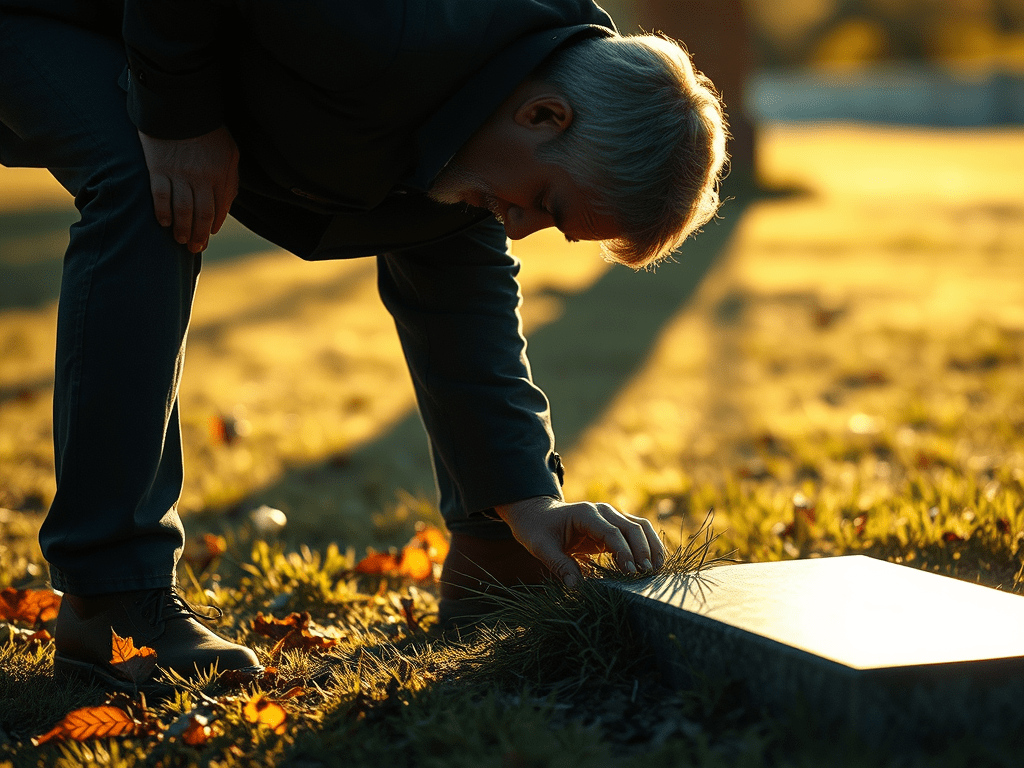
meu marido junto ao túmulo de seu pai —
a grama havia coberto a lápide
e o nome desaparecera. Ele sacou
um canivete e cortou a relva; limpou a inscrição
com seu lenço para torná-la visível. “É assim
que seremos esquecidos?” E ele se curvou sobre o túmulo e chorou.

Trad.: Nelson Santander

Mais do que uma leitura, uma experiência. Clique, compre e contribua para manter a poesia viva em nosso blog

Not Forgotten

I love the way the black ants use their dead.
They carry them off like warriors on their steel
backs. They spend hours struggling, lifting,
dragging, so that even the dead will be of service.
It is not grisly — as it would be for us —
to carry them back to be eaten. I think of
my husband at his father’s grave —
the grass had closed
over the headstone, and the name had disappeared. He took out
a pocket knife and cut the grass away; he swept it
with his handkerchief to make it clear. “Is this the way
we’ll be forgotten?” And he bent down over the grave and wept.

Andrew Hudgins – No poço

Meu pai amarrou em mim uma corda,
um laço ao redor da minha cintura,
e baixou-me para o fundo e dentro
das trevas. Eu sentia a paúra,

seu gosto. Primeiro foi um sabor
de noite, então terra, e podridão.
Balancei e bati com a cabeça
e foi naquele momento que, então,

conheci um outro: depois o sangue
pôs-me na boca um sabor de metal.
A partir de então, meu pai me soltou
gradativamente, mão após mão:

depois água. Então pelo molhado,
que apertei junto ao peito. Eu gritei.
Papai puxou a corda encharcada
com força. Engasguei, e pressionei

contra mim o cão perdido do meu
vizinho. Então abracei seu fim
e emergi em direção ao meu pai.
Depois, a luz. As mãos. E o ar, enfim.

Trad.: Nelson Santander

REPUBLICAÇÃO: poema originalmente publicado na página em 10/09/2020

In the well

My father cinched the rope,
a noose around my waist,
and lowered me into
the darkness. I could taste

my fear. It tasted first
of dark, then earth, then rot.
I swung and struck my head
and at that moment got

another then: then blood,
which spiked my mouth with iron.
Hand over hand, my father
dropped me from then to then:

then water. Then wet fur,
which I hugged to my chest.
I shouted. Daddy hauled
the wet rope. I gagged, and pressed

my neighbor’s missing dog
against me. I held its death
and rose up to my father.
Then light. Then hands. Then breath.