Ellen Bass – Matrimônio

Quando, depois de uma grave enfermidade, você
finalmente repousa toda a extensão do seu corpo sobre o meu,
não é como as camadas da terra, a pressão
do tempo sobre a areia, a lama, pedaços de conchas, todos
esses anos, incontáveis despertares, adormeceres,
noites de insônia, brigas, banais manhãs
conversando sobre nada, e o breve
mergulho em chamas, e o silêncio
inconsciente dos animais pastando, a água
em movimento, o vento, o gelo que carrega os minutos, deixando
para trás minérios que unem a rocha ao sedimento.
Como suportar o peso, com cada
pedaço de osso pressionado? E depois, como suportar quando
o peso se vai, do mesmo modo que uma mulher,
cujo pescoço foi enfeitado com argolas, não pode
mais mantê-lo firme sozinha? Oh o amor,
é um bálsamo mas também um lacre. Ele nos une com força
como a pele de um coelho a um coelho.
Quando você a arranca, agarrando pela borda
da pele fatiada, separando as membranas
lustrosas, o corpo fica morno e flácido. Se pudesse,
você penetraria naquela pela úmida e escorregadia
e a levaria nas costas. Não é pura,
branca e rendada como um casamento,
não é a efervescência brilhante da champanhe
escorrendo sobre o gargalo da garrafa. Essa união
sangrenta visceral que é amor, mas
está além do amor. Além do encanto e do deleite
o modo como você é para si mesmo está além do encanto e do deleite.
Esta é a esfolada carne do amor, os becos e vidros
estilhaçados do amor, as pétalas arrancadas dos ramos do amor,
o pranto rouco e vertiginoso, a fome obstinada.

Trad.: Nelson Santander

BASS, Ellen. “Marriage”. In:_____Indigo. EUA: Copper Canyon Press, April 07, 2020.

Miniantologia Poética – 32

Marriage

When you finally, after deep illness, lay
the length of your body on mine, isn’t it
like the strata of the earth, the pressure
of time on sand, mud, bits of shell, all
the years, uncountable wakings, sleepings,
sleepless nights, fights, ordinary mornings
talking about nothing, and the brief
fiery plummets, and the unselfconscious
silences of animals grazing, the moving
water, wind, ice that carries the minutes, leaves
behind minerals that bind the sediment into rock.
How to bear the weight, with every
flake of bone pressed in. Then, how to bear when
the weight is gone, the way a woman
whose neck has been coiled with brass
can no longer hold it up alone. Oh love,
it is balm, but also a seal. It binds us tight
as the fur of a rabbit to the rabbit.
When you strip it, grasping the edge
of the sliced skin, pulling the glossy membranes
apart, the body is warm and limp. If you could,
you’d climb inside that wet, slick skin
and carry it on your back. This is not
neat and white and lacy like a wedding,
not the bright effervescence of champagne
spilling over the throat of the bottle. This visceral
bloody union that is love, but
beyond love. Beyond charm and delight
the way you to yourself are past charm and delight.
This is the shucked meat of love, the alleys and broken
glass of love, the petals torn off the branches of love,
the dizzy hoarse cry, the stubborn hunger.
Ellen Bass – Retorno para mamografia e ultrassom

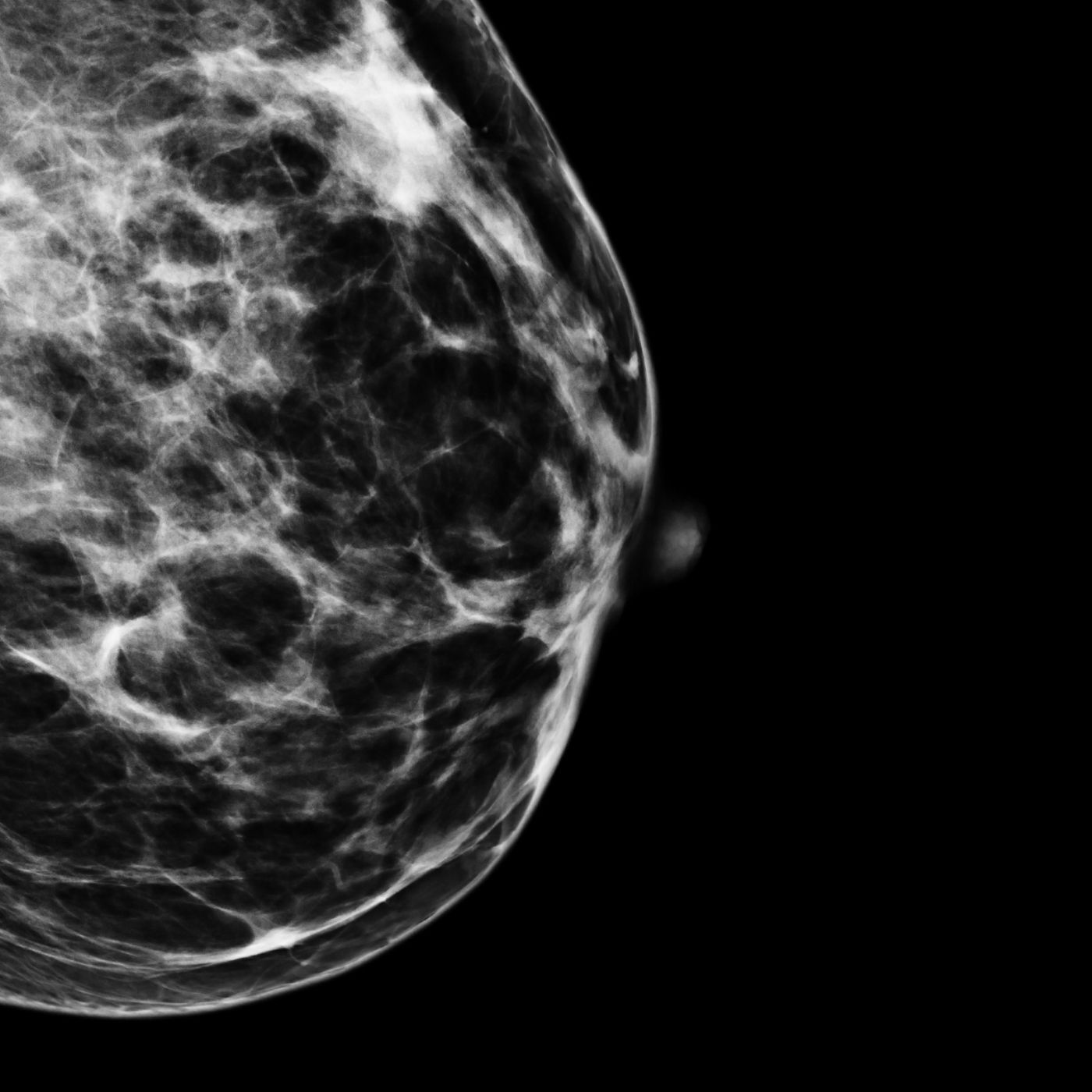
Então é para isso que estou aqui, para olhar para dentro
do peso mudo da minha mama direita, um punhado denso
de tesouros que eu desejava quando menina quando chorei
atrás da cortina na loja de espartilhos das irmãs Guerlaine.
Aquelas afáveis solteironas mal podiam suportar
minhas lágrimas, enquanto ajustavam as alças
de um sutiã de rendas com enchimento. Tive que esperar mais um ano
antes que meus seios inchassem como velas ao vento
e muitos foram os exploradores transportados,
em busca de perfumes e especiarias,
pelos inervados mamilos cantando através dos fios.
Mas nunca houve uma alegria como esta,
comigo ali deitada na friagem verde pálida da radiologia.
A linhagem da morte desviou-se de mim.
Ah, feliz amor! Mais, mais do que feliz!1
Enquanto o bastão do ultrassom desliza sobre a minha carne,
revela-se um rio de luz, um emaranhado
brilhante e ondulante de lóbulos e dutos de leite,
ligamentos e tecidos, inofensivos e radiantes
contra a gordura negra. Esta poderia ser a visão
do céu noturno, aquela estreita faixa luminosa,
um esporão brilhante da Via Láctea,
e eu, em minha vida infinitesimal,
pelo menos por esta noite, manterei estes adoráveis átomos
antes de devolvê-los às estrelas.

1. Referência a um dos versos da terceira estrofe de Ode a uma Urna Negra, de John Keats.

Trad.: Nelson Santander

BASS, Ellen. “Mammogram Call Back with Ultra Sound”. In:_____Indigo. EUA: Copper Canyon Press, April 07, 2020.

Miniantologia Poética – 31

Mammogram Call Back with Ultra Sound

So this is what I’m here for, to see inside
the mute weight of my right breast, heavy handful
of treasure I longed for as a girl when I cried
behind the curtain in the Guerlaine sisters’ corset shop.
Those tender spinsters could hardly bear
my tears, as they adjusted the straps
on a padded lace bra. I had to wait another year
before my breasts swelled like wind-filled sails
and many were the explorers carried away,
searching for perfumes and spices,
the nerve-laden nipples singing through the wires.
But never has there been a joy like this
as I lay in the pale green cool of radiology.
The lineage of death has swerved around me.
More happy love! More happy, happy love!
As the wand of the ultrasound glides over my flesh,
revealed is a river of light, a bright
undulant tangle of lobules and milk ducts,
ligaments and tissue, harmless and radiant
against the black fat. I could be looking up
at the night sky, this wispy band of brilliance,
a shining spur of the milky way galaxy,
and I, in my infinitesimal life, will,
at least for tonight, keep these lovely atoms
before I must return them to the stars.

Ellen Bass – Experimento de empatia

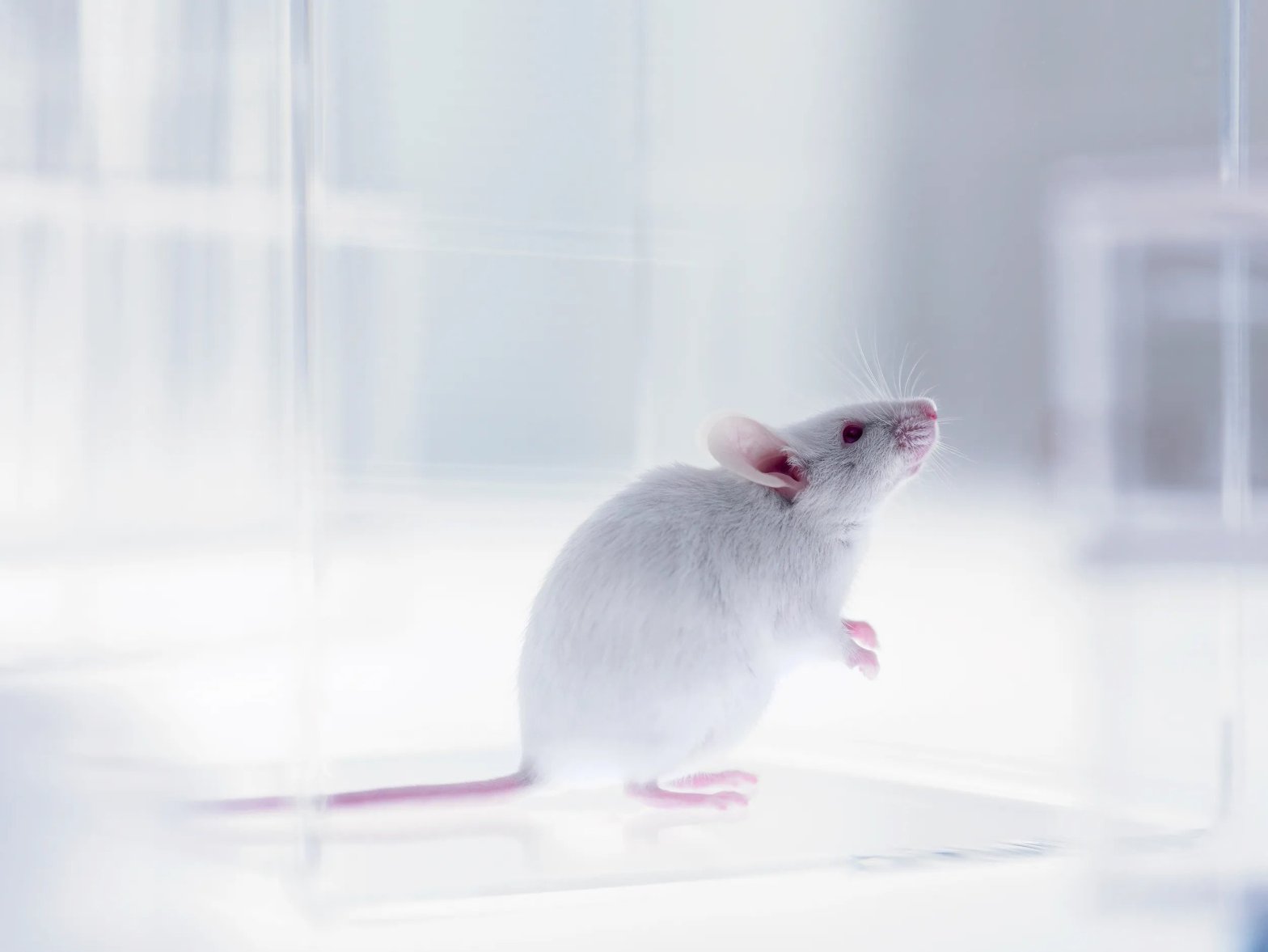
A cientista coloca cada rato
em sua própria caixa de vidro
e reproduz por trinta segundos
“What a Wonderful World.”
Nos últimos três segundos ela aplica um choque em um dos ratos.
Isto é seguido por noventa pulsações de silêncio.
E então o ciclo recomeça.

Enquanto ela descreve o experimento
não posso deixar de pensar
em como isso soa familiar – um minuto de
Louis Armstrong cantando
e no seguinte –
alguma febre ou soçobro, algum erro irreal.
E me sento segurando uma colher,
incapaz de leva-la à boca, incapaz
de largá-la.

Esta linhagem de ratos descende

de um circo no século XIX. Seus ancestrais
balançavam-se em trapézios de fitas de cetim
e saltavam através de minúsculos anéis de fogo.
Agora, nenhuma dessas habilidades pode salvá-los.

E olha só que coisa:
o rato que não leva o choque,
que apenas observa,
também entra em pânico. Isso é empatia.
Sentir o que outra criatura sente.

Mas às vezes é demais pedir
para que uma pessoa habite
a estranha região de um coração alheio.

Certa vez, empanturrada de dor,
disse a um amigo,
Só pare um pouco e imagine
que isso está acontecendo com você.

Ele olhou para frente
e disse: eu não quero.

Trad.: Nelson Santander

BASS, Ellen. “Experiment in Empathy”. In:_____Indigo. EUA: Copper Canyon Press, April 07, 2020.

Miniantologia Poética – 30

Experiment in Empathy

The scientist places each rat
in its own glass box
and for thirty seconds he plays
“What a Wonderful World.”
In the last three seconds, he shocks the rat.
This is followed by ninety beats of silence.
And then the cycle begins again.

As she describes it to me
I can’t help thinking
how familiar this is – one minute
Louis Armstrong singing
and the next –
some fever or wreck, some impossible mistake.
And I sit holding a spoon,
unable to lift it to my mouth, unable
to put it down.

This strain of rats descends 

from a circus in the 1800s. Their ancestors
swung on satin-ribboned trapezes
and leaped through tiny rings of fire.
Now, none of those skills can save them.

Feling what another creature feels.

And here’s the thing:
a rat who isn’t shocked,
who only watches,
panics too. That is empathy.

But sometimes it’s too much to ask
a person to inhabit
the strange region of a foreign heart.

Once, when I was in a glut of pain,
I said to a friend,
Just take an hour and imagine
this is happening to you.

She looked straight ahead
and said, I don’t want to.

Ellen Bass – Porque

Porque na noite em que dei à luz meu marido ficou cego.
Histérico, acho que é como você denominaria isso.

Porque havia muitas pessoas
e depois não havia ninguém. Apenas

aquela pequena criatura — seu pequeno choro
não maior do que uma lantejoula.

Porque eu fizera força por muitas horas.
Mesmo com as placas macias do crânio dela

que se movimentavam e a clavícula estreita.
Quando me agachei

pude sentir as molhadas mechas de cabelo daquele ser que vivia
dentro de mim, mas cujo coração era frágil.

A parteira tinha me pedido para não empurrar
no caminho para o hospital, mas eu empurrara mesmo assim.

Isto foi na Califórnia dos anos setenta e eu teria empurrado até morrer.
O médico pediu permissão para cortar

o meu períneo. Tão polido, como se estivesse pedindo
o prazer da próxima dança. Então ele deslizou o fórceps

habilmente, sem um arranhão nas têmporas dela.
Mas deixamos aquele abrigo na mesma noite porque meu marido

não acreditava em hospitais, a bebê nua,
embrulhada apenas em um cobertor, porque os dois acreditávamos

em pele com pele. Porque a bebê chorava
mas não mamava.

Porque quando pude me levantar
comecei a desmaiar, então tive que rastejar

até as fraldas esterilizadas e o macacão amarelo claro
dobrado dentro do saco pardo de papel que eu preparara na estufa.

Porque eu ainda estou ali de joelhos,
barriga murcha e seios maduros, mamilos enormes e escuros,

rasgando o saco grampeado,
tateando os alfinetes de patinhos,

dois dedos deslizando entre a barriga da bebê
e as grossas camadas de algodão, a ponta afiada.

A bebê, uma estranha,
mas tão estranhamente familiar,

manchas de sangue ainda grudadas em seu couro cabeludo.
Porque meu marido dormiu

ao meu lado e eu o deixei dormir.
Porque levaria anos antes que eu o abandonasse.

Agora o amor e a dor seriam maiores
do que eu jamais imaginei,

enraizados juntos como o norte e o sul,
por cima e por baixo.

Porque eu também tinha sido empurrada
para um outro mundo

fiquei ali com a bebê choramingando em meus braços,
nós duas bem despertas na escuridão.

Trad.: Nelson Santander

BASS, Ellen. “Because”. In:_____Indigo. EUA: Copper Canyon Press, April 07, 2020.

Miniantologia Poética – 29

Because

Because the night I gave birth my husband went blind.
Hysterical, I guess you’d call it.

Because there’d been too many people
and then there was no one. Only

this small creature—her tiny cry
no bigger than a sequin.

Because I’d been pushing too many hours.
Even with her soft skull plates shifting,

the collar of my bones too slender.
When I reached down

I could feel the wet wisps of hair of this being living
inside me, but her heart was weakening.

The midwife told me not to push
on the way to the hospital, but I pushed anyway.

This was California in the seventies and I’d have pushed until I died.
The doctor asked for permission to cut

my perineum. So polite, as though he were requesting
the pleasure of the next dance. Then he slid in forceps

skillfully, not a scratch on her temples.
But we left that haven the same night because my husband

didn’t believe in hospitals, the baby naked,
wrapped only in a blanket because we both believed

in skin to skin. Because the baby cried,
but wouldn’t suck.

Because when I started to stand
I started to faint so I had to crawl

to the sterile diapers and pale-yellow sleeper
folded inside the brown paper bag I’d baked in the oven.

Because I’m still there on my hands and knees,
deflated belly and ripe breasts, huge dark nipples,

tearing open the stapled bag,
fumbling the ducky pins,

two fingers slipped between the baby’s belly
and the thick layers of cotton, the sharp point.

The baby, a stranger,
yet so strangely familiar,

flecks of blood still stuck to her scalp.
Because my husband slept

beside me and I let him sleep.
Because it would be years before I left him.

Now love and grief would be greater
than I ever imagined,

rooted together like north and south,
over and under.

Because I too had been pushed out
into another world

I lay there with the baby whimpering in my arms,
both of us wide awake in the darkness.