Suzannah Evans – Um plano de contingência

E se estivermos separados quando chegar o asteroide
ou a tempestade magnética que colapsará a energia?

Talvez você esteja então esperando por um trem enquanto a luz do sol
se extingue, bem acima dos painéis de vidro do telhado.

Eu estarei no trabalho. Perderemos nossas linhas telefônicas
e o sistema da porta de entrada ficará maluco.

Comerei da máquina automática,
beberei da estante de troféus

e dormirei no tapete de nylon com meus colegas,
nós todos três semanas sujos. Fique onde está –

descerei de rapel oito andares em uma corda
fabricadas com o estoque de enfeites de festa,

saqueados da M&S, roubarei uma bicicleta e seguirei pela M1
a quarenta milhas de silêncio e carros abandonados

para que possamos testemunhar o colapso da civilização
em um piquenique com latas de luxo

para que eu possa, no telhado, repousar em seus braços,
nossos rostos sujos iluminados pelos incêndios.

Trad.: Nelson Santander

A Contingency Plan


What if we’re apart when the asteroid comes,
or the magnetic storm that shuts off the power?

You could be waiting for a train as the sun’s bulb
flickers out, high above the glass-panelled roof.

I’ll be at work. We’ll lose the phone lines,
the door-entry system will go haywire.

I will eat from the vending machine,
drink from the competition cupboard

and sleep on nylon carpet with my colleagues
all of us three-weeks unwashed. Stay where you are –

I’ll abseil down eight floors on a rope
fashioned from the supply of festive tinsel,

loot M&S, steal a bike and make for the M1
forty miles of silence and abandoned cars

so we can witness the collapse of civilisation
with a picnic of high-end tins

so I can lie in your arms on a rooftop,
our dirty faces lit by fires.

Donald Hall – Afirmação

Envelhecer é perder tudo.
Velhice, todos a conhecemos.
Mesmo quando somos jovens,
às vezes a vislumbramos, e acenamos-lhe com a cabeça
quando perdemos um avô.
Depois remamos durante anos na lagoa
dos verões plenos, ignorantes e satisfeitos. Mas um casamento,
que começou sem causar danos, se dispersa
em destroços na praia
e um amigo da escola cai
duro em uma costa rochosa.
Se um novo amor nos leva para
além da meia idade, nossas esposas
morrerão mais fortes e bonitas.
Novas mulheres vêm e vão. Todas se vão.
A bela amante que se anuncia
temporária
é temporária. A audaciosa mulher
– meia idade frente à nossa velhice –
se afunda em uma ansiedade que não consegue suportar.
Outro amigo de décadas se afasta
com palavras que poluem trinta anos.
Vamos sufocar sob a lama na beira da lagoa
e afirmar que é apropriado
e delicioso perder tudo.

Trad.: Nelson Santander

N. do T.: achei mais do que adequado publicar a tradução que fiz deste poema no dia de hoje, em que faço aniversário. Cinquenta e quatro anos! Também eu já deixei de remar há algum tempo na lagoa dos verões plenos. E também tenho perdido amigos para a morte e para a vida, como acontece com todos que alcançam a provecta idade. Ainda não cheguei lá, mas pressinto que muito em breve também adentrarei a fase em que estarei pronto e sereno para aceitar que envelhecer bem é estar preparado para perder tudo.

Quando esse dia chegar, espero que também seja delicioso, como no poema, e que eu esteja sereno como Landor em seu famoso “Epitáfio”, que um dia traduzi assim:

Não lutei com ninguém; nada valia a lida.
Amei a natureza, e, tanto quanto, a arte;
As mãos, estas aqueci no fogo da vida
Que naufraga; estou pronto para o desate.

Walter Savage Landor – Epitáfio

Affirmation

To grow old is to lose everything.
Aging, everybody knows it.
Even when we are young,
we glimpse it sometimes, and nod our heads
when a grandfather dies.
Then we row for years on the midsummer
pond, ignorant and content. But a marriage,
that began without harm, scatters
into debris on the shore,
and a friend from school drops
cold on a rocky strand.
If a new love carries us
past middle age, our wife will die
at her strongest and most beautiful.
New women come and go. All go.
The pretty lover who announces
that she is temporary
is temporary. The bold woman,
middle-aged against our old age,
sinks under an anxiety she cannot withstand.
Another friend of decades estranges himself
in words that pollute thirty years.
Let us stifle under mud at the pond’s edge
and affirm that it is fitting
and delicious to lose everything.

Camille T. Dungy – Deixe-me

Deixe-me dizer-lhe, América, esta última coisa.
Eu nunca vou deixar de sonhar o seu sonho.
Eu tive um amante uma vez. Se é que podemos chama-lo assim.
Dirigi-me até o apartamento dele em uma cidade distante,
como aquela ursa perdida que vagueou até o nosso beco
no verão em que a fumaça das montanhas em chamas
alterou nosso ar. Não sei o que foi feito dela.
Eu fui para tantos apartamentos naquele dia.
América, essa é a última coisa que vou dizer.
Ele estocara, para o nosso fim de semana juntos,
a comida que sabia que eu gostava. Comida tailandesa
vegetariana, um pouco de feijão preto com batata doce apimentada,
sorvete de coco, um saco de pipoca caramelizada.
Muito Malbec. Ele queria me agradar,
mas bebeu até eu me transformar em uma idiota
por não estar com medo. Eu havia bebido muito também.
Era muito tarde para eu dirigir até algum lugar seguro.
Eu o observei manusear um tijolo como se fosse joga-lo
na minha cabeça. Isso talvez seja uma metáfora. Isso
talvez tenha acontecido. América, com você às vezes
é difícil perceber a diferença. Tudo o que eu pude fazer
foi me trancar dentro do minúsculo quarto dele. Pressionei
um baú contra a porta e escutei enquanto ele jogava
seu corpo contra a madeira. Escutei enquanto ele rasgava
o travesseiro que eu havia costurado para ele. Ele havia sido bom para mim,
mas aquilo era como esperar que as paredes se incendiassem.
Já ouviu falar disso, América? Em um grande incêndio,
algumas casas queimam de dentro pra fora. Uma fagulha
presa nos beirais se infiltrará pelas frestas, queimará
o isolamento, a estrutura, até que tudo
na casa sucumba às chamas. De manhã
encontrei-o no sofá. Pernas muito longas, braços caídos
sobre o tapete, nós dos dedos feridos no mesmo padrão
de um buraco no drywall. Todas as garrafas de vinho
vazias. Cada recipiente de comida aberto, consumido,
ou destruído. “Eu não queria que você comesse,”
ele sussurrou. Se ele não podia consumir o meu corpo,
a comida que ele me dera teria que servir.
Você já viu uma pessoa caminhando pelas ruínas
de uma casa incendiada? Por favor, acredite em mim, eu não estou
fazendo pouco de tal sofrimento, América.
Talvez o sonho que eu ainda não consigo superar é o de que,
até agora, eu consegui sair viva.

Trad.: Nelson Santander

Let me

Let me tell you, America, this one last thing.
I will never be finished dreaming about you.
I had a lover once. If you could call him that.
I drove to his apartment in a faraway town,
like the lost bear who wandered to our cul-de-sac
that summer smoke from the burning mountain
altered our air. I don’t know what became of her.
I drove to so many apartments in the day.
America, this is really the very last thing.
He’d stocked up, for our weekend together,
on food he knew I would like. Vegetarian
pad Thai, some black-bean-and-sweet-potato chili,
coconut ice cream, a bag of caramel popcorn.
Loads of Malbec. He wanted to make me happy,
but he drank until I would have been a fool
not to be afraid. I’d been drinking plenty, too.
It was too late to drive myself anywhere safe.
I watched him finger a brick as if to throw it
at my head. Maybe that’s a metaphor. Maybe
that’s what happened. America, sometimes it’s hard
to tell the difference with you. All I could do
was lock myself inside his small bedroom. I pushed
a chest against the door and listened as he threw
his body at the wood. Listened as he tore apart
the pillow I had sewn him. He’d been good to me,
but this was like waiting for the walls to ignite.
You’ve heard that, America? In a firestorm
some houses burn from the inside out. An ember
caught in the eaves, wormed through the chinking, will flare up
in the insulation, on the frame, until everything
in the house succumbs to the blaze. In the morning,
I found him on the couch. Legs too long, arms spilling
to the carpet, knuckles bruised in the same pattern
as a hole in the drywall. Every wine bottle
empty. Each container of food opened, eaten,
or destroyed. “I didn’t want you to have this,”
he whispered. If he could not consume my body,
the food he’d given me to eat would have to do.
Have you ever seen a person walk through the ruins
of a burnt-out home? Please believe me, I am not
making light of such suffering, America.
Maybe the dream I still can’t get over is that,
so far, I have made it out alive.

Mary Oliver – O martim-pescador

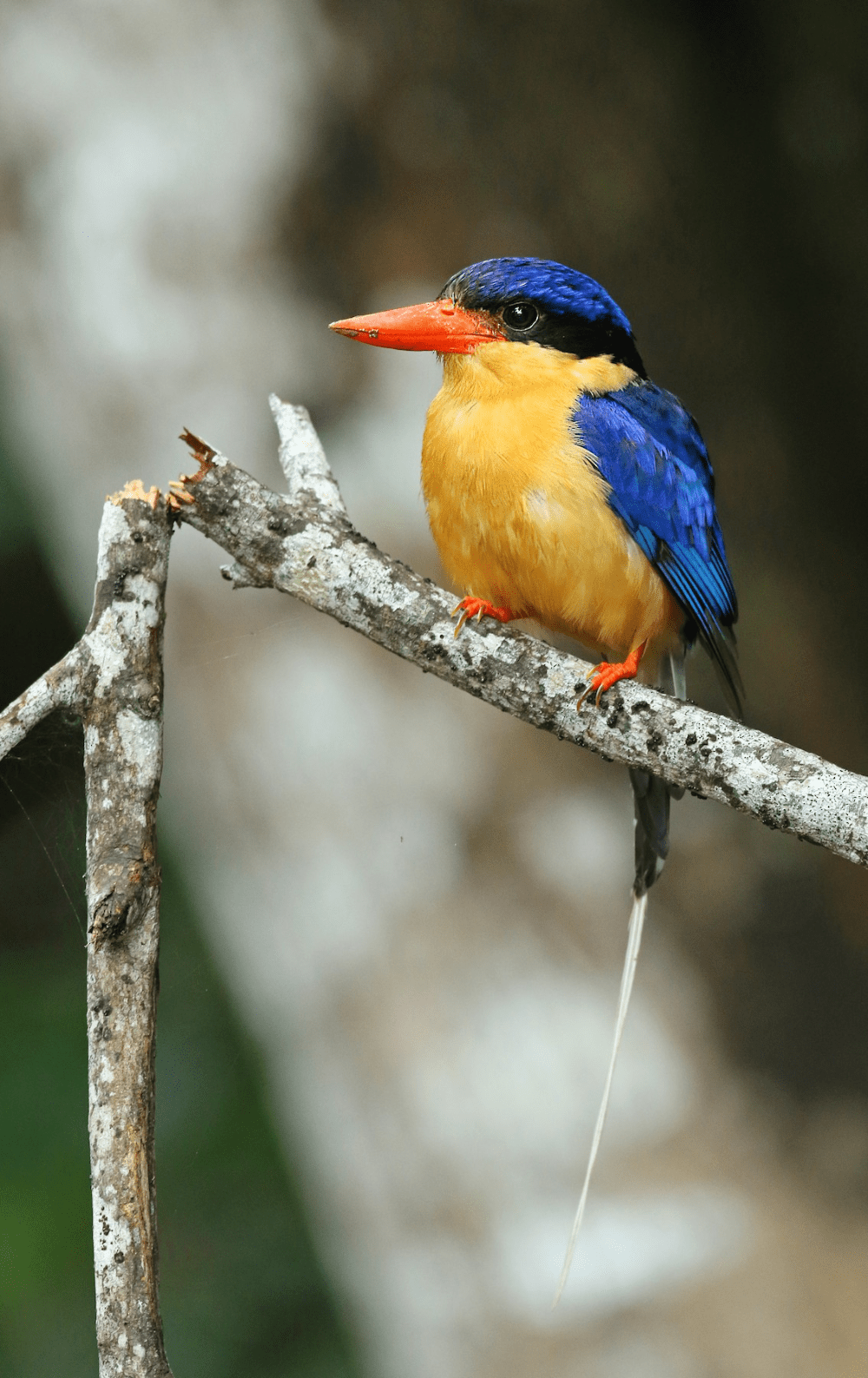
O martim-pescador surge da onda negra
como uma flor azul, em seu bico
ele carrega uma folha prateada. Acredito ser este
o mundo mais bonito – desde que você não se importe
de morrer um pouco, como pode, em toda vida, haver um dia
que não tenha sua gota de felicidade?
Há mais peixes do que folhas
em mil árvores, e, de toda forma, o martim-pescador
não veio ao mundo para pensar nisso, ou em qualquer outra coisa.
Quando a onda se fecha sobre sua cabeça azul, a água
permanece água – a fome é a única história
que ele já ouviu em toda sua vida na qual pode confiar.
Não digo que ele esteja certo. Nem,
tampouco, errado. Religiosamente, ele engole a folha prateada
com seu rio vermelho dividido, e com um grito áspero e agradável
que não poderia me despertar do meu corpo pensativo
se minha vida dependesse disso, ele se desloca de volta
para o mar brilhante para fazer a mesma coisa, para faze-lo
(como eu desejo fazer alguma coisa, qualquer coisa) perfeitamente.

Trad.: Nelson Santander

The kingfisher

The kingfisher rises out of the black wave
like a blue flower, in his beak
he carries a silver leaf. I think this is
the prettiest world – so long as you don’t mind
a little dying, how could there be a day in your whole life
that doesn’t have its splash of happiness?
There are more fish than there are leaves
on a thousand trees, and anyway the kingfisher
wasn’t born to think about it, or anything else.
When the wave snaps shut over his blue head, the water
remains water – hunger is the only story
he has ever heard in his life that he could believe.
I don’t say he’s right. Neither
do I say he’s wrong. Religiously he swallows the silver leaf
with its broken red river, and with a rough and easy cry
I couldn’t rouse out of my thoughtful body
if my life depended on it, he swings back
over the bright sea to do the same thing, to do it
(as I long to do something, anything) perfectly.