Ada Limón – Guarda compartilhada

Por que nunca vi isso como o que realmente era:
abundância? Duas famílias, duas diferentes
mesas de cozinha, dois conjuntos de regras, dois
riachos, duas rodovias, dois pais de criação
com seus aquários de peixes ou fitas cassetes ou
fumaça de cigarro ou experiência em receitas ou
habilidades de leitura. Não posso reverter isso, o disco
arranhado e parando naquela faixa
caótica original. Mas deixe-me dizer, eu era levada
de um lado para outro aos domingos e não era fácil,
mas eu era amada em cada lugar. Por isso tenho
dois cérebros agora. Dois cérebros inteiramente diferentes.
Um que sempre sente falta do lugar onde não estou,
e outro que fica aliviado por finalmente estar em casa.

Trad.: Nelson Santander

Mais do que uma leitura, uma experiência. Clique, compre e contribua para manter a poesia viva em nosso blog

Joint Custody

Why did I never see it for what it was:
abundance? Two families, two different
kitchen tables, two sets of rules, two
creeks, two highways, two stepparents
with their fish tanks or eight-tracks or
cigarette smoke or expertise in recipes or
reading skills. I cannot reverse it, the record
scratched and stopping to that original
chaotic track. But let me say, I was taken
back and forth on Sundays and it was not easy
but I was loved each place. And so I have
two brains now. Two entirely different brains.
The one that always misses where I’m not,
and the one that is so relieved to finally be home.

Ida Vitale – Peixe na água

                        PEIXE NA ÁGUA

Como peixe na água,
como peixe, porém, pensado por Leibniz1:

peixe pleno de lago,
de lago pleno de peixes,
peixe infinito pleno de lagos infinitos
à margem de um eu infinito.
Então sim,
como um peixe na água
de um lago
de outro mundo onde
as
la(c)gunas
não nos
dilacerem.

Trad.: Nelson Santander

  1. A menção a Leibniz (1646-1716) evoca seu conceito de monadologia, segundo o qual o universo é composto por ‘mônadas’ — unidades indivisíveis que contêm em si uma representação do todo. No poema, essa ideia se manifesta no peixe que contém lagos infinitos, espelhando a noção leibniziana de que cada ser carrega em si reflexos do universo inteiro. A referência também sugere a ‘harmonia preestabelecida’ pensada pelo filósofo, que se relaciona com o ‘outro mundo’ evocado nos versos finais, onde as fragmentações deixam de existir – embora, ironicamente, seja nos versos finais que o poema mais se fragmenta visualmente, ao mimetizar o movimento das águas e o pervagar dos peixes. O que sugere que a completude está apenas no conceito – enquanto o fluxo da realidade e da linguagem é, por natureza, dinâmico e fragmentado. ↩︎

Mais do que uma leitura, uma experiência. Clique, compre e contribua para manter a poesia viva em nosso blog

                        PEZ EN EL AGUA

Como pez en el agua,
como pez, empero, pensado por Leibniz:

pez lleno de lago,
de lago lleno de peces,
pez infinito lleno de lagos infinitos,
a la orilla de un sí mismo infinito.
Entonces sí,
como pez en el agua
de un lago
de otro mundo donde
no
nos
laceren
lagunas.

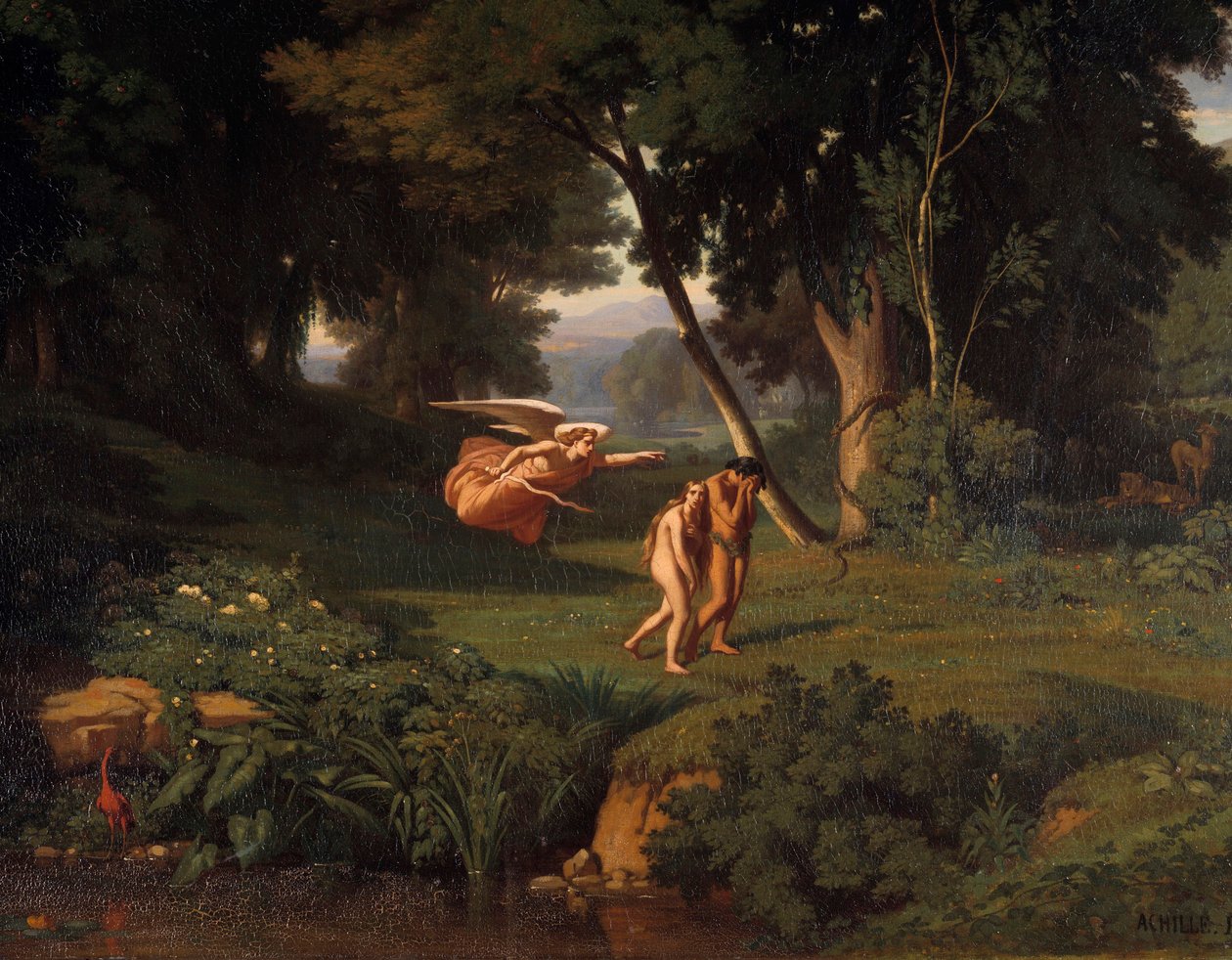
Ansel Elkins – Autobiografia de Eva

Calçando apenas botas de pele de
serpente, abri uma trilha, a primeira
estrada radical para fora daquele velho reino
em direção a um novo desconhecido.
Quando cheguei àqueles grandes portões flamejantes
de ouro incandescente,
encontrei-me sozinha e aterrorizada no limiar
entre o Paraíso e a Terra.
Ali ouvi um eco misterioso:
minha própria voz
cantando para mim do lado
proibido. Despertei sobressaltada —
subitamente viva em um clarão de fogo verde.

Que fique registrado: não caí em desgraça.

Saltei
para a liberdade.

Trad.: Nelson Santander

Mais do que uma leitura, uma experiência. Clique, compre e contribua para manter a poesia viva em nosso blog

Autobiography of Eve

Wearing nothing but snakeskin
boots, I blazed a footpath, the first
radical road out of that old kingdom
toward a new unknown.
When I came to those great flaming gates
of burning gold,
I stood alone in terror at the threshold
between Paradise and Earth.
There I heard a mysterious echo:
my own voice
singing to me from across the forbidden
side. I shook awake—
at once alive in a blaze of green fire.

Let it be known: I did not fall from grace.

I leapt
to freedom.

Wendell Berry – A Meta

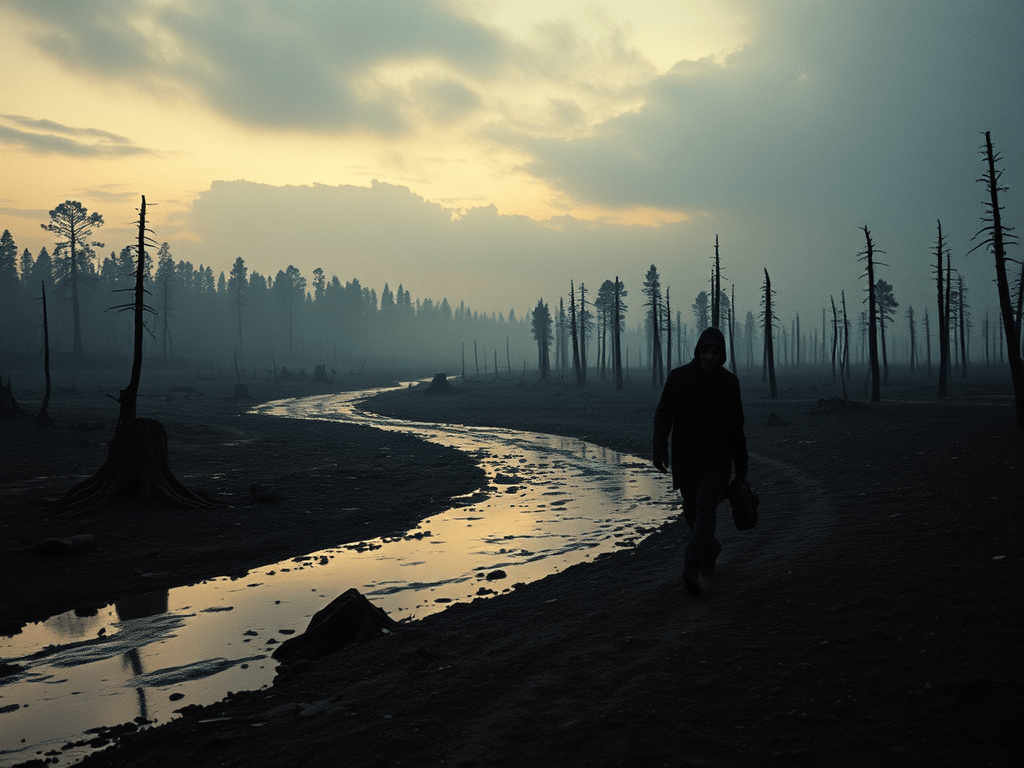
Mesmo enquanto sonhava, eu rezava para que o que via fosse apenas medo, e não um presságio,
pois o que vi foi a última paisagem conhecida ser destruída em nome
da meta – o solo devastado, a rocha explodida.
Aqueles que queriam voltar para casa jamais chegariam lá agora.
Visitei os escritórios onde, em nome da meta,
os planejadores planejavam em mesas vazias enfileiradas.
Visitei as fábricas barulhentas onde se faziam as máquinas
que avançariam sempre em direção à meta.
Vi a floresta reduzida a tocos e ravinas;
vi o rio envenenado – a montanha lançada no vale;
cheguei à cidade que ninguém reconhecia porque se parecia com todas as outras cidades.
Vi os caminhos gastos pelos incontáveis passos daqueles
cujos olhos estavam fixos na meta.
Sua passagem obliterou as sepulturas e os monumentos
dos que morreram na busca da meta
e que há muito foram esquecidos para sempre,
segundo a regra inevitável de que aqueles que esquecem,
esquecem que esqueceram.
Homens, mulheres e crianças agora perseguiam a meta como se ninguém jamais a tivesse perseguido antes.
As raças e os sexos agora se misturavam perfeitamente na busca da meta.
Os outrora escravizados, os outrora oprimidos,
eram livres agora para se vender ao maior lance
e entrar nas prisões mais bem pagas em busca da meta,
que era a destruição de todos os inimigos,
que era a destruição de todos os obstáculos,
que era abrir caminho para a vitória,
que era abrir caminho para a promoção,
para a salvação,
para o progresso,
para a venda concluída,
para a assinatura no contrato,
que era abrir caminho rumo à autorrealização, à autocriação,
caminho do qual quem quisesse voltar para casa jamais conseguiria,
pois cada lugar recordado havia sido deslocado;
cada amor, desfeito,
cada promessa, descumprida,
cada palavra, desdita,
para dar passagem à multidão dos individualizados,
dos autônomos, dos automotivados, dos sem-teto com seus muitos olhos
abertos em direção à meta que ainda não percebiam na distância,
sem jamais saber para onde estavam indo,
sem jamais saber de onde vieram.

Trad.: Nelson Santander

Mais do que uma leitura, uma experiência. Clique, compre e contribua para manter a poesia viva em nosso blog

The Objective

Even while I dreamed I prayed that what I saw was only fear and no foretelling,
for I saw the last known landscape destroyed for the sake
of the objective–the soil bulldozed, the rock blasted.
Those who had wanted to go home would never get there now.
I visited the offices where for the sake of the objective,
the planners planned at blank desks set in rows.
I visited the loud factories where the machines were made
that would drive ever forward toward the objective.
I saw the forest reduced to stumps and gullies;
I saw the poisoned river–the mountain cast into the valley;
I came to the city that nobody recognized because it looked like every other city.
I saw the passages worn by the unnumbered footfalls of those
whose eyes were fixed upon the objective.
Their passing had obliterated the graves and the monuments
of those who had died in pursuit of the objective
and who had long ago forever been forgotten,
according to the inevitable rule that those who have forgotten
forget that they have forgotten.
Men and women, and children now pursued the objective as if nobody ever had pursued it before.
The races and the sexes now intermingled perfectly in pursuit of the objective.
The once-enslaved, the once-oppressed,
were now free to sell themselves to the highest bidder
and to enter the best paying prisons in pursuit of the objective,
which was the destruction of all enemies,
which was the destruction of all obstacles,
which was to clear the way to victory,
which was to clear the way to promotion,
to salvation,
to progress,
to the completed sale,
to the signature on the contract,
which was to clear the way to self-realization, to self-creation,
from which nobody who ever wanted to go home would ever get there now,
for every remembered place had been displaced;
every love unloved,
every vow unsworn,
every word unmeant
to make way for the passage of the crowd of the individuated,
the autonomous, the self-actuated, the homeless with their many eyes
opened toward the objective which they did not yet perceive in the far distance,
having never known where they were going,
having never known where they came from.


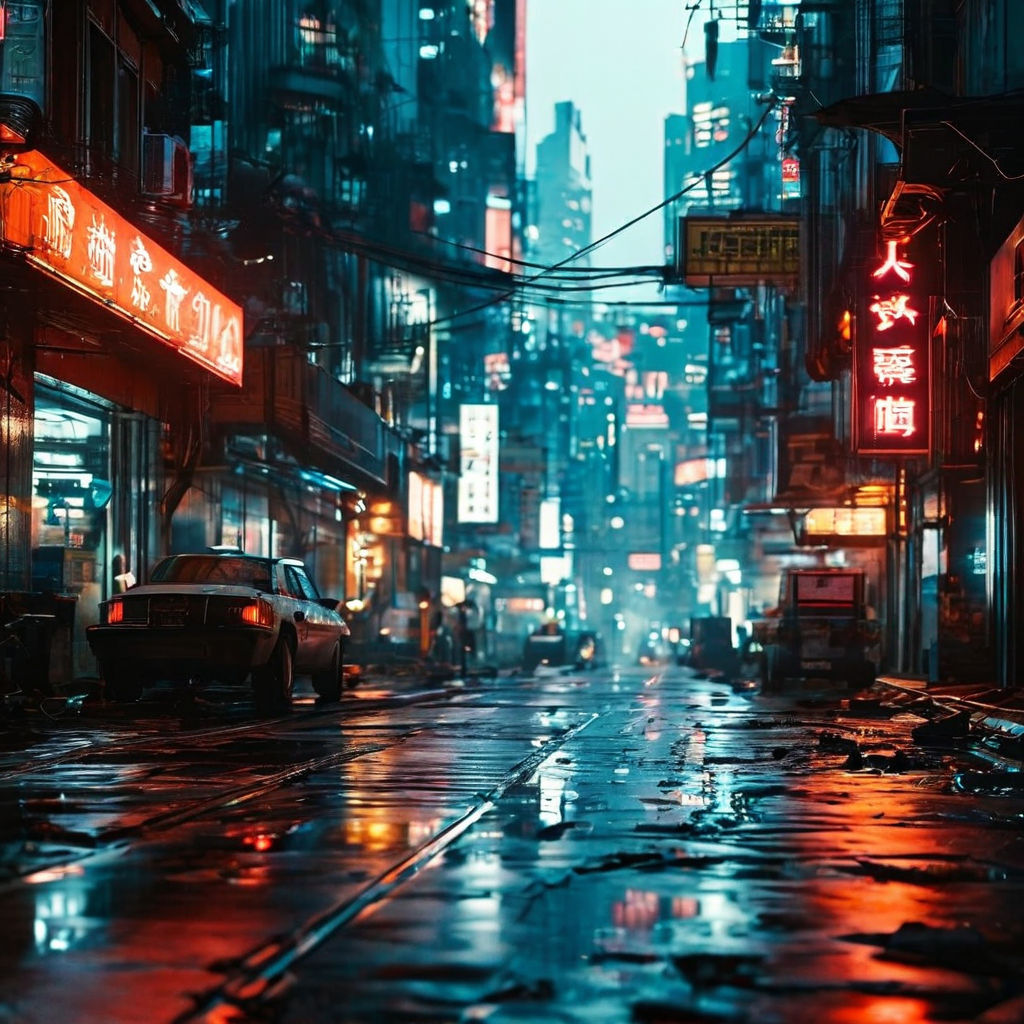
Alex Dimitrov – Solstício de inverno

Mais uma vez é a noite mais longa do ano.
A cidade lembra um set de filmagem.
Suas ruas berrantes a anunciar
o que não pode ser medido: silêncio,
quem passou pelos espelhos, neon no cinza.
Três pombos se amontoam sob a luz do bar.
Um casal discute em uma lanchonete enquanto um garçom
traz a conta. Não está claro o que a história,
ou mesmo os últimos cinco minutos, fizeram a eles.
Além disso, quem sabe o que fazer com o amor?
Talvez ele se apague antes de um cigarro.
O que bastaria para nos consumir, essa escuridão,
quão frios parecemos mesmo em nossa própria miséria,
mesmo sabendo que sentiremos falta disso.
Sentiremos falta disso quando acabar.

Trad.: Nelson Santander

Mais do que uma leitura, uma experiência. Clique, compre e contribua para manter a poesia viva em nosso blog

Winter Solstice

Again it’s the longest night of the year.
The city closer to a replica of movie sets.
Its garish streets announcing
what can not be measured: silence,
who were in mirrors, neon in the gray.
Three pigeons huddle under bar light.
A couple argues in a diner while a server
brings their checks. It’s unclear what history
has done to them, or even the last five minutes.
Besides, who knows what to do with love?
It may not make it through one cigarette.
And it’s enough to kill you, how dark it is
how cold we seem even in our own misery
all while knowing we will miss this.
We will miss this when it ends.

Sarah Lindsay – Origem

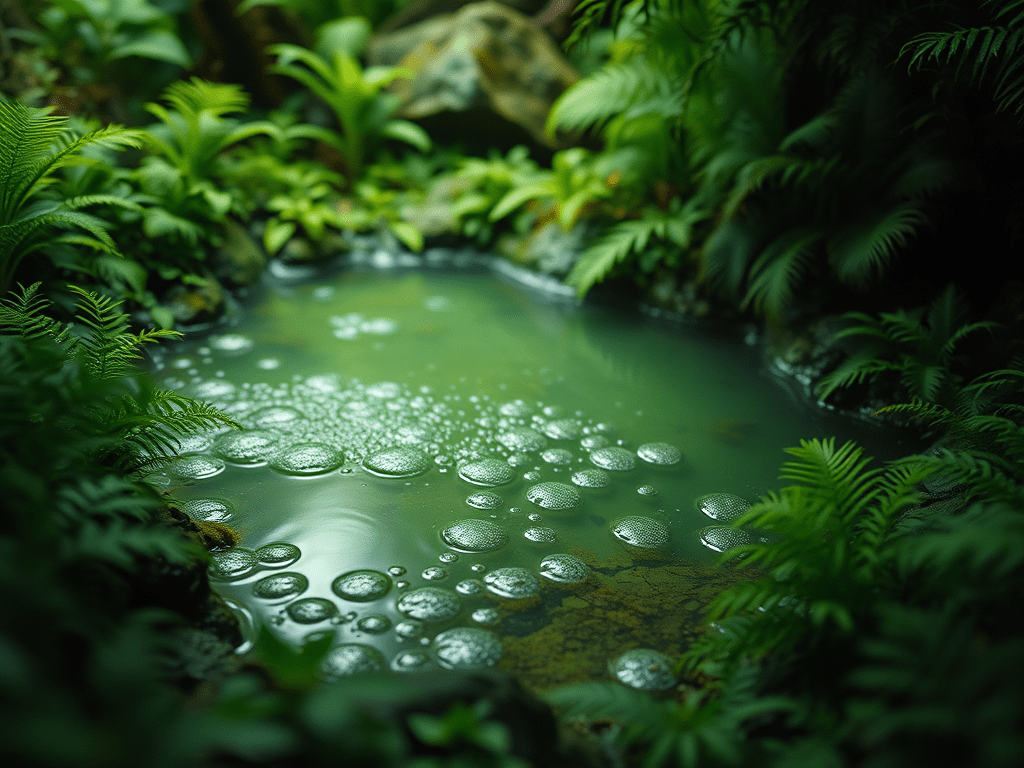
A primeira célula não sentiu o impulso de se dividir.
Nutrida por abundantes sais e sol,
delgada ainda, ela simplesmente se espalhou,
balançando sobre a água, agarrando-se à pedra,
uma película de força complacente.
Seu retículo endoplasmático
era algo de incomparável extensão sinuosa;
seu núcleo, aparelho de Golgi, RNA,
magníficos. Sem estar sujeita
a solidão, conflito interior, ou engano,
sem predador nem presa,
ela tinha pouco a fazer, a não ser prosperar,
afastar-se de qualquer calor intenso
ou amargor, e mudar seus tons pastéis
em uma espécie de canção.
Somos descendentes da segunda célula.

Trad.: Nelson Santander

Mais do que uma leitura, uma experiência. Clique, compre e contribua para manter a poesia viva em nosso blog

Origin

The first cell felt no call to divide.
Fed on abundant salts and sun,
still thin, it simply spread,
rocking on water, clinging to stone,
a film of obliging strength.
Its endoplasmic reticulum
was a thing of incomparable curvaceous length;
its nucleus, Golgi apparatus, RNA
magnificent. With no incidence
of loneliness, inner conflict, or deceit,
no predator nor prey,
it had little to do but thrive,
draw back from any sharp heat
or bitterness, and change its pastel
colors in a kind of song.
We are descendants of the second cell.

Ron Koertge – Espaço vazio

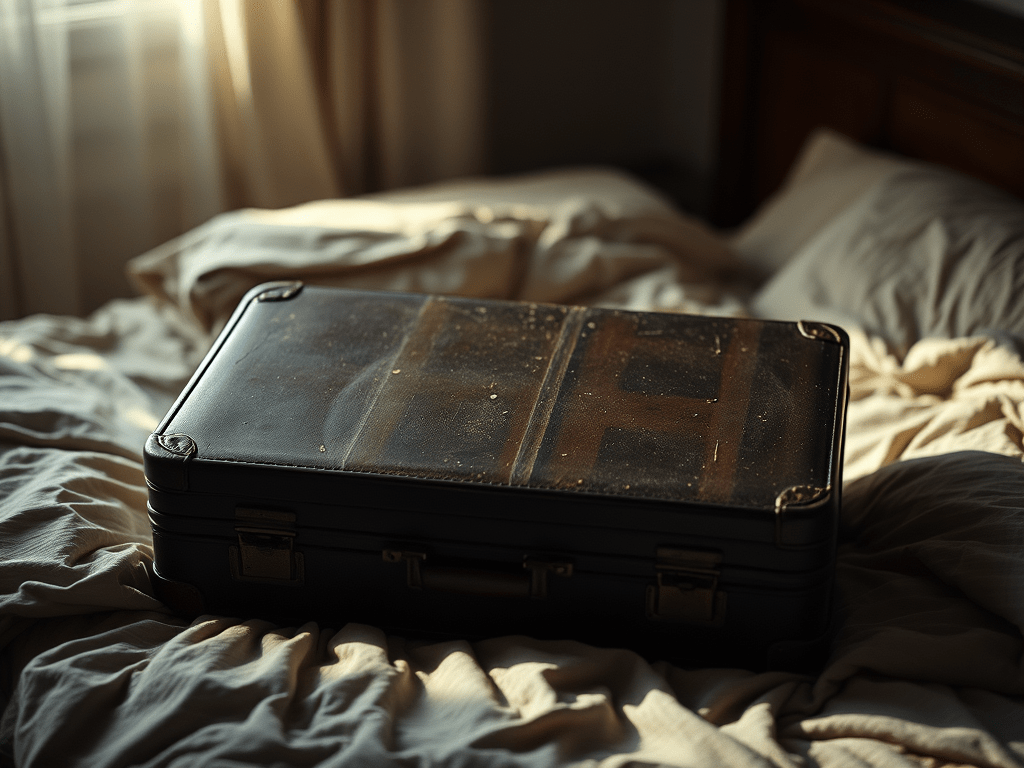
Meu pai me ensinou a fazer as malas: colocar tudo à vista. Guardar metade. Enrolar o que pode ser enrolado. As peças que amarrotam vão sobre as de algodão. Depois, calças, da cintura às barras. Cantinhos e frestas para as meias. Cintos nas laterais, como cobras. Plástico por cima. Depois, os sapatos. Usar as roupas pesadas no avião.
Começamos quando eu era pequeno. Eu enrolava as meias. Então ele fingia me colocar na mala, e a gente ria. Alguns caras criam laços com seus pais jogando basquete ou falando sobre Chevrolets. Nós fizemos isso através de bagagens.
Quando fiz doze anos, se ele estivesse ocupado, eu fazia as malas para ele. Mamãe até tentava, mas não tinha o mesmo jeito. Ele chegava a algum lugar, abria a mala e me mandava uma mensagem: ”Perfeito”. Aquela única palavra dele significava muito.
O funeral foi terrível — ele estendido naquela caixa enorme, e eu chorando, pensando: Olha só todo esse espaço vazio.

Trad.: Nelson Santander

Mais do que uma leitura, uma experiência. Clique, compre e contribua para manter a poesia viva em nosso blog

Negative Space

My dad taught me to pack: lay out everything. Put back half. Roll things that roll. Wrinkle-prone things on top of cotton things. Then pants, waist-to-hem. Nooks and crannies for socks. Belts around the sides like snakes. Plastic over that. Add shoes. Wear heavy stuff on the plane.
We started when I was little. I’d roll up socks. Then he’d pretend to put me in the suitcase, and we’d laugh. Some guys bond with their dads shooting hoops or talking about Chevrolets. We did it over luggage.
By the time I was twelve, if he was busy, I’d pack for him. Mom tried but didn’t have the knack. He’d get somewhere, open his suitcase and text me — ”Perfect.” That one word from him meant a lot.
The funeral was terrible—him laid out in that big carton and me crying and thinking, Look at all that wasted space.

Eavan Boland – A douradora

Ela amava prata, ela amava ouro,
minha mãe. Ela falava sobre a influência
dos metais, a congruência dos átomos,
as aulas de arte onde aprendera
essas coisas: imagine só
ela me dizia ao contar
que, para dourar qualquer superfície, um mestre artesão
precisava fundir ouro com mercúrio,
aquecer os dois para que um se tornasse volátil,
o outro não,
e para fazer direito
tinha que separá-los e então
queimar, queimar, queimar o mercúrio
até que desaparecesse, deixando para trás
uma camada de luz. O único problema, acrescentou —
mas o que disse depois eu esqueci.

O que ela passou uma vida esquecendo
poderia ser meu tema:
as aldeotas muradas de Leinster,
os vilarejos costeiros onde a linguagem
do mar era transmitida,
frases feridas por tormentas,
por naufrágios. Mas não é.
Meu tema é o papel do desejo
na forma como os vilarejos são feitos
para desaparecer, na forma como aprendi
a separar memória de conhecimento,
então um era volátil, o outro não,
e como comecei a escrever,
luz ardente,
gerando calor até que de repente
eu era a douradora
pronta para espalhar esplendor,
pronta para decorar aconteceu
com nunca aconteceu quando
de repente lembro o que foi
que ela disse: o único problema é que
é extremamente perigoso.

Trad.: Nelson Santander

Mais do que uma leitura, uma experiência. Clique, compre e contribua para manter a poesia viva em nosso blog

The Fire Gilder

She loved silver, she loved gold,
my mother. She spoke about the influence
of metals, the congruence of atoms,
the art classes where she learned
these things: think of it
she would say as she told me
to gild any surface a master craftsman
had to meld gold with mercury,
had to heat both so one was volatile,
one was not
and to do it right
had to separate them and then
burn, burn, burn mercury
until it fled and left behind
a skin of light. The only thing, she added—
but what came after that I forgot.

What she spent a lifetime forgetting
could be my subject:
the fenced-in small towns of Leinster,
the coastal villages where the language
of the sea was handed on,
phrases bruised by storms,
by shipwrecks. But isn’t.
My subject is the part wishing plays in
the way villages are made
to vanish, in the way I learned
to separate memory from knowledge,
so one was volatile, one was not
and how I started writing,
burning light,
building heat until all at once
I was the fire gilder
ready to lay radiance down,
ready to decorate it happened
with it never did when
all at once I remember what it was
she said: the only thing is
it is extremely dangerous.

Seamus Heaney – Posfácio

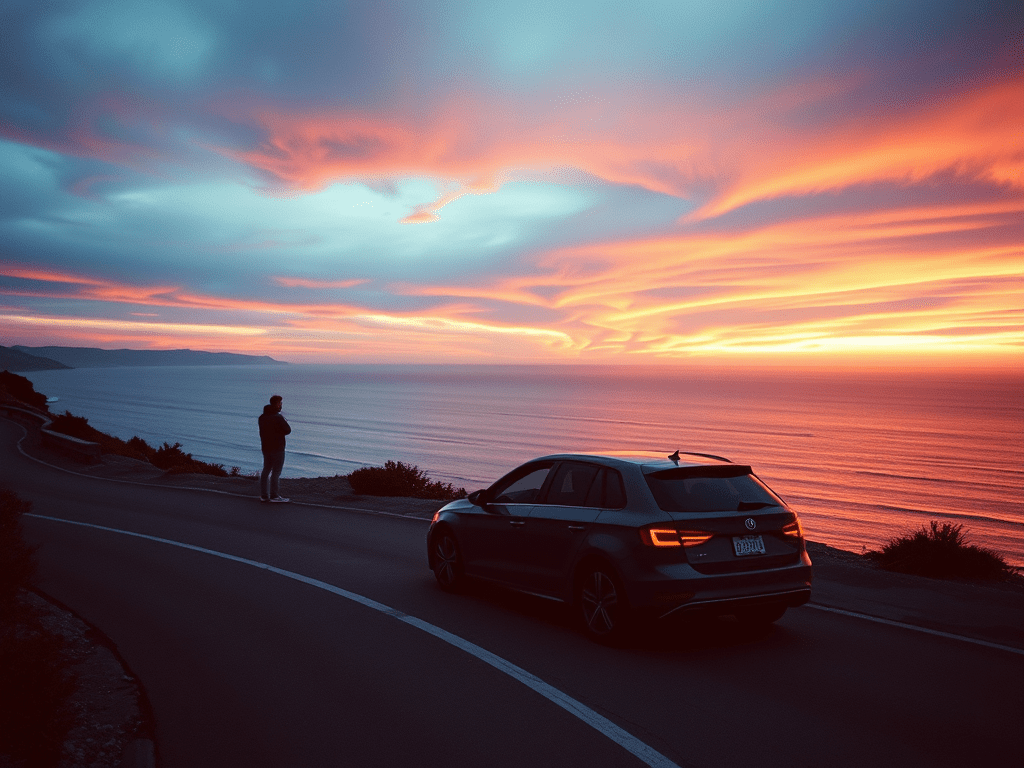
E reserve um tempo para ir até o oeste
Rumo a County Clare, pela Flaggy Shore,
Em setembro ou outubro, quando o vento
E a luz interagem entre si,
De modo que o oceano de um lado se torna selvagem,
Com espuma e brilho, e terra adentro, entre as pedras,
A superfície de um lago cinza ardósia é iluminada
Pelo clarão terrestre de um bando de cisnes,
Suas penas ásperas e revoltas, branco sobre branco,
Suas cabeças plenas, de aparência obstinada,
Curvadas ou erguidas ou atarefadas sob a água.
Inútil pensar que ao parar você irá capturar tudo
De uma só vez. Você não está aqui nem lá,
Um fluxo onde conhecido e desconhecido se encontram,
Enquanto grandes e suaves rajadas atingem o carro de lado,
Pegam o coração desprevenido e o fazem se abrir.

Trad.: Nelson Santander

Mais do que uma leitura, uma experiência. Clique, compre e contribua para manter a poesia viva em nosso blog

Postscript

And some time make the time to drive out west
Into County Clare, along the Flaggy Shore,
In September or October, when the wind
And the light are working off each other
So that the ocean on one side is wild
With foam and glitter, and inland among stones
The surface of a slate-grey lake is lit
By the earthed lightning of a flock of swans,
Their feathers roughed and ruffling, white on white,
Their fully grown headstrong-looking heads
Tucked or cresting or busy underwater.
Useless to think you’ll park and capture it
More thoroughly. You are neither here nor there,
A hurry through which known and strange things pass
As big soft buffetings come at the car sideways
And catch the heart off guard and blow it open.

Kenneth Rexroth – Ar e Anjos: Apenas Esta Noite

Luar agora em Malibu
A noite de inverno as poucas estrelas
Distantes milhões de milhas
O mar seguindo sempre
Eternamente ao redor da Terra
Tão distante quanto próximos estão seus lábios
Banhados da mesma luz dos seus olhos
Amada amada amada
O futuro ficou para trás
E o passado nunca acontecerá
Temos apenas este
Nosso único para sempre
Tão pequeno tão infinito
Tão breve tão vasto
Imortal como nossas mãos que se tocam
Imorredouro como o vinho iluminado que bebemos
Onipotente como este único beijo
Que não tem começo
Que nunca nunca
Terá
Fim

Trad.: Nelson Santander

Mais do que uma leitura, uma experiência. Clique, compre e contribua para manter a poesia viva em nosso blog

Air and Angels: This Night Only

Moonlight now on Malibu
The winter night the few stars
Far away millions of miles
The sea going on and on
Forever around the earth
Far and far as your lips are near
Filled with the same light as your eyes
Darling darling darling
The future is long gone by
And the past will never happen
We have only this
Our one forever
So small so infinite
So brief so vast
Immortal as our hands that touch
Deathless as the firelit wine we drink
Almighty as this single kiss
That has no beginning
That will never
Never
End