William Stafford – No monumento não-nacional ao longo da fronteira canadense

Este é o campo onde a batalha não aconteceu,
onde o soldado desconhecido não morreu.
Este é o campo onde deu as mãos o gramado
onde monumento algum foi levantado
e a única coisa heroica é o céu.

Pássaros voam aqui sem nenhuma agitação,
abrindo suas asas ao ar livre.
Ninguém matou – ou foi morto – neste torrão
consagrado pelo esquecimento e por um ar tão brando
que as pessoas o celebram dele se esquecendo.

Trad.: Nelson Santander

REPUBLICAÇÃO: poema originalmente publicado na página em 16/09/2020

At the Un-National Monument Along the Canadian Border

This is the field where the battle did not happen,
where the unknown soldier did not die.
This is the field where grass joined hands,
where no monument stands,
and the only heroic thing is the sky.

Birds fly here without any sound,
unfolding their wings across the open.
No people killed — or were killed — on this ground
hallowed by neglect and an air so tame
that people celebrate it by forgetting its name.

John Murillo – Dolores, talvez

Nunca contei isso a ninguém. Até agora, até você.

Dormi uma vez num campo além da ribeira,
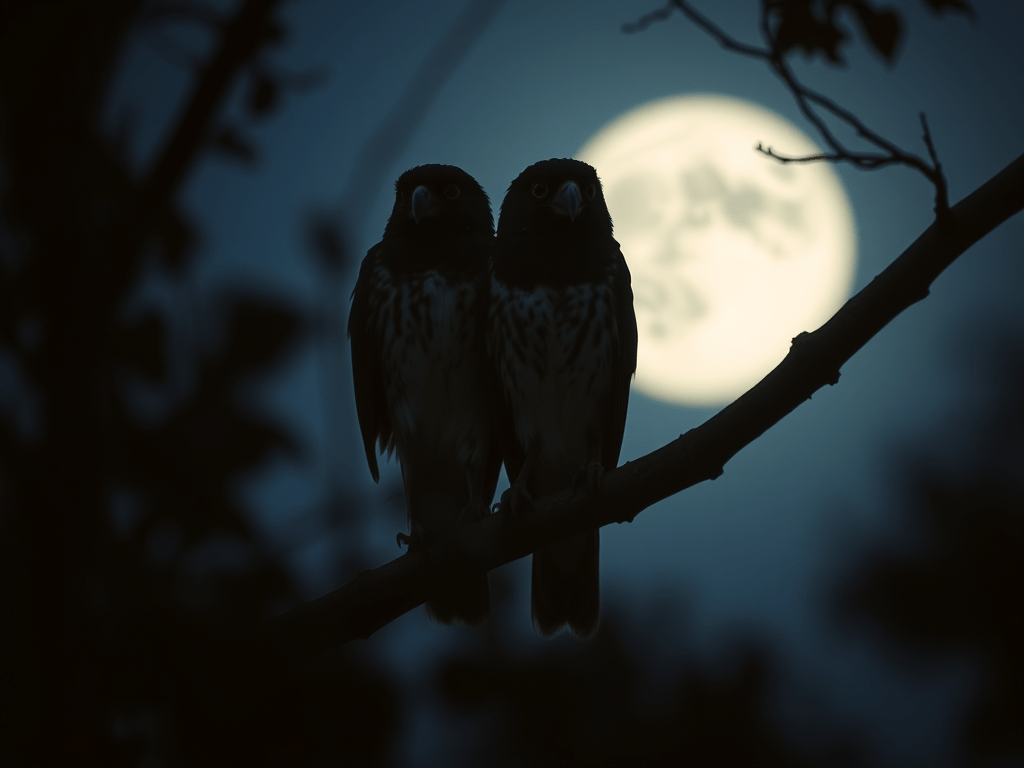
um bando de noitibós velando por mim.

Foi no verão em que um fazendeiro encontrou sua filha
pendurada no sótão do celeiro, e desejou, pela primeira vez,
não tê-la tocado daquela maneira.

Gostaria de dizer que éramos próximos — a menina e eu,
digo — mas eu só a conhecia de cumprimentar,

e uma vez a acompanhei até a metade do caminho
antes de finalmente entrar no quintal da minha avó.

Isso foi em Ontario, Califórnia. 1983.
O que quer dizer que não havia rio algum.
E eu não saberia reconhecer um noitibó nem se ele me bicasse.

Mas a menina era real. E o dia em que a encontraram foi real.

E o vestido que ela usava, o mesmo da nossa caminhada —
pervinca, ela o chamava; eu o chamava azul,
azul com flores amarelas brilhantes por toda parte

— o vestido e as flores, eles também eram reais.

E na nossa caminhada, lembro, cortamos caminho pelo pátio ferroviário,
e nos deparamos com um coiote morto perto dos trilhos.

Uma frágil e empoeirada pilha de remorso, ele não fazia companhia a ninguém.

Ficamos olhando para ele por algum tempo, nossas sombras se alongando, cobrindo o animal.
Ela disse algo que eu lembraria por anos, sobre solidão,

mas que há muito esqueci, do mesmo jeito que esqueci —
embora possa ver seu rosto como se ela estivesse aqui — seu próprio nome.

Vamos chamá-la Dolores, de dolor. Espanhol para angústia.

E qualquer que fosse o céu, por mais adorável que fosse aquela tarde,
lembro principalmente do vento,
de como uma brisa desfez o que restava de uma trança,

e de quando tentei afastar alguns fios soltos
da testa de Dolores, como ela se encolheu,
como correu o resto do caminho até sua casa,

e como nunca mais a vi depois disso,
exceto quando a carregaram do celeiro — seu vestido pervinca,
seus braços e pernas azuis, e os campos
em chamas com margaridas.

Passei o resto daquele verão no pátio ferroviário
com meu coiote morto, vendo os trens serem carregados e partirem.

O verão todo, eu o apedrejei.
O verão todo, usei as pedras para soletrar o nome da menina —
Dolores, talvez — no chão.

O verão todo, formigas lava-pés rastejaram entre as letras —
o nome dela, agora, sua própria cidadela.

Uma temporada de calor e chuvas fortes reduziram meu coiote a nada.
Só restaram dentes e alguns ossos resistentes

que se recusaram, por fim, a partir.

Semanas depois do outono, alguém encontrou o pai
pendurado nas mesmas vigas rangentes,
o sótão do celeiro preto de moscas varejeiras.

Mas isso foi em 1983. Ontario, Califórnia.
O que quer dizer que as moscas estão mortas. As formigas também.
E nem o campo nem o celeiro estão onde os deixei.

Nunca contei isso a ninguém. Até agora, até você.

Juntei um punhado de ossos e dentes do meu coiote,
e os atei todos com uma linha de pesca —
um talismã para espantar a angústia. Um talismã que estendo a você agora.

Por favor. Aproxime-se. Pegue-o da minha mão.

Trad.: Nelson Santander

Mais do que uma leitura, uma experiência. Clique, compre e contribua para manter a poesia viva em nosso blog

Dolores, Maybe

I’ve never spoken to anyone about this. Until now, until you.

I slept once in a field beyond the riverbank,
a flock of nightjars watching over me.

That was the summer a farmer found his daughter
hanging in the hayloft, and wished, for the first time,
he had not touched her so.

I wish I could say we were close—the girl and I,
I mean—but I only knew her to wave hello,

and walked her, once, halfway up the road
before turning finally into my grandmother’s yard.

This was Ontario, California. 1983.
Which is to say, there was no river.
And I wouldn’t know a nightjar if it bit me.

But the girl was real. And the day they found her, that was real.

And the dress she wore, same as on our walk—
periwinkle, she called it; I called it blue,
blue with bright yellow flowers all over

—the dress and the flowers, they too were real.

And on our walk, I remember, we cut through the rail yard,
and came upon a dead coyote lying near the tracks.

A frail and dusty heap of regret, he was companion to no one.

We stared at him for some time, our shadows stretched long and covering the animal.
She said something I’d remember for years, about loneliness,

but have long forgotten, the way I’ve forgotten—
though I can see her face as if she were standing right here—her very name.

Let’s call her Dolores, from dolor. Spanish for anguish.

And whatever the sky, however lovely that afternoon,
I remember mostly the wind,
how a breeze unraveled what was left of a braid,

and when I tried to brush from Dolores’s brow
a few loose strands, how she flinched,
how she ran the rest of the way home,

how I never saw her after that,
except when they carried her from the barn—her periwinkle dress,
her blue legs and arms, and the fields
ablaze with daisies.

I spent the rest of that summer in the rail yard
with my dead coyote, watching trains loaded and leaving.

All summer long, I’d pelt him with stones.
All summer long, I’d use the stones to spell the girl’s name—
Dolores, maybe—in the dirt.

All summer long, fire ants crawled over and between each letter—
her name, now, its own small town.

A season of heat and heavy rains washed my coyote to nothing.
Only teeth and a few stubborn bones

that refused, finally, to go down.

Weeks into autumn, someone found the father
hanged from the same groaning tie-beams,
the hayloft black with bottle flies.

But that was 1983. Ontario, California.
Which is to say, the bottle flies are dead. So, too, the ants.
And neither field nor barn is where I left it.

I’ve never spoken to anyone about this. Until now, until you.

I gathered a handful of my coyote’s bones, his teeth,
and strung them all on fishing wire—
a talisman to ward off anguish. A talisman I hold out to you now.

Please. Come closer. Take this from my hand.

Louise Glück – Paisagem

1.

O sol se põe por trás das montanhas,
a terra esfria.
Um estranho amarra seu cavalo a um castanheiro nu.
O cavalo está quieto — vira a cabeça de repente,
ouvindo, ao longe, o som do mar.

Preparo minha cama para passar a noite aqui,
estendendo minha colcha mais pesada sobre a terra úmida.

O som do mar —
quando o cavalo vira a cabeça, posso ouvi-lo.

Numa trilha entre castanheiros nus,
um cãozinho segue seu dono.

O cãozinho — ele não costumava correr na frente,
esticando a coleira, como se quisesse mostrar ao dono
o que vê ali, ali adiante —

o futuro, o caminho, chame como quiser.

Atrás das árvores, ao entardecer, é como um grande incêndio
ardendo entre duas montanhas,
de modo que a neve no pico mais alto
parece, por um momento, também arder.

Ouça: no fim da trilha, o homem chama.
Sua voz se tornou estranha agora,
a voz de alguém que chama o que não pode ver.

Repetidas vezes, ele grita por entre os castanheiros escuros.
Até que o animal responde,
ao longe, com um som tênue,
como se aquilo que tememos
não fosse terrível.

Crepúsculo: o estranho desamarra seu cavalo.

O som do oceano —
agora, apenas memória.

2.

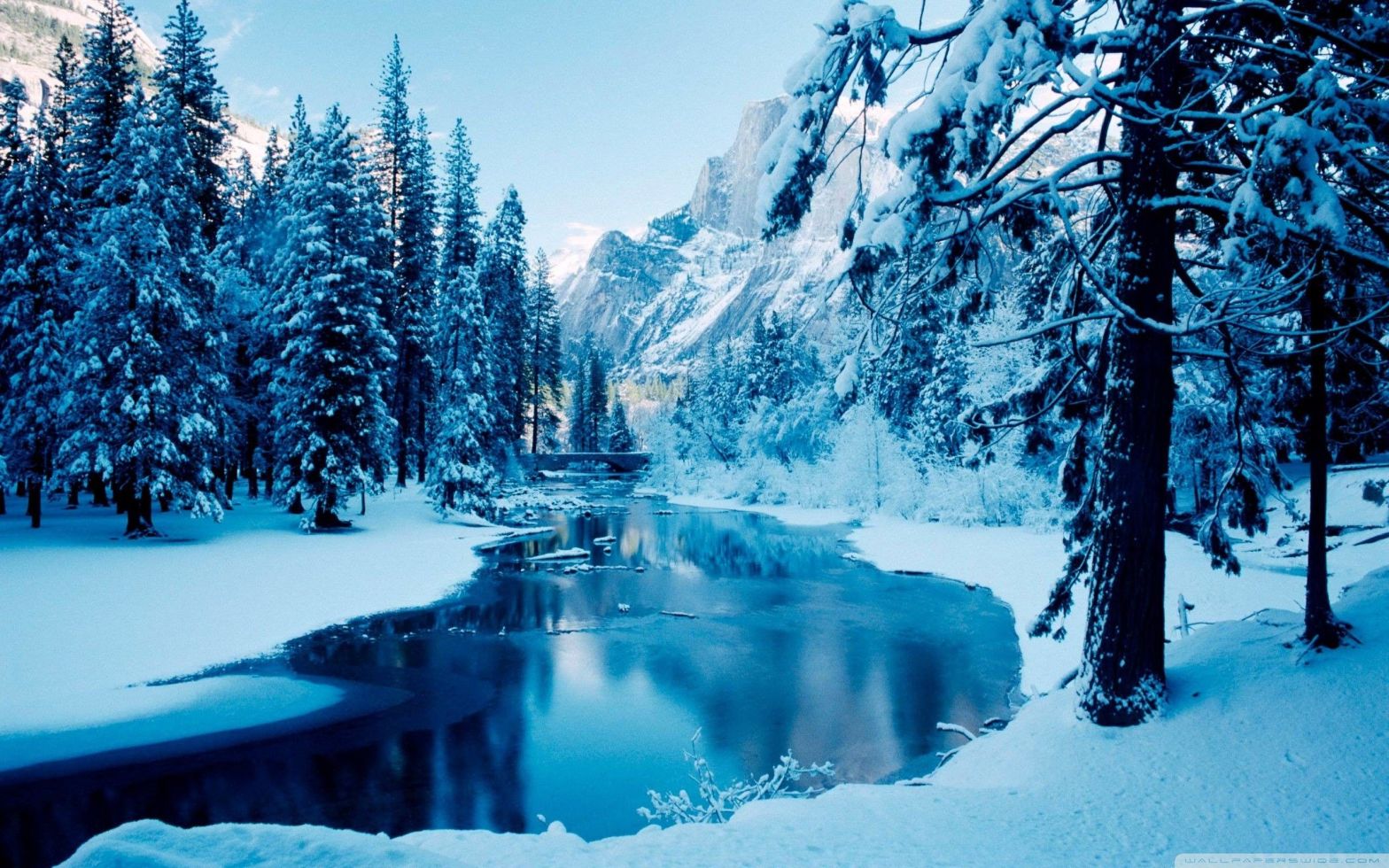
O tempo passou, transformando tudo em gelo.
Sob o gelo, o futuro se agitava.
Se caíssemos nele, morreríamos.

Foi um tempo
de espera, de ação suspensa.

Eu vivia no presente, que era
aquela parte do futuro que podíamos ver.
O passado flutuava acima da minha cabeça,
como o sol e a lua, visível mas inatingível.

Foi um tempo
regido por contradições, como em
eu não sinto nada e
eu tenho medo.

O inverno esvaziou as árvores, depois as encheu de neve.
Porque eu não sentia, a neve caiu, o lago congelou.
Porque eu tinha medo, não me movi;
minha respiração era branca, uma descrição do silêncio.

O tempo passou, e parte dele se tornou isto.
E parte simplesmente evaporou;
podíamos vê-la flutuar sobre as árvores brancas
formando partículas de gelo.

Toda a sua vida, você esperou pelo momento propício.
Então o momento propício
se revelou como o ato em si.

Eu via o passado se mover, uma linha de nuvens avançando
da esquerda para a direita ou da direita para a esquerda,
dependendo do vento. Alguns dias

não havia vento. As nuvens pareciam
permanecer onde estavam,
como uma pintura do mar, mais imóveis que reais.

Alguns dias, o lago era uma película de vidro.
Sob o vidro, o futuro emitia
sons discretos, convidativos:
era preciso se conter para não escutar.

O tempo passou; você pôde ver um pedaço dele.
Os anos que levou foram anos de inverno;
não fariam falta. Alguns dias

não havia nuvens, como se
as fontes do passado houvessem desaparecido. O mundo

perdera seu colorido, como um negativo; a luz passava
diretamente por dele. Então
a imagem esmaecia.

Acima do mundo
havia apenas o azul, azul por toda parte.

3.

No fim do outono, uma jovem ateou fogo a um campo
de trigo. O outono

fora muito seco; o campo
ardeu como um pavio.

Depois não restou nada.
Você caminha por ele, não vê nada.

Não há o que colher, nem o que cheirar.
Os cavalos não compreendem —

Onde está o campo?, parecem dizer.
Do mesmo modo que você e eu diríamos:
onde está o lar?

Ninguém sabe como responder.
Não restou nada;
só resta esperar, pelo bem do fazendeiro,
que o seguro cubra.

É como perder um ano de nossas vidas.
A que entregaríamos um ano de nossas vidas?

Depois, você volta ao antigo lugar —
tudo o que resta é carvão: negrume e vazio.

Você pensa: como pude viver aqui?

Mas era diferente então,
até mesmo no verão passado. A terra se comportava

como se nada pudesse dar errado.

Um fósforo foi o suficiente.
Mas no tempo certo — precisava ser no tempo certo.

O campo ressequido, seco —
a morte já instalada,
por assim dizer.

4.

Adormeci em um rio, acordei em um rio,
de meu misterioso
fracasso em morrer nada posso
dizer, nem
quem me salvou, nem por que razão —

Havia um imenso silêncio.
Nenhum vento. Nenhum som humano.
O século amargo

chegara ao fim, o glorioso se fora, o perene se fora,

o sol frio
persistindo como uma espécie de curiosidade, uma lembrança,
o tempo fluindo atrás dele —

O céu parecia muito limpo,
como no inverno,
o solo seco, não cultivado,

a luz oficial movendo-se
calmamente por uma fenda no ar

digna, complacente,
dissolvendo a esperança,
subordinando imagens do futuro a sinais de sua partida —

Acho que devo ter caído.
Quando tentei me levantar, tive de me forçar,
não acostumada à dor física —

Esquecera
a dureza dessas condições:

a terra não obsoleta
mas imóvel, o rio frio, raso —

Do meu sono, nada
lembro. Quando eu gritava
minha própria voz me acalmava, inesperadamente.

No silêncio da consciência, perguntei-me:
por que rejeitei minha vida? E respondi:
Die Erde überwältigt mich:
a terra me subjuga.

Tentei ser precisa nesta descrição
caso alguém venha depois de mim. Posso afirmar que,
quando o sol se põe no inverno, é
incomparavelmente belo e a memória disso
dura muito. Acho que isso quer dizer

que não houve noite.
A noite estava dentro de mim.

5.

Depois que o sol se pôs,
cavalgamos depressa, na esperança de encontrar
abrigo antes da escuridão.

Eu já podia ver as estrelas,
primeiro no céu oriental:

cavalgávamos, portanto,
na direção oposta à da luz
e rumo ao mar, pois
eu ouvira falar que lá havia uma vila.

Depois de algum tempo, começou a nevar.
Não muito, a princípio, depois
de forma constante, até que a terra
se cobriu de uma película branca.

O caminho percorrido aparecia
claramente quando eu virava a cabeça —
por um instante traçava
uma linha escura pela terra —

Então a neve se espessou, o caminho sumiu.
O cavalo estava cansado e faminto;
não conseguia mais encontrar
solo firme em parte alguma. Eu disse a mim mesma:

já estive perdida antes, já senti frio antes.
A noite veio até mim
exatamente assim, como um presságio —

e pensei: se eu tiver de
voltar aqui, gostaria de voltar
como ser humano, o meu cavalo

como ele mesmo. Caso contrário,
eu não saberia como começar de novo.

Trad.: Nelson Santander

REPUBLICAÇÃO: poema originalmente publicado na página em 14/09/2020

Landscape

1.

The sun is setting behind the mountains,
the earth is cooling.
A stranger has tied his horse to a bare chestnut tree.
The horse is quiet – he turns his head suddenly,
hearing, in the distance, the sound of the sea.

I make my bed for the night here,
spreading my heaviest quilt over the damp earth.

The sound of the sea —
when the horse turns its head, I can hear it.

On a path through the bare chestnut trees,
a little dog trails its master.

The little dog – didn’t he used to rush ahead,
straining the leash, as though to show his master
what he sees there, there in the future —

the future, the path, call it what you will.

Behind the trees, at sunset, it is as though a great fire
is burning between two mountains
so that the snow on the highest precipice
seems, for a moment, to be burning also.

Listen: at the path’s end the man is calling out.
His voice has become very strange now,
the voice of a person calling to what he can’t see.

Over and over he calls out among the dark chestnut trees.
Until the animal responds
faintly, from a great distance,
as though this thing we fear
were not terrible.

Twilight: the stranger has untied his horse.

The sound of the sea —
just memory now.

2.

Time passed, turning everything to ice.
Under the ice, the future stirred.
If you fell into it, you died.

It was a time
of waiting, of suspended action.

I lived in the present, which was
that part of the future you could see.
The past floated above my head,
like the sun and moon, visible but never reachable.

It was a time
governed by contradictions, as in
I felt nothing and
I was afraid.

Winter emptied the trees, filled them again with snow.
Because I couldn’t feel, snow fell, the lake froze over.
Because I was afraid, I didn’t move;
my breath was white, a description of silence.

Time passed, and some of it became this.
And some of it simply evaporated;
you could see it float above the white trees
forming particles of ice.

All your life, you wait for the propitious time.
Then the propitious time
reveals itself as action taken.

I watched the past move, a line of clouds moving
from left to right or right to left,
depending on the wind. Some days

there was no wind. The clouds seemed
to stay where they were,
like a painting of the sea, more still than real.

Some days the lake was a sheet of glass.
Under the glass, the future made
demure, inviting sounds:
you had to tense yourself so as not to listen.

Time passed; you got to see a piece of it.
The years it took with it were years of winter;
they would not be missed. Some days

there were no clouds, as though
the sources of the past had vanished. The world

was bleached, like a negative; the light passed
directly through it. Then
the image faded.

Above the world
there was only blue, blue everywhere.

3.

In late autumn a young girl set fire to a field
of wheat. The autumn

had been very dry; the field
went up like tinder.

Afterward there was nothing left.
You walk through it, you see nothing.

There’s nothing to pick up, to smell.
The horses don’t understand it-

Where is the field, they seem to say.
The way you and I would say
where is home.

No one knows how to answer them.
There is nothing left;
you have to hope, for the farmer’s sake,
the insurance will pay.

It is like losing a year of your life.
To what would you lose a year of your life?

Afterward, you go back to the old place—
all that remains is char: blackness and emptiness.

You think: how could I live here?

But it was different then,
even last summer. The earth behaved

as though nothing could go wrong with it.

One match was all it took.
But at the right time – it had to be the right time.

The field parched, dry—
the deadness in place already
so to speak.

4.

I fell asleep in a river, I woke in a river,
of my mysterious
failure to die I can tell you
nothing, neither
who saved me nor for what cause—

There was immense silence.
No wind. No human sound.
The bitter century

was ended,
the glorious gone, the abiding gone,

the cold sun
persisting as a kind of curiosity, a memento,
time streaming behind it—

The sky seemed very clear,
as it is in winter,
the soil dry, uncultivated,

the official light calmly
moving through a slot in air

dignified, complacent,
dissolving hope,
subordinating images of the future to signs of the future’s passing—

I think I must have fallen.
When I tried to stand, I had to force myself,
being unused to physical pain—

I had forgotten
how harsh these conditions are:

the earth not obsolete
but still, the river cold, shallow—

Of my sleep, I remember
nothing. When I cried out,
my voice soothed me unexpectedly.

In the silence of consciousness I asked myself:
why did I reject my life? And I answer
Die Erde überwältigt mich:
the earth defeats me.

I have tried to be accurate in this description
in case someone else should follow me. I can verify
that when the sun sets in winter it is
incomparably beautiful and the memory of it
lasts a long time. I think this means

there was no night.
The night was in my head.

5.

After the sun set
we rode quickly, in the hope of finding
shelter before darkness.

I could see the stars already,
first in the eastern sky:

we rode, therefore,
away from the light
and toward the sea, since
I had heard of a village there.

After some time, the snow began.
Not thickly at first, then
steadily until the earth
was covered with a white film.

The way we traveled showed
clearly when I turned my head—
for a short while it made
a dark trajectory across the earth—

Then the snow was thick, the path vanished.
The horse was tired and hungry;
he could no longer find
sure footing anywhere. I told myself:

I have been lost before, I have been cold before.
The night has come to me
exactly this way, as a premonition—

And I thought: if I am asked
to return here, I would like to come back
as a human being, and my horse

to remain himself. Otherwise
I would not know how to begin again.
Toi Derricotte – Não Esquecido

Amo como as formigas pretas lidam com seus mortos.
Elas os carregam como guerreiros em suas costas
de aço. Passam horas se esforçando, levantando,
arrastando, para que mesmo na morte tenham alguma utilidade.
Não é macabro — como seria para nós —
levá-los de volta para serem comidos. Penso em
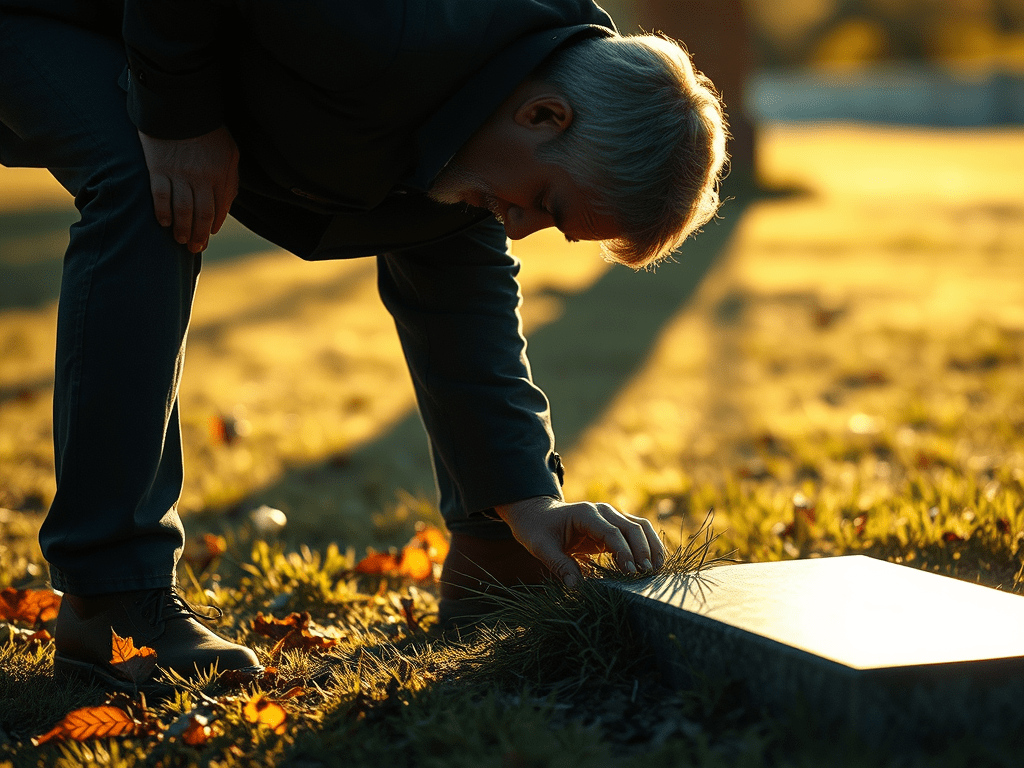
meu marido junto ao túmulo de seu pai —
a grama havia coberto a lápide
e o nome desaparecera. Ele sacou
um canivete e cortou a relva; limpou a inscrição
com seu lenço para torná-la visível. “É assim
que seremos esquecidos?” E ele se curvou sobre o túmulo e chorou.

Trad.: Nelson Santander

Mais do que uma leitura, uma experiência. Clique, compre e contribua para manter a poesia viva em nosso blog

Not Forgotten

I love the way the black ants use their dead.
They carry them off like warriors on their steel
backs. They spend hours struggling, lifting,
dragging, so that even the dead will be of service.
It is not grisly — as it would be for us —
to carry them back to be eaten. I think of
my husband at his father’s grave —
the grass had closed
over the headstone, and the name had disappeared. He took out
a pocket knife and cut the grass away; he swept it
with his handkerchief to make it clear. “Is this the way
we’ll be forgotten?” And he bent down over the grave and wept.

Andrew Hudgins – No poço

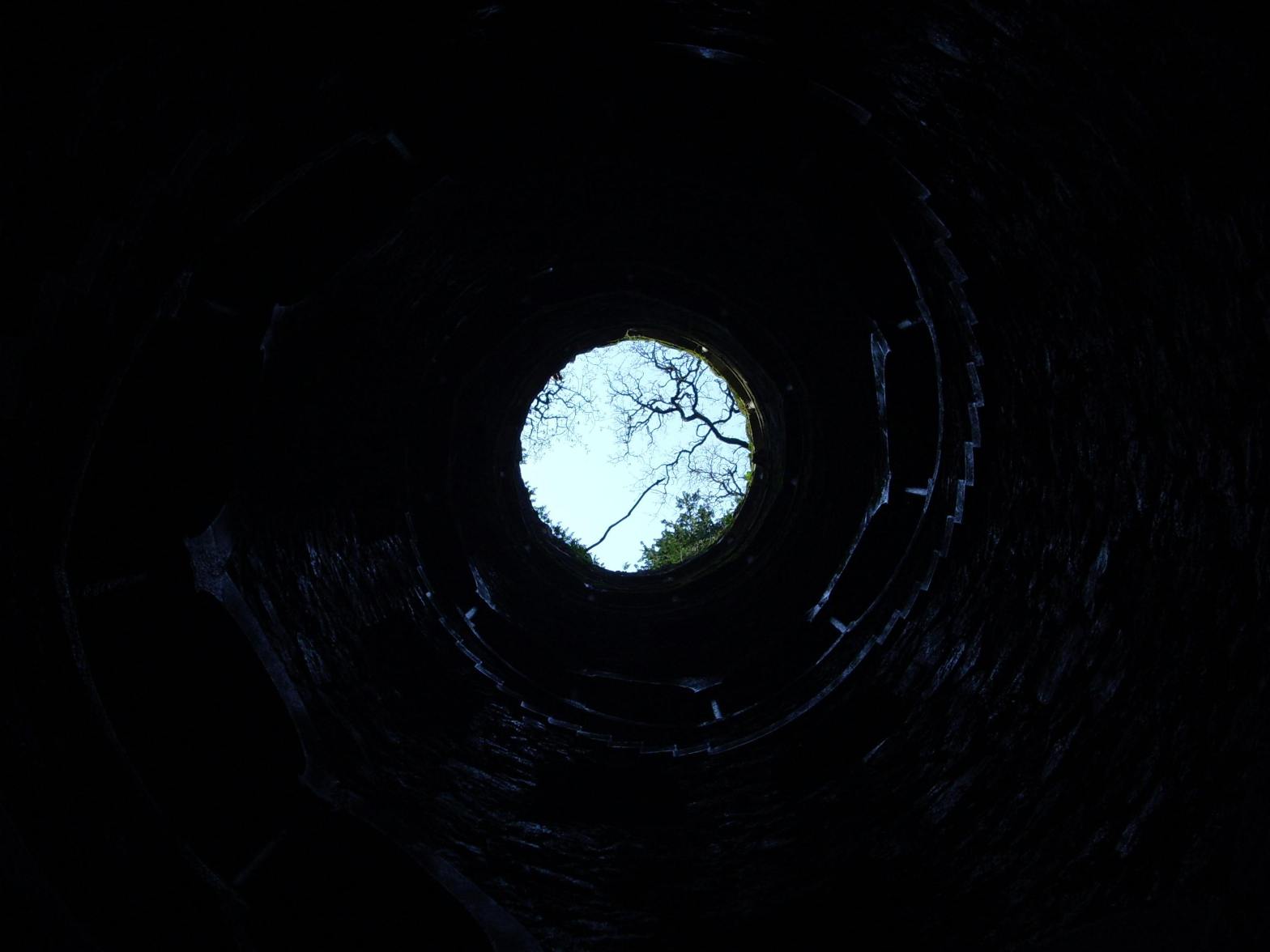
Meu pai amarrou em mim uma corda,
um laço ao redor da minha cintura,
e baixou-me para o fundo e dentro
das trevas. Eu sentia a paúra,

seu gosto. Primeiro foi um sabor
de noite, então terra, e podridão.
Balancei e bati com a cabeça
e foi naquele momento que, então,

conheci um outro: depois o sangue
pôs-me na boca um sabor de metal.
A partir de então, meu pai me soltou
gradativamente, mão após mão:

depois água. Então pelo molhado,
que apertei junto ao peito. Eu gritei.
Papai puxou a corda encharcada
com força. Engasguei, e pressionei

contra mim o cão perdido do meu
vizinho. Então abracei seu fim
e emergi em direção ao meu pai.
Depois, a luz. As mãos. E o ar, enfim.

Trad.: Nelson Santander

REPUBLICAÇÃO: poema originalmente publicado na página em 10/09/2020

In the well

My father cinched the rope,
a noose around my waist,
and lowered me into
the darkness. I could taste

my fear. It tasted first
of dark, then earth, then rot.
I swung and struck my head
and at that moment got

another then: then blood,
which spiked my mouth with iron.
Hand over hand, my father
dropped me from then to then:

then water. Then wet fur,
which I hugged to my chest.
I shouted. Daddy hauled
the wet rope. I gagged, and pressed

my neighbor’s missing dog
against me. I held its death
and rose up to my father.
Then light. Then hands. Then breath.

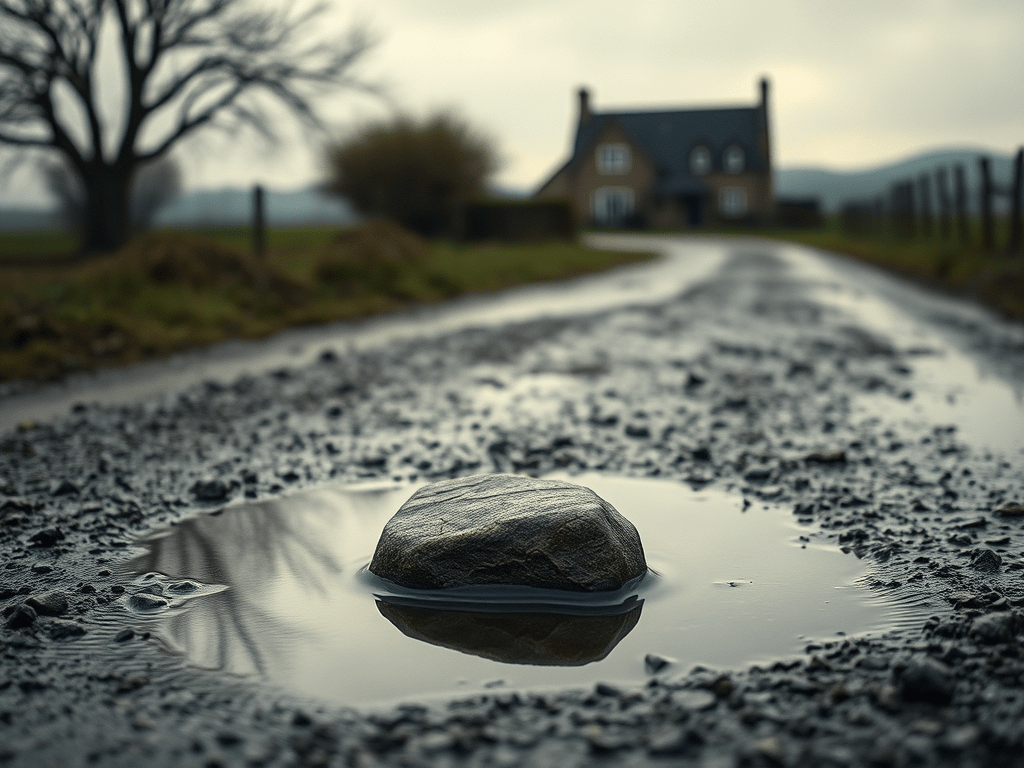
Jeannie Prinsen – Ao encontrar uma pedra para colocar no caixão do pai

Na manhã do funeral, você dirige
até a fazenda. Melhor não incomodar

os novos donos, além disso a pista
está enlameada e esburacada, então você

sai da estrada, abre as portas,
e examina o chão cheio de poças.

Talvez a pedra certa se ofereça,
voluntarie-se para prestar um tributo

e voltar humildemente para debaixo da terra,
como ele está prestes a fazer. Mas

não, está tudo silencioso, só se ouve
o suave e sinuoso lamento da chuva.

O tempo se esvai, como sempre,
então você escolhe uma, pequena o suficiente

para o propósito. Você jamais pensou
que colocaria uma parte de seu lar,

de seu coração, em uma caixa forrada
de veludo, que ela tingiria

seus dedos de vermelho-ferrugem, pesaria quase
nada, significaria quase tudo.

Trad.: Nelson Santander

Mais do que uma leitura, uma experiência. Clique, compre e contribua para manter a poesia viva em nosso blog

On finding a stone to put in your father’s casket

Morning of the funeral, you drive out
to the farm. Best not to disturb

the new owners, also the lane
is muddy and rutted, so you pull in

off the road, open the doors,
scan the puddled ground.

Maybe the right stone will offer
itself, volunteer to stand tribute

and go humbly back under the earth
as he is about to do. But

no, all is quiet, just the soft
slant weeping of rain.

Time slips away, as it does,
so you pick one, small enough

for the purpose. Did you ever think
you’d place a piece of home,

of your heart, in a velvet-lined
drawer, that it would stain

your fingers rust-red, weigh nearly
nothing, mean almost everything.

Edna St. Vincent Millay – dois poemas de “A few Figs from Thistles”

“A few Figs from Thistles” (excertos)1

Primeiro Figo

Meu círio arde nas duas extremidades;
Não durará a noite inteira;
Mas ah, meus inimigos, oh, meus confrades –
Dá uma luz tão feiticeira! –

Segundo Figo

Sobre sólida rocha, a salvo, repousam as casas feias:
Venha e veja meu brilhante castelo erigido sobre a areia!

Trad.: Nelson Santander

REPUBLICAÇÃO: poema originalmente publicado na página em 08/09/2020

  1. N. do T.: “A few Figs from Thistles” – título do livro do qual foram extraídos os dois poemas – é uma clara referência a um versículo do evangelho de Mateus: “Pelos seus frutos os conhecereis. É possível alguém colher uvas de um espinheiro ou figos das ervas daninhas?” (Mateus, 7:16). Aliás, uma outra passagem bíblica do mesmo apóstolo é aludido no “Segundo Figo”. Esta: “Pois, todo aquele que ouve estas minhas palavras e não as pratica é como um insensato que construiu a sua casa sobre a areia.”(Mateus, 7:26). ↩︎

From “A few Figs from Thistles”

First Fig

My candle burns at both ends;
It will not last the night;
But ah, my foes, and oh, my friends –
It gives a lovely light! –

Second Fig

Safe upon the solid rock the ugly houses stand:
Come and see my shining palace built upon the sand!

Gary Snyder – Parta agora

Você não vai querer ler isso,
leitor,
esteja avisado, afaste-se
da escuridão,
parta agora.

— sobre a morte e a
morte da amada — não é meditação vaga
ou homilia, não se trata de ironia,
de deus ou de uma revelação ou
aceitação do — ou batalha contra o —
fim de nossa vida,
é sobre como os olhos
afundam e os dentes se destacam
depois de alguns dias quentes.
Seu último
suspiro, e eu ainda não estava pronto
para que aquele suspiro, o derradeiro, finalmente
chegasse. Após dez longos anos.
Tão magra que as articulações apareciam,
cada tendão e saliência.
Buda, descendo da montanha
depois de todo aquele jejum,
parecia mais rechonchudo que ela.
“I met a walking
skeleton, his name was Thomas Quinn”1
cantávamos
naquele tempo em que
ela mal conseguia andar, mas andava.
Eu lhe ministrava os remédios todas as noites e sempre
nos beijávamos doce e ferozmente depois da aplicação;
beijávamo-nos com força, e nossos dentes se chocavam, seus
lábios ressequidos, ferozes, ela era toda
ossos, respiração e olhos.

Não fazíamos amor há oito anos,
ela tinha orifícios que drenavam o tempo todo
em seus flancos, novos que surgiam,
fase final — e ela falava quando conseguia.

Filhas, mãe, irmã, primos, amigos
entravam e saíam do quarto. Até mesmo a
enfermeira calejada estava em lágrimas.

“Goodnight sweetheart, well it’s time to go.”2
nosso dueto, rostos colados,
nas últimas seis semanas

Ela observava os pássaros fazendo ninho
na árvore do lado de fora.
Então ela morreu.
Eu a limpei com uma esponja e vesti nela uma blusa
com mangas para cobrir os cotovelos descarnados,
um vestido longo e diáfano
como o de Mumtaz Mahal —

Eu estava só. Então eles vieram.
Uma filha exclamou:
“Ela é um cadáver!” e ficou paralisada
do lado de fora no deque. Fazia calor.
No terceiro dia
a van da funerária veio buscá-la,
recuando até perto da porta,
Ajudei a enrolá-la nos lençóis,
deslizei-a em uma maca e a levei até o carro,
e eles subiram a colina de cascalho áspero
nosso grupo familiar ali em silêncio
enquanto eu me virava, prendia a respiração
e fechava os olhos para o céu.

Cinco dias de calor e eles me chamaram,
apenas Kai3 e eu, para testemunhar a cremação.
Com custo extra. Só nós dois
queríamos estar lá, para ver.
Seguimos a limusine
por um pátio de concreto com caçambas de cascalho,
passamos por um portão e chegamos
a um galpão de chapas metálicas
coberto de mato que antes era uma oficina
até a sala da fornalha e da chaminé,
que parecia um forno de cerâmica,
onde caixões de papelão vazios
se espalhavam empilhados ao redor.

Havia um jovem em uma escrivaninha
preenchendo papéis, suando, enquanto
dispúnhamos o incenso e o sino, a vela;
e fui até o leve caixão de papelão
e abri a tampa. O cheiro me atingiu como um golpe.
Eu pensara que a funerária
tivesse algum tipo de refrigeração,
como uma câmara fria,
talvez tivesse. Mas isso não ajudou muito.
Seu rosto magro mais afundado, desidratado,
olhos ainda abertos mas opacos, dentes mais proeminentes, seu corpo,
seu corpo com certeza, o corpo da minha doce senhora
reduzido ao essencial, e coloquei dois livros sobre
seu peito, livros que ela escrevera,
para levá-los em sua jornada, olhei-a de novo
e mais uma vez,
fechei e assenti.

Ele a enrolou com cuidado, deslizou a
caixa para dentro da fornalha, fechou a porta com firmeza,
como quem carrega um torpedo,
queimamos incenso e entoamos os
sutras sobre a impermanência e por todos os seres que viveram
ou que ainda viverão; coisas escritas apenas em magia
e apenas para os mortos — não para você, caro leitor —
observando o medidor de temperatura da fornalha,
alimentada a propano, subir progressivamente.

Então agora podemos ir.
Talvez eu saiba para onde ela foi —

Kai e eu mais uma vez
demos um profundo suspiro
— este é o preço do apego —

“Valeu a pena. Sem dúvida, valeu a pena —”

Ainda apaixonado, estando ali,
vendo e cheirando e sentindo,
pensando em adeus,

valeu até mesmo pelo cheiro.

Trad.: Nelson Santander

  1. A menção a “Thomas Quinn” e a imagem do “esqueleto ambulante” foram extraídos da canção popular “The State of Arkansas”, dos Almanac Singers, e seus versos “Met a walking skeleton / Whose name was Thomas Quinn” (Conheci um esqueleto / ambulante, seu nome era Thomas Quinn). Essa canção, que retrata as duras condições de vida dos trabalhadores agrícolas do Arkansas, utiliza a metáfora do esqueleto para simbolizar a exaustão física e a desnutrição. ↩︎
  2. “Boa noite, querida; bem, é hora de ir”. Os versos se referem à canção “Goodnight Sweetheart, Goodnight”, uma das canções mais populares do grupo vocal britânico The Overtones. Essa balada atemporal, com melodias suaves e letras românticas, se tornou um clássico do repertório do grupo.” ↩︎
  3. Um dos filhos de Gary Snyder com Masa Uehara – terceira esposa do poeta – com quem foi casado de 1967 a 1989. ↩︎

Mais do que uma leitura, uma experiência. Clique, compre e contribua para manter a poesia viva em nosso blog

Go Now

You don’t want to read this,
reader,
be warned, turn back
from the darkness,
go now.

— about death and the
death of a lover — it’s not some vague meditation
or a homily, not irony,
no god or enlightenment or
acceptance — or struggle — with the
end of our life,
it’s about how the eyes
sink back and the teeth stand out
after a few warm days.
Her last
breath, and I still wasn’t ready
for that breath, that last, to come
at last. After ten long years.
So thin that the joints showed through,
each sinew and knob
Shakyamuni coming down from the mountain
after all that fasting
looked plumper than her.
“I met a walking
skeleton, his name was Thomas Quinn” —
we sang
back then
she could barely walk, but she did.
I gave her the drugs every night and we always
kissed sweetly and fiercely after the push;
kissed hard, and our teeth clacked, her
lips dry, fierce, she was all
bones, breath and eyes.

We hadn’t made love in eight years
she had holes that drained all the time
in her sides, new ones that came,
end game — and she talked when she could.

Daughters, mother, sister, cousins, friends
in and out of the room. Even the
hardened hospice nurse in tears.

“Goodnight sweetheart, well it’s time to go.”
our duet, cheek to cheek,
for that last six weeks

She watched the small nesting birds
in the tree just outside.
Then she died.
I sponged her and put on a blouse
with sleeves to cover gaunt elbows,
a long gauzy skirt
like Mumtaz Mahal —

I was alone. Then they came.
One daughter cried out
“She’s a corpse!” and stood fixed
outside on the deck. It was warm.
The third day
the van from the funeral home came for her,
backing up close to the door,
I helped roll her into the sheets
slid on a gurney and wheeled to the car
and they drove up the rough gravel hill
our family group standing there silent
as I turned, held my breath,
closed my eyes to the sky.

Five days of heat and they called me,
just Kai and me, to come witness cremation.
It cost extra. Only the two of us
wanted to be there, to see.
We followed the limousine
through a concrete-yard with hoppers of gravel
through a gate beyond that
to an overgrown
sheet metal warehouse that once was a body-shop
to the furnace and chimney room,
it looked like a kiln for a potter,
there were cardboard coffins
stacked up empty around.

The young man at a desk and a table
filling out papers, sweating, as we
set out the incense and bell, the candle,
and I went to the light cardboard coffin
and opened the lid. The smell hit like a blow.
I had thought that the funeral home
had some sort of cooling
like a walk-in
maybe they did. But it didn’t much help.
Her gaunt face more sunken, dehydrated,
eyes still open but dull, teeth bigger, her body,
her body for sure, my sweet lady’s body
down to essentials, and I placed two books on
her breast, books she had written,
to send on her way, looked again
and again,
and closed it and nodded.

He rolled it up close, slid the
box in the furnace, locked down the door,
like loading a torpedo
we burned incense and chanted the
texts for impermanence and all beings who have lived
or who ever will yet; things writ only in magic
and just for the dead — not for you dear reader
watching the temperature gauge on the furnace,
firing with propane, go steadily up.

So now we can go.
Maybe I know where she’s gone —

Kai and I one more time
take a deep breath
— this is the price of attachment —

“Worth it. Easily worth it —”

Still in love, being there,
seeing and smelling and feeling it,
thinking farewell,

worth even the smell.

Ted Kooser – Sobrevivendo

Há dias em que o medo da morte
é tão onipresente quanto a luz. Ele ilumina
tudo. Sem ele, talvez eu não
tivesse notado esta joaninha,
brilhante como uma gota de sangue
no peitoril branco da janela.
Sua cabeça não maior que um ponto final,
seus olhos como pontas de agulhas;
ela parou por um instante para descansar,
joelhos travados, élitros ocultando
a renda delicada de suas asas.
À medida que o medo da morte, tão atento
a tudo o que vive, dela se aproxima,
as minúsculas antenas param de se mover.

Trad.: Nelson Santander

REPUBLICAÇÃO: poema originalmente publicado na página em 06/09/2020

Surviving

There are days when the fear of death
is as ubiquitous as light. It illuminates
everything. Without it, I might not
have noticed this ladybird beetle,
bright as a drop of blood
on the window’s white sill.
Her head no bigger than a period,
her eyes like needle points,
she has stopped for a moment to rest,
knees locked, wing covers hiding
the delicate lace of her wings.
As the fear of death, so attentive
to everything living, comes near her,
the tiny antennae stop moving.

Clint Smith – Acima da terra

Por semanas, é impossível sair sem que o canto
das cigarras nos envolva, a nós três, como uma colcha.
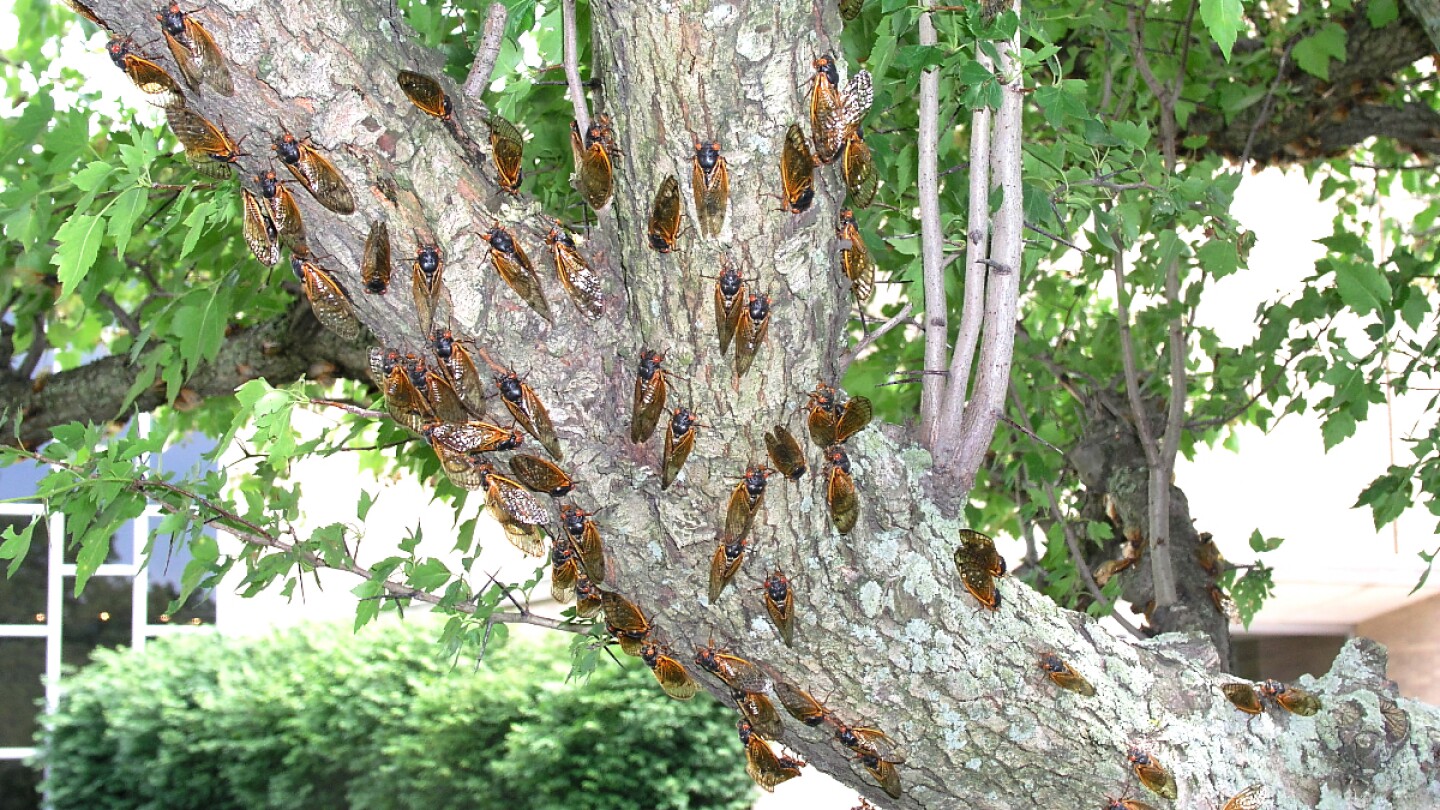
A árvore em nosso quintal tornou-se o santuário delas,
um lugar onde todas parecem se reunir

e cantar suas primeiras e derradeiras canções.
Aproximamo-nos e vemos como seus exoesqueletos
adornam a casca como espectros dourados,
sombras abandonadas por seus corpos

em busca de nova vida.
Um de vocês tem quatro anos. A outra tem dois.
Na próxima vez que as cigarras emergirem da terra,
vocês terão vinte e um e dezenove.

Penso em quanto pode mudar entre esses ciclos.
Quanto do nosso planeta ainda estará intacto?
Que tipo de sociedade as cigarras encontrarão
quando novamente aflorarem da terra?

Quando elas chegam, vocês dois ficam assustados
com esse novo ruído que paira no ar,
com esses pequenos corpos alados laranja e pretos
que caem do céu como chuva nova.

Elas não picam, eu digo.
Mas vocês não acreditam.
Então, estendo a mão para um dos galhos
e permito que uma dessas criaturas de olhos alaranjados suba

em meu dedo. Vocês a observam explorar minha mão
familiarizando-se com a carne de minha palma,
seus olhos se arregalando com a revelação de que essa visitante
pouco frequente não tem interesse em perfurar minha pele.

E talvez isso seja o bastante, porque agora
vocês tentam pegar cigarras do chão
e coletá-las em baldes como se fossem tesouros.
E talvez sejam mesmo.

Talvez o tesouro esteja no que morre quase
tão rápido quanto se ergue da terra.
Talvez tesouro seja qualquer coisa que nos lembre
o milagre de estar vivo.

Trad.: Nelson Santander

Mais do que uma leitura, uma experiência. Clique, compre e contribua para manter a poesia viva em nosso blog

Above Ground

For weeks, we can’t go outside without the cicadas’
song wrapping itself around the three of us like a quilt.
The tree in our front yard has become their sanctuary,
a place where they all seem to congregate

and sing their first and final songs.
We get closer, and see the way their exoskeletons
ornament the bark like golden ghosts,
shadows abandoned by their bodies

searching for new life.
One of you is four years old. One of you is two.
The next time the cicadas rise out of the earth
you will be twenty-one and nineteen.

I think of how much might change between these cycles.
How much of our planet will still be intact?
What sort of societies will the cicadas return to
when they next make their way up from the earth?

When they first arrive, you are both frightened
of this new noise that hangs in the air,
of these small orange-and-black-winged bodies
that fall from the sky like new rain.

They don’t bite, I say.
But neither of you believes me.
So I reach out to one of the branches
and allow one of the orange-eyed creatures to climb

onto my finger. You both watch it roam around my hand
as it becomes familiar with the flesh of my palm,
your eyes widening at the revelation that this infrequent
visitor has no interest in piercing my skin.

And maybe that is enough, because now
you both try to pick up cicadas from the ground
and collect them in buckets as if they are treasure.
And maybe they are.

Maybe treasure is in what dies almost
as quickly as it rises from the earth.
Maybe treasure is anything that reminds you
what a miracle it is to be alive.