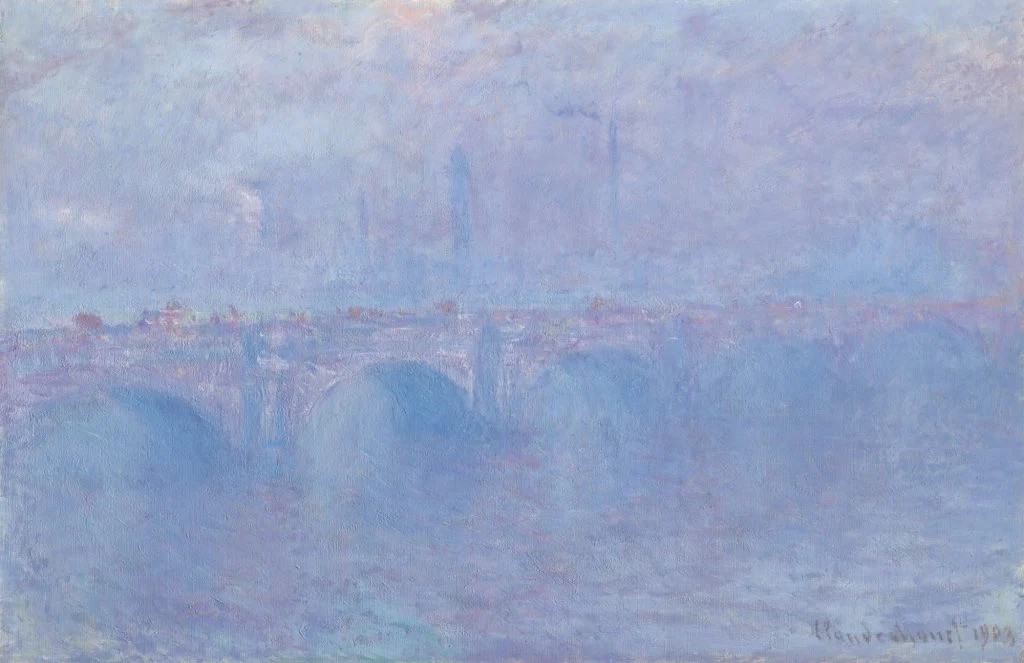
Lisel Mueller – Monet recusa a cirurgia

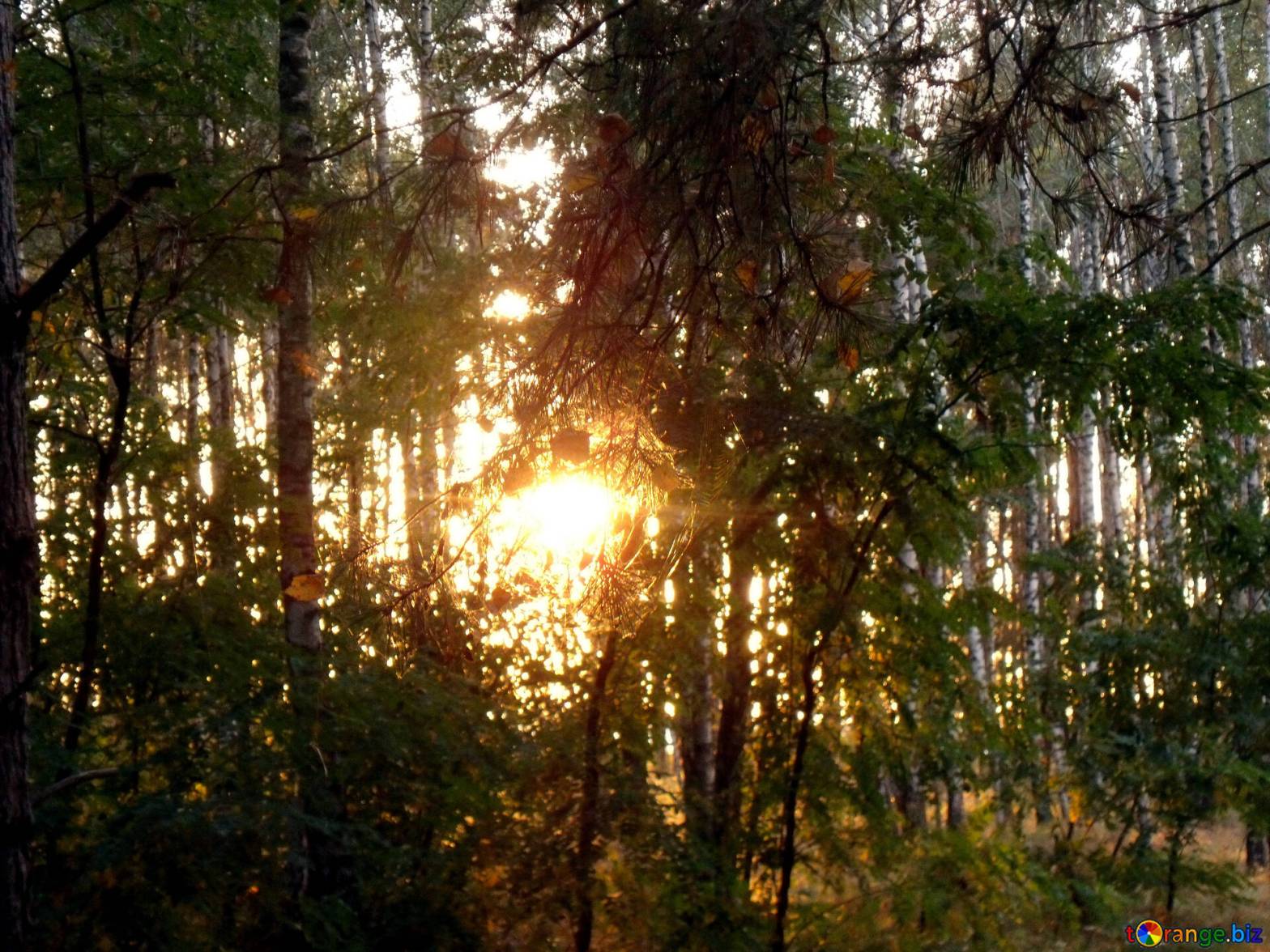
Doutor, você diz que não há halos
ao redor das luzes de rua em Paris
e que o que vejo é uma aberração
causada pela velhice, um distúrbio.
Digo que levei uma vida inteira
para enxergar lampiões a gás como anjos,
para suavizar e desfocar e, por fim, banir
as bordas que você lamenta que eu não veja,
para aprender que a linha que chamei horizonte
não existe e que céu e água,
há tanto separados, são o mesmo estado de ser.
Cinquenta e quatro anos levei para ver
que a catedral de Rouen é feita
de raios de sol paralelos,
e agora você quer restaurar
meus erros juvenis: noções
fixas de topo e base,
a ilusão do espaço tridimensional,
glicínias separadas
da ponte que elas cobrem.
O que posso dizer para convencê-lo
de que as Casas do Parlamento se dissolvem
noite após noite para se tornarem
o sonho fluido do Tâmisa?
Não retornarei a um universo
de objetos que não se conhecem,
como se as ilhas não fossem os filhos perdidos
de um grande continente. O mundo
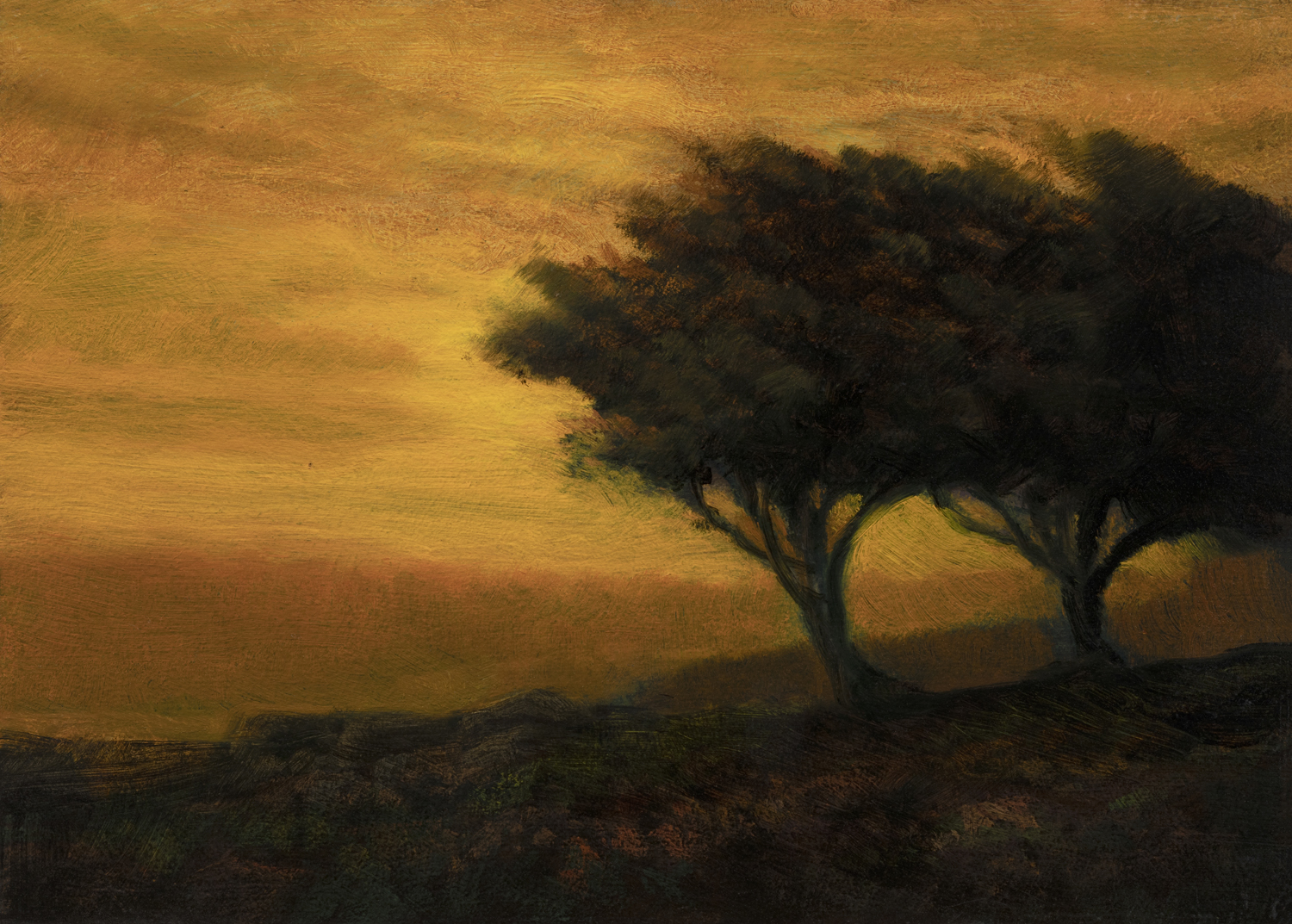
é fluxo, e a luz se torna o que toca,
torna-se água, lírios sobre a água,
acima e abaixo da água,
torna-se lâmpadas lilases e violetas e amarelas
e brancas e azuis cerúleas,
pequenos punhos passando a luz do sol
tão rapidamente uns para os outros
que seria preciso ter longas cerdas fluindo
dentro do meu pincel para capturá-la.
Pintar a velocidade da luz!
Nossas formas densas, essas verticais,
ardem para se mesclar ao ar
e transformar nossos ossos, pele e roupas
em gases. Doutor,
se ao menos pudesse ver
como o céu atrai a terra em seus braços
e como infinitamente o coração se expande
para reivindicar este mundo, vapor azul sem fim.

Trad.: Nelson Santander

Mais do que uma leitura, uma experiência. Clique, compre e contribua para manter a poesia viva em nosso blog

Monet Refuses the Operation

Doctor, you say there are no haloes
around the streetlights in Paris
and what I see is an aberration
caused by old age, an affliction.
I tell you it has taken me all my life
to arrive at the vision of gas lamps as angels,
to soften and blur and finally banish
the edges you regret I don’t see,
to learn that the line I called the horizon
does not exist and sky and water,
so long apart, are the same state of being.
Fifty-four years before I could see
Rouen cathedral is built
of parallel shafts of sun,
and now you want to restore
my youthful errors: fixed
notions of top and bottom,
the illusion of three-dimensional space,
wisteria separate
from the bridge it covers.
What can I say to convince you
the Houses of Parliament dissolve
night after night to become
the fluid dream of the Thames?
I will not return to a universe
of objects that don’t know each other,
as if islands were not the lost children
of one great continent. The world
is flux, and light becomes what it touches,
becomes water, lilies on water,
above and below water,
becomes lilac and mauve and yellow
and white and cerulean lamps,
small fists passing sunlight
so quickly to one another
that it would take long, streaming hair
inside my brush to catch it.
To paint the speed of light!
Our weighted shapes, these verticals,
burn to mix with air
and change our bones, skin, clothes
to gases. Doctor,
if only you could see
how heaven pulls earth into its arms
and how infinitely the heart expands
to claim this world, blue vapor without end.
Lisel Mueller – Quando me perguntam

Quando me perguntam
como comecei a escrever poesia,
eu falo da indiferença da natureza.

Foi logo depois que minha mãe faleceu,
um dia radiante de junho
em que tudo florescia.

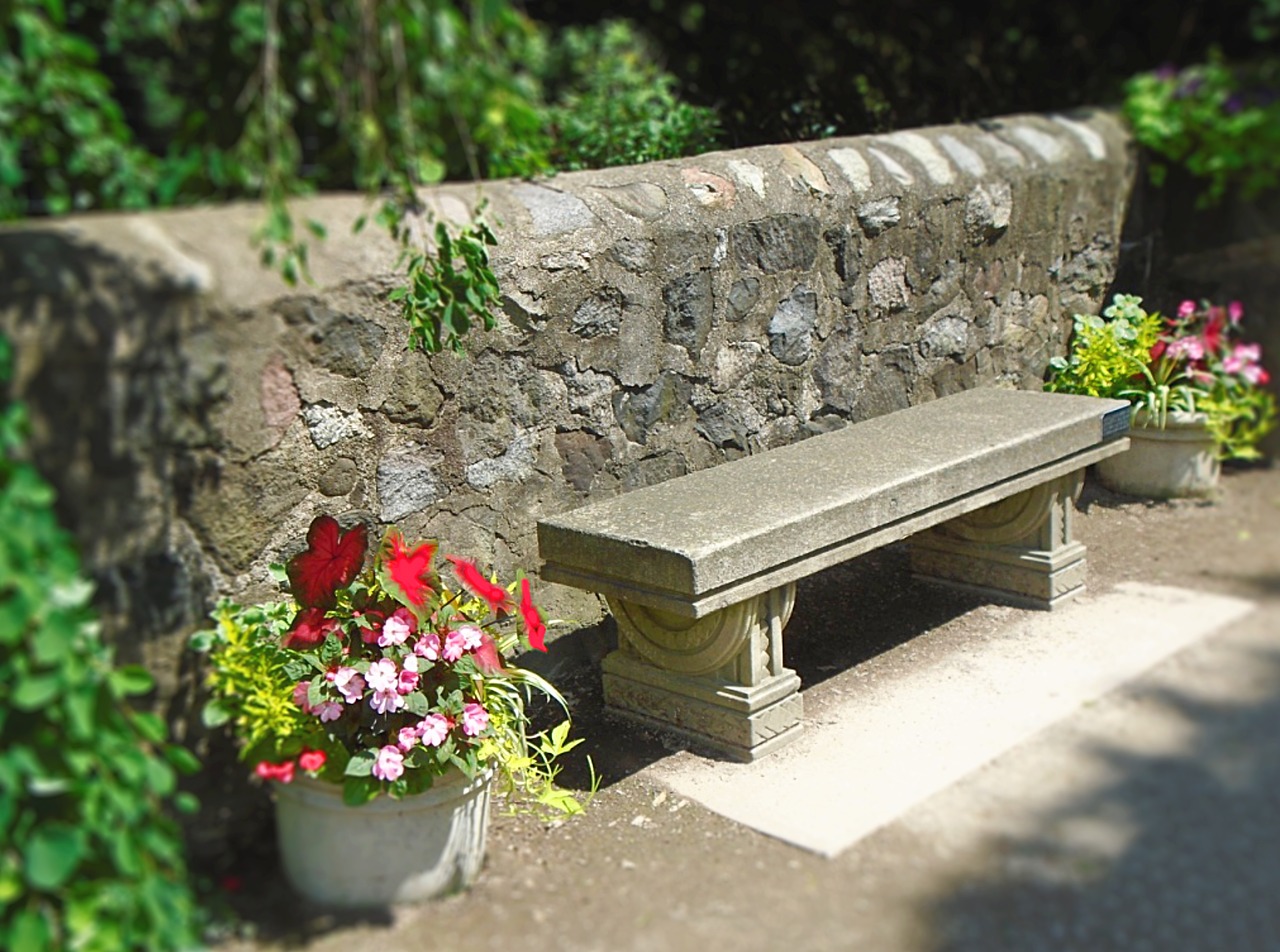
Sentei-me em um banco de pedra acinzentado
em um jardim carinhosamente cultivado,
mas os lírios eram tão surdos
quanto os bêbados adormecidos
e as rosas curvadas para dentro.
Nada estava enlutado ou quebrado,
nem uma folha caiu
e o sol ressoava infindos comerciais
de férias de verão.

Sentei-me em um banco de pedra acinzentado
cercado das ingênuas faces
das não-me-toques rosas e brancas
e depositei minha dor
na boca da linguagem,
a única coisa que sofreria comigo.

Trad.: Nelson Santander

REPUBLICAÇÃO: poema originalmente publicado na página em 15/03/2020

Mais do que uma leitura, uma experiência. Clique, compre e contribua para manter a poesia viva em nosso blog

When I am asked

When I am asked
how I began writing poems,
I talk about the indifference of nature.

It was soon after my mother died,
a brilliant June day,
everything blooming.

I sat on a gray stone bench
in a lovingly planted garden,
but the day lilies were as deaf
as the ears of drunken sleepers
and the roses curved inward.
Nothing was black or broken
and not a leaf fell
and the sun blared endless commercials
for summer holidays.

I sat on a gray stone bench
ringed with the ingenue faces
of pink and white impatiens
and placed my grief
in the mouth of language,
the only thing that would grieve with me.

Lisel Mueller – Curriculum Vitae

1992

1) Nasci em uma cidade livre, perto do Mar do Norte.

2) No ano do meu nascimento, o dinheiro foi picotado em
confetes. Um pão custava um milhão de marcos. É
claro que não me lembro disso.

3) Pais e avós pairavam ao meu redor. O mundo em que vivia
tinha uma voz macia e sem garras.

4) Uma cornucópia cheia de guloseimas me levou a um prédio
com sinos. Uma generosa professora me acolheu.

5) Em casa, as prateleiras de livros conectavam o céu e a terra.

6) Aos domingos, a menina da cidade caminhava entre pinhas
e pântanos de prímulas, a uma curta viagem de trem.

7) Meu país foi assolado por uma história mais mortal que
terremotos ou furacões.

8) Meu pai estava ocupado fugindo dos monstros. Minha mãe
me disse que as paredes tinham ouvidos. Aprendi o peso dos segredos.

9) Adentrei os dias muito claros e as noites muito escuras
da adolescência.

10) Dois pais, duas filhas, seguimos o sol
e a lua através do oceano. Meus avós ficaram
para trás nas sombras.

11) No novo idioma, todos falavam rápido demais. Eventualmente,
os alcancei.

12) Quando o conheci, o novo idioma se tornou a linguagem
do amor.

13) A morte da mãe feriu a filha, levando-a à poesia.
A filha tornou-se mãe de filhas.

14) Vida cotidiana: sua abundância e complexidade. Nós atando
fios em todos os lugares. O passado afastado, o futuro deixado
não imaginado em prol do presente glorioso, difícil, apaixonado.

15) Anos e anos disso.

16) As crianças não são mais crianças. A dor de um velho, a
solidão de um velho.

17) E então meu pai também desapareceu.

18) Tentei voltar para casa. Fiquei na porta da minha
infância, mas ela estava fechada ao público.

19) Um dia, em um elevador lotado, todos tinham o rosto mais jovem
que o meu.

20) Até aqui, tudo bem. Os dias e as noites brilhantes são
ofegantes em sua pressa. Seguimos, você e eu.

Trad.: Nelson Santander

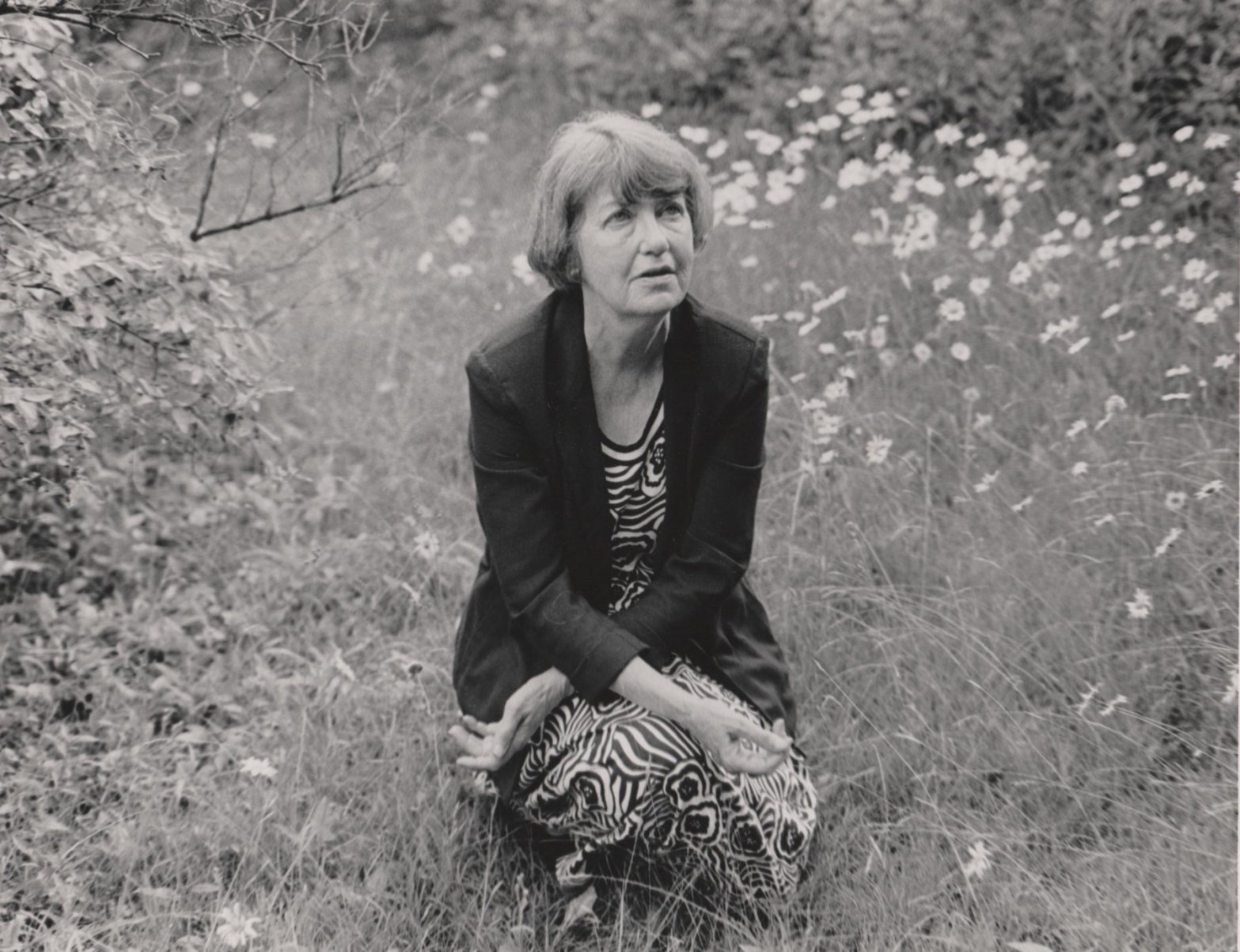
N. do T.: Lisel Mueller (1924-2020) foi uma renomada poeta americana de origem alemã. Nascida em Hamburgo, na Alemanha, ela e sua família emigraram para os Estados Unidos em 1939, fugindo dos horrores do regime nazista. Essa experiência de imigração e os traumas da Segunda Guerra Mundial tiveram um impacto significativo em sua vida e em sua poesia. Lisel Mueller foi uma poeta aclamada, laureada com vários prêmios literários, incluindo o Prêmio Pulitzer de Poesia em 1997.

Mais do que uma leitura, uma experiência. Clique, compre e contribua para manter a poesia viva em nosso blog

Curriculum Vitae

1992

1) I was born in a Free City, near the North Sea.

2) In the year of my birth, money was shredded into
confetti. A loaf of bread cost a million marks. Of
course I do not remember this.

3) Parents and grandparents hovered around me. The
world I lived in had a soft voice and no claws.

4) A cornucopia filled with treats took me into a building
with bells. A wide-bosomed teacher took me in.

5) At home the bookshelves connected heaven and earth.

6) On Sundays the city child waded through pinecones
and primrose marshes, a short train ride away.

7) My country was struck by history more deadly than
earthquakes or hurricanes.

8) My father was busy eluding the monsters. My mother
told me the walls had ears. I learned the burden of secrets.

9) I moved into the too bright days, the too dark nights
of adolescence.

10) Two parents, two daughters, we followed the sun
and the moon across the ocean. My grandparents stayed
behind in darkness.

11) In the new language everyone spoke too fast. Eventually
I caught up with them.

12) When I met you, the new language became the language
of love.

13) The death of the mother hurt the daughter into poetry.
The daughter became a mother of daughters.

14) Ordinary life: the plenty and thick of it. Knots tying
threads to everywhere. The past pushed away, the future left
unimagined for the sake of the glorious, difficult, passionate
present.

15) Years and years of this.

16) The children no longer children. An old man’s pain, an
old man’s loneliness.

17) And then my father too disappeared.

18) I tried to go home again. I stood at the door to my
childhood, but it was closed to the public.

19) One day, on a crowded elevator, everyone’s face was younger
than mine.

20) So far, so good. The brilliant days and nights are
breathless in their hurry. We follow, you and I.

Lisel Mueller – Isso é o que você fará

O que você fez quando a geleira
cobriu sua boca com gelo
     quando suas escamas se desprenderam
e foram deixadas no chão para se deteriorar
     quando você parou de trilhar as águas
e começou a respirar o ar?

O que você fez quando percebeu
que era diferente dos outros
     quando foi privado de sua pelagem
de sua calda preênsil
     quando a morte se revelou
como o Ser Supremo
inexorável?

E o que você fez quando o sol
parou de girar ao seu redor
     quando os animais começaram a desaparecer
e as árvores afrouxaram suas raízes imperceptivelmente no início
para que você não notasse
     quando a água decretou olho por olho 
e bombeou seu veneno de volta para você

e quando seus filhos o abandonaram
e se uniram ao inimigo
     quando o ar ficou cada vez mais frio
e você se moveu mais rápido que o som
mesmo que sua carta de amor nunca tenha chegado
     O que você fez quando a história 
se prostrou aos seus pés
e pediu para começar tudo de novo?

Isso é o que você fará

Trad.: Nelson Santander

That's what you will do

What did you do when the glacier 
paved your mouth with ice
     when your scales fell off 
and were left on the ground to rust 
     when you stopped treading water
and started breathing air

What did you do when you realized 
you were different from the others 
     when you were cheated of your fur
your prehensile tail 
     when death revealed itself 
as the Supreme Being 
unappeasable

And what did you do when the sun 
stopped revolving around you
     when animals started to disappear 
and the trees loosened their roots imperceptibly at first 
so you would not notice 
     when water declared an eye for an eye 
and pumped your poison back into you

and when your children left you 
and joined the enemy
     when the air became colder and colder 
and you moved faster than sound 
though your love letter never got there
     what did you do when history 
fell down at your feet 
and asked to start all over

That's what you will do

Lisel Mueller – Há manhãs

Mesmo agora, em que o enredo
pede que eu me torne pedra,
o sol intervém. Em algumas manhãs
de verão eu saio
e o céu se abre
e se derrama sobre mim
como se eu fosse um santo
prestes a morrer. Mas o enredo
pede que eu viva,
seja comum, diga nada
a ninguém. Dentro de casa
os espelhos queimam quando eu passo.

Trad.: Nelson Santander

There Are Mornings

Even now, when the plot
calls for me to turn to stone,
the sun intervenes. Some mornings
in summer I step outside
and the sky opens
and pours itself into me
as if I were a saint
about to die. But the plot
calls for me to live,
be ordinary, say nothing
to anyone. Inside the house
the mirrors burn when I pass.

Lisel Mueller – De passagem

A rapidez com que o mel filtrado
da luz da tarde
flui para a escuridão

e o fechado broto livra-se
de seu singular mistério
a fim de desabrochar:

como se o que existe, exista
para poder perder-se
e tornar-se precioso.

Trad.: Nelson Santander

In Passing

How swiftly the strained honey
of afternoon light
flows into darkness

and the closed bud shrugs off
its special mystery
in order to break into blossom:

as if what exists, exists
so that it can be lost
and become precious.

Lisel Mueller – Desenhos de criança

1

O sol pode estar visível ou não
(pode estar atrás de você,
o expectador dessas imagens)
mas o céu é sempre azul
se é dia. Se não,
as estrelas estão quase ao seu alcance;
inclinadas, elas chegam até você,
na iminência de cair.
Nunca é nascer ou pôr do sol;
não há nenhum olho ensanguentado
espiando você no horizonte.
É claramente dia ou noite,
é brilhante ou totalmente escuro,
é aqui e nunca lá.

2

No princípio, você só precisava da
sua cabeça, uma lua boiando no espaço
e quatro galhos nus;
e quando seu corpo foi adicionado,
era leve e fino no começo,
não a capela sombria
da qual, mais tarde, você tentou escapar.
Você vivia em um mundo não newtoniano,
seus braços cresciam dos seus ombros,
seus pés não tocavam o chão,
seus cabelos escorriam,
você ainda estava voando.

3

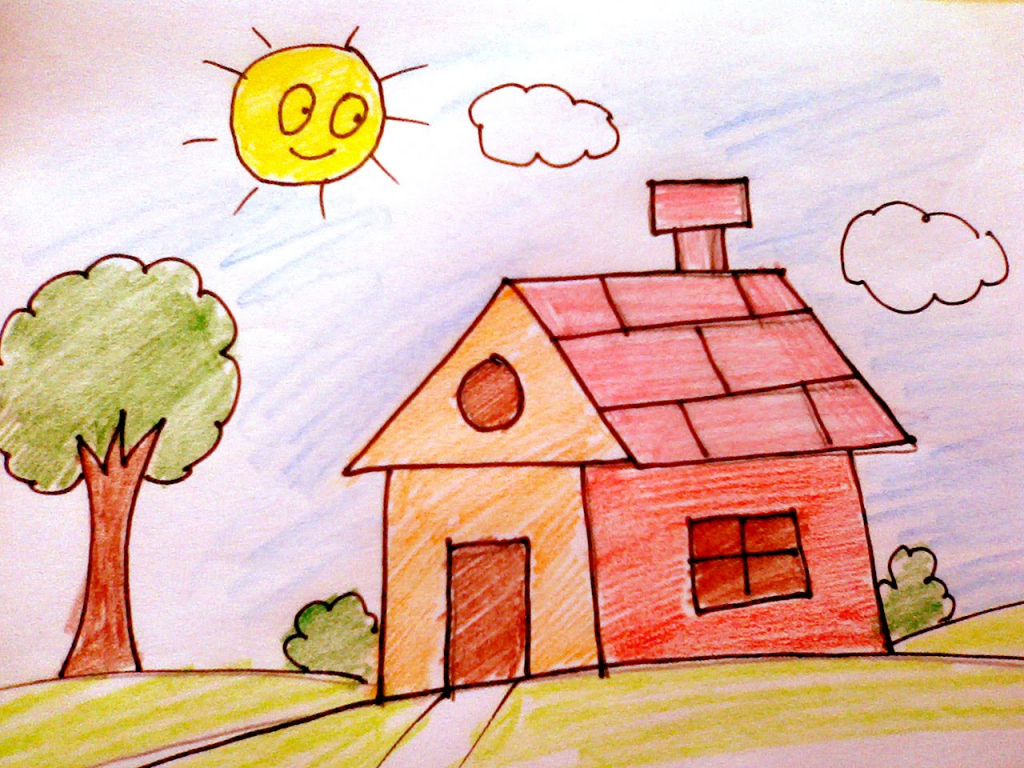
A casa é menor do que você se lembrava,
tem janelas mas não tem porta.
Uma chaminé se assenta no telhado de duas águas,
uma espiral de fumaça o tranquiliza.
Mas a casa tem apenas duas dimensões,
como uma máscara sem rosto;
as pessoas que ali vivem ficam do lado de fora
como se o tempo fosse sempre verão —
não há nada atrás da parede
exceto um espaço de onde o vento sopra,
mas isso você não pode ver.

Trad.: Nelson Santander

Drawings by children

1

The sun may be visible or not
(it may be behind you,
the viewer of these pictures)
but the sky is always blue
if it is day. If not
the stars come almost within your grasp;
crooked, they reach out to you,
on the verge of falling.
It is never sunrise or sunset;
there is no bloody eye
spying on you across the horizon.
It is clearly day or night,
it is bright or totally dark,
it is here and never there.

2

In the beginning, you only needed
your head, a moon swimming in space,
and four bare branches;
and when your body was added,
it was light and thin at first,
not yet the dark chapel
from which, later, you tried to escape.
You lived in a non-Newtonian world,
your arms grew up from your shoulders,
your feet did not touch the ground,
your hair was streaming,
you were still flying.

3

The house is smaller than you remembered,
it has windows but no door.
A chimney sits on the gable roof,
a curl of smoke reassures you.
But the house has only two dimensions,
like a mask without its face;
the people who live there stand outside
as though time were always summer —
there is nothing behind the wall
except a space where the wind whistles,
but you cannot see that.

Lisel Mueller – Coisas

O que aconteceu é que nos sentimos solitários
vivendo entre as coisas,
por isso demos ao relógio um rosto,
à cadeira um encosto,
à mesa quatro pernas robustas
que jamais sofrerão fadiga.

Calçamos nossos sapatos que têm línguas
tão macias quanto as nossas
e penduramos linguetas dentro dos sinos
para podermos ouvir
sua linguagem emocional,

e porque adoramos perfis elegantes
a jarra recebeu boca,
a garrafa um longo e fino gargalo.

Mesmo o que estava além de nós
foi reformulado à nossa imagem;
demos ao país um coração,
ao temporal um olho,
à caverna uma boca
para que pudéssemos passar em segurança.

Trad.: Nelson Santander

Things
/
What happened is, we grew lonely 
living among the things,
so we gave the clock a face,
the chair a back,
the table four stout legs
which will never suffer fatigue.
/
We fitted our shoes with tongues
as smooth as our own
and hung tongues inside bells
so we could listen
to their emotional language,
/
and because we loved graceful profiles
the pitcher received a lip,
the bottle a long, slender neck.
/
Even what was beyond us
was recast in our image;
we gave the country a heart,
the storm an eye,
the cave a mouth
so we could pass into safety.
 

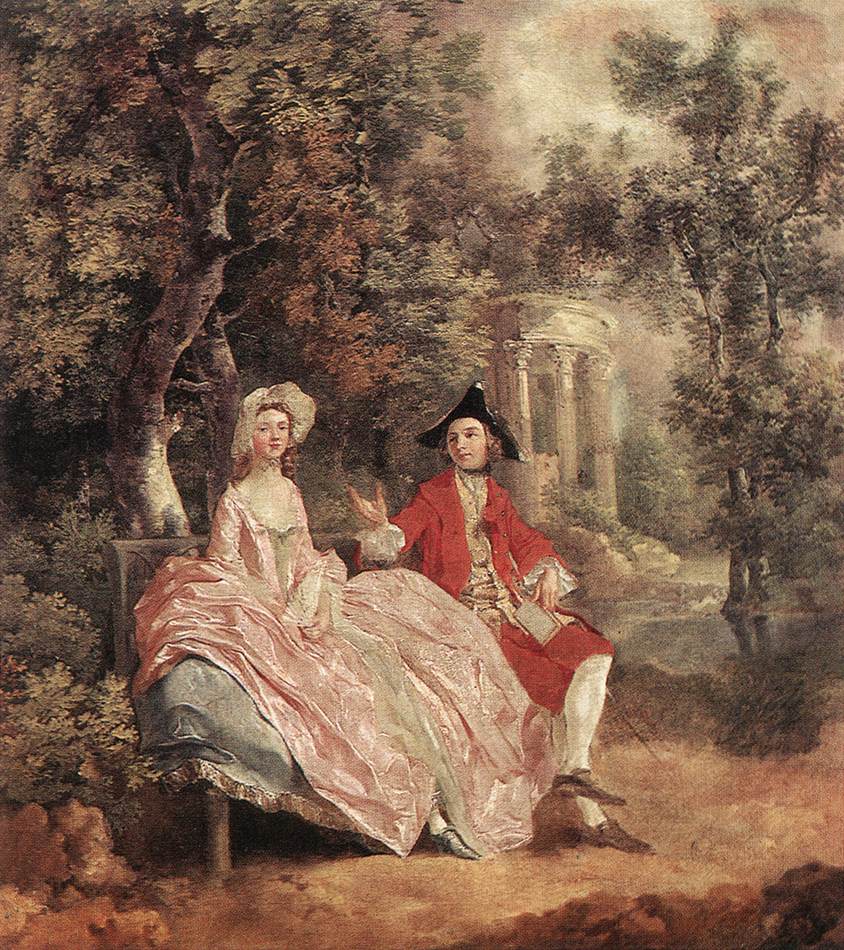
Lisel Mueller – Românticos

Românticos

Johannes Brahms e Clara Schumann

Os biógrafos modernos se preocupam
em “o quão longe” foi sua terna amizade.
Eles se perguntam o que exatamente significa
quando ele escreve que pensa nela constantemente,
seu anjo da guarda, amada amiga.
Os biógrafos modernos fazem a
rude e irrelevante indagação
de nossa era como se o evento
de dois corpos entrelaçados
estabelecesse a medida do amor,
esquecendo o quão suavemente Eros caminhava
no século dezenove, e como uma mão
estendida por muito tempo ou um olhar ancorado
nos olhos de alguém podia desalojar um coração,
e as nuances de expressões não conhecidas
por nossa linguagem igualitária
podiam fazer o redolente ar
tremer e brilhar com o calor
da possibilidade. Toda vez que eu ouço
os Interlúdios, tristes
e pródigos em sua ternura,
imagino os dois
sentados em um jardim
entre rosas tardias
e escuras cascatas de folhas,
deixando a paisagem falar por eles,
não nos deixando nada para ouvir.

Trad.: Nelson Santander

Romantics

Johannes Brahms and Clara Schumann

The modern biographers worry
“how far it went,” their tender friendship.
They wonder just what it means
when he writes he thinks of her constantly,
his guardian angel, beloved friend.
The modern biographers ask
the rude, irrelevant question
of our age, as if the event
of two bodies meshing together
establishes the degree of love,
forgetting how softly Eros walked
in the nineteenth-century, how a hand
held overlong or a gaze anchored
in someone’s eyes could unseat a heart,
and nuances of address not known
in our egalitarian language
could make the redolent air
tremble and shimmer with the heat
of possibility. Each time I hear
the Intermezzi, sad
and lavish in their tenderness,
I imagine the two of them
sitting in a garden
among late-blooming roses
and dark cascades of leaves,
letting the landscape speak for them,
leaving us nothing to overhear.

Lisel Mueller – Imortalidade

No castelo da Bela Adormecida
o relógio bate cem anos
e a garota na torre volta ao mundo.
O mesmo ocorre com os criados na cozinha,
que nem sequer esfregam os olhos.
A mão direita do cozinheiro, levantada
há exatamente um século,
completa seu arco descendente
até a orelha esquerda do ajudante de cozinha;
as tensas cordas vocais do garoto
libertam finalmente
o sofrido lamento aprisionado,
e a mosca, capturada no meio de um salto
acima da torta de morango,
cumpre sua missão permanente
e mergulha no doce e vermelho esmalte.

Quando criança, eu tinha um livro
com uma gravura dessa cena.
Eu era muito jovem para perceber
como o medo persiste, e como
o ódio que provoca o medo persiste,
que sua trajetória não pode ser alterada
ou rompida, apenas interrompida.
Minha atenção estava na mosca;
no fato de que este corpo leve
com suas asas transparentes
e o tempo de vida de um dia humano
ainda ansiava por sua cota particular
de doçura, um século depois.

Trad.: Nelson Santander

Immortality

In Sleeping Beauty’s castle
the clock strikes one hundred years
and the girl in the tower returns to the world.
So do the servants in the kitchen,
who don’t even rub their eyes.
The cook’s right hand, lifted
an exact century ago,
completes its downward arc
to the kitchen boy’s left ear;
the boy’s tensed vocal cords
finally let go
the trapped, enduring whimper,
and the fly, arrested mid-plunge
above the strawberry pie,
fulfills its abiding mission
and dives into the sweet, red glaze.

As a child I had a book
with a picture of that scene.
I was too young to notice
how fear persists, and how
the anger that causes fear persists,
that its trajectory can’t be changed
or broken, only interrupted.
My attention was on the fly;
that this slight body
with its transparent wings
and lifespan of one human day
still craved its particular share
of sweetness, a century later.