Wendell Berry – A Meta

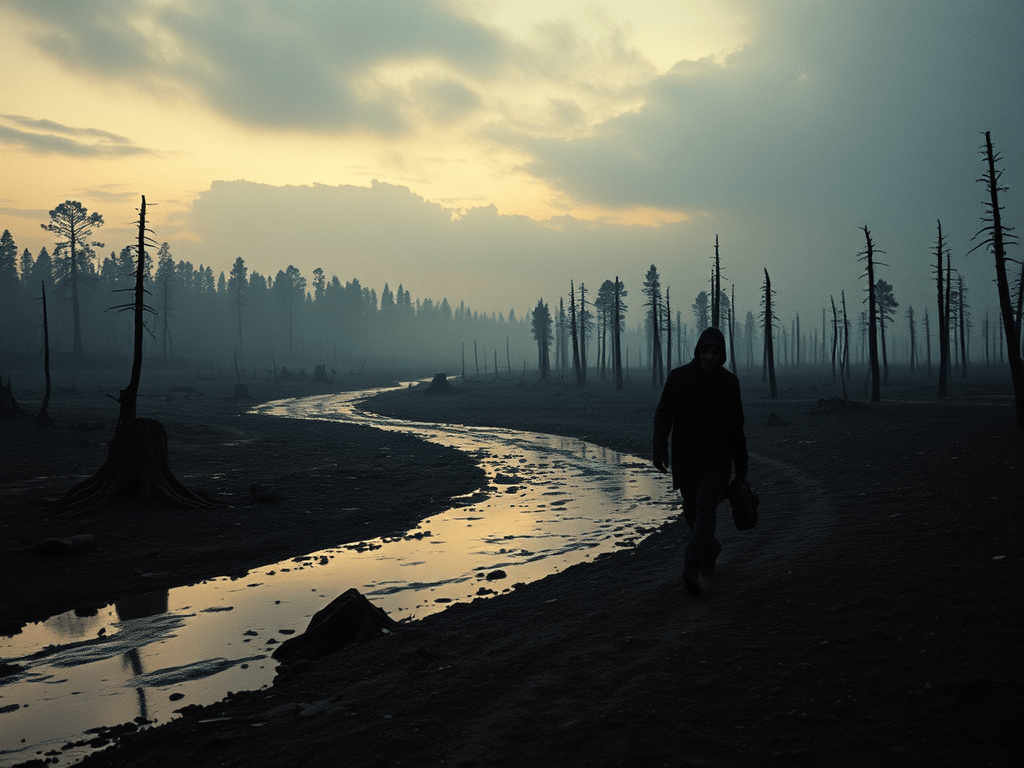
Mesmo enquanto sonhava, eu rezava para que o que via fosse apenas medo, e não um presságio,
pois o que vi foi a última paisagem conhecida ser destruída em nome
da meta – o solo devastado, a rocha explodida.
Aqueles que queriam voltar para casa jamais chegariam lá agora.
Visitei os escritórios onde, em nome da meta,
os planejadores planejavam em mesas vazias enfileiradas.
Visitei as fábricas barulhentas onde se faziam as máquinas
que avançariam sempre em direção à meta.
Vi a floresta reduzida a tocos e ravinas;
vi o rio envenenado – a montanha lançada no vale;
cheguei à cidade que ninguém reconhecia porque se parecia com todas as outras cidades.
Vi os caminhos gastos pelos incontáveis passos daqueles
cujos olhos estavam fixos na meta.
Sua passagem obliterou as sepulturas e os monumentos
dos que morreram na busca da meta
e que há muito foram esquecidos para sempre,
segundo a regra inevitável de que aqueles que esquecem,
esquecem que esqueceram.
Homens, mulheres e crianças agora perseguiam a meta como se ninguém jamais a tivesse perseguido antes.
As raças e os sexos agora se misturavam perfeitamente na busca da meta.
Os outrora escravizados, os outrora oprimidos,
eram livres agora para se vender ao maior lance
e entrar nas prisões mais bem pagas em busca da meta,
que era a destruição de todos os inimigos,
que era a destruição de todos os obstáculos,
que era abrir caminho para a vitória,
que era abrir caminho para a promoção,
para a salvação,
para o progresso,
para a venda concluída,
para a assinatura no contrato,
que era abrir caminho rumo à autorrealização, à autocriação,
caminho do qual quem quisesse voltar para casa jamais conseguiria,
pois cada lugar recordado havia sido deslocado;
cada amor, desfeito,
cada promessa, descumprida,
cada palavra, desdita,
para dar passagem à multidão dos individualizados,
dos autônomos, dos automotivados, dos sem-teto com seus muitos olhos
abertos em direção à meta que ainda não percebiam na distância,
sem jamais saber para onde estavam indo,
sem jamais saber de onde vieram.

Trad.: Nelson Santander

Mais do que uma leitura, uma experiência. Clique, compre e contribua para manter a poesia viva em nosso blog

The Objective

Even while I dreamed I prayed that what I saw was only fear and no foretelling,
for I saw the last known landscape destroyed for the sake
of the objective–the soil bulldozed, the rock blasted.
Those who had wanted to go home would never get there now.
I visited the offices where for the sake of the objective,
the planners planned at blank desks set in rows.
I visited the loud factories where the machines were made
that would drive ever forward toward the objective.
I saw the forest reduced to stumps and gullies;
I saw the poisoned river–the mountain cast into the valley;
I came to the city that nobody recognized because it looked like every other city.
I saw the passages worn by the unnumbered footfalls of those
whose eyes were fixed upon the objective.
Their passing had obliterated the graves and the monuments
of those who had died in pursuit of the objective
and who had long ago forever been forgotten,
according to the inevitable rule that those who have forgotten
forget that they have forgotten.
Men and women, and children now pursued the objective as if nobody ever had pursued it before.
The races and the sexes now intermingled perfectly in pursuit of the objective.
The once-enslaved, the once-oppressed,
were now free to sell themselves to the highest bidder
and to enter the best paying prisons in pursuit of the objective,
which was the destruction of all enemies,
which was the destruction of all obstacles,
which was to clear the way to victory,
which was to clear the way to promotion,
to salvation,
to progress,
to the completed sale,
to the signature on the contract,
which was to clear the way to self-realization, to self-creation,
from which nobody who ever wanted to go home would ever get there now,
for every remembered place had been displaced;
every love unloved,
every vow unsworn,
every word unmeant
to make way for the passage of the crowd of the individuated,
the autonomous, the self-actuated, the homeless with their many eyes
opened toward the objective which they did not yet perceive in the far distance,
having never known where they were going,
having never known where they came from.
Wendell Berry – De “Sabbaths” (2001)

[…]

III

Peça ao mundo que revele sua quietude —
não o silêncio das máquinas quando cessam,
mas a verdadeira quietude onde os cantos das aves,
as árvores, os sinos-das-sombras, os caracóis, as nuvens, as tempestades
se tornam o que são – e nada além disso.

[…]

V

O vento do outono chegou.
Está por toda parte. Move
cada folha de cada
árvore. É o único movimento
do rio. As folhas verdes
se cansam de sua cor.
Agora também o entardecer paira no ar.
Os falcões vívidos do dia
se recolhem. As corujas despertam.
Pequenas criaturas morrem porque
criaturas maiores têm fome.
Quão superior a esta
humana confusão de ganância
e fé cega, sangue e fogo.

VI

A pergunta diante de mim, agora que
estou velho, não é como estar morto,
– disso já sei o suficiente, por prática –
mas como estar vivo, como estas gastas
colinas ainda contam, e certas telas
de Cézanne, e esta humilde
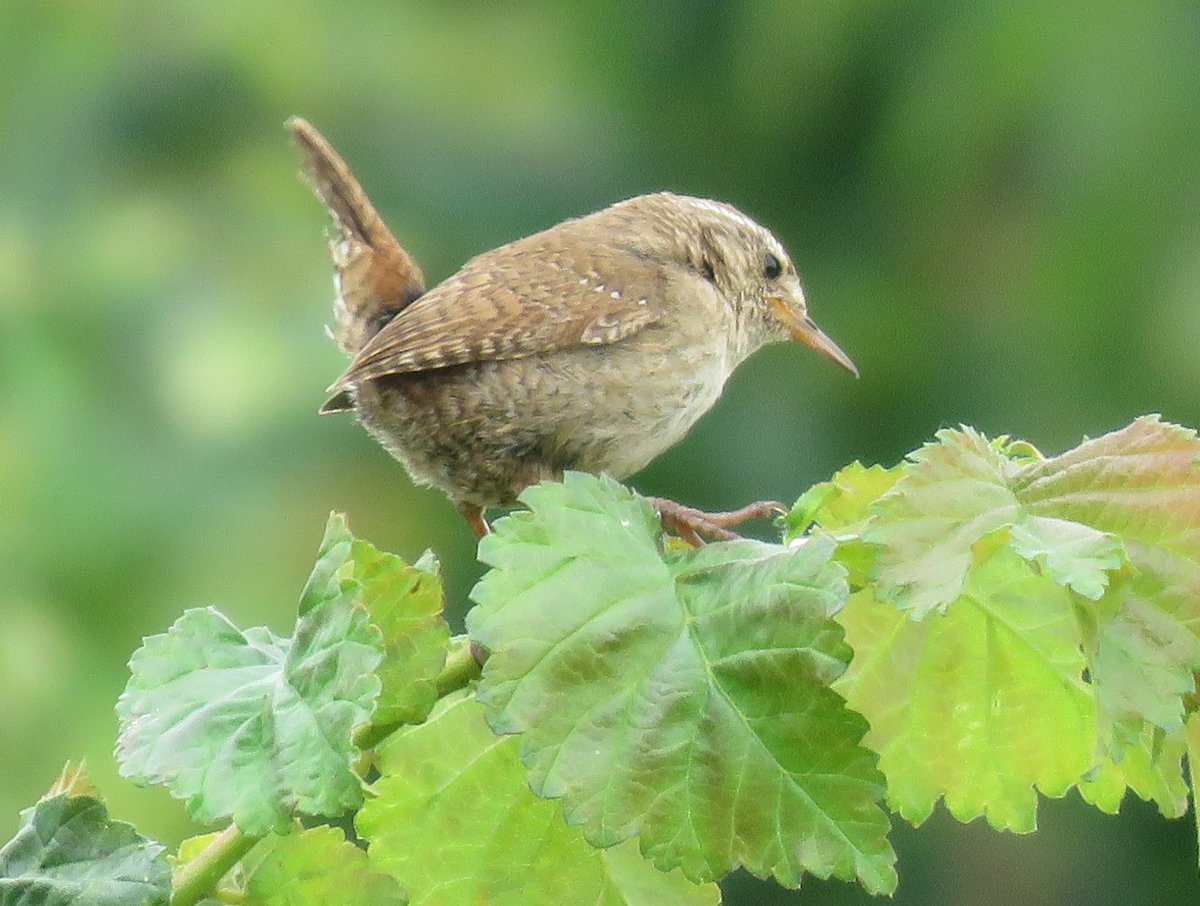
curruíra cantante, que crê estar viva
para sempre, neste instante – e talvez esteja.

Trad.: Nelson Santander

REPUBLICAÇÃO: poema originalmente publicado na página em 08/07/2020

From “Sabbaths” (2001)

[…]

III

Ask the world to reveal its quietude —
not the silence of machines when they are still,
but the true quiet by which birdsongs,
trees, bellworts, snails, clouds, storms
become what they are, and are nothing else.

[…]

V

The wind of the fall is here.
It is everywhere. It moves
every leaf of every
tree. It is the only motion
of the river. Green leaves
grow weary of their color.
Now evening too is in the air.
The bright hawks of the day
subside. The owls waken.
Small creatures die because
larger creatures are hungry.
How superior to this
human confusion of greed
and creed, blood and fire.

VI

The question before me, now that I
am old, is not how to be dead,
which I know from enough practice,
but how to be alive, as these worn
hills still tell, and some paintings
of Paul Cézanne, and this mere
singing wren, who thinks he’s alive
forever, this instant, and may be.

Wendell Berry – Antes do Anoitecer

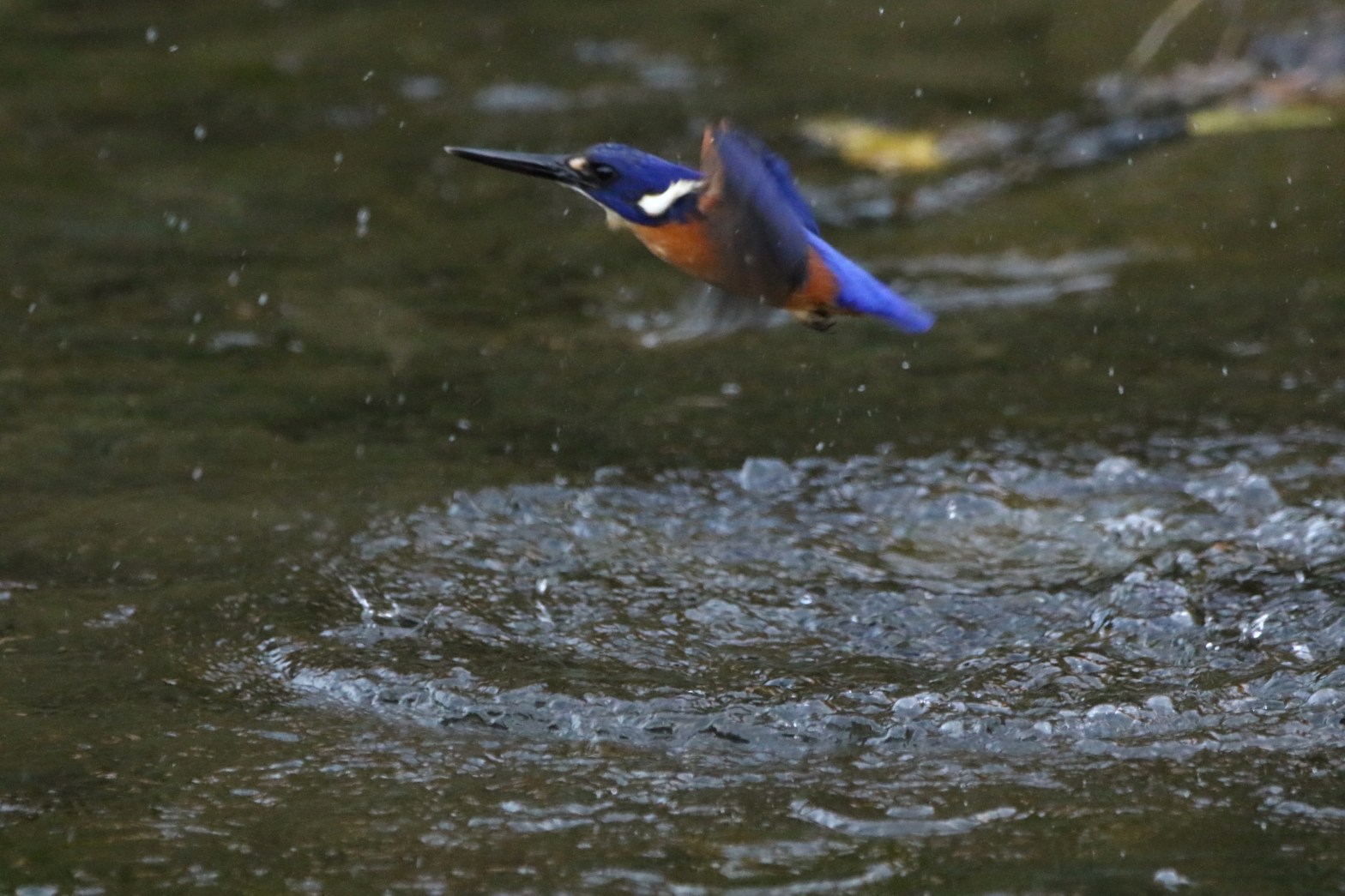
Da varanda no crepúsculo, observei
um martim-pescador selvagem em um voo
que ele só poderia estar realizando por deleite.

Ele desceu pelo rio, chapinhando
contra o rosto turvo da água
como uma pedra saltitante, passando

rio abaixo até sumir de vista. E ainda
eu podia ouvir o chapinhar
cada vez mais distante

à medida que escurecia. Ele voltou
pelo mesmo caminho, escuro como sua sombra,
súbito além dos salgueiros.

O chapinhar foi se tornando inaudível.
Estava escuro então. A noite
o havia acolhido em algum lugar.

— no lugar para onde ele se dirigia
ou onde, guiado por sua alegria,
ele chegou.

Trad.: Nelson Santander

REPUBLICAÇÃO: poema publicado na página originalmente em 15/11/2019

Mais do que uma leitura, uma experiência. Clique, compre e contribua para manter a poesia viva em nosso blog

Before dark

From the porch at dusk I watched
a kingfisher wild in flight
he could only have made for joy.

He came down the river, splashing
against the water’s dimming face
like a skipped rock, passing

on down out of sight. And still
I could hear the splashes
farther and farther away

as it grew darker. He came back
the same way, dusky as his shadow,
sudden beyond the willows.

The splashes went on out of hearing.
It was dark then. Somewhere
the night had accommodated him

— at the place he was headed for
or where, led by his delight,
he came.

Wendell Berry – Eles se sentam juntos na varanda

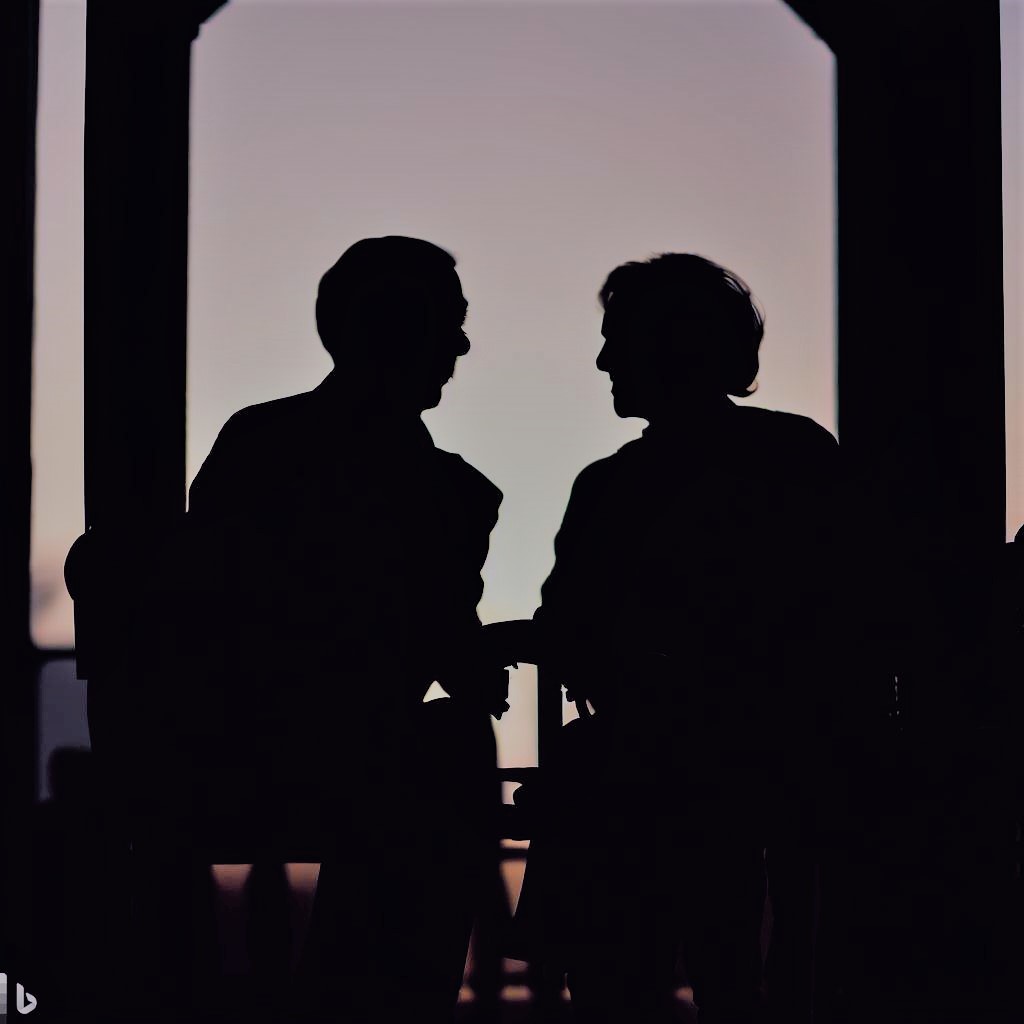
Eles se sentam juntos na varanda, a escuridão
Aproximando-se, a casa atrás deles na penumbra.
Terminada a refeição, lavaram e secaram
A louça – apenas dois pratos agora, dois copos,
Duas facas, dois garfos, duas colheres – tarefa pequena para dois.
Ela se senta com as mãos cruzadas no colo,
Em repouso. Ele fuma seu cachimbo. Não trocam palavras,
E quando finalmente o fazem é para dizer
O que ambos sabem que o outro já sabe. Têm
uma mente em comum agora, que,
Apesar de todo o conhecimento, não saberá exatamente
Quem será o primeiro a atravessar o escuro portal, desejando
Boa noite, e quem ficará sozinho por um tempo.

Trad.: Nelson Santander

They Sit Together on the Porch

They sit together on the porch, the dark
Almost fallen, the house behind them dark.
Their supper done with, they have washed and dried
The dishes–only two plates now, two glasses,
Two knives, two forks, two spoons–small work for two.
She sits with her hands folded in her lap,
At rest. He smokes his pipe. They do not speak,
And when they speak at last it is to say
What each one knows the other knows. They have
One mind between them, now, that finally
For all its knowing will not exactly know
Which one goes first through the dark doorway, bidding
Goodnight, and which sits on a while alone.

Wendell Berry – A Paz das Coisas Selvagens

Quando as dores do mundo crescem em mim
e desperto na noite ao menor som
com medo do que minha vida e a dos meus filhos possam ser,
eu saio e me deito onde o pato selvagem
repousa em sua beleza sobre as águas, e a garça se alimenta.
Eu penetro na paz das coisas selvagens
que não sobrecarregam suas vidas com premeditações
de tristeza. Eu me coloco na presença das águas tranquilas.
E sinto acima de mim as estrelas cegas
esperando com seu brilho. Por um tempo
descanso na graça do mundo, e sou livre.

Trad.: Nelson Santander

REPUBLICAÇÃO, com pequenas alterações na tradução: poema publicado na página anteriormente em 17/09/2018

The Peace of the Wild Things

When despair for the world grows in me
and I wake in the night at the least sound
in fear of what my life and my children’s lives may be,
I go and lie down where the wood drake
rests in his beauty on the water, and the great heron feeds.
I come into the peace of wild things
who do not tax their lives with forethought
of grief. I come into the presence of still water.
And I feel above me the day-blind stars
waiting with their light. For a time
I rest in the grace of the world, and am free.

Wendell Berry – A cobra

No final de outubro
encontrei no chão da floresta
uma pequena cobra cujas costas
tinham o padrão da escuridão
das folhas mortas em que ela estava deitada.
Seu corpo fora engrossado por um rato
ou um pequeno pássaro. Ela estava fria,
tão entorpecida com a barriga cheia
e o ar do outono que mal se dava ao
trabalho de mexer a língua.
Eu a segurei por muito tempo, refletindo
sobre a perfeição da escura
marca em suas costas, a morte
que a inchou, seu frio vívido.
Agora o frio do seu corpo permanece
em minha mão, e penso nela,
grande, deitada sob a geada
com uma morte para nutri-la
durante um longo sono.

Trad.: Nelson Santander

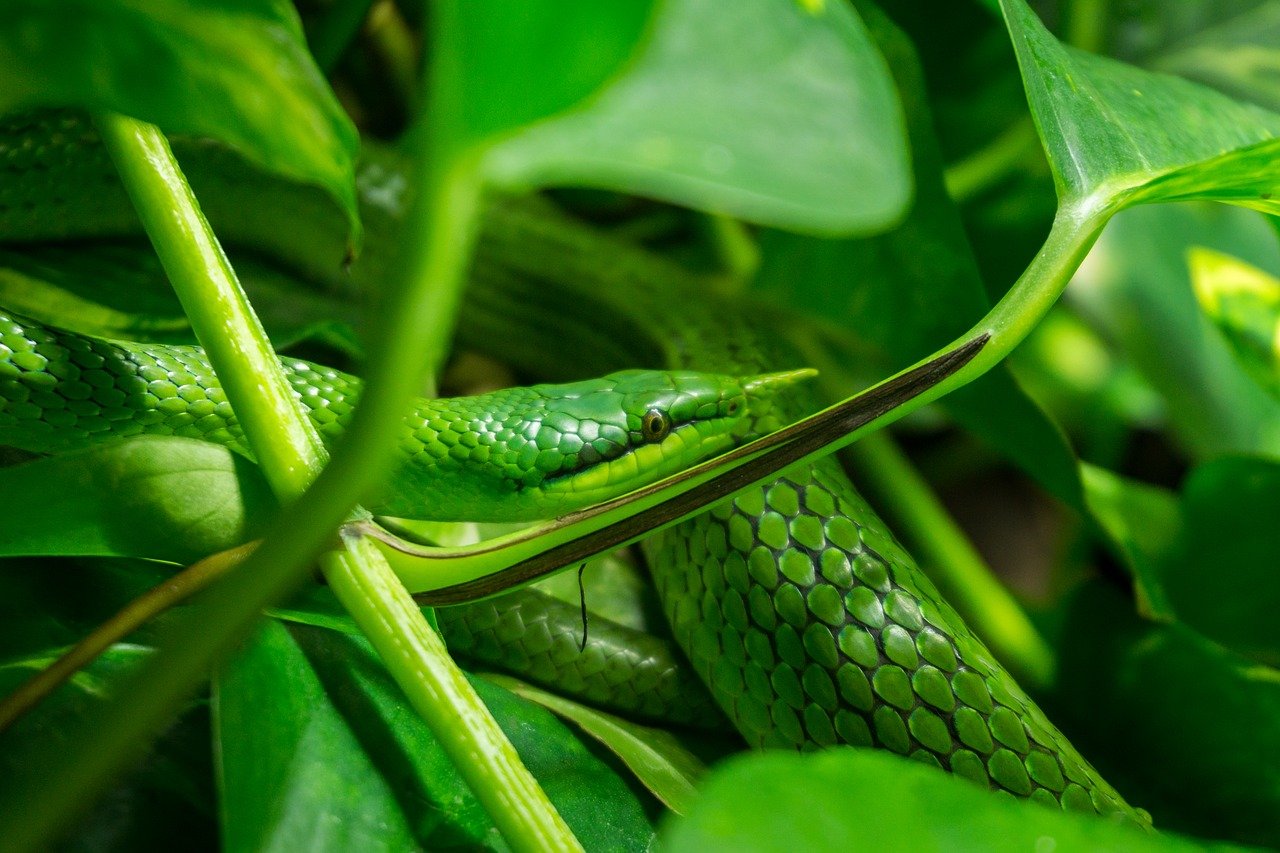
The Snake

At the end of October
I found on the floor of the woods
a small snake whose back
was patterned with the dark
of the dead leaves he lay on.
His body was thickened with a mouse
or small bird. He was cold,
so stuporous with his full belly
and the fall air that he hardly
troubled to flick his tongue.
I held him a long time, thinking
of the perfection of the dark
marking on his back, the death
that swelled him, his living cold.
Now the cold of him stays
in my hand, and I think of him
lying below the frost,
big with a death to nourish him
during a long sleep.

Wendell Berry – Tudo de que precisamos está aqui

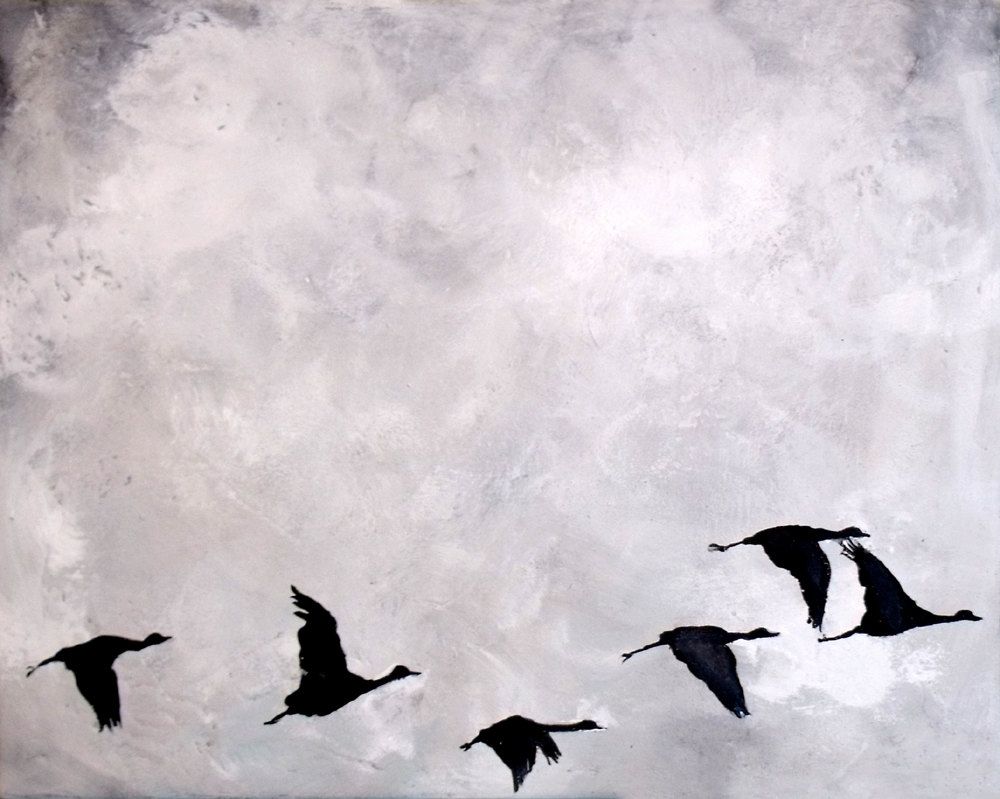
Gansos surgem bem acima de nós,
passam, e o céu se fecha. O abandono,
como no amor ou no sono, os mantém
no seu caminho, claro
na antiga fé: tudo de que precisamos
está aqui. E oramos, não
por uma terra ou um céu novos, mas para termos
calma no coração, e no olhar,
clareza. Tudo de que precisamos está aqui.

Trad.: Nelson Santander

What We Need Is Here

Geese appear high over us,
pass, and the sky closes. Abandon,
as in love or sleep, holds
them to their way, clear
in the ancient faith: what we need
is here. And we pray, not
for new earth or heaven, but to be
quiet in heart, and in eye,
clear. What we need is here.

Wendell Berry – O desejo de ser generoso

Tudo a que sirvo morrerá, todos os meus deleites,
a carne acesa de minha carne, jardim e campo,
os lírios silenciosos que se encontram na floresta,
as florestas, a colina, a terra toda, tudo
arderá na maldade humana, ou encolherá
na própria velhice. Que o mundo me proporcione
o sono das trevas sem estrelas, para que eu possa conhecer
minha pequena luz, tirada de mim na semente
do início e do fim, para que eu possa me curvar
ao mistério e assumir minha posição na terra
como uma árvore em um campo, transitando sem pressa
ou arrependimento em direção ao que será, minha vida,
uma paciente descida voluntária em direção à relva.

Trad.: Nelson Santander

The Wish to Be Generous

All that I serve will die, all my delights,
the flesh kindled from my flesh, garden and field,
the silent lilies standing in the woods,
the woods, the hill, the whole earth, all
will burn in man’s evil, or dwindle
in its own age. Let the world bring on me
the sleep of darkness without stars, so I may know
my little light taken from me into the seed
of the beginning and the end, so I may bow
to mystery, and take my stand on the earth
like a tree in a field, passing without haste
or regret toward what will be, my life
a patient willing descent into the grass.

Wendell Berry – Questionário

1. Quanto veneno você está disposto
a consumir para o sucesso do livre
mercado e do comércio internacional? Por favor,
indique seus venenos preferidos.

2. Em nome do bem, quanto
mal você está disposto a praticar?
Preencha os campos abaixo
com os nomes de suas maldades e
atos de ódio favoritos.

3. Que sacrifícios você está disposto
a fazer pela cultura e pela civilização?
Por favor, liste os monumentos, santuários
e obras de arte que você
destruiria de bom grado.

4. Em nome do patriotismo e de nossa
bandeira, quanto de nossa amada
terra você está disposto a profanar?
Liste nos espaços a seguir
as montanhas, rios, cidades e fazendas
sem as quais você poderia passar mais facilmente.

5. Descreva sucintamente as ideias, ideais ou esperanças,
as fontes de energia, as questões de segurança
pelas quais você mataria uma criança.
Indique, por favor, as crianças que
você estaria disposto a matar.

Trad.: Nelson Santander

Questionnaire

1. How much poison are you willing
to eat for the success of the free
market and global trade? Please
name your preferred poisons.

2. For the sake of goodness, how much
evil are you willing to do?
Fill in the following blanks
with the names of your favorite
evils and acts of hatred.

3. What sacrifices are you prepared
to make for culture and civilization?
Please list the monuments, shrines,
and works of art you would
most willingly destroy.

4. In the name of patriotism and
the flag, how much of our beloved
land are you willing to desecrate?
List in the following spaces
the mountains, rivers, towns, farms
you could most readily do without.

5. State briefly the ideas, ideals, or hopes,
the energy sources, the kinds of security,
for which you would kill a child.
Name, please, the children whom
you would be willing to kill.

Wendell Berry – De “Sabbaths” (2001)

[…]

III

Peça ao mundo que revele sua quietude —
não o silêncio das máquinas quando cessam,
mas a verdadeira quietude onde os cantos das aves,
as árvores, os sinos-das-sombras, os caracóis, as nuvens, as tempestades
se tornam o que são – e nada além disso.

[…]

V

O vento do outono chegou.
Está por toda parte. Move
cada folha de cada
árvore. É o único movimento
do rio. As folhas verdes
se cansam de sua cor.
Agora também o entardecer paira no ar.
Os falcões vívidos do dia
se recolhem. As corujas despertam.
Pequenas criaturas morrem porque
criaturas maiores têm fome.
Quão superior a esta
humana confusão de ganância
e fé cega, sangue e fogo.

VI

A pergunta diante de mim, agora que
estou velho, não é como estar morto,
– disso já sei o suficiente, por prática –
mas como estar vivo, como estas gastas
colinas ainda contam, e certas telas
de Cézanne, e esta humilde
curruíra cantante, que crê estar viva
para sempre, neste instante – e talvez esteja.

Trad.: Nelson Santander

From “Sabbaths” (2001)

[…]

III

Ask the world to reveal its quietude —
not the silence of machines when they are still,
but the true quiet by which birdsongs,
trees, bellworts, snails, clouds, storms
become what they are, and are nothing else.

[…]

V

The wind of the fall is here.
It is everywhere. It moves
every leaf of every
tree. It is the only motion
of the river. Green leaves
grow weary of their color.
Now evening too is in the air.
The bright hawks of the day
subside. The owls waken.
Small creatures die because
larger creatures are hungry.
How superior to this
human confusion of greed
and creed, blood and fire.

VI

The question before me, now that I
am old, is not how to be dead,
which I know from enough practice,
but how to be alive, as these worn
hills still tell, and some paintings
of Paul Cézanne, and this mere
singing wren, who thinks he’s alive
forever, this instant, and may be.