Li-Young Lee – Cuidado

Então somos poeira. Enquanto isso, minha esposa e eu
fazemos a cama. Segurando as pontas opostas do lençol,
nós o levantamos, fazendo-o ondular, e depois puxamos com força,
medindo com os olhos enquanto ele cai alinhado
entre nós. Puxamos, dobramos e ajustamos. E se eu tiver sorte,
ela vai se lembrar de um sonho recente e me contar.
Um dia, nos deitaremos e não nos levantaremos.
Um dia, tudo o que guardamos será entregue.
Até lá, seguiremos aprendendo a reconhecer
aquilo que amamos e o que é necessário
para cuidar do que não nos cabe.
Tantas vezes o medo me levou
a abandonar o que sei que, no fim,
terei que renunciar. Mas, por ora,
ouvirei o sonho dela,
e ela o meu, nossa mútua escuta trazendo
mais e mais detalhes à luz
de uma cuidado recíproco e frágil.

Trad.: Nelson Santander

Mais do que uma leitura, uma experiência. Clique, compre e contribua para manter a poesia viva em nosso blog

To Hold

So we’re dust. In the meantime my wife and I
make the bed. Holding opposite edges of the sheet,
we raise it, billowing, then pull it tight,
measuring by eye as it falls into alignment
between us. We tug, fold, tuck. And if I’m lucky,
she’ll remember a recent dream and tell me.
One day we’ll lie down and not get up.
One day, all we guard will be surrendered.
Until then, we’ll go on learning to recognize
what we love, and what it takes
to tend what isn’t for our having.
So often fear has led me
to abandon what I know I must relinquish
in time. But for the moment,
I’ll listen to her dream,
and she to mine, our mutual hearing calling
more and more detail into the light
of a joint and fragile keeping.
Li-Young Lee – O grande relógio

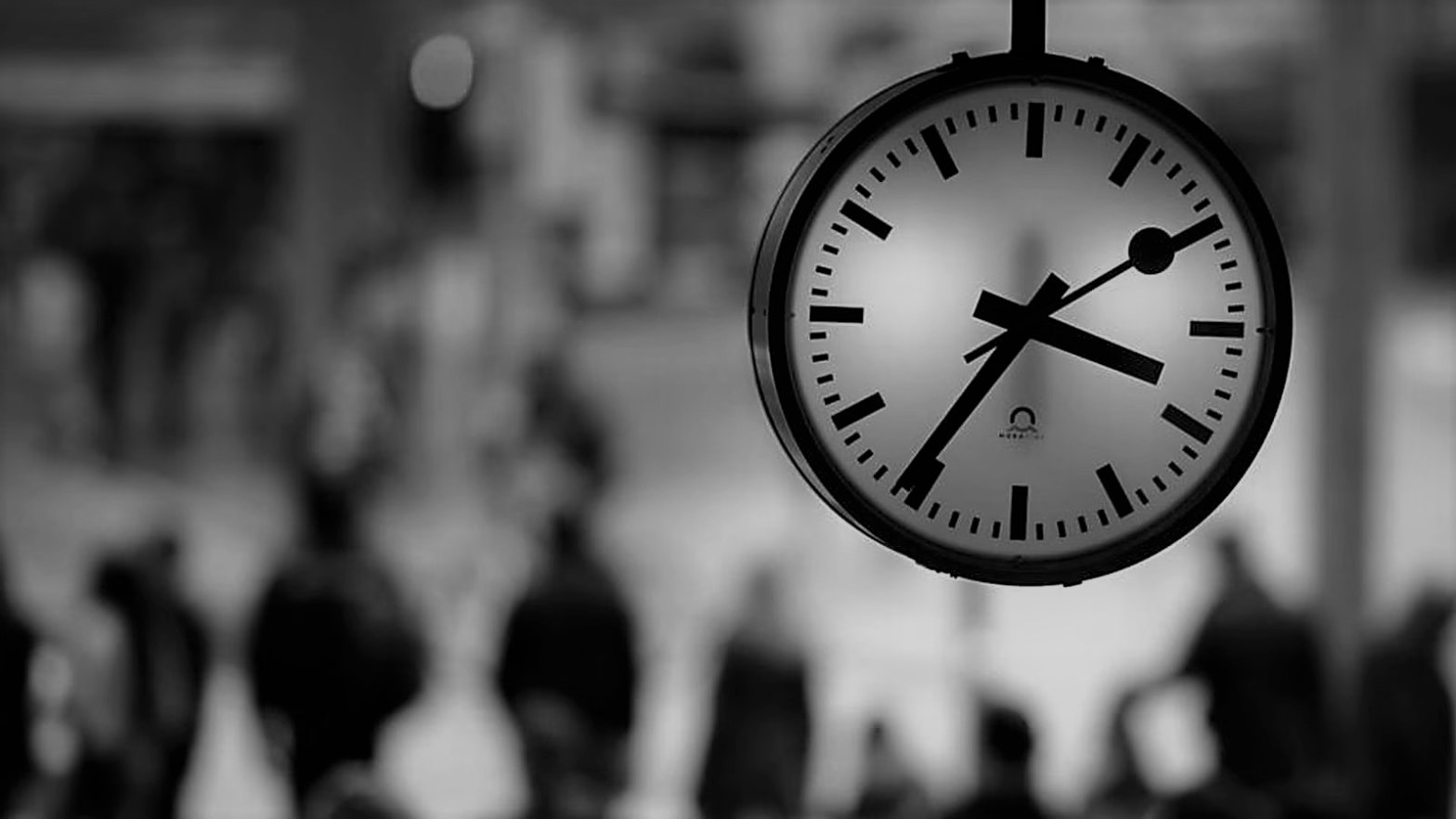
Quando o grande relógio da estação parou,
as folhas continuaram a cair,
os trens continuaram a circular,
o cabelo da minha mãe continuou a crescer, ainda mais negro,
e o corpo do meu pai continuou a encher-se de tempo.

Não consigo enxergar o ano no calendário da estação.
Dormimos sob os ponteiros parados do relógio
até a manhã, quando um homem entrou trazendo uma escada.
Ele subiu até o mostrador do relógio e o abriu com uma chave.
Ninguém, além dele, soube o que ele viu.

Abaixo dele, os rostos mortais seguiram passando,
rumo a todos os pontos cardeais.
As pessoas seguiram cruzando fronteiras,
comprando bilhetes em um fuso horário e pisando em outro.
Cruzando limiares: do sono para a vigília e vice-versa,
da sala de espera para o trem em movimento e vice-versa,
da zona de guerra para a zona segura vice-versa.

Cruzando entre perdas e ganhos:
aprendendo novas palavras para o mundo e suas coisas.
Esquecendo antigas palavras para o coração e suas coisas.
E colecionando palavras em um idioma diferente
para aquelas três cores primárias:
permanecer, partir e retornar.

E apenas o homem no topo da escada
entendeu o que viu por trás do mostrador
que não sorria nem franzia a testa.

E o corpo do meu pai continuou a encher-se de morte
até alcançar a marca mais alta
de seus olhos e transbordar para os meus.
E o cabelo de minha mãe continua a crescer,
sem nunca tocar a terra.

Trad.: Nelson Santander

Mais do que uma leitura, uma experiência. Clique, compre e contribua para manter a poesia viva em nosso blog

Big Clock

When the big clock at the train station stopped,
the leaves kept falling,
the trains kept running,
my mother’s hair kept growing longer and blacker,
and my father’s body kept filling up with time.

I can’t see the year on the station’s calendar.
We slept under the stopped hands of the clock
until morning, when a man entered carrying a ladder.
He climbed up to the clock’s face and opened it with a key.
No one but he knew what he saw.

Below him, the mortal faces went on passing
toward all compass points.
People went on crossing borders,
buying tickets in one time zone and setting foot in another.
Crossing thresholds: sleep to waking and back,
waiting room to moving train and back,
war zone to safe zone and back.

Crossing between gain and loss:
learning new words for the world and the things in it.
Forgetting old words for the heart and the things in it.
And collecting words in a different language
for those three primary colors:
staying, leaving, and returning.

And only the man at the top of the ladder
understood what he saw behind the face
which was neither smiling nor frowning.

And my father’s body went on filling up with death
until it reached the highest etched mark
of his eyes and spilled into mine.
And my mother’s hair goes on
never reaching the earth.

Li-Young Lee – Comendo sozinho

Colhi as últimas cebolas frescas do ano.
O jardim está limpo agora. O solo está frio,
gasto e pardacento. O que resta do dia
arde nos bordos, nas bordas dos meus
olhos. Eu me viro, um cardeal desaparece.
Junto à porta da adega, lavo as cebolas,
depois bebo da gelada torneira de metal.

Certa vez, anos atrás, caminhei ao lado do meu pai
entre as peras caídas. Não consigo lembrar de
nossas palavras. Talvez tenhamos caminhado em silêncio. Mas
ainda o vejo se inclinar daquele jeito – a mão esquerda apoiada
no joelho, rangendo – para erguer e segurar diante dos meus
olhos uma pera podre. Nela, uma vespa
girava loucamente, vitrificada em um suco lento e brilhante.

Foi meu pai que vi esta manhã
acenando para mim das árvores. Quase
o chamei, até que cheguei perto o suficiente
para ver a pá, apoiada onde a havia
deixado, na sombra verde profunda e tremulante.

Arroz branco cozinhando, quase pronto. Ervilhas doces
fritas com cebolas. Camarão refogado no óleo
de gergelim e alho. E minha própria solidão.
O que mais eu, um jovem, poderia querer?

Trad.: Nelson Santander

P.S.: À moda melancólica da página, desejo a todos um feliz Dia dos Pais!

Eating Alone

I’ve pulled the last of the year’s young onions.
The garden is bare now. The ground is cold,
brown and old. What is left of the day flames
in the maples at the corner of my
eye. I turn, a cardinal vanishes.
By the cellar door, I wash the onions,
then drink from the icy metal spigot.

Once, years back, I walked beside my father
among the windfall pears. I can’t recall
our words. We may have strolled in silence. But
I still see him bend that way-left hand braced
on knee, creaky-to lift and hold to my
eye a rotten pear. In it, a hornet
spun crazily, glazed in slow, glistening juice.

It was my father I saw this morning
waving to me from the trees. I almost
called to him, until I came close enough
to see the shovel, leaning where I had
left it, in the flickering, deep green shade.

White rice steaming, almost done. Sweet green peas
fried in onions. Shrimp braised in sesame
oil and garlic. And my own loneliness.
What more could I, a young man, want.

Li-Young Lee – Das flores

Das flores vem
este saco de papel pardo com os pêssegos
que compramos do menino
na curva da estrada onde dobramos em direção
às placas escritas Pêssegos.

Dos galhos carregados, das mãos,
da doce comunhão nas latas,
vem o néctar da beira da estrada, suculentos
pêssegos que devoramos, com a pele empoeirada e tudo,
vem o pó familiar do verão, pó que comemos.

Ó!, levar no interior o que amamos,
carregar dentro de nós um pomar, comer
não só a pele, mas a sombra,
não só o açúcar, mas os dias, tomar
a fruta em nossas mãos, adora-la, e depois morder
o júbilo redondo do pêssego.

Há dias em que vivemos
como se a morte não fizesse parte
de nenhum cenário; de alegria
em alegria até a alegria, de asa em asa,
de flor em flor até a
impossível flor, a doce e impossível flor.

Trad.: Nelson Santander

From Blossoms

From blossoms comes
this brown paper bag of peaches
we bought from the boy
at the bend in the road where we turned toward
signs painted Peaches.

From laden boughs, from hands,
from sweet fellowship in the bins,
comes nectar at the roadside, succulent
peaches we devour, dusty skin and all,
comes the familiar dust of summer, dust we eat.

O, to take what we love inside,
to carry within us an orchard, to eat
not only the skin, but the shade,
not only the sugar, but the days, to hold
the fruit in our hands, adore it, then bite into
the round jubilance of peach.

There are days we live
as if death were nowhere
in the background; from joy
to joy to joy, from wing to wing,
from blossom to blossom to
impossible blossom, to sweet impossible blossom.