[…]
III
Peça ao mundo que revele sua quietude —
não o silêncio das máquinas quando cessam,
mas a verdadeira quietude onde os cantos das aves,
as árvores, os sinos-das-sombras, os caracóis, as nuvens, as tempestades
se tornam o que são – e nada além disso.
[…]
V
O vento do outono chegou.
Está por toda parte. Move
cada folha de cada
árvore. É o único movimento
do rio. As folhas verdes
se cansam de sua cor.
Agora também o entardecer paira no ar.
Os falcões vívidos do dia
se recolhem. As corujas despertam.
Pequenas criaturas morrem porque
criaturas maiores têm fome.
Quão superior a esta
humana confusão de ganância
e fé cega, sangue e fogo.
VI
A pergunta diante de mim, agora que
estou velho, não é como estar morto,
– disso já sei o suficiente, por prática –
mas como estar vivo, como estas gastas
colinas ainda contam, e certas telas
de Cézanne, e esta humilde
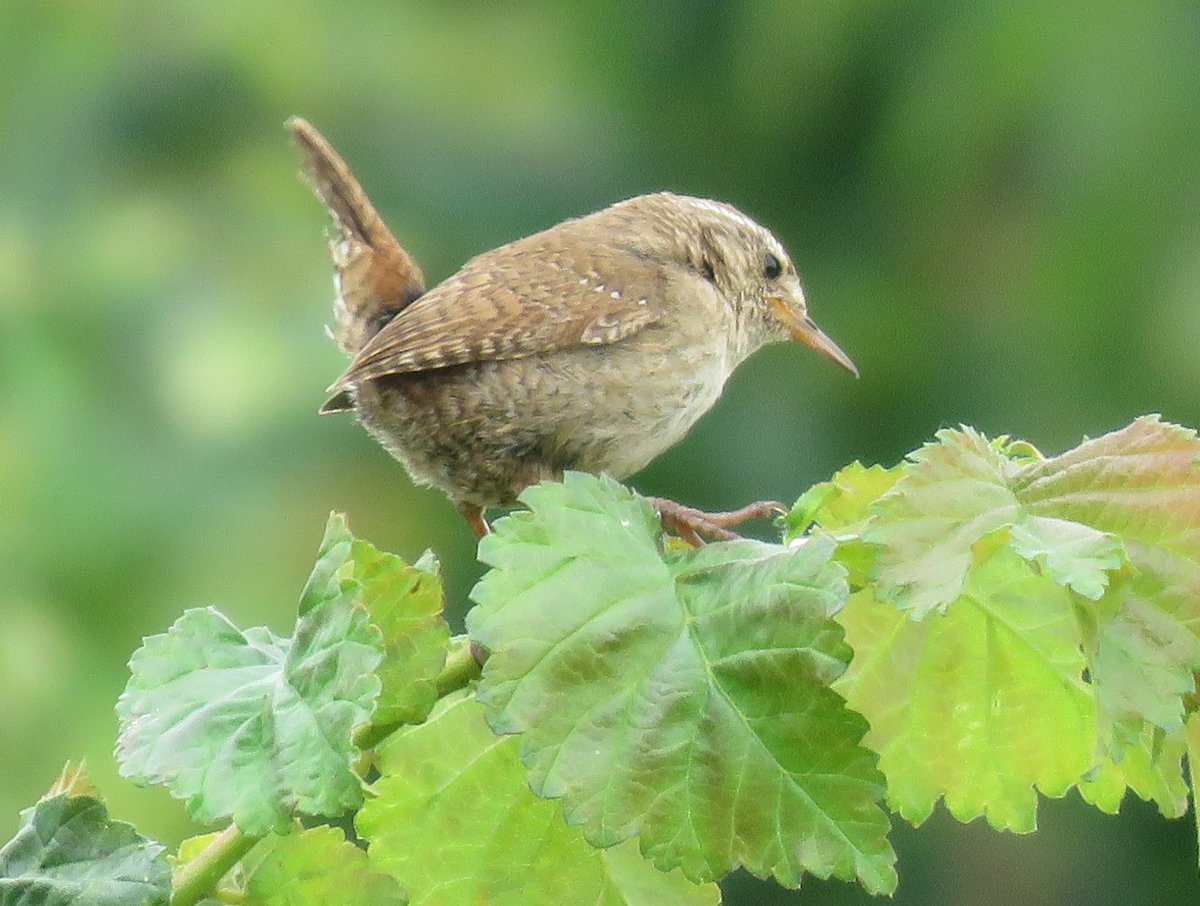
curruíra cantante, que crê estar viva
para sempre, neste instante – e talvez esteja.
Trad.: Nelson Santander
From “Sabbaths” (2001)
[…]
III
Ask the world to reveal its quietude —
not the silence of machines when they are still,
but the true quiet by which birdsongs,
trees, bellworts, snails, clouds, storms
become what they are, and are nothing else.
[…]
V
The wind of the fall is here.
It is everywhere. It moves
every leaf of every
tree. It is the only motion
of the river. Green leaves
grow weary of their color.
Now evening too is in the air.
The bright hawks of the day
subside. The owls waken.
Small creatures die because
larger creatures are hungry.
How superior to this
human confusion of greed
and creed, blood and fire.
VI
The question before me, now that I
am old, is not how to be dead,
which I know from enough practice,
but how to be alive, as these worn
hills still tell, and some paintings
of Paul Cézanne, and this mere
singing wren, who thinks he’s alive
forever, this instant, and may be.

 singularidade - poesia e etc.