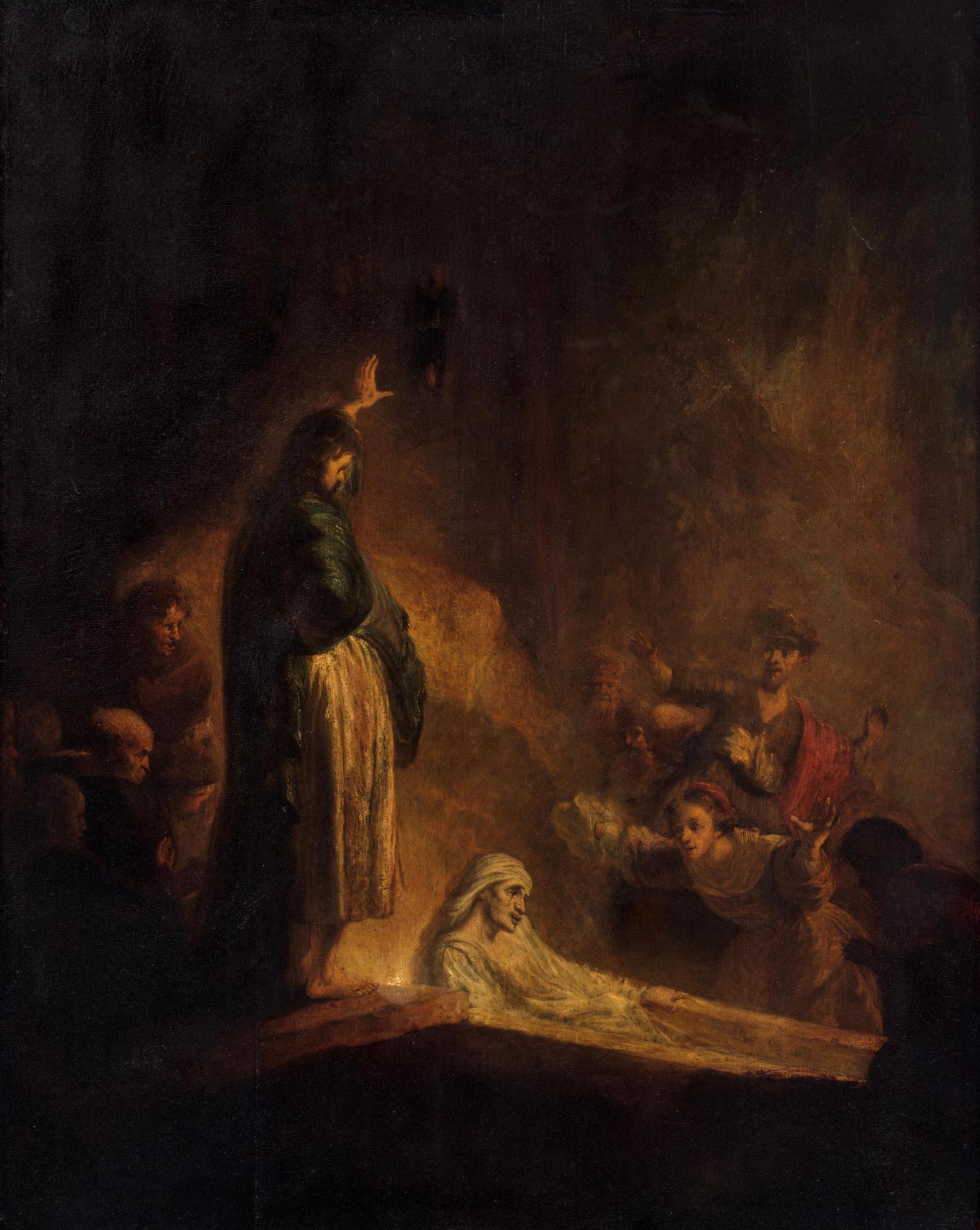
Toda a vida somos dois – e um nos é tirado.
O ar e o fogo insuficientes,
a alegria insuficiente, as trevas
do quarto se acumulam na janela
até voarem, asa sobre asa sobre asa aberta
contra a vidraça, abrindo e fechando,
osso, sangue, punho. Mas nada acontece
além da exaustão e do testemunho do olhar,
o romper do dia em nuvens rubro-dourada
com os objetos que flutuavam no escuro
escoando de volta à origem, flutuando de volta
à tensão superficial das coisas, esses objetos
atingidos como a luz que, de súbito, irrompe
– depois desliza em relevo pela sala,
o jardim de sombras da janela regressando uma
última vez, mais uma, das folhas. Despertando agora,
a porta entreaberta, aberta, a cegueira
no vão, um silêncio a ser preenchido.
Um homem adoeceu de uma doença fatal.
Tudo o que queria era deitar-se,
deixar que a luz o desfizesse em poeira.
Envolveu-se, em pensamento, em sua própria
ausência. Não queria ouvir a chuva,
com seu significado, nem o instante após
a chuva, nem o som de Jesus chorando, nem
o sonho, que é memória, ainda que
jazesse há muito, frio, com a cabeça contra a pedra.
Vemos o vento passar de árvore em árvore,
milhares de folhas verdes individuais,
prateadas e fluidas nas superfícies,
a longa narrativa vazia do vento.
O vento é o vazio e a plenitude
num só sopro, e a suspensão desse sopro,
inquietude e quietude do espírito.
Vemos nosso rosto morto no vidro cinzento ao lado,
e vemos que já é tarde demais,
que a nudez ensanguentada da morte, vestida de branco, é fumaça,
o pai parado no vão da porta, branco,
a quem vemos em parte, como a manhã
que se forma, aos poucos, nos degraus
de retidão, um tipo de amanhecer crepuscular.
Nada é dito, embora ele saiba que o amamos.
Nada é dito, embora saibamos que ele nos ama.
O anseio – essa doença do coração – é
invisível, incurável, interminável.
Trad.: Nelson Santander
Lazarus at Dawn
Your whole life you are two with one taken
away. The inadequate air and fire,
the inadequate joy, the darknesses
of the room so gathered at the window
as to fly, wing on wing on wing open
against the glass, opening and closing,
bone, blood and wrist. But nothing happens
but exhaustion and evidence of the eyes,
the red-gold cloud-break morning beginning
with the objects that floated in the dark
draining back to the source, floating back to
the surface tension of things, those objects
struck the way the first light starts suddenly,
then slowly in relief across the room,
the window’s shadow garden come back one
last time once more from the leaves. Waking now,
the door half-open, open, the doorway’s
blindness or blackness silence to be filled.
A man was sick, a sickness unto death.
All he wanted to do was to lie down,
let the light pick him apart like the dust.
He wrapped himself, in his mind, in his own
absence. He did not want to hear the rain,
with its meaning, nor the moment after
rain, nor the sound of Jesus weeping, nor
the dreaming, which is memory, though he
lay a long time cold, head against the stone.
You see the wind passing from tree to tree,
thousands of green individual leaves
silver and fluid at the surfaces,
the long nothing narrative of the wind.
The wind is the emptiness and fullness
in one breath, and the holding of that breath,
restlessness and stillness of the spirit.
You see your dead face in the gray glass close,
and see that it is already too late,
that death’s blood nakedness clothed white is smoke,
the father standing in the doorway white,
whom you see in part, the way the morning
gathering is part in the slow degrees
of rectitude, a kind of twilight dawn.
Nothing is said, though he knows you love him.
Nothing is said, though you know he loves you.
Longing, as a sickness of the heart, is
invisible, incurable, endless.

 singularidade - poesia e etc.