Não sei por onde começar
              na lista

de todas as coisas que estão desaparecendo: peixes, pássaros, árvores,
     flores, abelhas,

e também idiomas. Dizem que, se as taxas históricas forem
     calculadas,
          um idioma morrerá a cada quatro meses.

No tempo que leva para dizer eu te amo, ou ir morar com alguém,
ou admitir o filho que se está carregando, todas as palavras intricadas
de um idioma se extinguem.

Há coisas demais para segurar na palma do cérebro.
Seu pai com Alzheimer usa a palavra coisa para descrever
muitos substantivos diferentes e nós adivinhamos a palavra que ele quer dizer.
Quando acertamos, ele acena como se fosse óbvio.

Quando erramos, seu rosto se fecha como um punho.

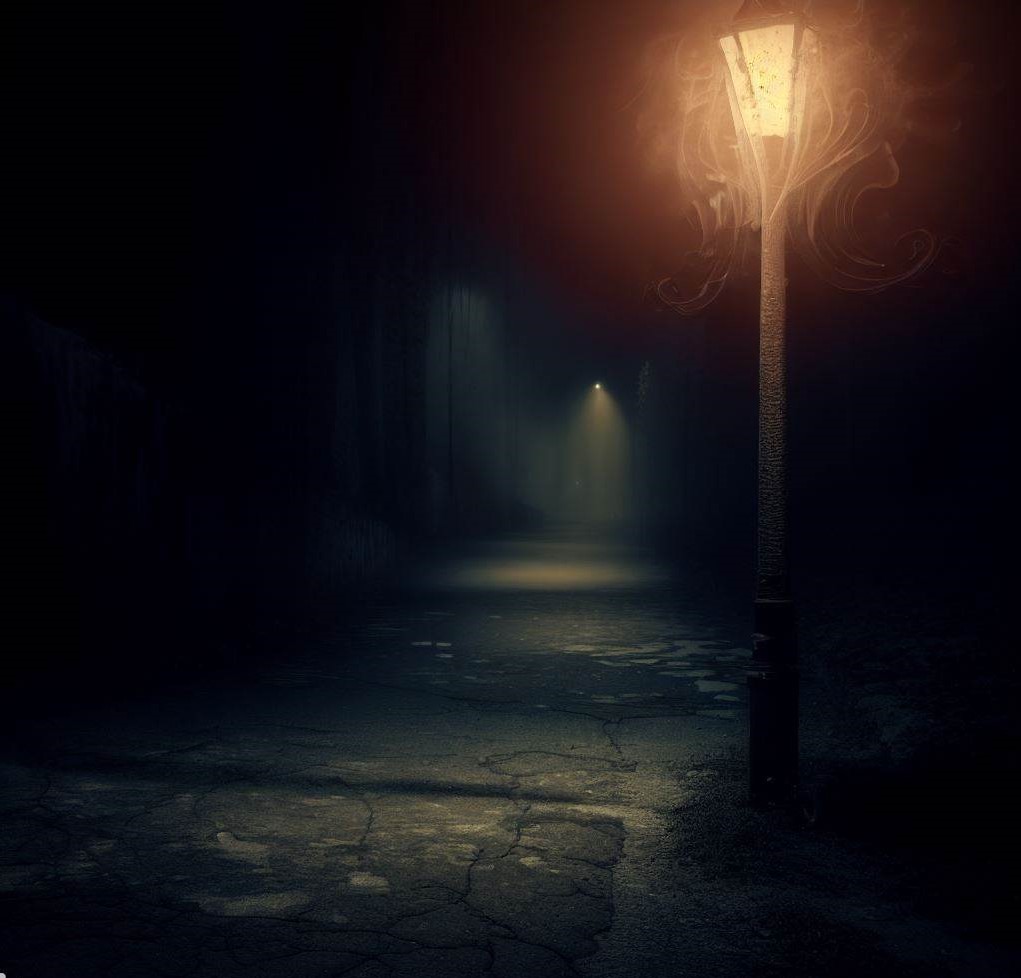
Caminhando pelo bairro, há um poste largo
      de metal
              em que foi riscada a frase "Brandy Earlywine ama
Jack Pickett", seguida de corações. A enxurrada de
     corações
riscados repetidamente como se, caso tenhamos esquecido
a palavra amor, conheçamos seu símbolo. Como se a srta. Earlywine
quisesse que soubéssemos que, mesmo depois que ela e o sr. Pickett
partiram e seus corações reais cessaram — aqueles que não se parecem
em nada com esses pequenos símbolos — frenética e furiosamente,
tarde da noite sob a luz da rua, enquanto seus pais pensavam
que eles estavam dormindo, eles inscreveram no corpo de algo como
uma árvore permanente, um coração — para que, mesmo depois que seus corpos
deixassem de ser corpos e suas bocas não fossem mais capazes de palavras,
aquela forma universal nos contasse como ela se sentiu, em uma noite azul,
há muito tempo, quando ainda havia 7.000 idiomas que nomeavam e honravam
as plantas e os animais, cada um à sua
                   maneira, quando seu pai dizia coisa e nós sabíamos o que significava,
e as abelhas eram grandes e redondas e zumbiam.
Trad.: Nelson Santander


On a lamppost long ago
I don’t know what to think of first
in the list
of all the things that are disappearing: Fishes, birds, trees, flowers, bees,
and languages too. They say that if historical rates are averaged, a language will die
every four months.
In the time it takes to say I love you, or move in with someone, or admit to the child
you’re carrying, all the intricate words of a language become extinct.
There’s too many things to hold in the palm of the brain.
Your father uses the word thing to describe many different nouns and we guess
the word he means. When we get it right, he nods as if it’s obvious.
When we get it wrong, his face closes like a fist.
Out walking in the neighborhood, there’s a wide metal lamp post
that has scratched into it, Brandy Earlywine loves Jack Pickett and then there
come the hearts. The barrage of hearts scratched over and over as if,
just in case we have forgotten the word love, we will know its symbol. As if,
Miss Earlywine wanted us to know that, even after she and Mr. Pickett
have passed on, their real hearts stopped—the ones that don’t look anything
like those little symbols—they frantically, furiously, late one night under
the streetlight while their parents thought they were asleep, inscribed
onto the body of the something like a permanent tree, a heart—
so that even after their bodies ceased to be bodies,
their mouths no longer capable of words, that universal shape will tell you
how she felt, one blue evening, long ago, when there were still 7,000
languages that named and honored the plants and animals each in their
own way, when your father said thing and we knew what it meant,
and the bees were big and round and buzzing.

 singularidade - poesia e etc.
2 comentários