Alberto Ríos – Manhã de dezembro no deserto

A manhã está nublada e os pássaros, encolhidos,
Mais pelo frio que pela fome, mais entorpecidos que ruidosos,

Nesta costa árida do Arizona, onde o deserto se encontra
Com as fronteiras do mundo invernal.

É uma gélida revelação em um anúncio gritante,
A miríade de estrelas fazendo a escuridão brilhar,

Com se o próprio céu tivesse sido coberto de neve.
Mas as estrelas, todas aquelas estrelas,

Para onde vai o claro ruído de seu árduo labor? Essas
Tomadas acionam o motor de um céu que de outra forma seria silencioso,

Seu movimento cintilante por toda parte dessa vastidão branca:
Deveríamos ouvir as estrelas como um imenso bramido

Obtido a partir do movimento de suas bilhões de partes, esta grande
Máquina ardente da Via Láctea deslizando pela noite asfaltada,

As faíscas, agrupadas e em movimento, e brasas flutuantes
Que se elevam das fogueiras de tantos outros mundos.

Para onde vai o ruído de tudo isso
Senão para os ouvidos, e para os corações dos pássaros ao nosso redor,

Seus corações batendo tão rápido e suas asas igualmente
rápidas e seus cantos agudos,

E também para as abelhas, com seu zumbido pesado,
E para as vespas e mariposas, os morcegos, as libélulas —

Nenhum deles tem certeza se tudo isso vai funcionar,
Esse universo — nós, humanos, alheios

Bebendo café, ainda meio sonolentos, calmos e
Calçando os chinelos de nossas manhãs de segunda-feira,

Tremendo porque, pensamos,
Está um pouco frio lá fora.

Trad.: Nelson Santander

Mais do que uma leitura, uma experiência. Clique, compre e contribua para manter a poesia viva em nosso blog

December Morning in the Desert

The morning is clouded and the birds are hunched,
More cold than hungry, more numb than loud,

This crisp, Arizona shore, where desert meets
The coming edge of the winter world.

It is a cold news in stark announcement,
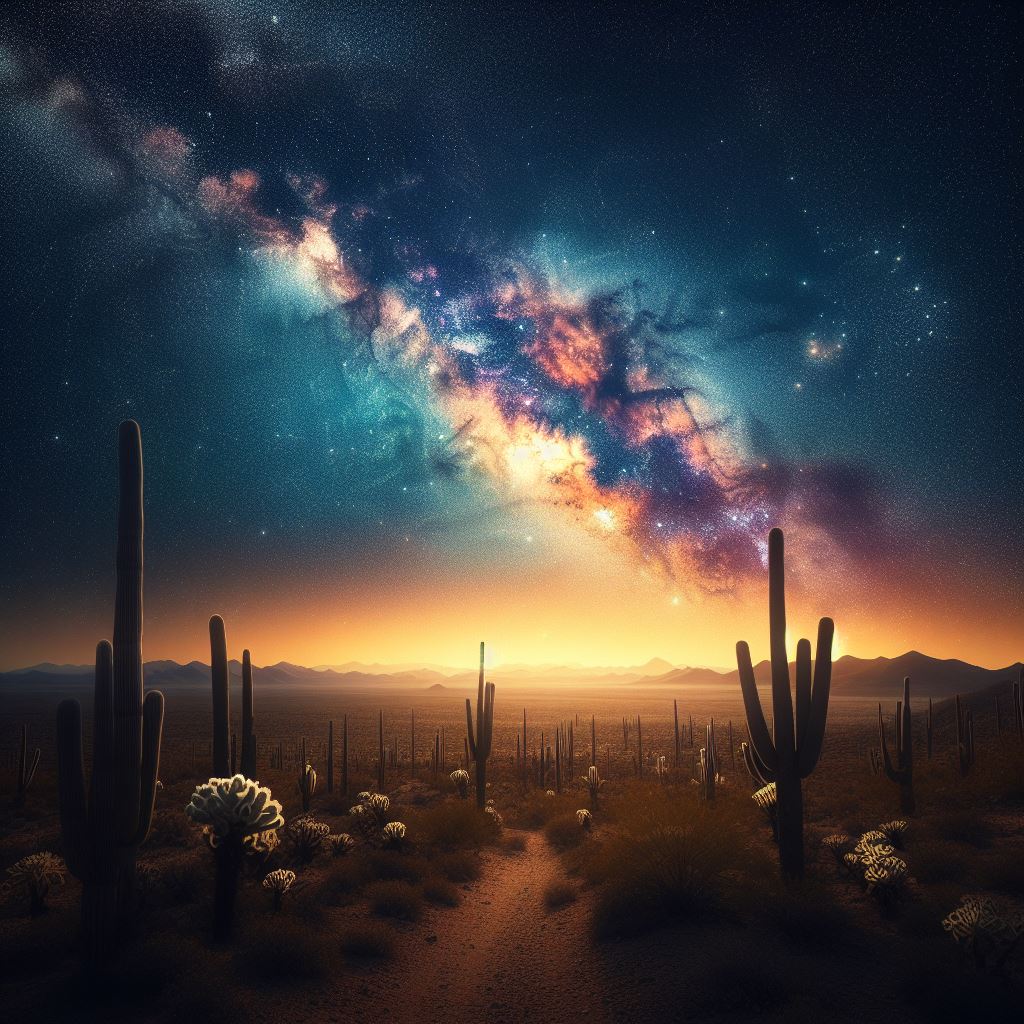
The myriad stars making bright the black,

As if the sky itself had been snowed upon.
But the stars—all those stars,

Where does the sure noise of their hard work go?
These plugs sparking the motor of an otherwise quiet sky,

Their flickering work everywhere in a white vastness:
We should hear the stars as a great roar

Gathered from the moving of their billion parts, this great
Hot rod skid of the Milky Way across the asphalt night,

The assembled, moving glints and far-floating embers
Risen from the hearth-fires of so many other worlds.

Where does the noise of it all go
If not into the ears, then hearts of the birds all around us,

Their hearts beating so fast and their equally fast
Wings and high songs,

And the bees, too, with their lumbering hum,
And the wasps and moths, the bats, the dragonflies—

None of them sure if any of this is going to work,
This universe—we humans oblivious,

Drinking coffee, not quite awake, calm and moving
Into the slippers of our Monday mornings,

Shivering because, we think,
It’s a little cold out there.
Alberto Ríos – Cinco anos depois

Eu era, e agora sou.
Há tanto a expressar nessas poucas palavras.

Às vezes, essa mudança é doçura,
Um beijo, um afago. Às vezes,

Nada nos alerta. Não podemos prever.
É imposto a nós. Uma arma,

Um terremoto, uma inundação — qualquer um dos terríveis
Horrores deste mundo.

Nesses momentos, não pedimos,
Não temos a chance de respirar fundo,

É simplesmente o fim de um capítulo
E a primeira página do próximo. Somos lançados

Em águas profundas e ficamos com raiva,
Estamos com raiva, estamos com raiva.

Não sabíamos nadar, mas agora nadamos —
Precisamos nadar.

Não é justo. Nunca é justo.
Não temos chance de participar da decisão

Que nos transforma.
Nós éramos, e agora somos. Lamentavelmente,

Não estamos sós. Se é um de nós,
Somos todos nós, são muitos de nós.

Nós éramos, e agora somos.
Doçura ou crueldade, subitaneidade, choque,

Um toque áspero que pode significar:
Nós mudamos.

Se foi um beijo, nossas vidas são poderosamente direcionadas
Para a leveza.

Mas quando não é doçura, não é um beijo,
vivemos o resto da vida como alguém diferente,

Mas alguém que ainda somos nós.
Se tivéssemos uma arma, ou porque tínhamos uma arma,

Se as coisas tivessem sido diferentes, melhores,
Se a reabilitação tivesse sido mais eficaz,

Se Deus tivesse intervindo, se alguém tivesse ouvido:
Estaríamos vivendo no mundo normal.

Poderíamos olhar para os coelhos ao longo da rodovia
E para as montanhas azuis e desgastadas ao longe

Como qualquer um.
Mas cinco anos depois de algo ter nos acontecido,

Não somos mais qualquer um.
As lebres e as montanhas de Tucson —

As amamos, não facilmente, mas intensa, intensamente
Do novo jeito que tivemos que encontrar.

As amamos como quem agora somos.
Amamos porque isso é o que resta.

Trad.: Nelson Santander

Mais do que uma leitura, uma experiência. Clique, compre e contribua para manter a poesia viva em nosso blog

Five Years Later

I was, and now I am.
So much goes into the saying of those few words.

Sometimes this change is sweetness,
A kiss, a caress. Sometimes,

Nothing warns us. It cannot be thought by us.
It is done to us. A gun,

An earthquake, a flood—any of the muscular
Horrors of this world.

In those instances, we don’t ask for it,
We don’t get to take a deep breath,

It is simply the end of the chapter
And page 1 of the next. We are thrown

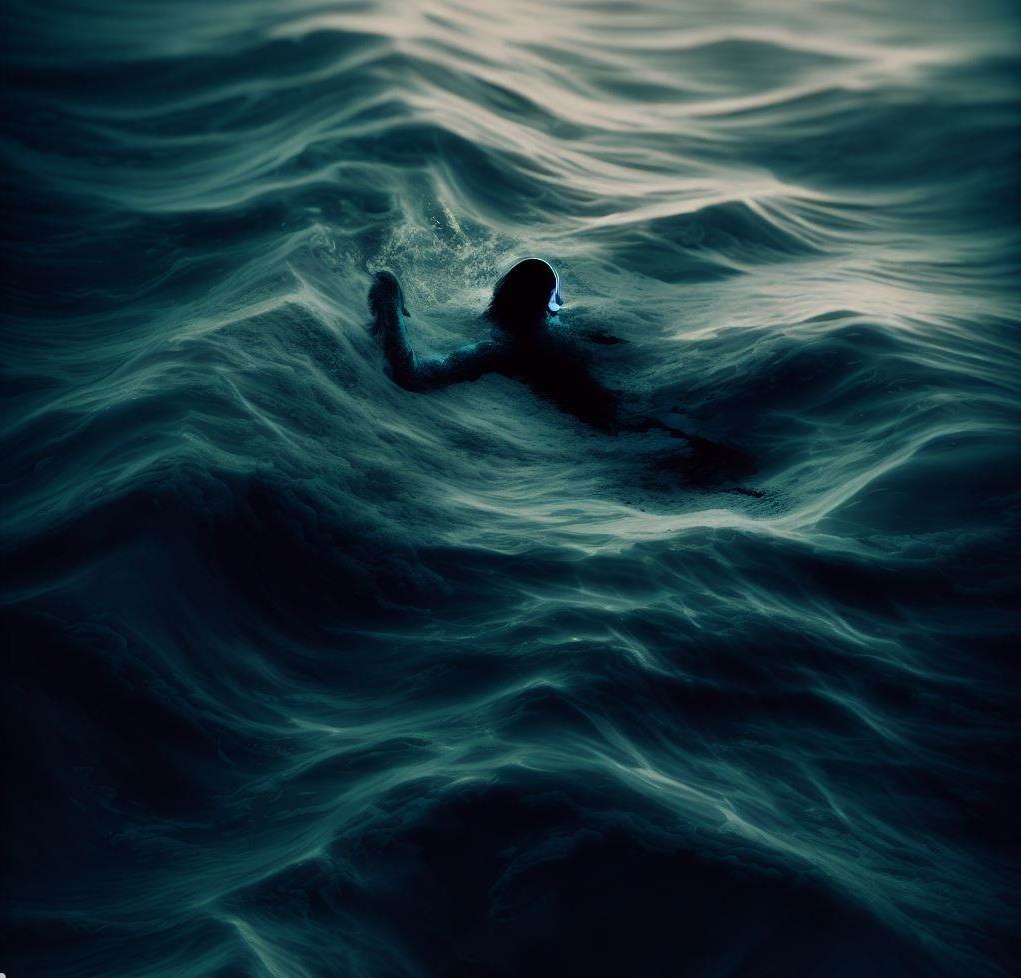
Into the deep water and we are angry,
We are angry, we are angry.

We could not swim, but now we are swimming—
We have to swim.

It is not fair. It is never fair.
We have no chance to be part of the decision

That changes us.
We were, and then we are. Regrettably,

We are not alone. If it is one of us,
It is all of us, so many of us.

We were, and now we are.
Sweetness or cruelty, suddenness, shock,

A rough touch that could be either:
We are changed.

If it has been a kiss, our lives are turned powerfully
Toward lightness.

But when it is not sweetness, not a kiss,
We live the rest of our lives as someone else,

But someone who is still us.
If we had a gun, because we did have a gun,

If things had gone differently, better,
If the rehab had been more effective,

Had God stepped in, had anyone heard:
We would be living in the regular world.

We could look at the rabbits along the highway
And the blue, ragged mountains in the distance

Like anyone.
But five years after something has happened to us

We are not the anyone.
The jackrabbits and the Tucson Mountains—

We love them, not easily but fiercely, fiercely
In the new way we have had to find.

We love them as who we are now.
We love because that’s what’s left.

Alberto Ríos – Coelhos e fogo

Tudo já foi dito
Menos uma última coisa – terrível – sobre o
Deserto: durante os incêndios no deserto de Sonora,
Incêndios rasteiros que ocorrem antes das monções e no grande,
Profundo, extenso e sufocante calor dos meses mais quentes,
Os meses mais longos,
Nas hipnóticas e imensuráveis tréguas de agosto e julho —
Durante esses incêndios de verão, lebres —
Lebres e qualquer outra coisa
Que viva nas matas das encostas,
Mas especialmente lebres —
As lebres podem acabar presas entre as chamas,
Não importa quão grandes e velozes e fortes e lisas elas sejam.
E quando são apanhadas,
Acossadas dentro e contra os grossos
Troncos e os finos ferrões dos cactos,
Quando não podem mais recuar,
Quando não podem mais se mover, a chama —
Ela as toca,
E seus pelos pegam fogo.
É claro, elas fogem da chama,
Encontrando força mesmo quando não há nenhuma para ser encontrada,
Dando grandes saltos para o alto sobre a onda de fogo, ou recuando
Ainda mais através do impenetrável
Emaranhado de saguaro endurecido
E figo-da-índia e cholla e espinheiro,
Mas seja qual for o caminho que elas encontram,
O que acontece é o que acontece: elas pegam fogo
E depois levam o fogo com elas quando correm.
No início, elas não sabem que estão pegando fogo,
Correndo tão rápido que fazem as chamas
Explodir como um motor de foguete e fumaça atrás deles,
Mas então as lebres se cansam
E a chama as alcança,
Coladas a elas como os espinhos dos cactos,
Que a princípio deve ser o que elas pensam que sentem em suas peles.
Eles já sentiram isso antes, todos os coelhos.
Mas desta vez a sensação não para.
E, claro, eles incendeiam os arbustos e o capim secos
Mais uma vez, provocando mais fogo, ao redor deles.
Eu lamento pelos coelhos.
E lamento que
Saibamos disso.

Trad.: Nelson Santander

Rabbits and Fire

Everything’s been said
But one last thing about the desert,
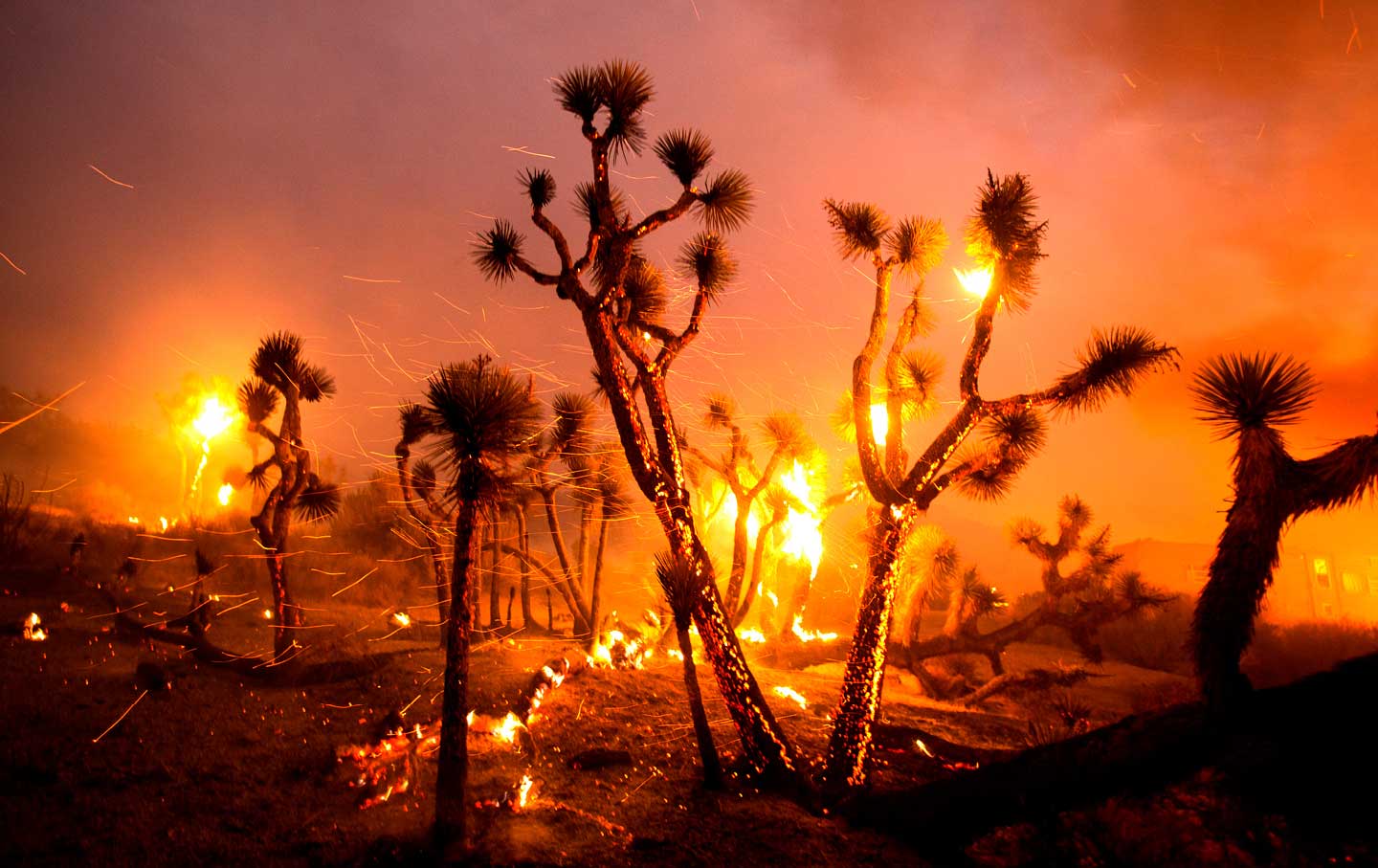
And it’s awful: During brush fires in the Sonoran desert,
Brush fires that happen before the monsoon and in the great,
Deep, wide, and smothering heat of the hottest months,
The longest months,
The hypnotic, immeasurable lulls of August and July—
During these summer fires, jackrabbits—
Jackrabbits and everything else
That lives in the brush of the rolling hills,
But jackrabbits especially—
Jackrabbits can get caught in the flames,
No matter how fast and big and strong and sleek they are.
And when they’re caught,
Cornered in and against the thick
Trunks and thin spines of the cactus,
When they can’t back up any more,
When they can’t move, the flame—
It touches them,
And their fur catches fire.
Of course, they run away from the flame,
Finding movement even when there is none to be found,
Jumping big and high over the wave of fire, or backing
Even harder through the impenetrable
Tangle of hardened saguaro
And prickly pear and cholla and barrel,
But whichever way they find,
What happens is what happens: They catch fire
And then bring the fire with them when they run.
They don’t know they’re on fire at first,
Running so fast as to make the fire
Shoot like rocket engines and smoke behind them,
But then the rabbits tire
And the fire catches up,
Stuck onto them like the needles of the cactus,
Which at first must be what they think they feel on their skins.
They’ve felt this before, every rabbit.
But this time the feeling keeps on.
And of course, they ignite the brush and dried weeds
All over again, making more fire, all around them.
I’m sorry for the rabbits.
And I’m sorry for us
To know this.