Seamus Heaney – Uma ligação

‘Espere’, ela disse, ‘Vou lá fora chamá-lo.
O clima aqui está tão bom que ele aproveitou
Para capinar um pouco’.
Então eu o vi
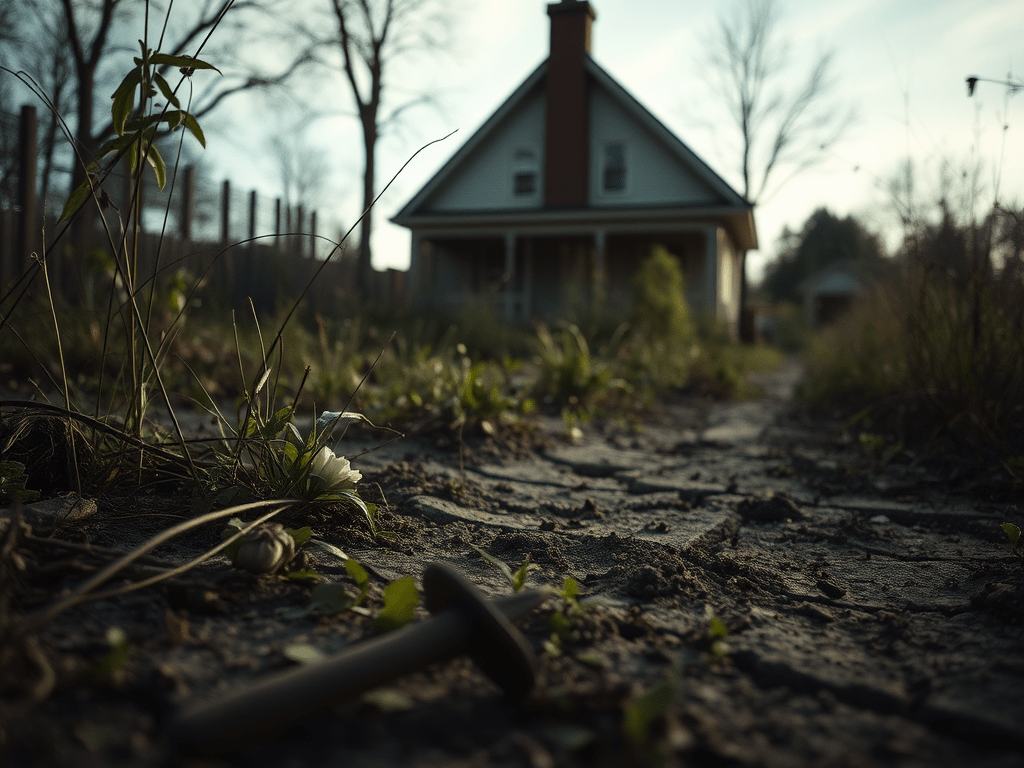
Ajoelhado ao lado do canteiro de alho-poró,
Tocando, inspecionando, separando um
Talo do outro, delicadamente arrancando
Tudo o que não era afilado, frágil e sem folhas,
Satisfeito ao sentir cada pequena raiz de erva daninha se partir,
Mas pesaroso também…

Então me peguei ouvindo
O grave e amplificado tique-taque dos relógios no corredor,
Onde o telefone jazia esquecido em uma calma
De vidro espelhado e pêndulos ensolarados…

E me peguei então pensando: se fosse hoje,
É assim que a Morte convocaria o Homem Comum.

No instante seguinte ele falou, e eu quase disse que o amava.

Trad.: Nelson Santander

Mais do que uma leitura, uma experiência. Clique, compre e contribua para manter a poesia viva em nosso blog

A call

‘Hold on,’ she said, ‘I’II just run out and get him.
The weather here’s so good, he took the chance
To do a bit of weeding.’
So I saw him
Down on his hands and knees beside the leek rig,
Touching, inspecting, separating one
Stalk from the other, gently pulling up
Everything not tapered, frail and leafless,
Pleased to feel each little weed-root break,
But rueful also…

Then found myself listening to
The amplified grave ticking of hall clocks
Where the phone lay unattended in a calm
Of mirror glass and sunstruck pendulums …

And found myself then thinking: if it were nowadays,
This is how Death would summon Everyman.

Next thing he spoke and I nearly said I loved him.


Seamus Heaney – Recesso escolar

Passei a manhã toda na enfermaria da escola1
Contando os sinais que marcavam o fim das aulas.
Às duas horas, os vizinhos me levaram para casa.

Na varanda, encontrei meu pai chorando —
Ele que sempre enfrentara funerais com serenidade —
E Big Jim Evans dizendo que fora um duro golpe.

O bebê balbuciava e sorria balançando o carrinho
Quando entrei, e me senti constrangido
Com os velhos que se levantavam para apertar minha mão

E dizer que ‘lamentavam minha perda’.
Sussurros informavam aos estranhos que eu era o mais velho,
E estudava fora, enquanto minha mãe segurava minha mão

na dela e soltava suspiros secos e raivosos.
Às dez horas, a ambulância chegou
Com o corpo, já limpo e enfaixado pelas enfermeiras.

Na manhã seguinte, subi até o quarto. Campainhas-brancas
E velas suavizavam a cabeceira; vi-o
Pela primeira vez em seis semanas. Mais pálido agora,

Com um hematoma de papoula na têmpora esquerda,
Jazia em uma caixa de quatro pés, como em seu berço.
Sem cicatrizes evidentes, o para-choque o arremessara longe.

Uma caixa de quatro pés, um pé para cada ano.

Trad.: Nelson Santander

  1. O poema foi inspirado pela morte do irmão mais novo de Heaney, Christopher, que faleceu tragicamente aos quatro anos de idade, após ser atropelado por um carro. O evento ocorreu quando Heaney estava no internato, e a experiência de retornar para casa e confrontar o luto familiar moldou a carga emocional e reflexiva do poema. ↩︎

Mais do que uma leitura, uma experiência. Clique, compre e contribua para manter a poesia viva em nosso blog

Mid-Term Break

I sat all morning in the college sick bay
Counting bells knelling classes to a close.
At two o’clock our neighbours drove me home.

In the porch I met my father crying—
He had always taken funerals in his stride—
And Big Jim Evans saying it was a hard blow.

The baby cooed and laughed and rocked the pram
When I came in, and I was embarrassed
By old men standing up to shake my hand

And tell me they were ‘sorry for my trouble’.
Whispers informed strangers I was the eldest,
Away at school, as my mother held my hand

In hers and coughed out angry tearless sighs.
At ten o’clock the ambulance arrived
With the corpse, stanched and bandaged by the nurses.

Next morning I went up into the room. Snowdrops
And candles soothed the bedside; I saw him
For the first time in six weeks. Paler now,

Wearing a poppy bruise on his left temple,
He lay in the four-foot box as in his cot.
No gaudy scars, the bumper knocked him clear.

A four-foot box, a foot for every year.

Seamus Heaney – Posfácio

E reserve um tempo para ir até o oeste
Rumo a County Clare, pela Flaggy Shore,
Em setembro ou outubro, quando o vento
E a luz interagem entre si,
De modo que o oceano de um lado se torna selvagem,
Com espuma e brilho, e terra adentro, entre as pedras,
A superfície de um lago cinza ardósia é iluminada
Pelo clarão terrestre de um bando de cisnes,
Suas penas ásperas e revoltas, branco sobre branco,
Suas cabeças plenas, de aparência obstinada,
Curvadas ou erguidas ou atarefadas sob a água.
Inútil pensar que ao parar você irá capturar tudo
De uma só vez. Você não está aqui nem lá,
Um fluxo onde conhecido e desconhecido se encontram,
Enquanto grandes e suaves rajadas atingem o carro de lado,
Pegam o coração desprevenido e o fazem se abrir.

Trad.: Nelson Santander

Mais do que uma leitura, uma experiência. Clique, compre e contribua para manter a poesia viva em nosso blog

Postscript

And some time make the time to drive out west
Into County Clare, along the Flaggy Shore,
In September or October, when the wind
And the light are working off each other
So that the ocean on one side is wild
With foam and glitter, and inland among stones
The surface of a slate-grey lake is lit
By the earthed lightning of a flock of swans,
Their feathers roughed and ruffling, white on white,
Their fully grown headstrong-looking heads
Tucked or cresting or busy underwater.
Useless to think you’ll park and capture it
More thoroughly. You are neither here nor there,
A hurry through which known and strange things pass
As big soft buffetings come at the car sideways
And catch the heart off guard and blow it open.

Seamus Heaney – Tempestade na ilha

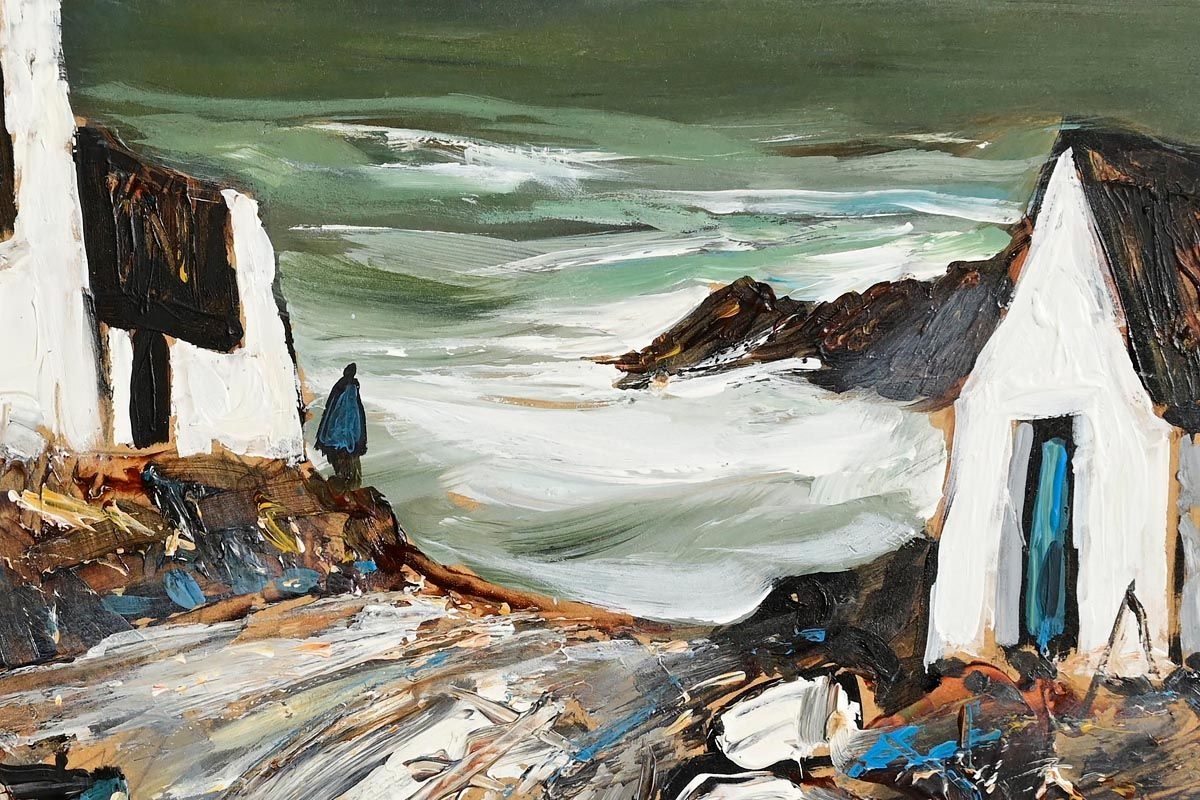
Estamos preparados: construímos baixas nossas casas,
cobrimo-las com boa ardósia e embutimos as paredes na rocha.
Esta terra ressequida nunca nos incomodou
Com feno, logo, como você pode ver, não há pilhas
De palhas que possam ser perdidas. Nem árvores
Que possam estar presentes quando ela atinge toda
Sua potência: você sabe o que eu quero dizer – folhas e galhos
Podem formar um coro trágico em uma tempestade,
De modo que você ouve o que teme,
Esquecendo que aquilo está atingindo também a sua casa.
Mas não há árvores, nem abrigo natural.
Poder-se-ia pensar que o mar é uma companhia,
Explodindo confortavelmente sobre as falésias,
Mas não: quando ela começa, os jatos lançados alcançam
As próprias janelas, cospem como um gato domesticado
Tornando-se selvagem. Ficamos quietos enquanto o vento
Mergulha e metralha, invisível. O vácuo é uma salva,
Somos bombardeados pelo espaço vazio.
Estranho: é um enorme nada o que tememos.

Trad.: Nelson Santander

Mais do que uma leitura, uma experiência. Clique, compre e contribua para manter a poesia viva em nosso blog

Storm on the Island

We are prepared: we build our houses squat,
Sink walls in rock and roof them with good slate.
This wizened earth has never troubled us
With hay, so, as you see, there are no stacks
Or stooks that can be lost. Nor are there trees
Which might prove company when it blows full
Blast: you know what I mean – leaves and branches
Can raise a tragic chorus in a gale
So that you listen to the thing you fear
Forgetting that it pummels your house too.
But there are no trees, no natural shelter.
You might think that the sea is company,
Exploding comfortably down on the cliffs
But no: when it begins, the flung spray hits
The very windows, spits like a tame cat
Turned savage. We just sit tight while wind dives
And strafes invisibly. Space is a salvo,
We are bombarded with the empty air.
Strange, it is a huge nothing that we fear.

Seamus Heaney – [Como todo mundo]

Como todo mundo, inclinei minha cabeça
durante a consagração do pão e do vinho,
elevei meus olhos para a hóstia e para o cálice levantados,
acreditei (seja lá o que isso signifique) que uma mudança ocorrera.

Fui ao genuflexório e recebi o mistério
em minha língua, voltei para o meu lugar, fechei meus olhos depressa,
fiz um ato de ação de graças, abri meus olhos e senti o
tempo começando novamente.

Nunca houve um drama
em que eu discutisse comigo mesmo ou com outra pessoa.
A perda ocorreu fora do palco. No entanto, eu não consigo
renegar expressões como “ação de graças” ou “hóstia”
ou mesmo “pão da comunhão.” Elas têm uma imorredoura
vibração e, como água de poço, atraem para o fundo.

Trad.: Nelson Santander

[Like everybody else]

Like everybody else, I bowed my head
during the consecration of the bread and wine,
lifted my eyes to the raised host and raised chalice,
believed (whatever it means) that a change occurred.

I went to the altar rails and received the mystery
on my tongue, returned to my place, shut my eyes fast, made
an act of thanksgiving, opened my eyes and felt
time starting up again.

There was never a scene
when I had it out with myself or with another.
The loss occurred off stage. Yet I cannot
disavow words like “thanksgiving” or “host”
or even “communion bread.” They have an undying
tremor and draw, like well water far down.